





Understanding Medicare's Mobility Scooter Coverage Requirements
Medicare covers 80% of mobility scooter costs when medically necessary. Complete guide to eligibility, approval process, documentation, appeals, and out-of-pocket costs.
Navigating Medicare coverage for mobility scooters represents a complex but manageable process for seniors and individuals with disabilities who need assistive devices for daily living activities, particularly as Medicare Part B provides substantial coverage (80% after deductible) for medically necessary mobility equipment but imposes strict eligibility requirements, documentation standards, and approval processes that can seem overwhelming—yet understanding these requirements, preparing proper documentation through mandated face-to-face examinations, working with Medicare-enrolled suppliers, and meeting the specific "home use" medical necessity criteria enables beneficiaries to successfully obtain coverage for power-operated vehicles (scooters) that significantly improve quality of life, independence, and ability to perform essential activities like bathing, dressing, and moving between rooms. Medicare's mobility scooter coverage in 2024-2025 involves navigating Part B durable medical equipment (DME) benefits where beneficiaries pay the $257 Part B deductible (2025 amount, increased from $240 in 2024) plus 20% coinsurance while Medicare covers 80% of approved amounts, but coverage applies only when comprehensive medical documentation proves you cannot perform mobility-related activities of daily living (MRADLs) in your home even with canes, walkers, or crutches, and specifically requires face-to-face physician examinations within strict timelines, written prescriptions including seven mandatory elements, Certificate of Medical Necessity forms, prior authorization for certain models with new 7-day maximum approval times (reduced from longer periods in 2024), and purchase or rental from Medicare-approved suppliers within 45 days of examination. This comprehensive guide explains Medicare's fundamental coverage framework including what Part B covers versus excludes, the 2025 cost structure with specific deductible and coinsurance amounts plus realistic total out-of-pocket examples, the complete eligibility criteria focusing on home mobility limitations affecting daily activities rather than outdoor transportation needs, detailed documentation requirements including the mandatory face-to-face examination process and seven-element written orders, the prior authorization system with improved 2025 approval timelines, which specific scooter types qualify under Medicare's heavy-duty/non-portable classification versus excluded lightweight portable models, common reasons applications get denied and how to avoid documentation errors that cause 30-40% of initial denials, and strategic guidance for successfully navigating the 2-6 week approval process. Whether you're a Medicare beneficiary beginning to experience mobility difficulties and wondering if you qualify, a family member helping an elderly parent navigate the application process, already denied coverage and seeking to understand why your claim was rejected, comparing costs between Medicare coverage versus private purchase of $800-2,500 scooters, or simply trying to understand the complex interplay between medical necessity, home accommodation requirements, supplier networks, and prior authorization procedures, this guide provides the detailed knowledge necessary to determine eligibility, gather required documentation, work effectively with physicians and suppliers, and successfully obtain Medicare coverage for mobility scooters that restore independence and home mobility.
Medicare Coverage Basics: What Part B Covers
Medicare Part B (Medical Insurance) covers power-operated vehicles (scooters) and power wheelchairs as durable medical equipment (DME) when prescribed by doctors for use in your home—understanding this fundamental coverage framework is essential before exploring specific requirements:
Part B DME Coverage Structure: Medicare Part B covers wheelchairs, power-operated vehicles/scooters, and manual wheelchairs as durable medical equipment prescribed for home use. Coverage applies when equipment is "medically necessary"—meaning a healthcare provider determines you need the equipment to improve or maintain your health or daily functioning. The term "in the home" is critical—Medicare covers mobility devices needed primarily for improving mobility for activities that take place inside your home, not for outdoor transportation, shopping trips, or recreational use. Coverage includes the device itself plus necessary accessories, maintenance, and repairs required for proper function. Medicare distinguishes between power wheelchairs (controlled by joystick for users who cannot operate tiller steering) and power-operated vehicles/scooters (controlled by tiller steering for users with sufficient upper body strength and coordination).
2025 Cost Structure and Financial Responsibility: After paying your Part B annual deductible of $257 (2025 amount, up from $240 in 2024), Medicare covers 80% of the Medicare-approved amount for covered mobility scooters and wheelchairs. You pay the remaining 20% coinsurance as your out-of-pocket responsibility—this 20% can potentially be covered by supplemental insurance (Medigap policies) or some Medicare Advantage plans. Cost example: If Medicare approves $1,500 for a scooter (actual retail price might be $2,000-2,500), Medicare pays 80% ($1,200) and you pay 20% ($300) plus any amount above the approved amount if supplier doesn't accept assignment. If your Part B deductible hasn't been met for the year, you pay the full $257 deductible first, then 20% of the remaining approved amount. Total out-of-pocket for typical scooter: $257 deductible + $300 coinsurance = approximately $557 for a $1,500 approved scooter, versus $1,500-2,500 for private purchase without Medicare.
Rental vs. Purchase Options: Medicare covers both rental and purchase of mobility scooters, with the supplier and your doctor determining which option is appropriate. Rental arrangements involve Medicare paying 80% of monthly rental fees after deductible—you pay 20% monthly coinsurance. After 13 months of continuous rental payments, you own the equipment—no further rental charges apply. Purchase involves a one-time payment with Medicare covering 80% and you paying 20% immediately. Rental makes sense when medical condition may improve and scooter needed temporarily; purchase makes sense for permanent mobility limitations requiring long-term equipment use.
Comprehensive Eligibility Requirements
Medicare imposes specific, detailed criteria that all must be satisfied simultaneously—failing to meet even one requirement results in coverage denial:
Medical Necessity for Home Mobility (Primary Requirement): You must have a health condition that causes significant difficulty moving around inside your home—this "home use" requirement is Medicare's most fundamental criterion and most commonly misunderstood aspect. Medicare covers scooters needed for mobility within your home to perform daily activities in customary home locations (bedroom, bathroom, kitchen, living areas)—NOT for outdoor activities, shopping, visiting friends, or recreational use. You must demonstrate that mobility limitations significantly impair your ability to participate in one or more Mobility-Related Activities of Daily Living (MRADLs) in your home. MRADLs include: toileting (getting to and from toilet, getting on/off toilet); feeding (getting to locations where food is prepared and consumed); dressing (getting to locations where clothing is stored); grooming (getting to sink/mirror for grooming activities); bathing (getting to and from bathing location). The key requirement: you cannot perform these activities in your home even with assistance from canes, crutches, walkers, or another person—a mobility scooter represents the minimum necessary equipment enabling you to function in your home.
Functional Limitation Requirements: You must be unable to perform daily living activities (bathing, dressing, getting in/out of bed or chair, using bathroom, moving between rooms) even with help from a cane, crutch, walker, or human assistance. Your condition must involve one or more of: significant difficulty walking due to neurological, orthopedic, or cardiovascular conditions; inability to walk functional distances within your home without severe pain, extreme fatigue, or risk of falling; conditions like severe arthritis, COPD, congestive heart failure, neurological disorders (Parkinson's, MS, stroke), or leg amputations that prevent safe ambulation. Simply having difficulty walking outdoors or wanting convenience/comfort doesn't meet Medicare's medical necessity standard—limitations must prevent essential home activities even with lesser assistive devices.
Physical and Cognitive Capability Requirements: You must demonstrate adequate physical strength and cognitive ability to safely operate a power mobility device, or have a caregiver always present who can assist. For power scooters specifically, you must be able to: safely transfer to and from the scooter independently or with minimal caregiver assistance; operate the tiller steering system requiring upper body strength and hand coordination; maintain postural stability and upright sitting position while operating the scooter without trunk support; have sufficient vision, reaction time, and cognitive function to navigate safely through your home avoiding obstacles and hazards. If you cannot safely operate a scooter due to cognitive impairment, severe vision loss, insufficient upper body strength, or inability to maintain seated posture, Medicare may determine you don't qualify for a scooter but might qualify for a power wheelchair with trunk support and joystick controls instead. This requirement protects beneficiaries from receiving equipment they cannot safely use—supplier or physician must document your capability demonstration.
Home Accommodation Verification: Your home environment must physically accommodate scooter use—Medicare requires on-site home evaluation before or at delivery. Your home must meet these criteria: doorways wide enough for scooter passage (most scooters require 28-32 inch door width; standard residential doors are 30-36 inches but some older homes have 28-inch doors); hallways with adequate width for scooter navigation and turning (minimum 36-inch width recommended); bathroom accessible with scooter (particularly important since toileting is a primary MRADL); floor surfaces that don't block scooter operation (thick carpets, high thresholds, steps between rooms can prevent scooter use); adequate space for scooter turning radius in essential rooms (scooters typically need 5-6 foot turning diameter). If your home has narrow doorways, tight hallways preventing scooter passage, or multiple steps between essential rooms, Medicare may deny coverage because the scooter cannot facilitate home mobility as required. Three-wheel scooters have tighter turning radius than four-wheel models—may be specified for homes with space constraints.
Required Documentation and Approval Process
Medicare's documentation requirements are extensive and must be completed within specific timeframes—documentation errors cause 30-40% of coverage denials:
Mandatory Face-to-Face Examination: You must have an in-person examination with a Medicare-enrolled physician or qualifying non-physician practitioner (nurse practitioner, physician assistant, clinical nurse specialist) who treats your mobility-limiting condition. This examination must occur no more than 6 months before the written order date—examinations older than 6 months don't satisfy requirements. The face-to-face visit must include: comprehensive assessment of your mobility limitations and functional abilities; documentation of specific mobility-related daily activities you cannot perform even with canes, walkers, or crutches; evaluation of whether lesser costly mobility options (manual wheelchair, walker) are insufficient for your needs; determination that you have physical/cognitive capabilities to safely operate a scooter; discussion of how a mobility scooter will improve your ability to perform daily activities in your home. The examining provider must document this visit in your medical records—Medicare reviewers verify face-to-face documentation during prior authorization and claims processing. Telemedicine visits do NOT satisfy face-to-face requirements—must be in-person examination.
Seven-Element Written Order/Prescription: Following the face-to-face examination, your physician must provide a written order (prescription) containing seven mandatory elements: 1) Beneficiary name; 2) Detailed description of the item ordered (power-operated vehicle/scooter with specific features if applicable); 3) Physician signature; 4) Date of signature; 5) Start date if different from signature date; 6) Physician's National Provider Identifier (NPI); 7) Indication that prescribing physician had face-to-face encounter with beneficiary. This written order must be received by the DME supplier within 45 days of the face-to-face examination to remain valid—orders received after 45 days require new face-to-face examination. The supplier forwards this seven-element order to Medicare as part of the prior authorization or claims process. Missing any of the seven elements results in automatic denial—supplier may request corrected order from physician, but this delays the approval process.
Certificate of Medical Necessity (CMN): In addition to the seven-element order, Medicare requires completion of a standardized Certificate of Medical Necessity form specific to mobility devices. For power-operated vehicles/scooters, providers complete Form CMS-849 (previously HCFA-850) documenting: your diagnosis codes and mobility-limiting conditions; statement that mobility limitation significantly impairs MRADLs in your home; confirmation you cannot use manual wheelchair or cannot self-propel manual wheelchair in your home; statement that canes, crutches, walkers are insufficient; confirmation of your ability to safely operate scooter or availability of caregiver to assist; home accessibility verification; and medical records supporting these determinations. Your physician must complete and sign this form—cannot be completed by suppliers. The CMN, face-to-face documentation, and seven-element order together constitute the complete documentation package Medicare reviewers evaluate.
Prior Authorization Process and Timelines: Certain power mobility devices require prior authorization before Medicare approves coverage—meaning Medicare must review your case and grant approval before the supplier can deliver equipment. As of January 1, 2025, Centers for Medicare & Medicaid Services (CMS) reduced prior authorization approval timeframes to maximum 7 calendar days for standard requests (improved from previous 10 business day standard) and 2 calendar days for expedited requests when delay would seriously jeopardize your health. Your DME supplier submits the prior authorization request to the Durable Medical Equipment Medicare Administrative Contractor (DME MAC) for your region, including all required documentation: seven-element written order, face-to-face examination documentation, Certificate of Medical Necessity, relevant medical records supporting mobility limitations, and home assessment report. Medicare reviews documentation for completeness and medical necessity compliance—approves, denies, or requests additional information. Total process from physician visit to scooter delivery: typically 2-6 weeks depending on documentation completeness, whether prior authorization is required for your specific scooter model, and how quickly physicians and suppliers submit required paperwork. Incomplete documentation is the primary cause of delays—ensuring all seven elements in written order, properly completed CMN, and clear face-to-face documentation accelerates approval.
Which Scooters Medicare Covers
Medicare coverage is limited to specific scooter types meeting DME standards—many popular consumer scooters don't qualify:
Heavy-Duty Non-Portable Scooters (Medicare-Covered): Medicare covers only six specific power-operated vehicle categories, all classified as "heavy-duty" or "non-portable" scooters—these are substantial devices designed for home use, not lightweight portable models. Medicare's covered scooters typically weigh 100-200+ pounds including batteries, have weight capacities of 300-400+ pounds, feature robust construction for daily use over years, and are designed for navigating home environments including standard doorways and furniture. Specific Medicare-approved models include scooters from manufacturers like Pride Mobility, Golden Technologies, Invacare, Drive Medical, and others that meet Medicare specifications and have HCPCS codes (Healthcare Common Procedure Coding System) for billing. Your DME supplier provides a list of Medicare-approved scooters available through their company—selection may be limited compared to retail consumer scooter options. Medicare determines which specific scooter category you qualify for based on your weight, home environment, and mobility needs documented in your CMN and medical records.
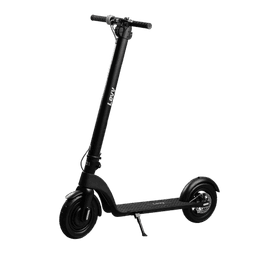
Lightweight Portable Scooters (Limited/No Coverage): Medicare generally does NOT cover lightweight, foldable, or portable travel scooters marketed for convenience and transportation—these don't meet Medicare's "primarily for home use" requirement and are viewed as devices for outdoor mobility or recreation rather than medical necessity for home activities. Excluded scooters include: lightweight travel scooters under 100 lbs that disassemble for car transport; foldable scooters designed for portability; scooters marketed primarily for outdoor use, shopping, or recreational riding; consumer-grade scooters from retailers rather than medical equipment suppliers. Some lightweight scooters may qualify if they meet Medicare specifications and have appropriate HCPCS billing codes, but this is exception rather than rule. If you want a lightweight portable scooter for outdoor activities, shopping, or travel, expect to purchase privately without Medicare coverage—these typically cost $800-2,500 depending on features. Medicare's covered heavy-duty scooters serve the medical home mobility function but lack the portability and convenience of consumer travel scooters.
Accessories and Features: Medicare covers medically necessary accessories required for safe operation: heavy-duty batteries if standard batteries insufficient; customized seating if required for proper postural support; specialized controls if standard tiller operation isn't possible; oxygen holder if you require supplemental oxygen; and other features your physician documents as medically necessary. Optional accessories like baskets, lights, cup holders, weather covers, or upgraded upholstery are generally not covered—considered convenience features rather than medical necessities.
Medicare-Approved Supplier Requirements
You must obtain your scooter from specific Medicare-enrolled suppliers—using non-approved suppliers results in zero coverage:
Supplier Enrollment and Standards: Only DME suppliers enrolled in Medicare can provide covered equipment—Medicare maintains quality standards for enrolled suppliers ensuring reliable equipment and proper service. Suppliers must: be enrolled in Medicare with active billing privileges; meet state licensing requirements for DME providers; be accredited by Medicare-approved accrediting organizations; maintain quality standards for equipment selection, maintenance, and customer service; accept assignment (agree to accept Medicare-approved amounts as full payment, not billing you for amounts above approval). Finding approved suppliers: use Medicare's Supplier Directory at Medicare.gov, ask your physician for recommendations to Medicare-enrolled suppliers in your area, or contact Medicare directly at 1-800-MEDICARE for supplier lists. Verify supplier enrollment before beginning the approval process—working with non-enrolled suppliers wastes time and results in denied claims.
Supplier Responsibilities in Process: Your DME supplier plays a critical role beyond simply selling equipment—they coordinate the approval process: obtaining the seven-element written order from your physician within 45 days of face-to-face examination; obtaining the completed Certificate of Medical Necessity; submitting prior authorization requests if required for your scooter model; conducting or arranging home assessments to verify accommodation; submitting claims to Medicare for payment; and delivering and setting up the scooter at your home including operational training. Good suppliers guide you through the process, communicate with your physician's office to ensure proper documentation, and follow up on prior authorization requests—choose suppliers with strong reviews and experience with Medicare approvals rather than simply lowest cost.
Competitive Bidding Program Areas: Medicare operates competitive bidding programs in many metropolitan areas where only contract suppliers can provide certain DME items including mobility scooters. In competitive bidding areas, you must use a contract supplier from the Medicare-approved list for your region—using non-contract suppliers results in zero coverage even if they're Medicare-enrolled. Competitive bidding aims to reduce costs—contract suppliers agree to accept lower Medicare-approved amounts in exchange for being on the approved supplier list. Check if you live in a competitive bidding area at Medicare.gov—affects supplier selection significantly in major cities.
Common Denial Reasons and How to Avoid Them
Understanding frequent denial causes enables you to prepare stronger applications:
Insufficient Documentation of Home Mobility Need: Most common denial reason (30-40% of denials): insufficient evidence that mobility limitations significantly affect activities in your home specifically, not just outdoor mobility difficulties. Medicare denies claims when documentation emphasizes outdoor mobility challenges ("can't walk to mailbox," "difficulty with shopping trips," "wants to visit friends") rather than home activities ("cannot reach bathroom in time," "unable to move from bedroom to kitchen for meals," "cannot access shower safely"). Solution: Ensure your physician's CMN and face-to-face documentation explicitly describes which home activities you cannot perform, specific rooms you cannot access, and why canes/walkers are insufficient for functioning within your home. Document falls or near-falls occurring in your home due to mobility limitations—demonstrates safety necessity.
Missing or Incomplete Face-to-Face Documentation: Medicare denies claims when face-to-face examination documentation is missing from medical records, occurred more than 6 months before the written order, lacks specific details about mobility assessment, or doesn't clearly connect to the mobility limitation. Solution: Schedule face-to-face examination specifically for mobility assessment rather than general checkup; ask your physician to document mobility testing in detail including observation of your walking ability with walker/cane, specific daily activities you cannot perform, and determination that scooter is minimum necessary equipment; ensure examination occurs within 6 months of written order date; request copy of examination notes to verify adequate documentation before supplier submits prior authorization.
Written Order Errors: Missing any of the seven mandatory elements causes automatic denial—common errors include missing NPI number, unsigned orders, orders lacking face-to-face statement, or orders using generic descriptions rather than specific equipment details. Solution: Review written order carefully before supplier submission ensuring all seven elements are present and legible; compare order to Medicare's seven-element checklist; have supplier verify completeness before prior authorization submission.
Home Cannot Accommodate Scooter: Medicare denies coverage if home assessment reveals doorways too narrow, excessive steps, or layout preventing scooter use in essential rooms—approving scooter that cannot function in your home doesn't meet medical necessity. Solution: Have realistic home assessment before applying; measure doorways (need 28+ inches), hallway widths (36+ inches ideal), and bathroom accessibility; if home has access limitations, consider addressing them (widening doorways, installing ramps) before applying or discuss three-wheel scooters with tighter turning radius; if home fundamentally cannot accommodate scooters, consider power wheelchair alternatives or manual wheelchairs instead.
Qualification for Manual Wheelchair Instead: Medicare denies scooter coverage if you can use a manual wheelchair in your home—scooters are approved only when manual wheelchairs are insufficient. This occurs when you have adequate upper body strength to self-propel a manual wheelchair, don't require powered mobility, or could use manual wheelchair with caregiver assistance. Solution: If you cannot self-propel a manual wheelchair due to upper body weakness, arthritis in hands/arms, or inadequate endurance, ensure physician documents this specifically; demonstrate during face-to-face examination that you lack ability to operate manual wheelchair effectively in your home; document that no caregiver is available to push manual wheelchair for all daily activities.
Denial Appeals and Reconsideration
If Medicare denies your scooter claim, you have appeal rights:
Understanding Your Denial: Medicare sends written denial notices explaining specific reasons coverage was denied and which requirements weren't satisfied. Common denial explanations: "Not medically necessary for use in home," "Insufficient documentation of face-to-face examination," "Beneficiary can ambulate with walker," "Home assessment indicates equipment cannot be used." Review denial carefully—identifies exactly what documentation was deficient or which requirement you didn't satisfy.
Appeal Levels and Timeframe: You have 120 days from denial notice date to file first-level appeal (redetermination) with the MAC that processed your claim. Submit additional documentation addressing specific denial reasons: supplemental physician statements clarifying home mobility limitations; updated medical records showing condition progression; corrected written orders if original had errors; home modification documentation if accessibility was the issue. Medicare must decide redetermination appeals within 60 days—approval rates for appeals with new documentation are 30-50% depending on denial reason. If redetermination appeal is denied, you can proceed to second-level reconsideration by a Qualified Independent Contractor (QIC), then to Administrative Law Judge hearing if amounts in controversy exceed thresholds, and ultimately to federal court—though most beneficiaries resolve issues at first or second appeal level.
Conclusion
Medicare Part B coverage for mobility scooters in 2024-2025, while providing substantial financial assistance through 80% cost coverage after the $257 annual deductible with beneficiaries paying only 20% coinsurance (typically $300-500 out-of-pocket for $1,500-2,000 approved scooters versus $1,500-2,500 full private purchase costs), requires navigation of complex eligibility criteria, extensive documentation standards, and approval processes that demand careful preparation and understanding to successfully obtain coverage. The fundamental eligibility framework centers on proving medical necessity for home mobility specifically—demonstrating that your condition prevents performing mobility-related activities of daily living (MRADLs) like toileting, bathing, dressing, feeding, and grooming within your home even with assistance from canes, walkers, crutches, or caregivers, establishing that powered mobility represents the minimum equipment necessary for home functioning rather than convenience or outdoor transportation, and showing adequate physical and cognitive capability to safely operate scooter controls and maintain seated posture without creating safety hazards.
The mandatory documentation process requires completion of face-to-face examinations with Medicare-enrolled physicians within 6 months of written orders specifically assessing mobility limitations and equipment needs, seven-element written prescriptions containing all required components including physician NPI and face-to-face encounter confirmation received by suppliers within 45 days of examination, properly completed Certificates of Medical Necessity (Form CMS-849) documenting diagnosis codes and home activity limitations, home assessments verifying doorway widths, hallway access, and bathroom accommodation, and prior authorization submissions reviewed under improved 2025 timelines with maximum 7-day approvals for standard requests and 2-day expedited approvals—totaling 2-6 week processes when documentation is complete but extending significantly when paperwork contains errors or omissions. Medicare covers only six categories of heavy-duty non-portable scooters weighing 100+ pounds and designed for medical home use, explicitly excluding lightweight portable travel scooters under 100 lbs marketed for outdoor convenience and transportation that don't satisfy "primarily for home use" requirements, with coverage requiring purchase or rental from Medicare-enrolled DME suppliers meeting quality and accreditation standards and in competitive bidding areas, requiring use of specific contract suppliers from approved regional lists.
Common denial causes including insufficient documentation of home-specific mobility limitations versus outdoor difficulties (30-40% of denials), missing or inadequate face-to-face examination documentation, written order errors omitting required elements, home accommodation failures where doorways or layouts prevent scooter navigation, and determinations that beneficiaries can use manual wheelchairs instead of powered scooters can largely be avoided through careful preparation ensuring physician documentation explicitly describes home activities you cannot perform, scheduling examinations specifically for mobility assessment with detailed documentation of walking ability testing and daily activity limitations, verifying written orders contain all seven mandatory elements before submission, conducting realistic home measurements and addressing access barriers before applying, and clearly documenting inability to self-propel manual wheelchairs due to upper body limitations. While denied claims can be appealed through redetermination processes with 30-50% success rates when supplemental documentation addresses specific deficiencies, proactive prevention of documentation errors through thorough preparation, clear physician communication about Medicare's home-use focus and MRADL requirements, verification of all paperwork completeness, and realistic assessment of home accommodation before application submission provides the most efficient path to approval, enabling Medicare beneficiaries to successfully obtain the 80% coverage support that makes mobility scooters financially accessible and restores independence for home activities that would otherwise be impossible with standard walking aids.