
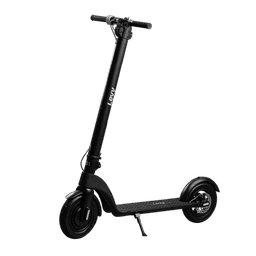





Unleashing the Speed of the Viro Electric Scooter
Discover the top speed capabilities of Viro electric scooters, factors that may affect performance, and the popular models available for a thrilling and eco-friendly ride.
Viro electric scooters have become increasingly popular among families with children and teenagers due to their sleek design, portability, safety features, and eco-friendly nature. Whether you're considering purchasing your first Viro scooter or looking to maximize the performance of your current model, understanding the speed capabilities, performance characteristics, and optimization strategies is essential for making an informed decision and getting the best riding experience possible.
How Fast Does the Viro Electric Scooter Go?
One of the most common questions when considering a Viro electric scooter is - how fast does it go? The answer depends on the specific model you choose, as Viro offers different electric scooters designed for various age groups and skill levels. The speed range across Viro's lineup varies from 10 mph to 14.4 mph, with each model carefully engineered to provide safe, enjoyable performance for its intended rider demographic.
The fastest Viro model, the VR 550E Plus, can reach speeds up to 14.4 miles per hour (23.2 kilometers per hour). This speed provides an exhilarating yet safe riding experience for older, more experienced riders while remaining appropriate for neighborhood streets, bike paths, and urban environments. For context, this top speed is comparable to a brisk jogging pace and significantly slower than adult-oriented electric scooters, which often reach 15-20 mph or higher.
Viro Electric Scooter Models and Speed Specifications
Viro offers several distinct models, each with unique features and performance characteristics tailored to different riders. Understanding the differences between these models helps you choose the right scooter for your specific needs:
Viro Rides VR 550E Electric Scooter
The VR 550E represents Viro's standard performance model and remains one of their most popular options for kids and early teens. This model features:
- Top Speed: Up to 10 miles per hour (16 kilometers per hour)
- Motor: 100-Watt DC motor with emission-free chain drive
- Battery: 12V 7Ah rechargeable SLA (Sealed Lead Acid) battery
- Range: Approximately 6-mile range per charge
- Run Time: Average of 40 minutes of continuous riding
- Charging Time: 12 hours for a full charge
- Weight Capacity: Maximum rider weight up to 120 pounds (54 kilograms)
- Age Recommendation: Suitable for kids ages 8-13 years
- Safety Features: Hand brakes for safety and control, high visibility LED running lights
- Control System: Easy-to-use thumb-control throttle
The VR 550E delivers best performance on flat neighborhood streets and sidewalks. While the 100-watt motor provides adequate power for level terrain, riders should expect limited capability when encountering large hills or steep inclines. The scooter's modest power output is intentionally designed to prioritize safety for younger riders while still providing an exciting riding experience.
Viro Rides VR 550E Plus Electric Scooter
The VR 550E Plus represents Viro's advanced performance model, offering significantly higher speeds for more experienced riders:
- Top Speed: Up to 14.4 miles per hour (23.2 kilometers per hour)
- Performance: Enhanced motor and battery system for improved acceleration and speed
- Ideal For: Older children, teenagers, and riders with previous scooter experience
- Weight Capacity: Maximum rider weight up to 120 pounds (54 kilograms)
The 44% speed increase over the standard VR 550E (from 10 mph to 14.4 mph) provides a noticeably more thrilling ride while maintaining appropriate safety margins for the target age group. This model works best for riders who have mastered basic scooter operation and are ready for enhanced performance.
Viro Rides Vega 2-in-1 Transforming Electric Scooter
The Vega stands out as Viro's most versatile offering, featuring a unique transforming design that converts between scooter and mini bike configurations:
- Top Speed: Up to 10 miles per hour (16 kilometers per hour)
- Motor: Powerful 250W motor
- Battery: Lithium-ion battery (more advanced than SLA)
- Range: Up to 10 miles on a single charge
- Charging Time: Approximately 4-6 hours to fully charge
- Weight Capacity: Maximum rider weight of 120 pounds (54 kilograms)
- Age Recommendation: Suitable for riders aged 8 and above
- Unique Feature: Transforms between standing scooter and seated mini bike modes
The Vega's lithium-ion battery offers several advantages over traditional SLA batteries, including lighter weight, faster charging times (4-6 hours versus 12 hours), and superior range (10 miles versus 6 miles). The 250W motor provides 2.5 times the power output of the standard VR 550E, though the speed remains capped at 10 mph for safety reasons. This higher wattage translates to better hill-climbing ability and more consistent performance across varying terrain conditions.
Viro Speed in Context: How It Compares
Understanding how Viro scooter speeds compare to other reference points helps set appropriate expectations:
- Walking pace: Average walking speed is 3-4 mph - all Viro models are significantly faster
- Jogging pace: Light jogging averages 5-6 mph - Viro scooters are approximately twice as fast
- Running pace: Average running speed is 8-10 mph - comparable to standard Viro models
- Fast running: Experienced runners reach 12-15 mph - similar to the VR 550E Plus at full speed
- Bicycle speeds: Casual cycling averages 10-12 mph - directly comparable to Viro scooters
- Adult electric scooters: Typically range from 15-30+ mph - significantly faster than youth-oriented Viro models
This speed positioning makes Viro scooters ideal for their intended purpose: providing exciting, independent mobility for children and young teenagers while maintaining speeds that parents can feel comfortable with from a safety perspective.
Critical Factors That Affect Your Viro Scooter's Speed
While manufacturer specifications provide maximum speed ratings, real-world performance varies significantly based on multiple factors. Understanding these variables helps you optimize performance and set realistic expectations:
Rider Weight Impact
Rider weight represents the single most significant factor affecting electric scooter speed and performance. Heavier riders cause the motor and battery to work considerably harder, resulting in:
- Reduced top speed: Riders approaching the 120-pound weight limit may experience speeds 10-20% below maximum specifications
- Slower acceleration: Heavier loads require more time to reach top speed
- Decreased range: Additional weight drains the battery faster, reducing total distance per charge
- Reduced hill-climbing ability: Steep inclines become more challenging or impossible with heavier riders
Conversely, lighter riders consistently achieve better performance across all metrics. A 60-pound rider will typically reach higher speeds and enjoy longer ride times compared to a 110-pound rider on the same scooter model. This explains why some users report experiences that differ from manufacturer specifications - weight plays a crucial role in actual performance.
Terrain Conditions
The surface you ride on dramatically impacts speed capabilities:
- Smooth, flat pavement: Ideal conditions where scooters achieve maximum rated speeds
- Slight inclines (1-5% grade): Minor speed reduction of 10-15%
- Moderate hills (5-10% grade): Significant speed reduction of 30-50%, particularly with the 100W VR 550E model
- Steep inclines (10%+ grade): May not be traversable, especially with heavier riders or the standard VR 550E
- Rough surfaces: Cracked pavement, gravel, or grass create additional resistance, reducing speed by 20-40%
- Uneven terrain: Requires slower speeds for safety and control, regardless of motor capability
The VR 550E's 100-watt motor provides limited power for hill climbing, with best performance reserved for flat neighborhood streets and sidewalks. The Vega's 250-watt motor offers substantially better hill-climbing performance, though steep inclines will still challenge any Viro model.
Battery Charge Level
Battery charge state directly correlates with performance capabilities:
- 100% charge (fully charged): Maximum speed, acceleration, and power delivery
- 80-50% charge: Slight performance reduction of 5-10%, generally not noticeable to riders
- 50-20% charge: Moderate performance reduction of 10-20%, with noticeably slower acceleration and reduced top speed
- Below 20% charge: Significant performance degradation of 20-30% or more, with substantially reduced speeds and power
- Critical battery level: Scooter may enter a protective low-power mode or shut down entirely
This voltage drop phenomenon affects all electric vehicles. As the battery discharges, the voltage it supplies decreases, resulting in less power delivered to the motor. Planning rides to maintain battery levels above 20% ensures more consistent performance throughout your riding session.
Temperature and Weather Effects
Environmental conditions significantly impact electric scooter performance:
- Optimal temperature range (60-80°F / 15-27°C): Best performance and battery efficiency
- Cold weather (below 50°F / 10°C): Battery capacity can decrease by 10-30%, reducing both speed and range
- Extreme cold (below 32°F / 0°C): Battery performance degrades severely, with potential capacity loss of 30-50%
- Hot weather (above 90°F / 32°C): Battery may overheat, triggering protective modes that reduce performance
- Wind resistance: Headwinds can reduce effective speed by 1-3 mph, while tailwinds can provide minor assistance
- Rain and wet conditions: Creates additional rolling resistance and requires reduced speeds for safety
Cold weather particularly affects SLA batteries used in the VR 550E models. The Vega's lithium-ion battery demonstrates superior cold-weather performance compared to SLA technology, though all batteries experience some capacity loss in low temperatures.
Tire Pressure and Maintenance
Proper tire maintenance plays a surprising role in speed performance:
- Properly inflated tires: Minimize rolling resistance, allowing the scooter to achieve maximum speed efficiently
- Under-inflated tires: Significantly increase rolling resistance, reducing speed by 5-15% and draining the battery faster
- Over-inflated tires: Provide less grip and comfort, potentially reducing control and safety
- Worn tires: Decrease efficiency and traction, requiring replacement for optimal performance
Checking tire pressure weekly and maintaining manufacturer-recommended PSI levels represents one of the simplest ways to optimize your Viro scooter's performance without any modifications.
Riding Style and Technique
How you operate the scooter affects both speed and efficiency:
- Smooth acceleration: Gradual throttle application conserves battery and provides better control
- Aggressive acceleration: Rapid throttle movements drain battery faster and provide less stable rides
- Consistent speed: Maintaining steady speeds maximizes efficiency and range
- Frequent stops and starts: Repeatedly accelerating from standstill consumes significantly more power
- Body position: Leaning slightly forward reduces wind resistance and can increase top speed marginally
Maximizing Your Viro Scooter's Performance Within Safe Limits
Rather than attempting risky modifications, you can optimize your Viro scooter's performance through proper maintenance and best practices:
Battery Optimization Strategies
- Full pre-ride charge: Always start with a fully charged battery by plugging the charger into an outlet before riding
- Optimal charge range: For daily use, keep the battery between 20-80% to maximize lifespan
- Avoid complete discharges: Running the battery to 0% repeatedly shortens its overall lifespan
- Store properly: Keep the scooter in temperature-controlled environments when possible
- Regular charging: Even when not in use, charge the battery every 2-3 weeks to prevent deep discharge
- Follow charging guidelines: VR 550E models require 12 hours for full charge; Vega models need 4-6 hours
Weight Management
- Minimize carried items: Avoid carrying backpacks or additional cargo when possible
- Stay within limits: Ensure total rider weight remains well below the 120-pound maximum capacity
- Single rider only: Never carry passengers or attempt to ride with multiple people
Essential Maintenance Practices
- Weekly tire inspection: Check tire pressure and inflate to recommended PSI
- Keep it clean: Remove dirt and debris that can affect moving parts and increase resistance
- Tighten hardware: Periodically check and tighten all bolts, screws, and connections
- Brake inspection: Ensure hand brakes function properly and adjust as needed
- Chain lubrication: The VR 550E's chain drive motor requires occasional lubrication for smooth operation
- LED light check: Verify running lights work properly for visibility and safety
Choosing Optimal Riding Conditions
- Select flat routes: Plan paths that minimize steep hills, especially with the 100W VR 550E
- Use smooth surfaces: Stick to paved sidewalks and streets rather than rough terrain
- Ride in good weather: Avoid extreme temperatures when possible for best battery performance
- Time your rides: Ride when temperatures are moderate (60-80°F) for optimal performance
Important Warning: Speed Modifications and Safety Concerns
Some riders consider modifying their Viro scooters to achieve higher speeds. However, this approach involves serious risks and consequences that every potential modifier must understand:
Why Speed Modifications Are Extremely Risky
- Voided warranty: Any modifications immediately and permanently void all manufacturer warranties
- Safety engineering violated: Viro engineers carefully designed each model's speed limits based on frame strength, brake capacity, and stability testing
- Inadequate braking: The hand brakes are calibrated for 10-14.4 mph speeds; higher speeds dramatically increase stopping distances
- Structural limitations: The frame and components are not tested or rated for speeds beyond specifications
- Battery hazards: Overloading the electrical system can cause overheating or battery fires
- Loss of control: Higher speeds on scooters designed for children significantly increase accident risk
Legal and Regulatory Considerations
- Age-appropriate design: Viro scooters are specifically designed for children ages 8-13, with speed limits appropriate for this demographic
- Local regulations: Many jurisdictions have specific speed limits for electric scooters, often 15-20 mph maximum
- Liability issues: Accidents involving modified scooters may result in personal liability and insurance denial
- Product safety standards: Modifications may violate consumer product safety regulations
Understanding the Stakes: Injury Risk at Higher Speeds
Electric scooter injuries increase exponentially with speed. According to research on electric scooter safety, the severity of injuries rises dramatically above 15 mph. Falls at 10 mph typically result in minor scrapes and bruises, while falls at 20+ mph can cause serious fractures, head trauma, and life-threatening injuries - even when wearing protective gear.
Given that Viro scooters are designed for children and young teenagers, the risks of increased speed become even more significant. Younger riders have less experience judging speed and distance, slower reaction times compared to adults, and bodies that are still developing and more vulnerable to serious injury.
Better Alternatives: When Viro Speeds Aren't Enough
If your rider has outgrown their Viro scooter's speed capabilities, consider these safer alternatives rather than attempting modifications:
Upgrade Within the Viro Lineup
If you currently own the standard VR 550E (10 mph), upgrading to the VR 550E Plus (14.4 mph) provides a 44% speed increase through manufacturer-tested, safe engineering. This upgrade path offers significantly better performance without any safety compromises or warranty concerns.
Transition to Teen-Oriented Scooters
For riders who have mastered their Viro scooter and are ready for more advanced performance, several manufacturers offer scooters specifically designed for older teens with higher speed capabilities:
- Segway Ninebot E series: Speeds of 15-18 mph with enhanced safety features
- Razor E300 series: Up to 15 mph with larger decks and better stability
- Xiaomi Mi Electric Scooter: 15.5 mph with smartphone app integration
- Gotrax GXL V2: 15.5 mph with longer range and better build quality
These models feature enhanced braking systems, stronger frames, larger wheels for better stability, higher weight capacities, and longer ranges - all engineered specifically for higher-speed operation.
Wait for Physical and Mental Maturity
Sometimes the best approach is patience. As your rider grows older, gains more experience, and develops better judgment and reaction times, they'll be ready for higher-performance scooters. The skills learned on a Viro scooter provide an excellent foundation for eventually graduating to faster models when developmentally appropriate.
Essential Safety Gear for Viro Scooter Riders
Regardless of your Viro model or speed, proper safety equipment is non-negotiable:
- Helmet: CPSC-certified bicycle helmet that fits properly (required by law in many areas)
- Knee pads: Protect against common fall injuries
- Elbow pads: Reduce injury risk during falls
- Wrist guards: Prevent wrist fractures, one of the most common scooter injuries
- Closed-toe shoes: Never ride in sandals or barefoot
- Bright clothing: Enhances visibility to drivers and pedestrians
The LED running lights included on Viro scooters improve visibility, but should never replace proper reflective clothing when riding in low-light conditions. Always supervise younger riders and ensure they understand safe riding practices before allowing independent use.
Understanding UL 2272 Certification
Viro electric scooters carry UL 2272 certification, an important safety designation that many riders and parents may not fully understand. UL 2272 is a comprehensive safety standard specifically developed for electric scooters and self-balancing devices following concerns about battery fires and electrical hazards.
This certification verifies that the scooter's battery management system prevents overcharging and overcurrent conditions, the electrical components meet rigorous safety standards, the battery charging system operates safely, and the overall design minimizes fire and electrical hazard risks.
UL 2272 certification provides peace of mind that the scooter has undergone extensive third-party safety testing. This becomes especially important when considering modifications - any changes to the electrical system, battery, or motor effectively invalidate this safety certification and introduce untested risks.
Speed-Related Features That Enhance the Viro Experience
Viro incorporates several design features that work together with the speed capabilities to create a safe, enjoyable riding experience:
Thumb-Control Throttle System
The easy-to-use thumb throttle on Viro scooters provides intuitive speed control, allowing riders to gradually increase speed rather than sudden acceleration. This design helps younger riders develop smooth acceleration habits and maintain better control throughout their ride.
Hand Brake System
The hand-operated braking system is specifically calibrated for the scooter's maximum speed. On the VR 550E (10 mph), the brakes provide adequate stopping power for emergency situations. On the VR 550E Plus (14.4 mph), the brake system is engineered to handle the higher speeds safely. This is another reason why speed modifications are dangerous - the stock brakes may not provide sufficient stopping power at speeds beyond design specifications.
High-Visibility LED Running Lights
The LED lights serve a dual purpose: they help riders see where they're going and, more importantly, make riders visible to others. At speeds of 10-14.4 mph, riders cover ground quickly - 10 mph equals approximately 15 feet per second. The LED lights give drivers and pedestrians crucial extra seconds to react and avoid collisions.
Setting Realistic Speed Expectations
Understanding what to expect from your Viro scooter helps prevent disappointment and ensures you choose the right model:
For the Standard VR 550E (10 mph):
- Best for: Beginners, younger riders (ages 8-10), neighborhood cruising
- Realistic speed: 8-10 mph on flat terrain with lighter riders
- Hill performance: Limited; avoid steep inclines
- Ride duration: 30-40 minutes of continuous riding
- Distance per charge: 5-6 miles under optimal conditions
For the VR 550E Plus (14.4 mph):
- Best for: Experienced riders, older kids (ages 10-13), those wanting more speed
- Realistic speed: 12-14.4 mph on flat terrain with appropriate rider weight
- Hill performance: Better than standard model but still limited on steep grades
- Ride duration: Varies based on speed - faster riding drains battery more quickly
For the Vega 2-in-1 (10 mph):
- Best for: Riders wanting versatility (scooter and bike modes)
- Realistic speed: 8-10 mph in both configurations
- Hill performance: Superior to VR 550E due to 250W motor
- Ride duration: Longer range thanks to lithium-ion battery
- Distance per charge: 8-10 miles under optimal conditions
Common Speed-Related Questions Answered
Q: Why does my Viro scooter seem slower than advertised?
A: Several factors likely contribute: rider weight approaching the 120-pound limit, low battery charge (below 50%), riding on inclines or rough surfaces, cold weather reducing battery efficiency, or under-inflated tires. Verify these factors before assuming a mechanical issue.
Q: Can I make my Viro scooter go faster without modifications?
A: Yes, through optimization: ensure full battery charge before riding, maintain proper tire pressure, minimize carried weight, choose flat, smooth riding surfaces, and ride in moderate temperatures (60-80°F). These steps help achieve maximum factory-rated speeds.
Q: How does Viro speed compare to other kid-oriented electric scooters?
A: Viro's 10-14.4 mph range is typical for youth-oriented electric scooters. Comparable models include Razor E200 (12 mph), Razor E300 (15 mph), and Segway Ninebot E8 (13.7 mph). Viro's speeds fall squarely within industry standards for this category.
Q: Will my Viro scooter get faster as I break it in?
A: No. Unlike gasoline engines, electric motors don't require break-in periods and won't get faster with use. If your scooter seems to improve over the first few rides, it's likely due to you becoming more familiar with optimal riding techniques rather than mechanical changes.
Q: Does the Vega's transformation feature affect its speed?
A: No. The Vega maintains its 10 mph top speed in both scooter and mini bike configurations. The transformation changes the riding position and comfort but doesn't impact the motor or speed capabilities.
Conclusion: Choosing the Right Viro Speed for Your Needs
Viro electric scooters offer carefully engineered speed capabilities designed specifically for safe, enjoyable riding experiences for children and young teenagers. With speeds ranging from 10 mph (VR 550E and Vega) to 14.4 mph (VR 550E Plus), these scooters provide exciting performance within appropriate safety parameters for their intended age groups.
When selecting a Viro model, consider your rider's age, experience level, weight, typical riding terrain, and comfort with speed. Younger or less experienced riders should start with the standard 10 mph models (VR 550E or Vega), while older, more experienced riders who have mastered basic scooter skills may be ready for the enhanced performance of the VR 550E Plus.
Remember that numerous factors affect real-world speed performance, including rider weight, terrain conditions, battery charge level, temperature, and tire pressure. By understanding and optimizing these variables, you can ensure your Viro scooter delivers its best possible performance without risky modifications.
Most importantly, speed should never come at the expense of safety. Viro's engineering team established these speed limits based on extensive testing of the scooter's braking capacity, frame strength, and overall stability. Respecting these limits and always wearing appropriate protective gear ensures your Viro scooter provides years of safe, exciting riding enjoyment.
Whether you choose the standard 10 mph models for reliable neighborhood cruising or opt for the 14.4 mph VR 550E Plus for a more exhilarating experience, Viro electric scooters deliver quality performance, robust safety features, and the perfect introduction to electric mobility for younger riders. Always prioritize safety, follow local regulations, maintain your scooter properly, and enjoy the ride within the carefully designed performance envelope that makes Viro scooters a trusted choice for families nationwide.