





Electric scooter comparison
Compare the Fluid Freeride CityRider and the UScooters GT Sport
Review the specs, pricing, and rider-focused details for the Fluid Freeride CityRider versus the UScooters GT Sport. Every matchup is sourced from Levy's internal database so you can make a confident choice.
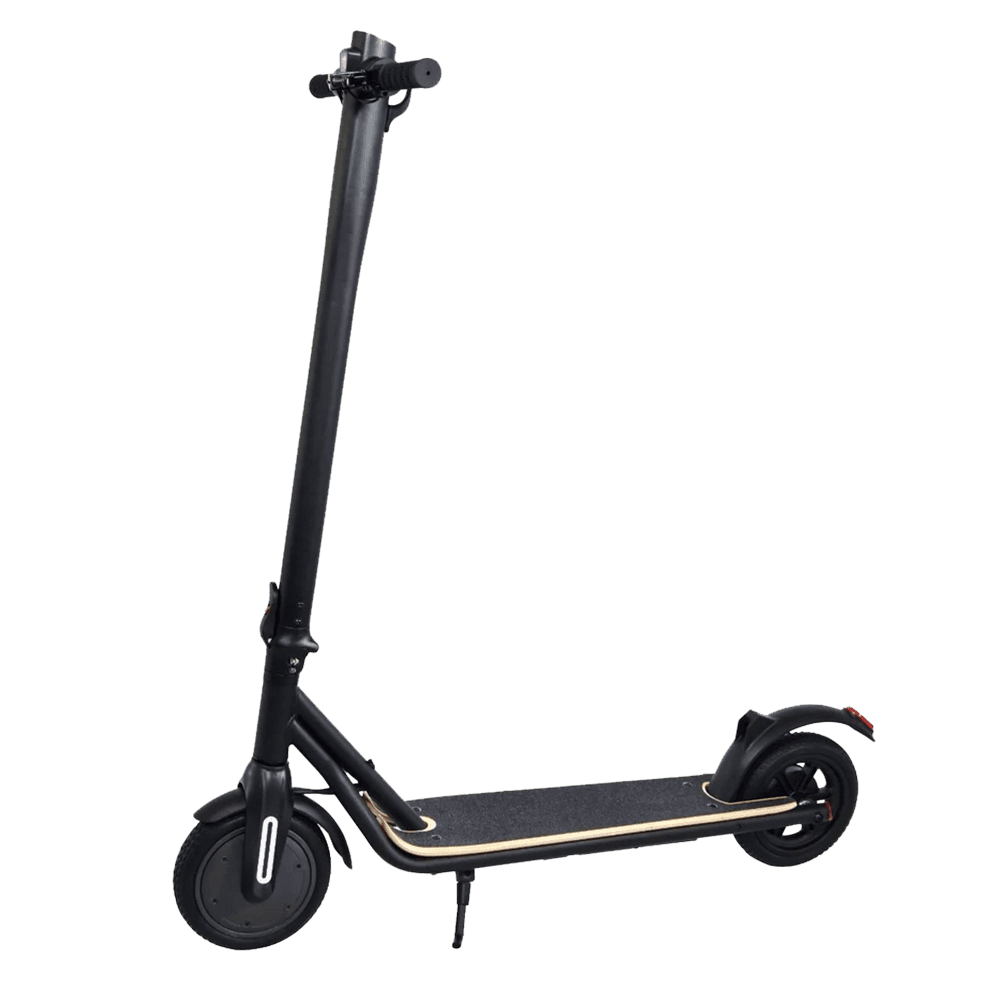
Scooter A
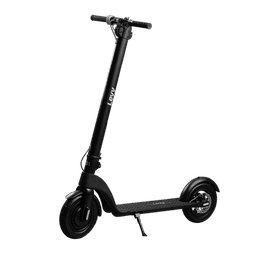
Fluid Freeride CityRider
Range 13.1 mi • Top speed 16.8 mph
$499
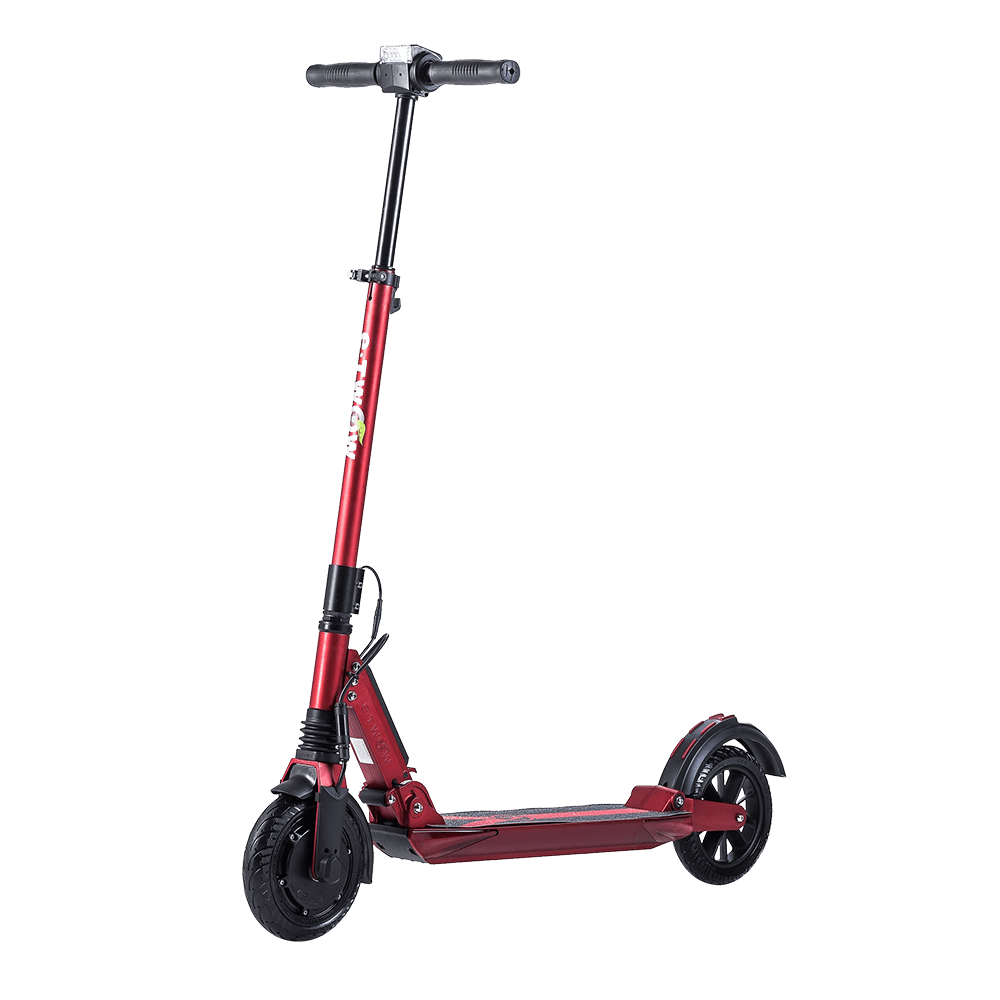
Scooter B
UScooters GT Sport
Range 13.8 mi • Top speed 30 mph
$1,099
Specification breakdown
| Spec | Fluid Freeride CityRider | UScooters GT Sport |
|---|---|---|
| Range (mi) | 13.1 mi | 13.8 mi |
| Top speed (mph) | 16.8 mph | 30 mph |
| Weight (lbs) | 32 lbs | 29.3 lbs |
| Motor power (W) | 350 W | 700 W |
| Battery capacity (Wh) | 360 Wh | 504 Wh |
| Brakes | Drum | Drum |
| Tires | Solid | Solid |
| Waterproof rating | None | IPX5 |
| Suspension | None | Dual Spring |
| Price (USD) | $499 | $1,099 |
CityRider vs. UScooters GT Sport: A Detailed Comparison
Electric scooters have become popular alternatives for short distance commuting. If you're trying to decide between the Fluid Freeride CityRider and the Uscoters GT Sport, you're bound to notice some differences. The CityRider boasts a dual suspension system for a smoother ride on bumpy roads. With an 18.6 mph maximum speed, it is slightly slower than the GT Sport, which maxes out at 25 mph. The CityRider has a range of 10-12 miles, while the GT Sport impresses with its 30-mile range. This shows a significant disparity in battery capacity, favoring the GT Sport. Both models are foldable, however the UScooters model is considerably lighter, making it more portable. The CityRider has integrated turn signals within the grips, favoring safety. The GT Sport, though lacking in this feature, beats the CityRider with its dual charging option, offering faster battery recharging. Each scooter has its strengths, and the deciding factor depends on your requirements.
Keep researching with Levy
Browse thousands more matchups or reach out to our team for personalized scooter advice.