





Electric scooter comparison
Compare the Fluid Freeride CityRider and the Zero 10
Review the specs, pricing, and rider-focused details for the Fluid Freeride CityRider versus the Zero 10. Every matchup is sourced from Levy's internal database so you can make a confident choice.
Scooter A
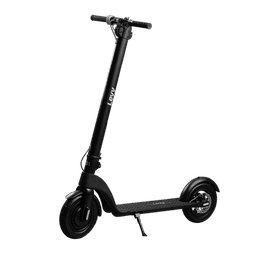
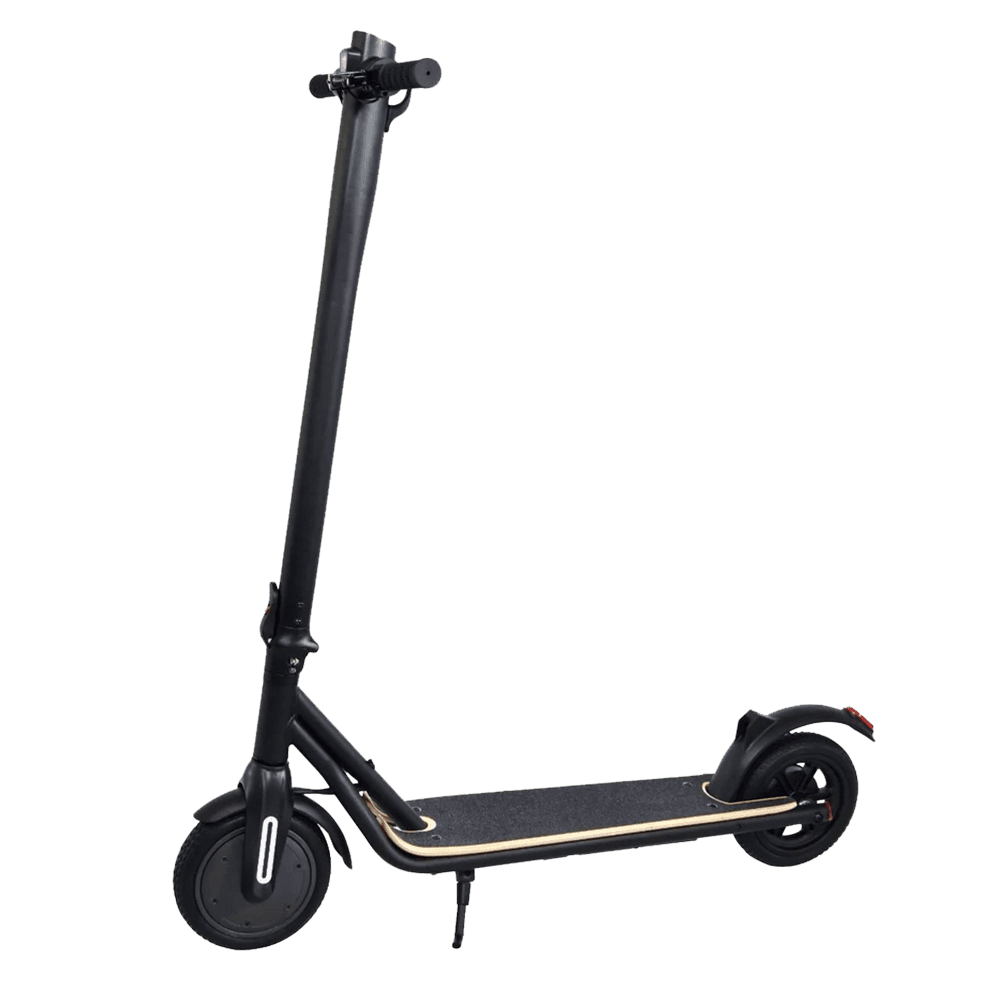
Fluid Freeride CityRider
Range 13.1 mi • Top speed 16.8 mph
$499
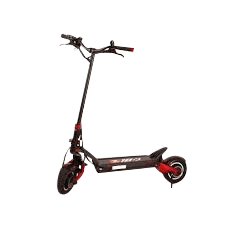
Scooter B
Zero 10
Range 22.1 mi • Top speed 32 mph
$1,399
Specification breakdown
| Spec | Fluid Freeride CityRider | Zero 10 |
|---|---|---|
| Range (mi) | 13.1 mi | 22.1 mi |
| Top speed (mph) | 16.8 mph | 32 mph |
| Weight (lbs) | 32 lbs | 56.7 lbs |
| Motor power (W) | 350 W | 1,000 W |
| Battery capacity (Wh) | 360 Wh | 936 Wh |
| Brakes | Drum | Disc |
| Tires | Solid | Pneumatic |
| Waterproof rating | None | None |
| Suspension | None | Dual Spring |
| Price (USD) | $499 | $1,399 |
Comparative Review: Fluid Freeride CityRider VS Zero 10 Electric Scooters
Electric scooters have become one of the most popular alternatives for urban mobility. Two prominent models on the market are the Fluid Freeride CityRider and the Zero 10. While both are excellent choices, there are some significant differences between them.
The CityRider, produced by Fluid Freeride, boasts a lightweight, convenient design ideal for city commuting. Its top speed is 18 MPH and it has a range of 10-12 miles (depending on terrain and rider's weight). Its 300W motor and 5.2 Ah battery reflect its focus on quick trips around town. Additionally, the CityRider is equipped with dual drum brakes for reliable stopping, and LED lights for safety.
On the other hand, the Zero 10, created by Titan, presents more robust capabilities. Its top speed reaches 30 MPH with a range of 35 miles, backed by an 1000W motor and 18 Ah battery. This scooter is designed for longer, faster rides, but its weight and size make it less portable than the CityRider. The Zero 10 features disc brakes and also comes with an LED lighting system.
In terms of suspension, the CityRider relies on its 8.5 air-filled tires for ride comfort, whereas the Zero 10 has a dual spring suspension system, offering a smoother ride on rougher terrains.
Lastly, the price can also play a decisive factor. The CityRider is a more affordable option, perfect for those seeking a comfortable and light commute. On the other hand, Zero 10, with its enhanced performance, justifies its higher price for individuals who value speed, power, and a longer range.
In conclusion, each of these electric scooters caters to different needs - the CityRider is ideal for shorter daily commutes and easy carrying, while the Zero 10 is suitable for longer distances and tougher surfaces.
Keep researching with Levy
Browse thousands more matchups or reach out to our team for personalized scooter advice.