





Electric scooter comparison
Compare the Fluid Freeride CityRider and the Zero 8
Review the specs, pricing, and rider-focused details for the Fluid Freeride CityRider versus the Zero 8. Every matchup is sourced from Levy's internal database so you can make a confident choice.
Scooter A
Fluid Freeride CityRider
Range 13.1 mi • Top speed 16.8 mph
$499
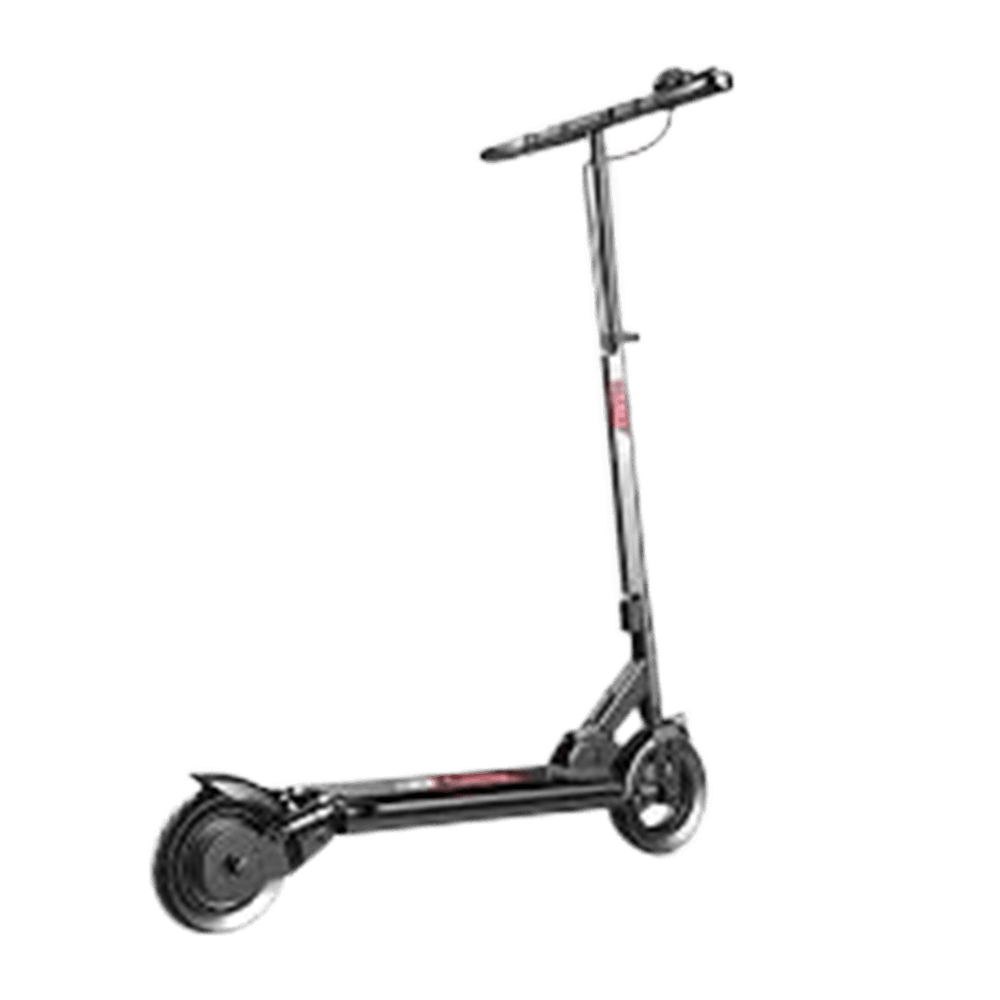
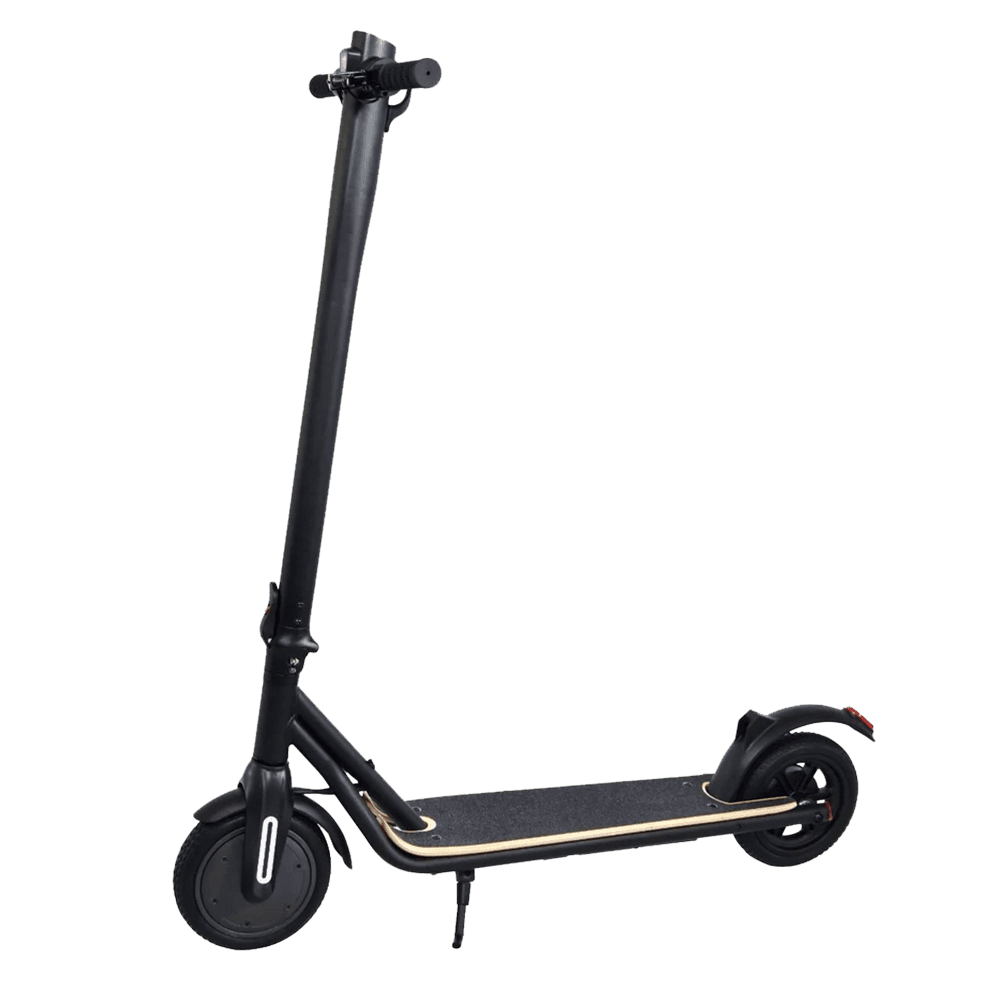
Scooter B
Zero 8
Range 22.3 mi • Top speed 23.1 mph
$799
Specification breakdown
| Spec | Fluid Freeride CityRider | Zero 8 |
|---|---|---|
| Range (mi) | 13.1 mi | 22.3 mi |
| Top speed (mph) | 16.8 mph | 23.1 mph |
| Weight (lbs) | 32 lbs | 39 lbs |
| Motor power (W) | 350 W | 500 W |
| Battery capacity (Wh) | 360 Wh | 624 Wh |
| Brakes | Drum | Drum |
| Tires | Solid | Mixed |
| Waterproof rating | None | None |
| Suspension | None | Dual Spring |
| Price (USD) | $499 | $799 |
Fluid Freeride CityRider vs Zero 8: The Urban Electric Scooter Showdown
In the growing world of electric scooters, two models stand out for urban riding: the Fluid Freeride CityRider and the Zero 8. Both are lauded for their impressive balance of range, speed, and portability, but there are notable differences too.
Starting with the CityRider, the scooter is equipped with a 300W motor, able to reach a top speed of 18-20 mph. Meanwhile, the Zero 8 prides itself with a stronger 500W motor, affording a top speed of up to 28 mph. Although faster, the Zero 8 may compromise on battery life, where the CityRider excels. CityRider's battery lasts for approximately 10-15 miles, dependent on terrain and rider’s weight, which slightly edges out Zero 8's 15 miles under optimum conditions.
Suspension is another area where these models differ. The CityRider adopts a front spring suspension for smooth rides, while the Zero 8 boasts a dual suspension system leading to better absorption of shock and ensuring a bump-free ride, giving it an edge on uneven surfaces.
Size and weight are important for city riders and portability is a strong suit of the Zero 8. Weighing only 40 lbs and featuring a folding mechanism, it's simpler to carry and store than the CityRider, which weighs 42 lbs. Lastly, Zero 8 scores better on hill-climbing capacity, capable of handling gradients up to 15 degrees as opposed to CityRider's 10 degrees.
While both scooters are designed with urban usage in mind, choice primarily depends on user preferences. The Fluid Freeride CityRider seems a better option if longevity and energy efficiency are your top priorities, while the Zero 8 stands out for its speed, portability, and better suspension.
Keep researching with Levy
Browse thousands more matchups or reach out to our team for personalized scooter advice.