
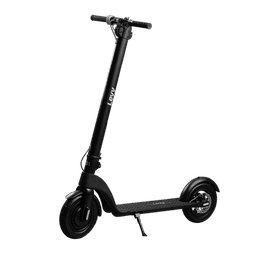





Electric scooter comparison
Compare the Segway Ninebot Max and the Apollo Pro
Review the specs, pricing, and rider-focused details for the Segway Ninebot Max versus the Apollo Pro. Every matchup is sourced from Levy's internal database so you can make a confident choice.
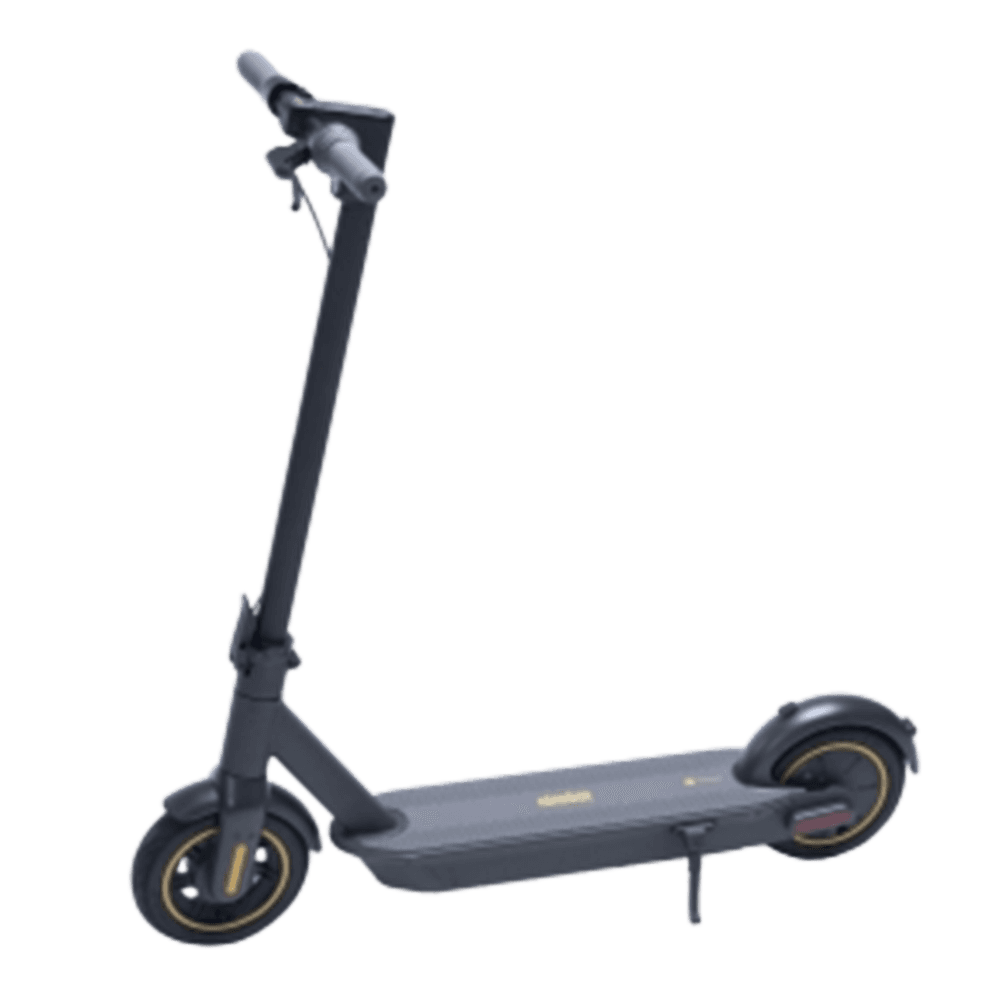
Scooter A
Segway Ninebot Max
Range 21.6 mi • Top speed 18.4 mph
$949
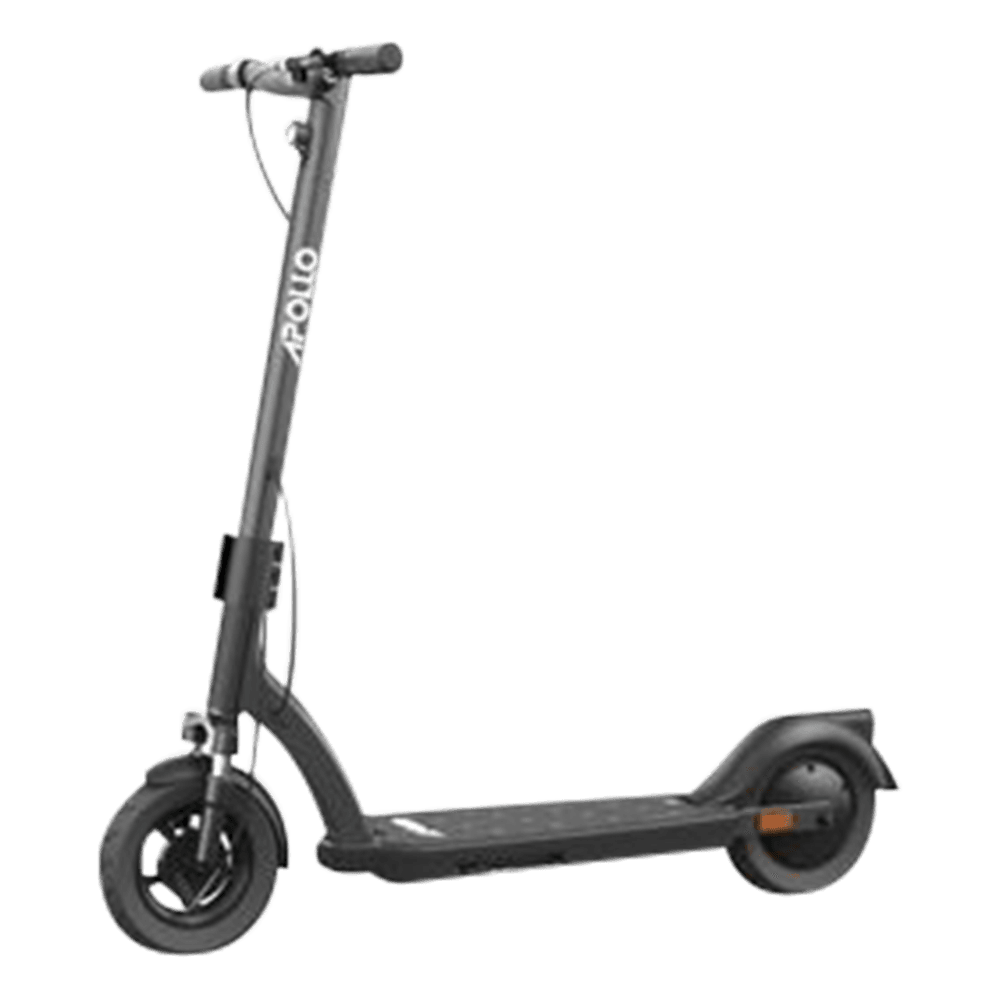
Scooter B
Apollo Pro
Range 37.5 mi • Top speed 36.9 mph
$1,799
Specification breakdown
| Spec | Segway Ninebot Max | Apollo Pro |
|---|---|---|
| Range (mi) | 21.6 mi | 37.5 mi |
| Top speed (mph) | 18.4 mph | 36.9 mph |
| Weight (lbs) | 42.8 lbs | 83.9 lbs |
| Motor power (W) | 350 W | 2,000 W |
| Battery capacity (Wh) | 551 Wh | 1,222 Wh |
| Brakes | Drum | Disc |
| Tires | Pneumatic | Pneumatic |
| Waterproof rating | IPX5 | IP54 |
| Suspension | None | Dual Spring |
| Price (USD) | $949 | $1,799 |
Segway Ninebot Max vs Apollo Pro: A Comprehensive Comparison of Two Top-tier Electric Scooters
When looking for a top-of-the-line electric scooter, two options that frequently top the list are the Segway Ninebot Max and the Apollo Pro. But how do these models stack up against each other? Let's break it down.
Starting with commonalities, both provide large tires for a smoother, safer ride and efficient LED lights for better visibility. Both have comparable maximum ranges of approximately 40-45 miles per full charge, making them ideal for long commutes.
However, there are notable differences. Ninebot Max, with its 350W motor, is outfitted for moderate speeds and inclines, topping out at about 18.6 miles per hour. The Apollo Pro, on the other hand, packs a powerful 1000 W motor, allowing it to reach speeds up to 40 Mph. This additional power also means the Apollo Pro can better navigate steep hills.
Regarding the brakes, the Ninebot Max equips dual brakes with an EABS system delivering a consistent and effectual braking force; and Apollo Pro impresses with its dual disc brake system for a stronger and safer stopping ability.
Comfort is an essential factor while riding and Apollo Pro puts more emphasis on such by providing dual suspensions. Surprisingly, Ninebot Max lacks this feature, offering just rear suspension.
As for portability, the Ninebot Max weighs less(41.2 lbs) compared to the hefty Apollo Pro (77 lbs), making it more suitable for carrying it around when necessary.
In terms of price, the Ninebot Max is more budget-friendly than the Apollo Pro. But if you're searching for speed, power, and enhanced features like dual suspension, then Apollo Pro justifies its higher price tag.
Keep researching with Levy
Browse thousands more matchups or reach out to our team for personalized scooter advice.