
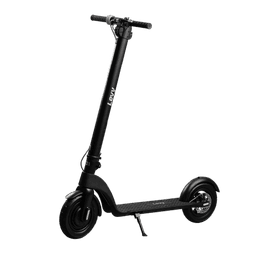





Electric scooters are a convenient and eco-friendly way to get around. They offer a sustainable mode of transport that is both fun and efficient. However, just like any other battery-powered device, electric scooters need proper care – especially when it comes to their batteries. If you're wondering whether it's okay to store your electric scooter (and its battery) for a long time, you're in the right place.
In this comprehensive guide, we'll cover everything from battery types and lifespan to storage best practices, daily care tips, critical safety warnings for 2024-2025, legal compliance requirements, troubleshooting guidance, and answers to common questions about electric scooter batteries.
Understanding Electric Scooter Batteries
Before diving into storage tips, it's important to understand the basics of electric scooter batteries. Most modern electric scooters use lithium-ion batteries, the same type found in smartphones and laptops. Lithium-ion (Li-ion) batteries are popular because they have a high energy density, meaning they can store a lot of energy in a compact size, and they tend to last through many recharge cycles. Some older or budget scooters (and many mobility scooters) might use sealed lead-acid batteries, but these are heavier, bulkier, and generally have shorter lifespans.
Types of Batteries Used in Electric Scooters
Lithium-Ion Batteries
By far the most common in electric kick scooters today. They are lightweight and pack a lot of power for their size. Li-ion batteries also have relatively long cycle life, meaning they can be charged and discharged many times (hundreds of cycles) before noticeable capacity loss. They support faster charging and provide consistent performance. However, they do require care in how you charge and store them to maximize their lifespan.
Lead-Acid Batteries
Mostly found in older scooter models or certain electric bikes and mobility scooters. These batteries are cheaper upfront but very heavy for the amount of energy they hold. They also typically survive fewer charge cycles (often around 200–300 cycles) and may need replacement in under two years. Lead-acid batteries are more sensitive to being stored fully discharged (which can ruin them) and they don't tolerate cold weather well. Due to these limitations, lead-acid batteries are becoming rare in modern electric scooters.
- Must NEVER be exposed to freezing temperatures (causes permanent damage)
- Must be stored FULLY CHARGED rather than at 50%
- Need recharging every 2-3 weeks during storage
- Require a 12-hour initial charge for new scooters
These requirements are OPPOSITE of lithium battery care. Always verify your battery type before following storage advice.
Lithium-Ion Battery Chemistry: LFP vs NMC
Not all lithium-ion batteries are created equal. The two main chemistries dominating the e-scooter market in 2024-2025 are:
NMC (Nickel-Manganese-Cobalt)
Traditional choice for premium scooters
- Energy density: 160-270 Wh/kg (lighter, longer range)
- Thermal runaway temperature: 210°C
- Cycle life: 1,000-3,000 cycles
- Cost: $120-150/kWh
- Best for: Maximum range per kilogram, high-performance models
- Drawback: Cannot be regularly charged to 100% without accelerated degradation
LFP (Lithium Iron Phosphate)
Rapidly becoming the mass-market standard in 2024-2025
- Energy density: 90-160 Wh/kg (heavier for same capacity)
- Thermal runaway temperature: 270°C (80% safer)
- Cycle life: 2,500-5,000 cycles (2-3x longer)
- Cost: $80-100/kWh (30% cheaper)
- Best for: Safety-conscious users, budget/mid-range scooters, hot climates
- Major advantage: Can be charged to 100% regularly without damage
- Suzuki e-ACCESS - First major brand adoption in India with 95km range from 3.1kWh
- Swifty GO - Only Western e-scooter with LFP as of 2024
- Maxvolt Energy Eco Series - Launched December 2024
The market trend is clear: mass-market products are shifting to LFP for cost and safety advantages while premium performance models retain NMC for maximum range per kilogram.
Advantages of Lithium-Ion Batteries
Lithium-ion batteries offer numerous advantages for electric scooters:
- High energy density: A lot of energy storage in a small size, which is what allows even lightweight scooters to have decent range and speed
- Lightweight: Improves the scooter's portability and handling
- Long cycle life: Many can handle 300–500 full charge cycles (or more) before their capacity drops significantly. High-quality lithium cells from top manufacturers (like LG, Samsung, Panasonic) can sometimes last 800–1000 cycles under good care
- Fast charging: Typically support fast charging, allowing you to recharge the scooter in a few hours when needed
Despite these advantages, lithium batteries need to be treated well. They don't like extreme temperatures, they shouldn't be kept at 0% or 100% for too long, and they can be expensive to replace. That's why proper maintenance is key.
⚠️ URGENT: Counterfeit Chargers (98% Failure Rate)
Counterfeit chargers represent an imminent, life-threatening danger. Authoritative testing reveals shocking failure rates:
- Electrical Safety First (UK): 98% of counterfeit iPhone chargers failed basic safety tests
- Underwriters Laboratory (US): 99% failure rate in consumer testing
What Makes Counterfeit Chargers Deadly
These aren't just inefficient – they expose users to catastrophic risks:
- Lethal electrocution risk: Expose users to potentially lethal 110-220V shocks
- No voltage regulation: Charge batteries beyond the safe 4.2V threshold
- Loose internal components: Metal parts can shift and cause fires
- Missing safety features: No thermal cutoffs or overcurrent protection
How to Identify Counterfeit Chargers
| Feature | Genuine Charger | Counterfeit |
|---|---|---|
| Weight | 40+ grams | Under 30 grams |
| Pins | Matte finish | Glossy/shiny |
| Print quality | Sharp, clear text | Blurry, misspellings |
| Safety marks | Raised/embossed | Printed stickers |
| Price | $25-50 | $5-15 |
🔥 Understanding Thermal Runaway and Battery Fires
How Lithium-Ion Battery Fires Behave Differently
Lithium-ion battery fires are fundamentally different from ordinary fires:
- Self-sustaining: Batteries supply their own oxygen through cathode decomposition
- Extreme heat: Reach temperatures of 1000-2500°F (540-1370°C)
- Reignition risk: Can reignite up to 72 hours after initial extinguishment
- Toxic gases: Release hydrogen fluoride, carbon monoxide, and other dangerous fumes
Fire Suppression Methods
CRITICAL CORRECTION: Class D extinguishers DON'T work on lithium-ion batteries!
This is a widespread and dangerous myth. Class D extinguishers are ONLY for lithium-metal batteries found in non-rechargeable coin cells, NOT the lithium-ion batteries in e-scooters.
What Actually Works:
| Method | Effectiveness | Notes |
|---|---|---|
| Class ABC or BC Dry Chemical | Good for small fires | Knocks down flames but doesn't cool the battery |
| Water (Large Quantities) | Best for cooling | Requires 300-700 liters per 1kWh capacity |
| AVD (Aqueous Vermiculite Dispersion) | Optimal | Provides cooling + heat-proof barrier preventing reignition |
| Class D Extinguisher | ❌ WRONG TYPE | For lithium-metal only, NOT lithium-ion |
What to Do If Your Battery Catches Fire
- Evacuate immediately – Get everyone out of the building
- Call 911 – Inform them it's a lithium-ion battery fire
- Don't try to be a hero – These fires are extremely dangerous
- If safe and fire is very small: Use ABC/BC extinguisher or large amounts of water
- Stay out for 72 hours – Risk of reignition remains for days
⚠️ Battery Swelling: An Emergency Requiring Immediate Action
Comprehensive Symptom Checklist
Battery swelling manifests in multiple ways beyond obvious bulging:
- Visual signs:
- Obvious bulging or deformation of battery pack
- Gaps appearing between components that should fit flush
- Battery compartment door won't close properly
- Deck or housing appears warped or raised
- Tactile signs:
- Battery feels "squishy" with more give than normal
- Buttons becoming stiff or hard to push
- Battery feels lumpy or uneven when gently pressed
- Critical warning - Chemical odor:
- ANY chemical smell indicates electrolyte leakage
- Described as sweet, acidic, or "chemical" smell
- Requires IMMEDIATE evacuation of battery to outdoor area
IMMEDIATE Actions Required
- Stop using immediately – Do not charge, do not ride
- Power off the scooter – If it's still functional
- Move to outdoor area – Well-ventilated, away from buildings
- NEVER puncture the swelling – Creates immediate fire/explosion risk
- Place in non-flammable container – Metal bucket with sand if available
- Contact manufacturer – Report the swelling
- Arrange proper disposal – Through hazardous waste facility
- Monitor for 24-48 hours – Check temperature periodically from safe distance
DO NOT:
- Attempt to charge a swollen battery
- Puncture or compress the battery
- Throw in regular trash
- Store indoors
- Transport in enclosed vehicle
- Attempt DIY repairs
🚨 2024-2025 Recalls: The Counterfeit Certification Crisis
Recent Recalls Expose Fake UL Certification Labels
Three major recalls in 2024-2025 reveal batteries and chargers being sold with FAKE UL certification labels
Transpro US Electric Scooters (January 2025)
- Units affected: 700 scooters
- Problem: Batteries carried unauthorized UL certification labels
- Result: One fire caused $200,000 in property damage
- Status: Voluntary recall
Walmart/Swagtron SG-5 Swagger 5 Boost (January 2025)
- Units affected: 17,970 scooters
- Problem: Seven overheating incidents
- Unique issue: Manufacturer "not responsive" to CPSC, forcing Walmart as retailer to conduct recall
- Status: Full refund offered
Toos Elite 60-Volt Scooters (2024) - MOST ALARMING
- Deaths: Two fatalities including a 7-year-old child
- Problem: Fatal fire occurred when scooter was charged with 48-volt charger instead of required 60-volt
- Certification issue: Chargers bore unauthorized UL certification marks
- Status: Company REFUSED to conduct acceptable recall - deadly products still in circulation
How to Verify Genuine UL Certification
- Check UL Product iQ database: Visit database.ul.com and search for your model
- Verify holographic marks: Genuine UL marks have holographic elements that can't be easily removed
- Look for certificate numbers: Should be printed on certification mark
- Verify manufacturer: Must be listed in UL database
- Check NYC compliance lists: For NYC residents, verify products on official FDNY approved lists
Warning Signs of Fake Certification
- Stickers that peel off easily
- No certificate number present
- Manufacturer not listed in UL database
- Price significantly below certified competitors
- Sold by unknown third-party sellers
- No documentation or manual included
🛡️ Understanding UL Certifications: What They Actually Test
UL certifications aren't just bureaucratic paperwork – they represent comprehensive testing that significantly improves safety. NYC's implementation of mandatory certification correlated with a 75% reduction in deaths – from 14 through September 2023 to just 3 through September 2024.
UL 2272 - Complete E-Scooter System Certification
Tests the entire electrical system including battery and charger combinations:
- Electrical safety: Protection against shock, short circuits, overcharging
- Mechanical safety: Impact resistance, vibration testing, structural integrity
- Environmental safety: Temperature cycling from -20°C to 60°C
- Material fire resistance: Ensures housings won't easily ignite
- Battery management: Verifies BMS functions correctly
UL 2271 - Battery Pack Specific Testing
Focuses specifically on battery pack safety:
- Overcharge protection: Battery must not catch fire when overcharged to 150% capacity
- Short-circuit protection: Must survive external short circuit without fire
- Temperature response: Must handle temperature extremes safely
- Thermal runaway prevention: Tests ability to prevent propagation to adjacent cells
- Mechanical abuse: Impact, crush, and penetration testing
UL 2849 - E-Bike Systems (More Rigorous)
Covers e-bikes with more demanding requirements:
- Higher speed testing (up to 28 mph)
- Greater weight capacity testing
- More extensive battery cycle testing
- Rain and water resistance requirements
- EN 15194: European standard for e-bikes
- EN 17128: European standard for personal light electric vehicles
- CE Marking: Indicates European conformity (less rigorous than UL)
Common Battery Issues and How to Avoid Them
Even high-quality batteries can develop problems if not used properly. Here are some common electric scooter battery issues and tips to avoid them:
Overcharging
Overcharging means continuing to charge the battery even after it's full. Most modern scooters include a Battery Management System (BMS) that stops charging at 100% to prevent overcharging. However, it's still best practice to unplug the charger once the battery is fully charged. Consistently leaving a scooter plugged in for days can lead to subtle overheating or stress on the cells.
How to avoid:
- Use the charger provided by the manufacturer
- Disconnect after the battery reaches 100%
- If you plan to store the scooter, do not leave it on continuous charge (no trickle charging needed)
Deep Discharging
Deep discharging is running the battery completely dead (0% charge). Lithium-ion batteries do not appreciate being fully drained; it can cause voltage to drop too low and may trigger the BMS to shut down the battery. Repeated deep discharges can reduce overall battery capacity over time.
How to avoid:
- Try to recharge the battery before it falls below ~20% charge remaining
- If you accidentally run it to zero, recharge as soon as possible
- Do not store a scooter long-term with an empty battery – this can lead to a battery that won't take a charge at all
Infrequent Use and Self-Discharge
If you leave a scooter sitting for months, the battery will slowly lose charge (self-discharge). If it drops too low, it can enter a deep discharge state and potentially become unusable or lose a lot of capacity.
How to avoid:
- Charge the battery to around 40–60% before long-term storage
- Top it up every month or two as needed
- This ensures the battery never drains to 0% while stored
Extreme Temperatures
Both heat and cold are enemies of battery health. High heat can cause batteries to degrade faster (and in extreme cases, risk thermal runaway), while freezing temperatures can temporarily reduce a battery's capacity and charging ability.
How to avoid:
- Store and charge the scooter in a cool, dry place away from direct heat sources
- Never charge a lithium battery below freezing (0°C/32°F) – if the scooter was outside in the cold, let it warm up indoors before charging
- Ideal operation: 15–35°C (59–95°F)
- Charging range: 5–45°C (41–113°F)
- Never charge below: 0°C (32°F)
Physical Damage or Stress
Vibrations, impacts, or pressure can damage battery cells. Many scooter batteries are built into the deck; hitting a curb hard or dropping the scooter can harm the battery pack. Also, storing a scooter improperly (like leaning it at a bad angle or stacking heavy items on it) could stress the battery or connections.
How to avoid:
- Treat the scooter gently – avoid big impacts
- When storing, keep the scooter upright and secure (use a stand or wall hook) so it doesn't fall over
- Don't pile heavy objects on top of it
How Long Does an Electric Scooter Battery Last?
One of the first questions many people have is how long their scooter's battery will last overall (in terms of years or total use) before it needs replacement. Electric scooter batteries, since they are typically lithium-ion, are rated for a certain number of charge cycles. A charge cycle means one full discharge and recharge. For example, using 50% of the battery and then recharging it back to full would count as half a cycle.
Typical Lifespan
A quality lithium-ion battery usually lasts between 300 to 500 charge cycles, which equates to roughly 2 to 3 years of regular use for many riders. In practical terms, if your scooter can go about 12 miles per charge when new, you might expect roughly 3,000 – 6,000 miles of riding over its lifetime before the battery holds noticeably less charge. After reaching its cycle limit, the battery doesn't die immediately, but its capacity (the amount of charge it can hold) may drop to around 80% of original or less.
High-Quality Cells
Higher-grade battery cells (like those from premium manufacturers or higher capacity packs) can sometimes last for 800 or even 1000 cycles with good care. If you invest in an expensive, high-end scooter, it may use such batteries. Always check the manufacturer's specs or documentation; some will state an expected cycle life.
Lead-Acid Comparison
For context, the older lead-acid batteries might only last around 200 to 300 cycles before losing significant capacity. This shorter life is one reason lead-acid scooters need battery replacements more often. Thankfully, most personal e-scooters today use lithium-ion for better longevity.
Factors Affecting Battery Longevity
Several factors influence how long your electric scooter battery lasts before needing replacement:
Charging Habits
Adhering to the 20–80 rule (don't always max out to 100%, and avoid going below 20% too often) can prolong the battery's life. Constantly pushing the battery to extremes (full charge or full drain) stresses the chemistry more. Similarly, using fast chargers frequently can slightly shorten battery life due to extra heat generated; slow charging is gentler on the cells.
Frequency of Use
Ironically, not using the battery for long periods can be just as harmful as using it heavily. Long-term storage without periodic top-ups can let the battery discharge too far. On the flip side, using the scooter every day and recharging frequently will rack up cycles. Moderate, regular use with proper charging is ideal.
Rider Weight and Load
Carrying heavier loads means the battery has to work harder for the same distance. Over time, this extra strain can contribute to a shorter battery lifespan per cycle. While you can't change your body weight easily, avoid regularly exceeding the scooter's weight limit or adding unnecessary heavy cargo if battery longevity is a concern.
Terrain and Riding Style
Challenging terrain (steep hills, rough off-road surfaces) draws more power and thus deeper discharges per ride. Similarly, an aggressive riding style with rapid accelerations and high top speeds uses more battery per mile. Consistently draining most of the battery on each ride means the cycles are "deeper," which can wear the battery out faster than shallow cycles.
Temperature Exposure
Batteries that are frequently subjected to high heat may degrade faster. Likewise, regularly riding or charging in very cold weather can also reduce life. Aim to operate and store the scooter in a mild climate when you can.
Signs Your Battery Needs Replacement
Performance Indicators
- Range reduction: Fully charged scooter won't go as far as it used to (more than 30% reduction)
- Rapid discharge: Battery percentage drops much faster than normal
- Won't hold charge: Battery drains quickly even when not in use
- Charging issues: Takes much longer to charge or won't reach 100%
- Swelling or deformation: Any physical changes to battery shape (immediate replacement required)
Voltage Testing (Advanced)
Using a multimeter, you can check battery health:
- 36V battery: Should read ~42V when fully charged, problem if below 26V when "charged"
- 48V battery: Should read ~54.6V fully charged, problem if below 34.6V
- 52V battery: Should read ~58.8V fully charged
- 60V battery: Should read ~67.2V fully charged
How Long Does a Charge Last on an Electric Scooter?
Now, let's discuss how long a single charge will last – essentially the scooter's range per charge. This is often phrased as "How far can I ride on one charge?" or "How long does the battery last per ride?" The answer varies widely depending on the scooter model and usage conditions.
Typical Range
On average, a typical consumer electric scooter offers a range of about 10 to 30 miles on a full charge under normal conditions. Entry-level e-scooters (budget models) might get around 10–15 miles per charge, mid-range scooters often manage 20–30 miles, and premium high-end scooters with big battery packs can exceed 40 miles or even go 50–60+ miles on one charge.
| Scooter Category | Typical Range | Battery Size |
|---|---|---|
| Budget ($300-500) | 10-15 miles | 200-300 Wh |
| Mid-Range ($500-1000) | 20-30 miles | 350-500 Wh |
| Premium ($1000+) | 30-60+ miles | 500-1500+ Wh |
Reality Check: Manufacturer range claims are usually based on optimal conditions (lightweight rider, flat ground, moderate speed, no wind, warm weather). Real-world range is often 70–80% of advertised. If a scooter is advertised for 20 miles, expect more like 14–16 miles in normal use.
Impact of Riding Conditions on Battery Life (Per Charge)
Rider Weight
The more weight the scooter is carrying, the more power it draws. A heavier rider might get significantly fewer miles out of a charge than a lighter rider on the same scooter. A 200-pound rider could see around a 20% range reduction compared to a 150-pound rider on the identical scooter.
Terrain and Hills
Going uphill or riding on rough terrain uses much more energy than cruising on flat, smooth pavement. Climbing steep hills can use 2-3 times more battery power per minute than riding on level ground. Rough surfaces or off-road paths create extra rolling resistance, draining the battery faster.
Speed and Riding Habits
Speed has a huge impact on range. Pushing your scooter to its top speed will deplete the battery much quicker than riding at a moderate pace. Going full throttle can cut your achievable range nearly in half compared to riding at an efficient steady speed like 10–15 mph.
Rapid acceleration from stops also draws big currents and wastes energy. Frequent stop-and-go riding is less efficient than cruising. Many scooters have an Eco mode which limits the top speed and gentles the acceleration to help extend range by 20–40%.
Tire Pressure and Type
Under-inflated tires can significantly reduce range because they increase rolling resistance. If your scooter has pneumatic (air-filled) tires, keep them inflated to the recommended PSI. Properly inflated tires ensure a smoother ride and let the battery be used more efficiently.
Weather and Temperature
Cold weather (winter riding) can noticeably cut down your range per charge – often by 10–30% reduction in very cold conditions. This happens because batteries are less efficient in the cold. Very hot weather can cause the battery to overheat and voltage to sag, also impairing performance.
Battery Age
As your battery ages through many cycles, it will start to hold less charge. A scooter that once went 20 miles might only go 16 miles after a couple of years of use. This gradual decline is normal for all rechargeable batteries.
Importance of Regular Charging
Many riders wonder if they should charge the scooter after every ride or let it run down first. The general advice is to charge it when you need to, but try not to let the battery sit at a very low level for too long.
If you use only 30% of the battery in a short ride, it's not necessary to top it back to 100% immediately – especially if you plan to ride again the next day. It's perfectly fine (and good for the battery) to keep it in the middle charge range during daily use.
- Keep charge between 20% and 80% for routine use
- Fully charge to 100% only when you need maximum range
- Avoid completely draining; recharge when you hit around 20%
- Don't let the scooter languish with an empty battery
Advanced Battery Technology and Features
Battery Health Monitoring Apps
Modern e-scooters have evolved from simple charge indicators to sophisticated diagnostic platforms. These apps provide real-time insights that help you maximize battery life and identify problems early.
NIU Scooters (Industry Leader)
Battery Health Score System:
- Score decreases 0.1 points per charge cycle
- Rewards good charging habits (+1 point for charging above 15% done 10 times)
- Detects battery imbalance through voltage differential monitoring
- Identifies BMS faults (automatic -5 point penalty)
- Displays real-time voltage, current, and temperature
Other Brand Implementations
- Xiaomi/Ninebot (Mi Home/Segway Connect): Battery health monitoring, voltage per cell, cycle counting
- Apollo: DOT displays with phone connectivity, charging pattern analysis
- Bird (Fleet Scooters): Monitor battery status 20 times per second, humidity sensors, CAN Bus communication
Metrics Tracked
| Metric | What It Shows | Accuracy |
|---|---|---|
| State of Charge (SOC) | Current battery level | ±5-8% |
| State of Health (SOH) | Overall condition/degradation | ±10% |
| Battery Cycles | Total charge cycles completed | Exact |
| Voltage per Cell | Individual cell voltages | ±0.01V |
| Temperature | Battery pack temperature | ±2°C |
Fast Charging Technology (2024-2025)
Fast charging has evolved from a premium feature to mainstream standard, dramatically reducing charge times.
Charging Time Evolution
| Era | Charge Time | Status |
|---|---|---|
| Traditional (Pre-2020) | 6-12 hours | Obsolete for premium models |
| Fast Charging (2024) | 2-4 hours | Current mainstream |
| Ultra-Fast (Premium) | 0.5-1.5 hours | High-end models |
Real-World Examples
- Xiaomi Scooter 4 Pro Plus: Fast Charger delivers 2x speed (3 hours vs 9 hours)
- Segway Max G3 FlashCharge: Full charge in 3.5 hours
- Apollo City 2024: Dual charging ports, 2.5 hours total time
Fast Charging Considerations
- Generates more heat than standard charging
- Modern BMS systems pause charging if overheating occurs
- Still recommend 20-80% charging for optimal longevity
- Use manufacturer-approved fast chargers only
- Monitor temperature during fast charging
Swappable Battery Infrastructure
Battery swapping is transitioning from concept to reality, offering instant "refueling" without waiting for charging.
Gogoro: The Global Leader
Operates 12,500+ GoStation sites across Taiwan – exceeding the number of gas stations
- Users: 370,000+ riders
- Total swaps: 265 million+
- Average swap time: 6 seconds
- Battery specs: 1.3 kWh standard, 2.5 kWh solid-state prototypes in development
- Grid integration: 2,500 locations form Virtual Power Plant balancing grid load
- Expansion: China, India, Indonesia, Israel, Singapore through partnerships with Hero MotoCorp, Yamaha, Suzuki, Yadea
Consumer Removable Options
| Brand/Model | Battery Capacity | Range | Network |
|---|---|---|---|
| Ola Electric S1 Z | Dual 1.5 kWh | 146 km | Home charging only |
| Ampere Magnus EX | 2.3 kWh | 100 km | Home charging only |
| Okinawa OKHI-90 | 3.6 kWh | 161 km | Home charging only |
| Gogoro Network | 1.3 kWh | Varies | 12,500+ swap stations |
- Instant "refueling" (6 seconds vs hours charging)
- No battery degradation concerns (network maintains batteries)
- Can charge at home during off-peak hours
- Subscription model spreads cost over time
- Supports grid stability through smart charging
Regenerative Braking Systems
Many modern e-scooters include regenerative braking that converts kinetic energy back into battery charge during deceleration.
How It Works
- Motor acts as generator when braking
- Converts forward momentum into electrical energy
- Energy feeds back into battery
- Provides supplemental braking force
Range Extension Potential
- Flat terrain: 5-10% range increase
- Hilly terrain: 15-20% range increase (downhills provide most benefit)
- Stop-and-go traffic: 10-15% range increase
Brand-Specific Considerations
Apollo Scooters: Manufacturer specifically recommends charging at 40-50% as optimal rather than the standard 20-80% advice when using regenerative braking extensively, demonstrating that brand-specific guidance sometimes supersedes general principles.
Comprehensive Troubleshooting Guide
Battery Won't Charge
Systematic Diagnostic Approach
1. Check Charger Output
- Use multimeter to test charger voltage
- Should read a few volts higher than rated voltage:
- 36V battery charger: ~43.2V output
- 48V battery charger: ~54.6V output
- 52V battery charger: ~58.8V output
- 60V battery charger: ~67.2V output
- If no voltage output, charger is faulty
2. Inspect Charging Port
- Look for debris, dust, or corrosion
- Check for bent or damaged pins
- Clean gently with compressed air or cotton swab with isopropyl alcohol
- Ensure connector seats fully
3. Test Different Outlets
- Try multiple wall outlets to rule out electrical issues
- Check circuit breaker hasn't tripped
- Test outlet with another device to verify power
4. Check for Blown Fuses
- Some scooters have inline fuses on battery or charging circuit
- Locate fuse (check manual)
- Test with multimeter or replace with same rating
5. Over-Discharged Battery
Batteries stored uncharged or that dropped below BMS cutoff (~2.5V per cell) may appear completely dead.
- Smart chargers with safety features will refuse to charge
- Battery voltage too low for BMS to activate
- May require trickle charge revival (see battery revival section)
- Batteries stored uncharged for 6+ months likely have permanent damage
Rapid Discharge Diagnosis
Voltage Testing for Diagnosis
Understanding specific voltage thresholds helps diagnose battery issues:
| Battery Voltage | Fully Charged | Problem Threshold | Diagnosis |
|---|---|---|---|
| 36V | ~42V | <26V when "charged" | Serious degradation or cell failure |
| 48V | ~54.6V | <34.6V when "charged" | Multiple cells damaged |
| 52V | ~58.8V | <39V when "charged" | Pack imbalance or damage |
| 60V | ~67.2V | <45V when "charged" | Severe degradation |
Understanding Voltage Sag
Voltage sag = temporary voltage drops under load
- Normal: 2-4V drop under heavy acceleration
- Problem: 8V+ drop indicates high internal resistance from aging
- At rest: Voltage should recover within 30 seconds after load removed
- Persistent low voltage: Indicates cell imbalance (cells differing by >0.3V)
Common Causes of Rapid Discharge
- Cell imbalance: Some cells weaker than others
- Increased internal resistance: Aging cells can't deliver current efficiently
- BMS protection mode: Limiting current due to detected issues
- Phantom drain: Controller or electronics drawing power when "off"
- Cold weather: Temporarily reduces available capacity
Brand-Specific Error Codes
Xiaomi and Ninebot Scooters
Error codes communicated through beep patterns:
- Long beeps = first digit
- Short beeps = second digit
Common Error Codes
| Code | Meaning | Solution |
|---|---|---|
| Error 19 | Battery under correct voltage | Charge battery immediately |
| Error 21 | BMS communication error | Check 4-pin data wire connection |
| Error 24 | Abnormal battery voltage | Overcharging or wrong battery installed |
| Error 36 | Temperature sensor error | Battery overheating or sensor fault |
| Error 40 | Battery pack error | Internal battery fault, replacement needed |
Segway Error Codes
- Error 10: Communication error (check connections)
- Error 15: Battery voltage too low (charge immediately)
- Error 23: Battery over temperature (let cool before charging)
- Error 39: Battery cells imbalanced (may need balancing charge)
Other Brands
Each brand uses different error code systems:
- Kaabo: LCD display shows specific error numbers
- Varla: LED blink patterns indicate errors
- Dualtron: Display shows alphanumeric codes
- Kukirin: Combination of beeps and display codes
Battery Revival After Storage
IMPORTANT: Revival techniques only work on batteries without physical damage, swelling, or burnt smells. Any of these signs indicate the battery must be disposed of immediately.
Determining if Revival is Possible
Check Voltage First
| Battery Type | Minimum Voltage for Revival | Status |
|---|---|---|
| 36V battery | Above 20V | Revival possible |
| 48V battery | Above 26V | Revival possible |
| Any battery | Individual cells <2.0V | Permanent damage |
| Any battery | Stored >6 months fully discharged | Likely permanent damage |
Method 1: Trickle Charge Revival
- Equipment needed: Low amp charger (0.5-1A)
- Setup: Connect charger to battery in well-ventilated area
- Monitor: Check temperature every 30 minutes
- Duration: Charge for 12-24 hours
- Goal: Raise voltage above BMS threshold
- Safety: Disconnect if battery becomes warm (>100°F/38°C)
Method 2: Jump-Start Method
- Requirements: Fully charged matching voltage battery
- Connection: Connect positive to positive, negative to negative
- Duration: 5-10 minutes only
- Goal: Transfer enough charge to wake BMS
- Monitor: Watch for any heating or swelling
- Disconnect: After 5-10 minutes, try normal charging
STOP Immediately If:
- Battery becomes hot to touch
- Any swelling occurs
- Chemical smell detected
- Hissing or bubbling sounds
- Smoke appears
Move battery outdoors immediately and contact hazardous waste disposal.
Scooter Won't Turn On After Storage
Diagnostic Checklist
1. Battery Completely Discharged
- Most common cause after storage
- Display won't light up
- No sounds or indicators
- Solution: Charge for several hours, then try again
2. BMS Protection Mode
- Battery voltage dropped too low during storage
- BMS refuses to activate for safety
- Solution: May require trickle charge or jump-start revival
3. Power Button or Switch Issue
- Press and hold power button for 5-10 seconds
- Check for physical damage to button
- Try cleaning around button with compressed air
4. Internal Fuse Blown
- Check for inline fuses in battery compartment
- Test continuity with multimeter
- Replace with exact same amperage rating
5. Disconnected Wiring
- Vibration during storage may have loosened connections
- Check battery connector firmly seated
- Inspect for any loose or disconnected wires
Economic Decisions: Replace, Repair, or Buy New?
Battery Replacement Costs by Tier
Cost Analysis by Scooter Category
| Scooter Tier | Original Price | Battery Cost | % of Original | Examples |
|---|---|---|---|---|
| Budget | $300-500 | $100-200 | 25-40% | Razor, basic Xiaomi models |
| Mid-Range | $500-1,000 | $150-400 | 30-40% | Xiaomi M365, Hiboy S2, Segway |
| Premium | $1,000+ | $400-800+ | 25-35% | Dualtron, Apollo, Kaabo |
Specific Model Examples (2024-2025 Prices)
- Xiaomi M365: ~$180
- Hiboy S2/S2R: $200-270
- Segway Ninebot Max: $250-300
- Apollo City: $400-500
- Dualtron Thunder: $600-800
Replace vs Repair Decision Framework
Replace Battery When:
- Capacity degradation: Below 70% of original capacity
- Age: Battery exceeds 3-5 years or 300-500 charge cycles
- Repair cost: Exceeds 50% of replacement battery cost
- Physical damage: Any bulging, leaks, corrosion, or deformation
- Safety concerns: Overheating, chemical smells, or swelling
- Multiple cell failures: More than one cell group failed
Buy New Scooter When:
- Battery cost: Exceeds 50% of comparable new scooter value
- Multiple failures: Battery + motor + controller all failing
- Age: Scooter exceeds 5 years old
- Technology gap: Newer models substantially superior (better range, safety features, lighter weight)
- Availability: Replacement parts no longer available
- Total investment: Repair costs + battery would exceed 75% of new scooter
Economic Break-Even Analysis
Example Scenario: Xiaomi M365
- Current scooter value: $150-200 used
- Battery replacement: $180
- Comparable new M365 clone: $350-400
- Decision: Replace battery if scooter frame/motor/controller in good condition
- Rationale: $180 investment gives 2-3 more years vs $350-400 for new
OEM vs Third-Party Batteries
Cost Comparison
| Battery Type | Cost | Warranty | Cell Quality |
|---|---|---|---|
| OEM (Original Equipment Manufacturer) | $250-300 | 12-24 months | LG/Samsung/Panasonic |
| Quality Third-Party | $180-220 | 6-12 months | Name-brand cells |
| Budget Third-Party | $100-150 | 3-6 months | Generic/unknown cells |
OEM Battery Advantages
- Guaranteed compatibility: Works with scooter's firmware and BMS
- Warranty protection: Maintains manufacturer warranty
- Quality control: Meets manufacturer standards
- Safety certifications: UL 2271/2272 certified
- Support: Technical support from manufacturer
Third-Party Battery Risks
The $50-150 savings comes with significant risks:
- Warranty voidance: May void remaining scooter warranty
- Variable quality: Highly inconsistent between suppliers
- Compatibility issues: May not work with firmware updates
- Cell quality: Generic Chinese cells vs branded LG/Samsung/Panasonic
- Safety concerns: Lower-quality options may lack proper BMS protection
- BMS conflicts: Incompatible BMS can cause errors or shutdowns
- Capacity misrepresentation: Commonly overstated by 20-30%
- Recycled cells: Some budget batteries use salvaged laptop cells
Quality Indicators for Third-Party Batteries
- Specified cell manufacturer: LG, Samsung, Panasonic preferred
- Safety certifications: UL or CE markings
- Built-in BMS: Multiple protections (overcharge, over-discharge, temperature)
- Warranty: Minimum 6-12 months
- Verified reviews: From actual users, not just seller ratings
- Reasonable pricing: Not too cheap (red flag) or overpriced
- Detailed specifications: Voltage, capacity, dimensions, weight listed
Extended Warranty Options
Available Extended Warranties (2024-2025)
| Brand | Standard Warranty | Extended Option | Coverage |
|---|---|---|---|
| Ola Electric (India) | 3 years/50,000 km | 8 years/125,000 km | Battery replacement if <70% health |
| Ather Energy (India) | 3 years/unlimited km | Eight70: 8 years/80,000 km | Full battery coverage |
| VIDA (India) | 3 years/60,000 km | Battery+: 5 years/60,000 km | Additional 2 years coverage |
| Ampere (India) | 3 years | 5 years | Battery pack replacement |
Extended Warranty Benefits
- Transferable: Increases resale value by 10-20%
- Coverage threshold: Battery replacement if health drops below 70% capacity
- Peace of mind: Protection against expensive failures
- Cost-benefit: $200-300 warranty prevents $400-800 replacement
Cost-Benefit Calculation
Example: Mid-range scooter
- Battery replacement cost: $400
- Extended warranty cost: $250
- Break-even: One battery replacement over warranty period
- Decision: Warranty worth it if you plan to keep scooter 5+ years
Total Cost of Ownership Analysis
5-Year Cost Breakdown
Example: Mid-range $800 scooter
| Cost Category | Amount | Notes |
|---|---|---|
| Initial purchase | $800 | One-time |
| Electricity (5 years) | $25 | $0.0011-0.0026/mile |
| Maintenance | $375 | Tires, brakes, misc |
| Battery replacement | $300 | One replacement |
| Total 5 years | $1,500 | $300/year |
Per-Mile Cost Analysis
Assuming 7,280 miles over 5 years (4 miles/day average):
- Electric scooter: $0.206 per mile
- Gas scooter: $0.15-0.25 per mile (including fuel + maintenance)
- Electric car: $0.04 per mile (but $30,000+ purchase price)
- Public transit: $0.30-0.50 per mile (varies by city)
Break-Even vs Car Commuting
Daily commuter scenario: 5 miles each way, 250 days/year
- Annual miles: 2,500
- Gas cost saved (vs driving): $0.40/mile × 2,500 = $1,000/year
- Parking saved: $100-200/month = $1,200-2,400/year
- Total annual savings: $2,200-3,400
- Break-even: 3-4 months
Environmental Factors and Battery Performance
Altitude Effects on Battery Performance
Scientific Research Findings
Studies show that at 3,650 meters altitude (60 kPa pressure) versus normal atmospheric pressure:
- Ohmic resistance increase: 6.22%
- Charge transfer resistance increase: 45.76% (severe impact)
- Temperature increase: Batteries run 4.3°C hotter due to reduced air density
- Ion transport efficiency: Reduced due to low atmospheric pressure
- Energy density output: Decreased due to slower reaction rates
Practical Impacts for High-Altitude Riders
- Range reduction: 10-15% at moderate altitude (5,000-8,000 ft)
- Power output: Motor may feel less responsive
- Charging time: May take 10-20% longer
- Temperature management: Less effective cooling
High-Altitude Best Practices
- Acclimation: Allow batteries to stabilize after altitude changes
- Temperature monitoring: Check more frequently due to reduced cooling
- Reduced discharge rates: Ride more conservatively to compensate
- Chemistry consideration: LiFePO4 handles altitude better (3.2V platform vs NMC 3.5-3.6V)
- Storage charge: Maintain at 50-60% rather than extremes
Humidity and Battery Degradation
How Humidity Accelerates Battery Aging
High humidity above 63% significantly accelerates battery aging through:
- Terminal corrosion: Speeds oxidation of connectors and terminals
- Cathode degradation: Amorphous layer formation on cathode particles
- Morphology changes: Alters crystal structure, reducing charge capacity
- Gas emissions: Triggers oxygen and CO2 release correlated with SOC
- NCM vulnerability: Nickel-cobalt-manganese cathodes particularly susceptible
Protection Strategies
- Dehumidifiers: Maintain storage area below 50% relative humidity
- Battery covers: Invest in covers with moisture barriers
- Terminal protection: Apply polyimide tape or similar to battery tabs and connections
- Desiccant packets: Place in battery compartment during storage
- IP rating: Ensure proper sealing with IP54+ minimum (IP67 preferred)
- Temperature acclimation: Allow batteries to reach room temperature before charging after humid exposure
Ideal Storage Conditions
| Parameter | Ideal Range | Acceptable Range |
|---|---|---|
| Humidity | 30-50% | 20-60% |
| Temperature | 20-25°C (68-77°F) | 10-30°C (50-86°F) |
| Ventilation | Good air circulation | Minimum 2 air changes/hour |
Coastal Salt Air and Corrosion
Chloride Ion Penetration Mechanisms
Salt's highly penetrative chloride ions cause unique damage:
- Breach protective layers: Penetrate metal oxide films
- Replace oxygen: Substitute for oxygen in passivation films
- Accelerate pitting: Cause localized corrosion spots
- Galvanic corrosion: Speed up reactions between dissimilar metals
- Electrical failures: Create conductive paths causing shorts
Saltwater Flooding Dangers
When lithium-ion batteries contact saltwater:
- Rapid short-circuiting: Generates excessive current and heat
- Hydrogen and oxygen production: Through rapid corrosion
- Solid shorting bridges: Form and persist after water drains
- Delayed thermal runaway: Can trigger days after initial exposure
If your battery is exposed to saltwater, immediately move it outdoors away from structures and contact hazardous waste disposal. Do NOT attempt to charge or use.
Coastal Protection Strategies
- Frequent cleaning: Wash scooter every 2 weeks minimum (weekly if directly on coast)
- Dielectric coatings: Apply to battery housings and electrical components
- Anti-corrosion sprays: Use on terminals and connectors
- IP67 rating minimum: Dust-tight and waterproof to 1 meter for 30 minutes (not just IP54)
- Indoor storage: Never leave stored outdoors in coastal areas
- Rinse after rain: Freshwater rinse removes salt residue
Desert and Extreme Heat Environments
Combined Stressors
Desert environments create dual challenges:
- Extreme heat: Temperatures above 38°C (100°F) cause:
- 31% range loss at high temperatures
- Passive emission layer integrity threatened
- Electrolyte depletion accelerated
- Thermal runaway risk increased
- Fine particulate matter:
- Penetrates through smallest housing gaps
- Blocks cooling system ventilation
- Accumulates on electrical contacts
- Causes abrasive wear on moving parts
Desert-Specific Best Practices
- LiFePO4 chemistry preferred: Thermal runaway at 270°C vs NMC's 210°C
- Active thermal management: Look for liquid cooling systems
- Temperature ratings: Ensure 140°F/60°C minimum operating temperature
- IP67 enclosure: Prevents dust infiltration
- Charge timing: Charge during cooler parts of day (early morning or night)
- Parking: Always in shade, never in direct sun
- Charge limiting: Limit to 80% in extreme heat days
- Pre-ride inspection: Check for sand accumulation in critical areas
Storing Your Electric Scooter
If you need to store your electric scooter for an extended period (weeks or months), proper preparation is crucial to keep it in good condition. A major concern during storage is the battery – you want to maintain its health so that the scooter will be ready to ride when you take it out of storage.
Preparing Your Scooter for Storage
Comprehensive Pre-Storage Checklist
1. Clean Thoroughly
Remove any dirt, dust, or mud from the scooter's exterior. Dirt and moisture left on components can lead to corrosion over time. Use a damp cloth (not soaking wet) to wipe down the frame, deck, wheels, and brake components. Ensure the scooter is completely dry before storage, especially if it was ridden in rain.
2. Inflate the Tires
If your scooter has air-filled tires, inflate them to the recommended pressure before storage. Tires can slowly lose pressure over time, and if a tire sits flat, it could develop flat spots or cracks. Properly inflated tires help the scooter be ready for action later and prevent damage to the tire structure.
3. Battery Preparation (MOST CRITICAL)
This is the single most important step for battery health during storage.
For Lithium-Ion Batteries (Most Scooters):
- Charge to 50%: Not 100% and not 0% – mid-level prevents stress
- Remove if possible: Some brands (like Levy Electric) have swappable batteries that can be stored separately
- Power off completely: Ensure scooter is fully powered down
- Monthly check: Top up to ~50% every 4-6 weeks during storage
For Lead-Acid Batteries (Razor, older models):
- Charge to 100%: OPPOSITE of lithium – must be fully charged
- Recharge every 2-3 weeks: Lead-acid batteries self-discharge faster
- Never let fully discharge: Causes permanent sulfation damage
4. Fold and Secure
If your scooter folds, fold it down and engage any locking mechanism. This makes it more compact and protects the handlebar stem from being knocked over.
5. Optional: Use a Breathable Cover
A breathable cover keeps dust off and protects from bumps. Make sure the scooter was already dry before covering, and use breathable fabric (not plastic tarp which traps moisture).
Can You Store an Electric Scooter in the Garage?
A garage is a common place to store an electric scooter and is generally a good choice if you have the space. A garage provides shelter from rain and sunlight, which is better than leaving the scooter outdoors.
Garage Storage Considerations
✓ Ideal Conditions
- Dry and cool: Most garages fit this description
- Protected from elements: No direct rain or sunlight
- Security: Better than outdoor storage
- Accessibility: Easy to check on battery periodically
⚠️ Potential Issues
- Temperature extremes: Uninsulated garages can get very hot in summer or cold in winter
- High humidity: Some garages are damp, especially in basements
- Flooding risk: Ground-level storage in flood-prone areas
Mitigation Strategies
- For hot garages: Store battery indoors if removable, or ensure ventilation
- For cold garages: Remove battery to indoor storage in freezing climates
- For humid garages: Use dehumidifier or desiccant packs
- Elevation: Keep scooter off floor on shelf or wall hooks
Importance of Environmental Control in Storage
Optimal Storage Conditions
| Parameter | Ideal | Acceptable | Avoid |
|---|---|---|---|
| Temperature | 68-77°F (20-25°C) | 50-86°F (10-30°C) | <32°F or >95°F |
| Humidity | 30-50% | 20-60% | >70% |
| Sunlight | None (dark) | Indirect only | Direct sunlight |
| Ventilation | Good airflow | Some circulation | Sealed/airtight |
Why These Conditions Matter
Temperature
- Too hot (>95°F): Accelerates chemical degradation, can cause thermal runaway
- Too cold (<32°F): Can freeze electrolyte, cause permanent capacity loss
- Temperature swings: Cause condensation inside battery and electronics
- Consistency important: A consistently cool 50°F basement is better than fluctuating 40-80°F garage
Humidity
- High humidity: Causes rust on metal parts and battery contacts
- Condensation: Temperature changes + humidity = water droplets inside components
- Solutions: Dehumidifier, desiccant packs, breathable covers (not plastic)
Protection from Elements
- UV damage: Degrades rubber grips, tires, and plastics
- Direct heat: Battery overheating from sun exposure
- Precipitation: Even water-resistant scooters shouldn't be waterlogged for days
Elevation Benefits
- Protects from floor-level water seepage
- Maintains airflow around scooter
- Keeps tires from developing flat spots
- Prevents pest access
Can You Store an Electric Scooter Outside?
Storing an electric scooter outside for extended periods is NOT recommended. While brief outdoor parking is acceptable, long-term outdoor storage invites multiple serious problems.
Why Outdoor Storage is Problematic
Weather Damage
- Rain/snow: Infiltrates electronics, causes rust on frame and bolts
- Most scooters: Water-resistant, NOT waterproof – prolonged moisture will penetrate
- UV rays: Degrade rubber grips, tires, and plastics; fade paint
- Heat from sun: Can overheat battery to dangerous levels
Temperature Extremes
- Summer: Direct sun can make components extremely hot (140°F+)
- Winter: Battery exposed to freezing temperatures and snow
- Day/night cycles: Cause expansion/contraction and condensation
Theft and Vandalism
- Visibility: Outdoor scooters are obvious targets
- Part theft: Battery, wheels, displays can be removed
- Complete theft: Even locked scooters can be stolen with bolt cutters
- Vandalism: Unsupervised scooters may be damaged or tampered with
Protective Measures for Outdoor Storage (If Unavoidable)
If outdoor storage is absolutely necessary, implement these protection strategies:
1. High-Quality Waterproof Cover
- Invest in bicycle/scooter-specific cover
- Must be waterproof AND UV-resistant
- Should cover entire scooter to ground level
- Secure with drawstrings/bungee cords so wind doesn't blow it away
- Ensure good fit to prevent flapping and wear
2. Elevate or Insulate from Ground
- Wooden deck or concrete patio better than dirt/grass
- Place wooden board or rubber mat underneath
- Prevents moisture from soil seeping into battery compartment
- Avoids standing in puddles
- In winter, prevents getting buried in snow
3. Security Measures
- U-lock or heavy chain: Secure to immovable object
- Lock both wheels: If possible, lock through frame and wheels
- GPS tracker: Hidden tracker as recovery backup
- Remove battery: If removable, take battery indoors
- Security cameras: Visible cameras deter theft
4. Periodic Maintenance
- Weekly checks: Wipe off condensation or dew
- Monthly rides: Power on and ride briefly to warm up components
- Battery monitoring: Maintain ~50% charge, may need to bring inside to charge
- Inspect cover: Ensure it's still secured and waterproof
Reality Check: Even with all these measures, outdoor storage will never be as protective as indoor storage. Expect shortened lifespan of battery and scooter. Use outdoor storage only as absolute last resort.
Is It OK to Leave an Electric Scooter Outside in Winter?
NO. Leaving your electric scooter outside in winter is strongly discouraged. Cold weather creates both immediate performance issues and potential long-term damage.
Cold Weather Effects on Battery
Short-Term Performance Impact
- Range reduction: 20-30% less range in very cold conditions
- Chemical slowdown: Battery reactions occur more slowly at low temps
- Reduced power output: Motor feels less responsive, slower acceleration
- Charging issues: Chargers often won't charge below 32°F (0°C) for safety
Long-Term Damage Risks
- Voltage drop: Battery at low SOC + freezing temps = voltage too low to recover
- Electrolyte crystallization: In extreme cold, liquid electrolyte can partially freeze
- Irreversible capacity loss: Cells that drop too low may never fully recover
- Lithium plating: Charging cold battery plates lithium metal on anode (permanent damage)
Physical Damage Risks
- Ice in mechanisms: Throttle and brake components can freeze and stick
- Water infiltration: Snow melts into electronics and freezes
- Expansion damage: Water in crevices expands when frozen, can crack components
- Rust and corrosion: Salt from roads accelerates metal deterioration
Winter Storage Best Practices
If Not Riding in Winter (Seasonal Storage):
- Charge to 50-80% before storage (some sources recommend higher charge for winter)
- Store indoors where temperature stays above freezing:
- Heated basement
- Closet inside home
- Heated garage
- Remove battery if scooter must stay in unheated space – store battery indoors
- Monthly checks: Top up charge to 50-80% once per month
If Riding During Winter:
- Store indoors between rides – bring entire scooter inside
- Or bring battery indoors if removable – warm up before next ride
- Warm up before charging: Let battery reach room temperature (wait 30-60 minutes)
- Clean regularly: Remove salt and slush after each ride
- Expect reduced range: Plan shorter trips accounting for 20-30% range loss
Removable Battery Advantage: Scooters with removable batteries (like Levy Electric models) make winter storage much easier – you can keep the scooter frame in an unheated garage while storing the battery indoors in optimal conditions.
Multiple Battery Ownership and Management
When Multiple Batteries Make Economic Sense
Decision Matrix
Multiple Batteries ARE Worth It When:
- Daily mileage: You ride more than 10 miles daily
- Downtime unacceptable: Delivery workers, commuters with no backup
- Fast charging only alternative: Would otherwise need to fast charge (accelerates degradation)
- Battery cost reasonable: Replacement batteries cost less than 15% of scooter value
- Safe storage available: Have space meeting NFPA spacing requirements
- Break-even timeline: ROI within 12-18 months for regular commuters
Multiple Batteries NOT Justified When:
- Casual use only: 1-3 rides weekly, recreational only
- Limited storage: Cannot meet NFPA spacing requirements safely
- Budget constraints: $300-800 in additional batteries prohibitive
- Destination charging: Can charge at work/school/destinations
- Short commutes: Single charge covers daily needs with margin
Battery Count Recommendations by Usage
| User Type | Weekly Miles | Recommended Batteries | Break-Even Period |
|---|---|---|---|
| Casual Recreational | <20 miles | 1 battery | N/A |
| Regular Commuter | 50-70 miles | 2 batteries | 12-18 months |
| Heavy User/Professional | 75-100+ miles | 3+ batteries | 6-12 months |
| Fleet/Commercial | 150+ miles | 4+ per vehicle | 3-6 months |
Battery Rotation Strategies
Goal: Equalize Wear Across All Batteries
Keep all batteries within 20 cycles of each other to ensure even degradation and maximum fleet lifespan.
Sequential Rotation (2-3 Batteries)
- Use Battery 1 until depleted
- Charge Battery 1 while using Battery 2
- Charge Battery 2 while using Battery 3
- Cycle continues – Battery 3 charges while using Battery 1
Result: Each battery gets equal usage and rest time
Daily Rotation (3+ Batteries)
- Monday: Battery 1
- Tuesday: Battery 2
- Wednesday: Battery 3
- Thursday: Battery 1
- Friday: Battery 2
Result: Simple tracking, ensures even distribution
Rebalancing Protocol
When cycle counts differ by more than 10 cycles:
- Identify battery with lowest cycle count
- Prioritize using that battery exclusively
- Continue until cycle counts are within 10 of each other
- Resume normal rotation
Storage of Multiple Batteries (NFPA Guidelines)
NFPA Spacing Requirements
The National Fire Protection Association establishes minimum safety distances:
| Scenario | From Non-Combustible | From Combustible |
|---|---|---|
| Without Fire Protection | 4 feet minimum | 6 feet minimum |
| With Sprinkler System | 3 feet minimum | 5 feet minimum |
| Between Battery Packs | 3 feet minimum separation | |
Why Spacing Matters
Thermal propagation prevention: If one battery enters thermal runaway, proper spacing prevents fire from spreading to adjacent batteries. The 3-foot separation gives you time to evacuate and call emergency services.
Optimal Storage Setup
- Individual LiPo safe bags: Each battery in fire-resistant bag
- Metal storage cabinet: Fire-rated metal shelving with compartments
- Separate compartments: Physical barriers between batteries
- Non-flammable surfaces: Concrete or metal shelving, not wood
- Away from exits: Don't block escape routes with battery storage
- Fire extinguisher nearby: ABC or BC type, easily accessible
- Smoke detector: In storage area with audible alarm
Battery Tracking Systems
Physical Labeling
Each battery should have a weatherproof label with:
- Battery ID number: Battery 1, Battery 2, etc.
- Purchase date: MM/DD/YYYY
- Initial capacity: In Wh and Ah
- Chemistry: LiFePO4, NMC, etc.
- Rated voltage: 36V, 48V, 52V, 60V
- Warnings: "Do Not Puncture" and "Do Not Incinerate"
Digital Tracking Log
Maintain spreadsheet or app with columns for:
- Date: MM/DD/YYYY
- Battery ID: Which battery used
- Cycle count: Running total
- Voltage before charging: Measured with multimeter
- Voltage after charging: Should reach rated voltage
- Runtime or range: Miles or minutes of use
- Charge time: Hours to full charge
- Ambient temperature: During use and charging
- Notes: Unusual behavior, errors, performance changes
Warning Thresholds for Retirement
Retire individual battery from rotation when:
- Capacity loss: More than 20% from new (measured by range)
- Voltage sag: Significantly increased compared to baseline
- Temperature: Consistently exceeds 113°F (45°C) during normal use
- Cycle count: Surpasses 500 cycles (monitor closely for degradation)
- Self-discharge: Exceeds 10% per month (indicates internal shorts developing)
- Physical changes: Any swelling, deformation, or damage
Simultaneous Charging Safety
Safest Method: Separate Chargers
Use individual chargers for each battery
- Allows different charge rates per battery
- Provides maximum safety and control
- Prevents current imbalance issues
- Most expensive option but safest
Multi-Channel Chargers (Safe Alternative)
Purpose-built multi-battery chargers that charge each battery independently:
- Each channel has separate circuitry
- Allows different specifications per battery
- Individual monitoring per channel
- No risk of current imbalance
- More cost-effective than separate chargers
Parallel Charging (Advanced, Higher Risk)
Charging multiple batteries simultaneously on one charger:
Requirements (ALL must be met):
- Voltage matching: All batteries within 0.1V before connecting
- Identical capacity: Same Ah rating
- Same age/condition: Similar cycle counts and health
- Same brand/type: Identical cell chemistry and manufacturer
- BMS protection: Each battery must have its own BMS
- Equal cable lengths: From charger to each battery
- Fused connections: On both positive and negative lines
- Never unattended: Constant monitoring required
- Well-ventilated area: With temperature monitoring
NEVER parallel charge if:
- Batteries are different voltages (even 0.2V difference is dangerous)
- Different capacities or ages
- Any battery shows signs of damage or swelling
- You cannot monitor continuously
- Proper fusing and protection not in place
Economic Analysis: Multiple Battery Ownership
Cost-Benefit Scenarios
Scenario 1: Delivery Worker (Heavy Use)
- Daily miles: 30 miles (requires 2 battery swaps)
- Without extra batteries: 6 hours downtime charging per day
- Lost income: $50-100/day in potential deliveries
- Investment: 2 extra batteries at $300 each = $600
- Break-even: 6-12 days
- Annual benefit: $12,000-25,000 additional income enabled
Scenario 2: Regular Commuter
- Daily miles: 12 miles round trip
- Without extra battery: Must charge at work or risk running out
- With extra battery: Never worry about range, extend battery life
- Investment: 1 extra battery at $250 = $250
- Benefits:
- Convenience: No need to find charging at work
- Longevity: Rotate batteries extends life 50%
- Emergency backup: Always have charged battery
- Break-even: 12-18 months (from extended battery life alone)
Scenario 3: Weekend Recreational
- Weekly miles: 15 miles (3 rides of 5 miles each)
- Without extra battery: No issues, single battery sufficient
- Extra battery cost: $250
- Recommendation: NOT economically justified
- Better investment: Quality helmet, lights, or savings toward next scooter
Legal Compliance and Regulations (2024-2025)
🚨 NYC Local Law 39 (Mandatory UL Certification)
Effective September 2023 - Criminal penalties for non-compliance
Requirements
- All e-scooters and e-bikes: Must be UL 2849 certified (e-bikes) or UL 2272 certified (e-scooters)
- Batteries: Must meet UL 2271 standards
- Chargers: Must be manufacturer-approved or UL certified
- Sales prohibition: Cannot sell, lease, or rent non-compliant devices
- Assembling prohibited: Cannot assemble e-bikes/scooters with non-certified batteries
Penalties
- First violation: $500-1,000 fine
- Second violation: $1,000-2,000 fine per device type
- Seizure: Non-compliant devices can be confiscated
- Business violations: Can result in business closure
Impact: 75% Reduction in Deaths
NYC's implementation of mandatory certification produced dramatic results:
- 2023 (Jan-Sept): 14 deaths from battery fires
- 2024 (Jan-Sept): 3 deaths – 79% reduction
- Fires decreased: From 216 in 2023 to projected 150 in 2024
California SB 712 (Rental Housing Regulations)
Effective January 1, 2024
Landlord Powers Granted
- Prohibit in-unit charging: If batteries don't meet UL 2849 (e-bikes) or EN 15194, or UL 2272 (e-scooters) or EN 17128
- Require liability insurance: From tenants with non-compliant devices
- Mandate exterior storage: If "secure, long-term storage" provided outside, can prohibit in-unit storage
- Ban repairs inside: Battery or motor repairs inside rental units prohibited
Tenant Implications
- Must verify scooter has proper UL/EN certification
- May need to purchase additional liability insurance
- May be required to use outdoor charging stations only
- Violation can constitute lease violation grounds for eviction
Apartment and HOA Restrictions Nationwide
Common HOA Restrictions
- UL certification required: Must provide proof upon request
- Liability insurance: Additional coverage beyond homeowner's policy
- Indemnification agreements: Sign document releasing HOA from liability
- Designated charging areas/times: Specific locations and hours only
- Storage restrictions: Prohibit hallways or common areas (fire code)
- No unattended charging: Must be home while charging
- No overnight charging: Some HOAs prohibit charging while sleeping
- Manufacturer charger only: Prohibition on third-party chargers
NYC Housing Authority (NYCHA)
Absolute prohibition effective October 2022:
- No e-bikes or batteries in NYCHA apartments
- No storage in common areas
- Violation is lease violation
- No home-based businesses for e-bike repair/charging/storage
Legal Recourse
- HOA rules must be in CC&Rs or properly amended
- Cannot be applied discriminatorily
- Some jurisdictions prohibit outright bans (check local law)
- Reasonable accommodation may be required for mobility devices
Public Transit Regulations
New York MTA Policy (Adopted 2023)
- Size limits: 27-inch wheel diameter max, 80" long, 48" high, 100 lbs weight
- UL certification mandatory: Batteries must be UL-certified
- Folding required: Must fold on trains (not express buses, which prohibit entirely)
- No charging: On any train, subway, bus, platform, station, or facility
- Must be powered off: During entire transit journey
- No shared rentals: Citi Bike, Lime, Bird scooters prohibited
- Driver discretion: Final boarding authority rests with operators
Similar Restrictions Nationally
- Weight limits: Typically 20-100 lbs depending on system
- Folding requirements: Common on rail systems
- Peak hour restrictions: Many systems ban during rush hours
- Universal charging prohibition: No system allows charging onboard
Workplace Charging Policies
Employer Requirements and Liability
What Employers Typically Require
- Signed waivers: User agreement accepting responsibility for risks
- Liability insurance: Some mandate coverage as condition of workplace charging
- Safety policies:
- No unattended charging
- No charging in egress routes
- Adequate cooling before charging
UK British Safety Council Model Policy
Recommended workplace safety measures:
- Designated storage: With isolation systems
- Heat detectors: No more than 2 meters above ground
- CCTV monitoring: Of all charging areas
- Prohibition: No charging in escape routes or communal areas
- Fire risk assessment: E-bikes/scooters incorporated into formal assessments
When Employer Liability Arises
- Work-related use: Employee using scooter for employer tasks during workday
- Commuting errands: Running employer errands while commuting
- Inadequate safety: Fires occurring from poor workplace fire risk assessments
- Insufficient measures: Lack of appropriate safety protocols
Flying with E-Scooter Batteries
Watt-Hour Calculation
Formula: Watt hours (Wh) = Volts × Amp hours (Ah)
Examples:
- 36V battery × 10Ah = 360 Wh
- 48V battery × 10Ah = 480 Wh
- 52V battery × 13Ah = 676 Wh
FAA/TSA Regulations
| Battery Capacity | Status | Requirements |
|---|---|---|
| 0-100 Wh | ✓ Allowed | Carry-on only, no airline approval needed |
| 101-160 Wh | ✓ Permitted | Airline approval required, max 2 spare batteries |
| >160 Wh | ❌ PROHIBITED | Cannot fly on passenger aircraft |
Reality for E-Scooter Owners:
Most e-scooters have 200-500+ Wh batteries and CANNOT fly. The FAA explicitly states: "Most unicycle scooters and Segway-type scooters have a battery that exceeds 160 Wh, and thus are prohibited."
If Battery Meets Requirements (<160 Wh)
- Carry-on ONLY: Never in checked baggage
- Terminal protection: Use tape or battery case to prevent short circuit
- Damaged batteries: Absolutely prohibited regardless of capacity
- Declaration: May need to declare at security checkpoint
Shipping Batteries (Not Flying)
See "Shipping and Transportation Regulations" section below for DOT/IATA requirements.
Shipping and Transportation Regulations
DOT Hazardous Materials Regulations
49 CFR Parts 171-180 classify batteries as hazardous materials
Requirements:
- Special packaging: Must meet 49 CFR 173.185 standards
- Proper labeling: Hazardous materials markings required
- Shipping papers: Hazmat declarations mandatory
- Employee training: All handlers must be hazmat certified
- Penalties: Up to $27,000+ per violation for non-compliance
IATA 2025 Updates
NEW REQUIREMENT (Effective January 2025):
Batteries packed with equipment must be at 30% state of charge or less when shipped. This previously applied only to loose batteries shipped separately.
Courier Service Requirements (FedEx, UPS)
- UN 38.3 testing: Certification required for all lithium batteries
- Special packaging: And documentation mandatory
- Classification: Complete scooters = UN 3171 "Battery Powered Vehicles" regardless of battery size
- Section II limits: Max 4 cells or 2 batteries per package
- Weight limit: Max 5kg net quantity per package
- Waste batteries: Refused under Special Provisions A154 and A183
Common Shipping Violations
- Battery not at low state of charge (should be 30% or less)
- Terminals not protected from short circuit
- Improper classification or labeling
- Personnel not properly trained
- Missing or incorrect documentation
Battery Care During Storage
We've talked about preparing for storage and environmental factors. Now let's focus on specific battery care questions that often come up, such as concerns about overcharging, how to prolong battery life through smart practices, and the role of Battery Management Systems in keeping your battery safe.
Can You Overcharge an Electric Scooter Battery?
One common worry is overcharging – that is, leaving the scooter plugged in so long that the charger keeps pumping energy into a full battery. With older battery technologies, overcharging could indeed cause damage or even dangerous situations. Modern lithium-ion batteries, however, are designed with safeguards.
BMS Protection
Most electric scooters have a built-in Battery Management System (BMS) and smart chargers that stop charging when the battery reaches 100%. Once full, the charger either cuts off or switches to a trickle/maintenance mode that should not overcharge the battery.
So, in theory, if everything is functioning correctly, you cannot truly overcharge a lithium-ion battery because the systems in place prevent it. The charger will indicate full (usually a green light) and stop delivering current.
Why You Should Still Unplug After Charging
However, in practice, it is still not ideal to leave a battery on the charger continuously:
- Trickle charging heat: Some chargers continue to supply a tiny current to keep the battery at 100%. Holding a lithium battery at 100% capacity induces stress (cells at highest voltage). Charger and battery may stay slightly warm – warmth over many hours can age the battery faster
- Safety margin: While BMS and chargers are generally reliable, no system is perfect. By unplugging after a reasonable time, you remove risk of charger malfunction
- Electricity waste: Plugged-in charger still draws power
Best Practice: No, you shouldn't worry that a normal overnight charge will "overcharge" and immediately fry your battery – it won't, thanks to the BMS. But yes, you should still disconnect the charger once the battery is full. There's no advantage to continuing to charge, and doing so endlessly could cause long-term battery stress or, in worst cases, contribute to fire risk if a fault develops.
Understanding Overcharging and Its Effects
What True Overcharging Means
Overcharging a lithium-ion battery typically refers to charging beyond its maximum voltage (usually 4.2V per cell for most Li-ion chemistries). A properly functioning charger will never do that.
If Charger Malfunctions
If a charger does push the battery beyond safe limits:
- Battery can overheat
- Cells can vent gas
- In extreme cases, can lead to battery fire or explosion
This is why quality chargers and BMS exist – to cut off at safe limits.
The More Relevant "Overcharge" Scenario
Simply leaving battery at 100% too long:
- Accelerates capacity loss over time
- Batteries kept at 100% age faster than those stored at 40-80%
- Chemistry is under more strain at full charge (and at 0%)
- Over months and years, these tiny strains accumulate
Warning Signs
If you ever notice excessive heat while charging, unplug immediately:
- Warm is normal
- Hot is NOT normal – indicates potential problem or overcharging in progress
- Battery or charger should never be uncomfortable to touch
How to Prolong Battery Life of an Electric Scooter
Prolonging battery life is a matter of good habits. Here are best practices for day-to-day use and long-term care that will get you the maximum number of years out of your scooter's battery:
1. Follow the 20–80 Rule
Try to keep the battery's state of charge between 20% and 80% for routine use. This means avoiding running it completely empty, and not leaving it sitting at 100% after charging. For example, if you only need 10 miles of range tomorrow, you might charge to around 80% instead of a full 100%.
2. Charge After Heavy Use, Not Every Short Trip
You do not need to charge after every tiny ride if a lot of charge remains. Frequent shallow charges aren't harmful – in fact, they can be easier on the battery than deep ones. Many riders simply charge nightly to 80-100% because they need full range daily – that's okay.
3. Never Store Fully Discharged
If you won't use the scooter for more than a day or two, make sure it has some charge (at least 40-50%). Storing a completely empty battery is a recipe for it potentially dropping into an unrecoverable deep discharge.
4. Store at Partial Charge
For long-term storage, store around ~50% charge in a cool place. Check periodically and recharge to 50% as needed if months go by.
5. Avoid High Heat & Freezing
Don't routinely park the scooter under the hot sun in summer or in a snowbank in winter. Both extremes can shorten battery lifespan. If you commute to work in summer, see if you can bring the scooter indoors. If the scooter was in freezing temps, allow it to warm up gradually to room temp before charging.
6. Use the Correct Charger
Always use the charger that came with your scooter or a manufacturer-recommended replacement. It will have the right voltage and current profile for your battery. Avoid cheap third-party chargers unless they are known and suitable for your model. Also, avoid fast charging often unless you truly need it – a standard slow charge (4-6 hours) is gentler than using a high-amp fast charger every time.
7. Don't Run it Hard When Nearly Empty
When the battery is very low (say under 10%), try not to force the scooter up a hill or at top speed. The battery is under more strain at low voltage. If performance feels sluggish at low battery, take the hint and charge up.
8. Regularly Update Firmware (if applicable)
Some scooters (especially those with smartphone apps) have firmware updates that can improve battery management or fix bugs. Keeping the scooter's software up to date might optimize how the BMS charges or balances cells.
9. Balance Charging (for DIY enthusiasts)
This is advanced, but if your scooter's BMS doesn't balance cells well and you know one cell group tends to drift, occasionally using a balance charger or a full charge can help equalize cell voltages. Most riders won't need to worry about this if the BMS is doing its job.
Battery Calibration
What is Battery Calibration?
Battery calibration helps the BMS accurately track the battery's state of charge. Over time, the BMS can "lose track" of the true capacity, showing inaccurate percentages.
When to Calibrate
- Every 3 months for regular users
- After long-term storage
- When battery percentage seems inaccurate
- After 30-50 charge cycles
Calibration Procedure
- Fully discharge: Ride until scooter shuts off (BMS cutoff, not true 0%)
- Rest 2 hours: Let battery stabilize
- Fully charge: Charge uninterrupted to 100%
- Rest 2 hours: Leave plugged in after reaching 100%
- Ride again: Use normally
This process helps the BMS relearn the actual capacity of your battery.
The Role of Battery Management Systems (BMS)
We've mentioned the BMS several times. It's worth explaining what it does and why it's your battery's guardian angel.
What is a BMS?
A Battery Management System is an electronic circuit board present in essentially all lithium-ion battery packs for scooters. Its main functions are overcharge protection, over-discharge protection, and cell balancing.
Main BMS Functions
1. Overcharge Protection
The BMS monitors the voltage of the cells. If any cell group reaches the max safe voltage (typically 4.2V per cell for Li-ion), the BMS will signal the charger to stop (or it will cut off the charging itself). This prevents the dangerous overcharge scenario.
2. Over-Discharge Protection
If any cell group falls too low (around 3.0V or slightly less for Li-ion), the BMS will cut off the power output to prevent that group from going into deep discharge. This might manifest as the scooter suddenly shutting off even if the display said 5% – that's the BMS saving the battery from going truly to zero.
3. Current and Thermal Protection
BMS units often limit the max current to prevent overheating or cell damage. If you try to draw too much power (like going up a very steep hill), the BMS might limit it or shut down if it's beyond safe levels. They also monitor temperature via sensors; if a battery is too hot while charging or discharging, the BMS can intervene.
4. Cell Balancing
Batteries are made of multiple cells. Over time, individual cells can become imbalanced (some at higher voltage, some lower). Many BMS boards have a balancing feature – usually they bleed off a little charge from higher-voltage cells during charging so that all cell groups reach full charge equally.
This keeps the pack balanced, which is critical for longevity and capacity. An imbalanced pack can lose capacity if one cell group always hits full or empty sooner than the rest.
Quality Differences
- Cheap scooters: Simpler BMS that balance poorly or have looser thresholds
- High-end scooters: Sophisticated battery management with precise control
- Premium features: Multiple temperature sensors, CAN bus communication, cell-level monitoring
Practical Takeaway
Even though the BMS protects from extreme misuse, try not to test its limits regularly. It's like a safety net – great to have, but you still shouldn't walk the tightrope without care. The BMS might allow a full 100% charge and 0% discharge, but you choose to use 20-80% to prolong life. The BMS is there if you mess up, but your habits keep the battery in the optimal range.
How to Keep an Electric Scooter Upright
You might be wondering why "keeping a scooter upright" is part of battery care and storage. This actually ties into physical protection of both the scooter's frame and the battery pack.
Why Upright Storage Matters
Preventing Tip-Overs
Electric scooters can be a bit top-heavy (due to the stem) and may not always have the most stable kickstands. If a scooter falls over, it could crack the casing, break a handle, or jolt the battery. By keeping it upright and possibly anchored (via a strap or stand), you avoid accidental falls which can damage internal components.
Avoiding Frame and Wheel Strain
Storing upright ensures the weight distribution is normal (on the wheels, as designed). If you were to store a scooter long-term on its side, theoretically it could put sideways pressure on handlebar stems or displace lubrication in shock absorbers. Also, rubber tires might deform slightly if pressed in one spot on the ground for months.
Battery Positioning
This is less of an issue for lithium batteries (they don't mind orientation), but some folks prefer not to leave a scooter upside-down or on its side purely out of caution, especially if the battery is removable or has any slight movement in its compartment. Upright means the battery is in its normal orientation as during use.
Methods to Keep Scooter Upright
Built-in Kickstand
- Use the scooter's kickstand if it has one
- Ensure it's on a flat, stable surface
- Make sure scooter isn't easily jostled
Aftermarket Scooter Stand
- Purchase a stand designed for scooters
- These often cradle the wheel
- Hold scooter securely vertical
- Provide extra stability
Wall Hooks or Mounts
- Heavy-duty bicycle wall hooks work for scooters
- Hang by the stem or handlebar
- Keeps scooter vertical and off the floor
- Saves floor space
- Important: Ensure mount can handle scooter's weight
Preventing Physical Damage During Storage
Secure the Scooter
If your storage area is prone to vibrations (like a shed that shakes or a boat), you might actually strap down the scooter or brace it so it doesn't move. For example, a bungee cord around the scooter and a garage wall hook can ensure it won't tip even if bumped.
No Heavy Stacking
Never stack heavy boxes or items on top of your scooter. It might be tempting to lay a scooter on its side and put stuff on it like a shelf – but that can bend the disc brake rotor, press spokes (if any), or crack plastic covers. Always treat the scooter as a delicate device, not as a storage shelf.
Avoid Pinching Cables
When storing folded, ensure no cables (like the brake cable or throttle wire) are getting pinched sharply. Ensure the folding latch isn't pressing into a wire. A damaged wire can cause electronic failures or shorts.
Climate Control for Physical Parts
Aside from the battery, extreme dryness or humidity can affect rubber tires (dry rot) and plastic. If storing for a really long time, you might apply some protectant to rubber parts and keep the area from being too dry (to avoid cracks). But generally, normal indoor conditions are fine.
Pests
If storing in an area with rodents or insects, you may want to take precautions like mothballs or peppermint oil (for mice) around the area. Mice chewing wiring harnesses is rare but can happen if they nest in a stored vehicle.
Additional Considerations
Can I Take My Electric Scooter into Shops?
If you're using your scooter around town, you might wonder whether you can bring it inside stores or shops while you shop, rather than leaving it locked outside. The answer largely depends on the store's policies and the local culture.
Store Policies Vary
Some stores are perfectly fine with customers bringing a folded electric scooter inside, much like you'd bring a baby stroller or a personal shopping cart. Other stores may have a policy against it, citing safety, space, or security concerns.
According to guidance from Levy Electric, store rules can differ widely – some places welcome scooters, others prohibit them for reasons like space and safety. Always be prepared for either case.
What You Should Do
The best practice is to ask or check ahead. If possible, call the store or ask a greeter/employee when you arrive: "Is it okay that I bring my electric scooter in? I can fold it up." Most will appreciate that you asked. If the answer is no, they might have a suggestion like keeping it at customer service or just outside the door (don't forget to lock it in that case!).
Be Courteous
- Never ride inside: Walk it or push it like a shopping cart
- Fold if possible: Greatly reduces footprint
- Keep out of the way: Don't block aisles
- Walk at normal pace: Don't create hazards
Accessibility Consideration
Some people with mobility issues use small electric scooters (or scooters in "wheelchair" mode) as mobility devices. Stores generally must allow mobility devices. However, a recreational e-scooter might not qualify as such unless it's truly the case.
Local Norms
In some cities, it's common to take your scooter in everywhere (especially campus environments). In others, people don't and just lock them outside. Use your judgment and consider how secure the area is if leaving it outside.
Can You Place an Electric Scooter Near a Heater?
NO. Placing your electric scooter near a strong heat source is not a good idea. Heat is one of the fastest ways to damage or degrade a battery.
Why Heat is Dangerous
Battery Damage
Batteries stored or left near high heat will warm up beyond ideal levels. Prolonged exposure to heat can cause a lithium-ion battery to age much faster – the cells undergo chemical breakdown quicker at high temps. In extreme cases, overheating can make the battery swell or even risk a thermal runaway (fire).
Electronics and Plastics
The scooter's other components (LCD display, plastic covers, tires) can also be affected. Plastic can warp or become brittle if heated too much. Tires could dry out or crack if one side is hot constantly. Electronics like the controller or lights might malfunction if subjected to heat beyond their design.
Fire Hazard
If a heater malfunctions or tips onto something, you don't want your scooter in that area. Also, if the scooter's battery were to have an issue, being near a heat source could trigger it.
Safe Storage Locations
Room temperature areas away from direct heat:
- Keep scooter at least 3-6 feet away from radiators
- Don't place near space heaters, furnaces, or wood stoves
- Avoid direct sunlight through windows for extended periods
- Don't lean directly on baseboard heaters
Ideal Storage Temperature
Battery storage temperatures should be roughly 50–77°F (10-25°C). A heater can easily make an area much warmer than that.
Risks of Heat Exposure to Electric Scooters
Accelerated Battery Degradation
Heat causes increased chemical activity in the battery cells, which sounds good but actually results in breakdown of electrolytes and formation of byproducts that reduce capacity. A battery that might last 3 years in cool conditions could be significantly weaker in half that time if constantly hot.
Battery Swelling or Leakage
In severe heat, the internal pressure of lithium cells can rise. Cells have vents for safety, but if those ever open, the cell is basically dead (and can release hazardous content). Swelling might not happen unless temps are extreme (think >60°C / 140°F), but it's a possibility if left by something like a heating vent that gets very hot.
Fire Hazard
While rare, there have been instances of e-bike or e-scooter batteries catching fire – often due to overcharging or manufacturing defects, but heat contributes to the risk. Overheating can trigger thermal runaway, where the battery self-heats uncontrollably. Keeping batteries cool is part of fire prevention.
Component Failure
Circuit boards inside the scooter (like the motor controller or charger circuitry) have electronic components that can fail early if run hot. Capacitors, for instance, hate heat – their lifespan drops as temperature rises. So even if the battery is fine, you could damage the controller if the scooter were in a boiler room or next to a strong heater for weeks.
Battery Disposal and Recycling
Proper Disposal Requirements
The EPA classifies lithium-ion batteries as hazardous waste under RCRA – specifically as ignitable (D001) and reactive (D003) hazardous wastes.
This means they CANNOT legally be thrown in household trash or curbside recycling bins.
Proper Disposal Channels
Retailer Take-Back Programs
- Best Buy: Accepts batteries at all stores
- Home Depot: Battery recycling kiosks
- Lowe's: Battery collection bins
Manufacturer Mail-In Programs
- Check manufacturer website for mail-in recycling
- Some brands provide prepaid shipping labels
- Follow packaging instructions carefully
Specialized Recyclers
- Earth911 database: search.earth911.com
- Call2Recycle locator: call2recycle.org/locator
- Find certified recyclers near you
Municipal Programs
- Household Hazardous Waste collection events
- Permanent HHW facilities
- Check local government website for schedules
Safety Precautions Before Disposal
- Tape terminals: Use non-conductive electrical tape to prevent short circuits
- Individual plastic bags: Place each battery in separate bag to prevent contact
- Keep away from metal: Avoid contact with metal objects
- Cool, dry storage: Store in safe location until disposal
- Swollen or damaged batteries: Place in bucket of sand or kitty litter away from flammables
Environmental Impact: Improper disposal contaminates soil and groundwater with heavy metals and toxic chemicals. Lithium-ion batteries contain cobalt, nickel, manganese, and lithium – all of which pose environmental hazards when released into landfills.
Insurance and Liability Implications
Homeowners Insurance Coverage
What's Typically Covered
- Structure damage: If proper precautions were taken
- Personal property: Items damaged in fire
- Additional living expenses: Temporary housing if home uninhabitable
Coverage Depends On
- Cause determination: Battery malfunction vs. external factors
- Proper installation: Licensed electrician for charging stations may be required
- No negligence: Proper charging practices followed
- Policy exclusions: Review carefully for battery/EV coverage
Best Practices to Maintain Coverage
- Document proper charging practices
- Use manufacturer-approved chargers exclusively
- Obtain professional installation of charging equipment
- Keep batteries away from flammable materials
- Park strategically away from structures
- Review policies for battery/EV coverage
- Disclose e-scooter ownership to insurers
- Follow all manufacturer safety guidelines
- Report recalled batteries immediately
- Maintain detailed service records
Specialized E-Scooter Insurance
Available Carriers (2024-2025)
- Markel (via GEICO): Starting ~$100/year
- Liability: $25,000-$300,000
- Physical damage for theft, vandalism, fire
- Medical payments: $1,000-$10,000
- Uninsured motorist: $10,000-$25,000
- Progressive: E-bike/scooter specific policies
- Velosurance: Specialized micromobility coverage
- State Farm: Available in California, expanding
- SafeCo, Liberty Mutual, Allstate: Various offerings
Why Specialized Coverage Matters: Auto insurance typically excludes e-bikes and e-scooters entirely. Homeowners policies may have limited coverage or require riders that significantly increase premiums. Specialized policies fill this gap.
Brand-Specific Differences and Features
Razor Scooters (Lead-Acid Battery Requirements)
CRITICAL: Razor budget models use sealed lead-acid batteries requiring OPPOSITE care from lithium batteries!
Lead-Acid Specific Requirements
- NEVER freeze: Freezing temperatures cause permanent damage
- Store FULLY CHARGED: Not at 50% like lithium
- Recharge every 2-3 weeks: During storage
- Initial 12-hour charge: Required for new scooters
- Shorter lifespan: 200-300 cycles vs 300-500+ for lithium
- Heavier weight: For same energy capacity
Why Different?
Lead-acid chemistry uses sulfuric acid and lead plates. Storing discharged causes sulfation (lead sulfate crystals) that permanently reduces capacity. Freezing electrolyte causes physical damage to plates.
Xiaomi and Ninebot (App Integration)
Mi Home / Segway Connect Apps
Battery health monitoring through integrated smartphone apps:
Features
- Real-time data: Voltage, current, temperature
- Battery health score: Overall condition rating
- Cycle counting: Tracks total charge cycles
- Charging pattern analysis: With recommendations
- Range predictions: Based on current SOC and conditions
- Firmware updates: OTA updates for BMS improvements
Error Code Display
See "Brand-Specific Error Codes" section for Xiaomi/Ninebot error meanings.
Apollo Scooters (Advanced Features)
Regenerative Braking Optimization
Apollo scooters with regenerative braking have specific recommendations:
- Optimal charge level: 40-50% (vs standard 20-80% for others)
- Reason: Regen braking adds charge during rides
- Range extension: 5-20% depending on terrain
- Hilly terrain benefit: Maximum gains from downhill regen
Dual Charging Ports
Some Apollo models feature:
- Two charging ports for simultaneous charging
- Cuts charge time in half (Apollo City 2024: 2.5 hours)
- Requires two chargers (sold separately)
Premium Brands (Kaabo, Dualtron, Varla)
Advanced BMS Features
Kaabo Premium Models
- 6-layer BMS protection: Multiple redundant safety systems
- Smart charging: Automatically drops current at 80% charge
- 7-day auto-sleep: Conserves power during storage
- Adjustable fast chargers: Select 80%, 90%, or 100% target charge
Dualtron Features
- High-capacity battery packs (2000+ Wh common)
- Individual cell monitoring
- Active cooling systems on some models
- Customizable BMS settings via app
Conclusion
Taking care of your electric scooter's battery is essential for ensuring its longevity and performance. With proper care, a good battery will give you hundreds of charge cycles and many years of use. We've covered extensive ground in this comprehensive guide:
- Critical safety warnings including counterfeit chargers, thermal runaway risks, and recent recalls
- Legal compliance requirements from NYC's Local Law 39 to California's SB 712
- Complete troubleshooting guidance for common battery issues
- Battery types and chemistry including the shift to LFP technology
- Daily charging habits and the 20-80% rule
- Long-term storage at 50% charge in cool, dry places
- Environmental factors affecting battery performance
- Economic decisions about replacement vs repair
- Multiple battery management for serious users
- Proper disposal and recycling requirements
Key Takeaways
Safety First (2024-2025 Reality)
Battery fires are a documented public health crisis. The 800% increase in UK fires and NYC's 18 deaths in 2023 demonstrate this isn't theoretical. Always use certified equipment, never buy counterfeit chargers, and understand fire suppression methods.
Store Smart
If you need to store the scooter for long periods, charge the battery to around 50% and keep it in a cool, dry place. Avoid letting the battery go completely flat during storage and avoid exposing it to extreme cold or heat while stored.
Everyday Habits Matter
Little things – like unplugging the charger after it's full, not draining the battery to zero, and not leaving the scooter in a hot car trunk – all add up to a longer battery life. Lithium batteries don't demand a lot, but they appreciate moderation and care.
Adapt to Your Use Case
Consider your scenario – if you commute daily, maybe charge to 100% in the morning but don't recharge until needed. If you only ride occasionally, keep it partially charged and top-up before a ride. Adapt these general principles to your usage pattern.
Leverage Technology
If your scooter has features like removable/swappable batteries (such as those by Levy Electric which can be charged separately from the scooter), use them to your advantage. Bring the battery indoors to charge if the scooter must stay in a cold garage, or swap packs to extend range without stressing one battery too much.
Legal Compliance is Mandatory
UL certification isn't optional anymore in many jurisdictions. NYC and California have criminal penalties. Apartment buildings can prohibit non-compliant devices. Know your local regulations and ensure your equipment meets requirements.
Sustainable Mindset
Caring for the battery isn't just about getting more rides – it's also environmentally responsible. The longer your battery lasts, the less electronic waste over time and the fewer replacement batteries need to be produced. It's a win-win for you and the planet.
Looking Forward
The e-scooter industry continues to evolve rapidly. LFP batteries are becoming mainstream for their safety and longevity. Battery swapping infrastructure is expanding globally. Fast charging is now standard rather than premium. Smartphone apps provide unprecedented insight into battery health.
By embracing the best practices outlined in this guide, you'll find that your electric scooter remains a reliable companion for commuting or fun. You'll experience fewer instances of being stranded with a dead battery, and you'll delay the cost of needing a new battery for as long as possible.
Electric scooters represent a step toward sustainable transportation, and keeping your scooter's battery healthy is part of sustaining that eco-friendly journey. Whether you're zipping around the neighborhood or stashing the scooter away for winter, you now have the comprehensive knowledge to do it safely and effectively.
Happy scooting, and may your battery be ever in your favor!
📚 Document Information
Last Updated: October 2025
Coverage: Comprehensive battery care, safety warnings, legal compliance, troubleshooting, and best practices for 2024-2025
Note: Regulations and technology continue to evolve. Always verify current local requirements and manufacturer recommendations for your specific model.