





48V Electric Scooter Chain Maintenance: How Tight Should the Chain Be?
Learn how to properly adjust and maintain your 48V electric scooter chain tension for optimal performance, ensuring a smooth and enjoyable ride every time.
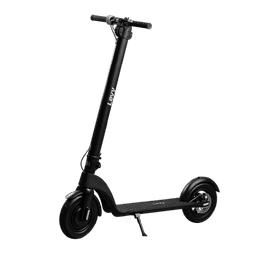
A 48V electric scooter is a fantastic and eco-friendly way to travel, offering a smooth and enjoyable ride that combines convenience with environmental responsibility. However, maintaining optimal performance and extending your scooter's longevity requires proper care and attention to critical components, particularly the chain drive system that transfers power from the motor to the rear wheel. Among the most important yet frequently overlooked maintenance tasks is maintaining proper chain tension—too loose and the chain risks falling off the sprocket during riding, too tight and you create excessive wear on the motor, bearings, and chain itself that leads to premature failure and expensive repairs. This comprehensive guide will discuss exactly how tight the chain should be on your 48V electric scooter, provide step-by-step adjustment procedures, explain common chain problems and their symptoms, cover essential cleaning and lubrication maintenance, and help you understand when chain replacement becomes necessary to keep your scooter running smoothly and efficiently for years of reliable service.
Chain Tension: Finding the Sweet Spot
The chain on your 48V electric scooter should have an appropriate level of tension that balances two competing concerns: sufficient tightness to prevent the chain from jumping off sprockets or slipping during acceleration, but enough slack to accommodate suspension movement, avoid excessive stress on drivetrain components, and allow smooth operation without binding or resistance. Achieving this balance is essential for optimal performance, component longevity, and rider safety.
Recommended Slack Specifications: The ideal chain slack for most electric scooters is around 0.4 to 0.6 inches (10 to 15 millimeters) of vertical movement measured at the midpoint between the front and rear sprockets—approximately 1/4-inch to 1/2-inch of play when you push down on the chain with your fingers. This specification applies when the scooter is at rest on level ground with no rider weight compressing the suspension. Some manufacturers specify slightly different ranges, so always consult your specific scooter model's manual for exact specifications as requirements can vary between different manufacturers, motor configurations, and suspension designs.
Why Too Little Tension Causes Problems: If chain tension is too tight (less than 1/4-inch slack), several detrimental effects occur. The chain places constant stress on motor output shaft bearings and rear wheel axle bearings, accelerating wear and potentially causing premature bearing failure ($50-$150 repair). The motor works harder to overcome friction from the overly tight chain, reducing efficiency, decreasing battery range by 10-20%, and generating excess heat that can damage motor windings. As you ride over bumps or uneven surfaces, suspension compression tightens an already-tight chain even further, creating extreme stress that causes rapid chain stretch, sprocket tooth wear, and potential chain breakage during acceleration. An overly tight chain also creates noise, vibration, and a harsh ride quality that detracts from the scooter's smooth operation.
Why Too Much Slack Creates Issues: Conversely, if the chain has excessive slack (more than 1/2-inch to 3/4-inch), different problems emerge. The chain can jump off the sprocket during riding, particularly during hard acceleration or when hitting bumps, leaving you stranded with a derailed chain that's difficult to reinstall roadside. Excessive slack allows the chain to slap against the chain guard or frame, creating annoying rattling and clicking noises and potentially damaging protective covers. The loose chain doesn't engage sprocket teeth properly, causing uneven wear patterns that accelerate sprocket replacement needs. In extreme cases, a very loose chain can become entangled in the rear wheel or wrap around the motor sprocket, causing sudden stops, potential crashes, and serious mechanical damage requiring professional repair.
How to Check and Adjust Your Scooter Chain Tension
Regular chain tension inspection should be part of your routine maintenance schedule, checked every 500 miles of riding, after any crash or impact that could misalign components, whenever you notice unusual noise or performance changes, and as part of comprehensive monthly maintenance. Learning to check and adjust chain tension yourself saves $30-$50 per shop visit and ensures your scooter maintains optimal performance.
Step 1: Prepare the Scooter for Inspection
Place your scooter on a secure stand, center stand, or lift device that elevates the rear wheel off the ground, removing weight from the chain and allowing it to hang naturally at its loosest position. If you don't have a stand, you can carefully lay the scooter on its side (placing cardboard under it to protect the body) or have an assistant lift the rear while you perform the inspection. Ensure the scooter is completely powered off with the key removed before beginning any maintenance work.
Step 2: Locate the Chain's Tightest and Loosest Points
Chains don't maintain perfectly uniform tension throughout their rotation—they develop tight spots and loose spots due to uneven wear, sprocket runout (wobble), or manufacturing inconsistencies. Slowly rotate the rear wheel by hand while watching the chain tension change. Find the tightest spot of the chain where tension is at its greatest, as this is where you should perform your measurement to ensure adequate slack everywhere. If you measure at a naturally loose spot, you may over-tighten the chain, creating problems when it rotates to tighter sections.
Step 3: Measure Chain Slack
At the chain's tightest point, locate the section of chain midway between the front motor sprocket and the rear wheel sprocket (usually at the bottom run of the chain). Use your fingers to gently lift the chain vertically upward, then push it down, measuring the total vertical movement. Compare this measurement to the ideal tension range of 0.4 to 0.6 inches (10 to 15mm), or refer to your manufacturer's specifications. A ruler or tape measure helps ensure accuracy—estimating by eye frequently leads to incorrect tension. Some riders use specialized chain tension tools that provide more precise measurements, though finger checking works adequately for most applications.
Step 4: Adjust Chain Tension if Needed
If the chain tension falls outside the recommended range, adjustment is necessary. On most electric scooters, chain tension is adjusted by moving the rear wheel backward (to tighten the chain) or forward (to loosen it). Locate the rear axle nuts on both sides of the rear wheel—these large nuts secure the axle in the frame and must be loosened before adjustment. Using an appropriate wrench (typically 17mm or 19mm depending on your scooter model), loosen both axle nuts several turns, allowing the wheel to move freely in the adjustment slots. Do not remove the nuts completely; just loosen them enough to allow movement.
Most electric scooters feature adjustor nuts or bolts on both sides of the rear wheel—these threaded adjusters push the wheel backward or forward within the frame slots. To tighten the chain (reduce slack), turn both adjustor nuts clockwise by equal amounts, pushing the wheel backward. To loosen the chain (increase slack), turn both adjustor nuts counterclockwise equally. Make small adjustments—typically 1/4 to 1/2 turn at a time on each side—then recheck chain slack after each adjustment. Adjust both sides equally to keep the wheel centered and aligned properly; unequal adjustment causes the wheel to sit crooked, leading to rapid chain and sprocket wear.
Step 5: Verify Wheel Alignment
After achieving proper chain tension, verify that the rear wheel is aligned straight in the frame before tightening the axle nuts. Most scooters have alignment marks or measurement indicators on the adjustment bolts or frame—ensure both sides show identical measurements. You can also sight down the scooter from behind, comparing the rear wheel's alignment to the front wheel to ensure they're parallel. Misaligned wheels cause rapid chain wear, handling problems, and premature tire wear.
Step 6: Tighten Axle Nuts and Final Check
Once the wheel is properly positioned and aligned, carefully tighten the axle nuts on both sides to the manufacturer's specified torque (typically 40-50 Newton-meters or 30-37 foot-pounds for most scooters—consult your manual for exact specifications). Tighten the nuts in stages, alternating between sides to maintain even pressure. After tightening, spin the rear wheel by hand to ensure the chain moves smoothly and consistently without binding, catching, or creating unusual resistance at any point in the rotation. Check chain slack one final time to confirm the adjustment held during tightening. If the tension changed significantly, you may need to repeat the adjustment process.
Essential Chain Cleaning and Lubrication
Proper chain tension means little if the chain itself is dirty, dry, rusty, or caked with old lubricant and road grime. Regular cleaning and lubrication are essential for chain longevity, efficient power transfer, quiet operation, and preventing premature wear that necessitates costly replacement.
Cleaning and Lubrication Frequency: Clean and lubricate the chain of your electric scooter every 100-150 miles of riding or after every 10 rides, whichever comes first. Increase frequency significantly in wet, muddy, or dusty conditions that accelerate contamination and wear. Quick cleaning after each ride (wiping down the chain with a clean cloth) and deep cleaning monthly or after harsh environments provides optimal balance between effort and protection. The frequency depends on riding conditions—daily urban commuting on dry pavement requires less frequent maintenance than off-road trail riding through mud, sand, or water.
Consequences of Neglected Maintenance: Neglecting chain maintenance leads to poor shifting performance (for scooters with multiple gears), noisy rides (clicking, squeaking, or grinding sounds), dramatically increased wear on both chain and sprockets, reduced power transfer efficiency (more battery consumption for the same performance), and potential sudden chain breakage that can leave you stranded or cause accidents. A clean and lubricated chain ensures optimal power transfer, quieter rides, and extends the lifespan of your entire drivetrain system including sprockets, motor bearings, and wheel bearings.
Proper Cleaning Procedure: Begin by using a degreaser or chain cleaner to remove accumulated dirt, grime, old lubricant, and road debris. Apply the degreaser generously to the chain while slowly rotating the wheel backward by hand, ensuring complete coverage of all chain links. Let the degreaser sit for 3-5 minutes to break down stubborn deposits, then scrub the chain using a stiff-bristled brush (old toothbrush works well) or specialized chain cleaning brush, paying particular attention to the gaps between chain rollers where dirt accumulates. Rinse the chain thoroughly with water or wipe with clean rags until all degreaser and loosened dirt are removed. Dry the chain completely using clean, dry cloths or compressed air before applying new lubricant—applying lube to a wet chain traps moisture and promotes rust.
Lubrication Best Practices: After cleaning and drying, apply bicycle-specific chain lubricant designed for your riding conditions. Choose wet lubes (designed to repel water and resist washing off) for rainy or muddy conditions, and dry lubes (which don't attract dirt and dust) for dry, dusty environments. Apply lubricant to the inside of the chain (the side facing the sprockets) while slowly rotating the wheel backward, distributing lubricant evenly across all links. Use moderate amounts—excessive lubrication attracts dirt and creates sticky buildup that accelerates wear rather than preventing it. After application, let the lubricant soak in for 5-10 minutes, then wipe away excess lubricant from the outside of the chain using a clean cloth. The goal is lubrication inside the chain rollers and pins where metal-on-metal contact occurs, not a shiny coating on the outside that serves no purpose except attracting contaminants.
Recognizing Chain Problems and Symptoms
Understanding the symptoms of chain problems helps you identify issues early before they cause serious damage, safety hazards, or expensive repairs requiring professional intervention.
Clicking and Rattling Noises: A loose chain or chain with tight spots creates clicking noises during riding, particularly noticeable during acceleration or when pedaling hard. Rattling sounds indicate the chain is slapping against the chain guard or frame due to excessive slack. These noises often develop gradually—if you notice sounds that weren't present previously, inspect chain tension immediately.
Chain Slipping or Jumping: If the motor spins when you apply throttle but the rear wheel doesn't move proportionally, or if you feel sudden jerks during acceleration, the chain is likely slipping on worn sprocket teeth or jumping due to incorrect tension. This dangerous condition can cause sudden loss of power during critical moments like crossing intersections or climbing hills.
Visual Damage Indicators: Regularly inspect your chain for visible damage including rust or corrosion on links (indicating lack of lubrication or water exposure), stiff or binding links that don't flex freely when you bend the chain by hand, kinked or twisted links from impact or improper installation, excessive stretch beyond adjustment limits (when the chain can no longer be properly tensioned even with maximum adjustment), or broken/cracked rollers visible when examining the chain closely. Any of these conditions requires immediate attention or replacement.
Performance Degradation: Reduced acceleration, decreased top speed, shortened battery range, or the motor working harder (increased motor noise or heat) can all indicate chain problems creating extra resistance and reducing efficiency. If performance has noticeably declined without other obvious causes, inspect the chain thoroughly.
When Chain Replacement Becomes Necessary
Despite proper maintenance, chains have finite lifespans and eventually require replacement to maintain safe, efficient scooter operation. Understanding replacement timing prevents catastrophic chain failure and protects expensive sprockets from damage that occurs when excessively worn chains are used too long.
Mileage-Based Replacement Guidelines: For casual riders using paved roads and practicing good maintenance, expect to replace the chain every 1,500-2,000 kilometers (approximately 900-1,200 miles). For riders covering longer distances, encountering varied terrain, or riding in harsh conditions (wet, muddy, dusty, salty coastal air), inspect the chain every 1,000-1,500 km and expect replacement every 1,000 km or sooner. Given that most electric scooters last 2,000-5,000 miles total with regular use, you can expect to replace your chain at least 2-3 times during the scooter's lifetime if you maintain it properly.
Wear Measurement Tools: Professional mechanics use chain wear tools that measure chain elongation (stretch). If the tool shows elongation greater than 0.7-1.0% of original length, replacement is recommended. While these specialized tools cost $10-$30, they provide objective measurement rather than subjective assessment. Without a tool, compare your chain to a new chain of the same type—if your used chain is visibly longer when held side-by-side, stretch has exceeded safe limits.
Warning Signs Requiring Replacement: Replace your chain immediately if you observe excessive stretch beyond adjustment range (cannot achieve proper tension even with maximum adjustment), rust or deep corrosion that has damaged link surfaces, three or more stiff/frozen links that won't flex freely, any broken or cracked rollers or side plates, unusual noise that persists after cleaning and lubrication, or difficulty maintaining proper tension (chain loosens rapidly after adjustment). Continuing to ride with any of these conditions risks sudden chain breakage, potential accidents, and expensive damage to sprockets that will also require replacement.
Conclusion
Maintaining proper chain tension on your 48V electric scooter is crucial for optimal performance, safety, component longevity, and rider satisfaction—requiring the chain to have 0.4 to 0.6 inches (10-15mm) of slack at the tightest point between sprockets, measured with the scooter on a stand and suspension unloaded. By following the step-by-step adjustment procedures outlined—preparing the scooter properly on a stand, locating the chain's tightest point through rotation, measuring slack accurately, adjusting tension by moving the rear wheel backward or forward equally on both sides, verifying wheel alignment before tightening, and performing final checks—you can maintain correct tension that prevents both the problems of excessive tightness (bearing stress, reduced efficiency, accelerated wear) and excessive looseness (chain derailment, noise, sprocket damage). Complement proper tensioning with regular cleaning and lubrication every 100-150 miles using appropriate products, recognize common chain problems through symptoms like clicking noises, slipping, visual damage, or performance degradation, and understand replacement timing based on mileage guidelines (1,000-2,000 km depending on conditions), wear measurements (0.7-1.0% stretch limits), and warning signs requiring immediate action. By implementing this comprehensive chain maintenance approach, you'll extend your chain's lifespan, protect expensive drivetrain components from premature failure, ensure smooth and efficient power transfer from motor to wheel, maintain the scooter's performance capabilities, and enjoy years of reliable, trouble-free riding from your 48V electric scooter investment.