





5 Reasons Why Electric Scooters Outshine Cars
Discover five compelling reasons why electric scooters are a superior transportation choice compared to cars, including affordability, eco-friendliness, space-saving, time-saving, and promoting a healthier lifestyle.
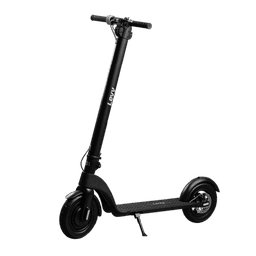
In the rapidly changing landscape of urban transportation, electric scooters have emerged as a popular and increasingly practical alternative to cars for short to medium-distance urban travel. They offer a range of compelling benefits that surpass traditional gas-guzzling automobiles, including dramatically lower costs, reduced environmental impact, significant space savings in congested urban areas, time-saving advantages for city commutes, and promoting a more active and healthier lifestyle compared to sedentary car travel. With the average annual cost of owning a car in the United States reaching approximately $8,849 and urban traffic congestion increasing by 5-11% in major cities, the economic and practical case for electric scooters as a viable transportation alternative has never been stronger. In this comprehensive article, we'll explore five compelling reasons why electric scooters are better than cars for urban mobility, supported by 2025 data, cost comparisons, environmental analysis, and practical considerations for city dwellers evaluating their transportation options.
1. Lower Costs: Dramatic Financial Savings Across All Ownership Categories
Electric scooters are far more affordable than cars across every dimension of ownership—purchase price, energy costs, maintenance expenses, insurance premiums, and depreciation. The financial advantages are not marginal; they represent order-of-magnitude differences that can save urban commuters thousands of dollars annually while providing functionally equivalent transportation for the majority of daily trips.
Purchase Costs: The initial cost of an electric scooter ranges from $300 to $1,500 for quality consumer models, with premium performance scooters reaching $2,000-$3,000. In stark contrast, the average price of a new car in the U.S. as of March 2024 is approximately $47,218—more than 15-30 times the cost of a quality electric scooter. Even used cars cost $10,000-$25,000 for reliable models, representing 7-15 times the investment required for an electric scooter. This massive upfront cost difference means electric scooters are accessible to a far wider demographic, including students, young professionals, and urban residents who cannot afford car ownership or choose to allocate their financial resources elsewhere.
Energy/Fuel Costs: The cost difference between charging an electric scooter and fueling a car is dramatic and represents one of the most significant ongoing savings. The cost of electricity for charging an electric scooter is around $0.03 to $0.08 per mile, or an annual charging cost of only $13 for typical commute mileage (assuming 1,000-1,500 miles per year for urban scooter use). By comparison, the annual fuel cost for an average car owner in the U.S., assuming 15,000 miles driven per year at current gas prices, is around $1,840—more than 140 times the energy cost of a scooter for equivalent local travel. Electric scooters are incredibly energy-efficient, consuming a fraction of the electricity required to charge and operate electric cars, and essentially negligible compared to gasoline consumption in traditional vehicles.
Maintenance Costs: An electric scooter's average annual maintenance cost ranges from $100 to $300, covering tire replacements, brake adjustments, battery replacement every 2-3 years (if needed), and general upkeep. Car maintenance costs exceed $1,000 USD per year on average, including oil changes, tire rotations and replacements, brake service, transmission service, battery replacement, filter changes, and countless other systems that require regular servicing. The mechanical simplicity of electric scooters—with far fewer moving parts, no internal combustion engine, no transmission, and minimal fluid systems—translates directly into lower maintenance burden and costs.
Insurance: Electric scooter insurance only costs around $20 to $30 USD per month ($240-$360 annually), and many riders opt for no insurance at all or rely on homeowner's/renter's policy coverage. Car insurance costs an average of $73 USD per month ($876 annually), with young drivers, urban residents, and those with less-than-perfect driving records paying $100-$200+ monthly. Over a decade, this insurance cost differential alone saves scooter users $5,000-$15,000 compared to car insurance.
Total Financial Impact: Buying a $600 scooter with typical maintenance expenses and electricity consumption would only cost $793 in the first year, compared to car ownership expenses. The average annual cost of owning a car in the United States is approximately $8,849, including expenses such as fuel, maintenance, insurance, and depreciation. This means first-year savings of approximately $3,996, with ongoing annual savings of $8,000+ for scooter users who forgo car ownership entirely. For urban residents making primarily short trips (0.5-3 miles representing 60% of urban journeys), an electric scooter provides functionally equivalent transportation at 10% of the cost.
2. Eco-Friendliness: Reduced Carbon Footprint and Environmental Impact
As the world faces rising concerns about climate change, air pollution, and environmental degradation, electric scooters provide a greener transportation option than cars—though the environmental picture is more complex than simple zero-emission marketing claims might suggest. Understanding the full lifecycle environmental impact, including manufacturing, operation, and end-of-life considerations, reveals that electric scooters offer genuine environmental advantages when used appropriately.
Operational Emissions: During use, electric scooters run on clean electricity and emit zero direct greenhouse gases or air pollutants, unlike traditional gasoline-powered cars. Electric scooters produce around 35 to 67 grams of CO2 per kilometer according to Cenex research, compared to 200 to 350 grams per kilometer for private petrol cars—representing a 66-80% reduction in operational emissions. Other analyses show electric scooters produce 65 grams of CO2 per mile compared to 404 grams for cars, an 84% reduction. Making the switch to electric scooters can significantly reduce your carbon footprint for short urban trips, contributing to improved local air quality and a more sustainable urban environment.
Lifecycle Emissions Context: When considering the entire lifecycle—including manufacturing (especially lithium-ion battery production), logistics (collecting and redistributing shared scooters), and disposal—the environmental picture becomes more nuanced. One North Carolina State University study found that shared scooters emit about 202 g of CO2 per km per passenger when accounting for manufacturing, collection vehicles, and short service life, which is comparable to a conventional car and 3.5 times more than an electric car for that specific shared scooter scenario. The manufacturing phase, especially lithium-ion battery production, is responsible for roughly 50% of an e-scooter's carbon footprint, while logistics for shared scooter systems account for another 43%, mainly due to using petrol- or diesel-powered vans to transport scooters to charging stations.
Critical Variables Affecting Environmental Impact: The relatively short assumed lifespan of shared electric scooters (typically about one year for commercial rental scooters) amplifies their ecological impact because the environmental toll of battery manufacturing is not sufficiently offset given their limited use. However, personally owned electric scooters typically last 3-5 years with proper care, dramatically improving their lifecycle environmental profile. Additionally, electric scooters deliver maximum environmental benefit when they replace car trips rather than replacing walking, cycling, buses, or subways—since those modes produce even less emissions, substituting them with scooters can actually increase overall transportation emissions.
Urban Air Quality Benefits: Beyond global carbon emissions, electric scooters provide immediate local air quality improvements by eliminating tailpipe emissions of nitrogen oxides (NOx), particulate matter (PM2.5 and PM10), volatile organic compounds (VOCs), and carbon monoxide that contribute to urban smog, respiratory illnesses, and cardiovascular disease. For cities struggling with air quality standards, widespread adoption of electric scooters for short trips directly improves the air residents breathe.
3. Space-Saving: Addressing Urban Congestion and Parking Scarcity
With overcrowded cities, limited parking spaces, and urban land values reaching astronomical levels, electric scooters offer a practical solution to the spatial challenges of urban mobility. Their compact size allows for dramatically more efficient use of limited urban space, both while in motion and when parked.
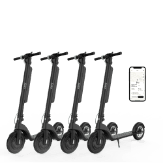
Parking Space Efficiency: A standard parking space measures approximately 180 square feet (8.5 feet wide by 18-20 feet long) and accommodates one car. That same parking space could accommodate 8-12 electric scooters, representing an 800-1,200% improvement in parking density. Their compact size allows for easy storage and parking even in the most congested urban areas, fitting into narrow spaces between buildings, in building lobbies, under desks at work, and in small corners that would otherwise go unused. Moreover, electric scooters eliminate the time-consuming and frustrating search for parking that car drivers experience—studies show urban drivers spend an average of 17 hours per year searching for parking, time that scooter riders reclaim for productive or leisure activities.
Traffic Congestion Reduction: Electric scooters help reduce traffic congestion by removing car trips from roadways and utilizing narrow lanes, bike lanes, and paths that cars cannot access. Studies suggest electric scooters could reduce traffic congestion by 15-20% in dense cities, while multiple studies have shown that the introduction of electric scooters has led to decreases ranging from 5% to 11% in some cities. In Paris, where e-scooters have been fully integrated into the transportation ecosystem, there has been a reported 7% decrease in inner-city traffic during rush hours. Short trips typically ranging from 0.5 to 3 miles make up approximately 60% of urban journeys, and by providing an efficient solution for these trips, e-scooters effectively remove thousands of car journeys from streets each day.
Infrastructure Efficiency: Electric scooters allow for more efficient use of urban space and existing transportation infrastructure. They can fit into narrow lanes and utilize bike infrastructure, pedestrian paths (where permitted), and multi-use trails without requiring new road construction or significant infrastructure investment. This spatial efficiency translates into reduced infrastructure costs for cities while improving mobility options for residents.
4. Time-Saving: Beating Traffic and Eliminating Parking Hassles
Electric scooters are your ticket to beating peak-hour traffic and reducing commute times, especially in congested cities where car travel becomes frustratingly slow during rush hours. The time-saving advantages stem from both faster point-to-point travel in urban environments and the elimination of parking-related delays.
Faster Urban Commutes: You can swiftly maneuver through traffic using bike lanes, cutting through gridlocked streets where cars sit motionless, and reach your destination quicker than by car for trips under 3-5 miles. In 2025, e-scooters offer one of the most cost-effective commuting options available, with the average commuter saving up to $3,000 per year by switching to a scooter-based lifestyle. Average door-to-door times for 2-mile trips in dense urban areas often favor scooters over cars by 5-15 minutes because scooters avoid traffic jams entirely and can take more direct routes through spaces cars cannot access.
Elimination of Parking Time: Additionally, you completely avoid the hassle of finding parking—a significant time sink for urban car commuters. As mentioned earlier, urban drivers spend an average of 17 hours per year just searching for parking spots, not counting the walking distance from parking locations to final destinations. Electric scooters can be parked in small designated scooter parking areas, carried directly to destinations (for folding models), or secured to bike racks immediately adjacent to building entrances, saving 10-20 minutes per trip compared to parking a car and walking from a parking garage or street parking spot.
First-Mile/Last-Mile Solutions: Electric scooters excel as first-mile and last-mile connectors for public transportation users, bridging the gap between transit stations and final destinations. Many urban residents use electric scooters in combination with buses, trains, or subways, riding their scooter to the transit station, folding it for the train ride, and completing the journey to work or home on the scooter. This multimodal approach combines the speed of mass transit for long distances with the convenience of personal transportation for short segments, often resulting in faster total trip times than either cars or public transit alone.
5. Healthier Lifestyle: Incorporating Activity into Daily Routines
Riding an electric scooter promotes physical activity and is beneficial for your overall well-being, representing a significant health advantage over completely sedentary car travel. Unlike sitting in a car where you remain entirely stationary, electric scooters require you to engage your core muscles, maintain balance and stability, make constant postural adjustments, and remain physically active throughout the journey.
Calories Burned and Exercise Value: Research from the University of Brighton found that riding an electric scooter at 4.6 mph for 30 minutes burns approximately 150 calories, which is almost the same as walking for 30 minutes (150-200 calories) and significantly more than sitting in a car (essentially zero calories beyond resting metabolic rate). Estimates vary based on riding intensity, terrain, and rider weight, but generally indicate that a 150-pound person can burn 100-140 calories per hour during casual riding, with more aggressive riding or hilly terrain increasing calorie expenditure to 150-250 calories per hour or even 350 calories per hour for intense riding. While not a replacement for dedicated cardio workouts or strength training, this provides an opportunity to incorporate meaningful physical activity into your commute, ultimately leading to a healthier lifestyle over time.
Cardiovascular Benefits: Electric scooters provide low-intensity cardio exercise which can improve cardiovascular health over time. Riding an electric scooter increases your heart rate moderately—not as intensely as running or cycling vigorously, but enough to strengthen heart muscles and improve overall circulation compared to sedentary car travel. Regular riders experience improved cardiovascular conditioning, enhanced blood flow, and reduced risk factors associated with sedentary lifestyles.
Core Strength, Balance, and Coordination: Steering and balancing the scooter engages core muscles (abdominals, lower back, obliques) and lower body muscles (legs, ankles, feet) to maintain stability, improving core strength, balance, and coordination over time. While not as intense as other forms of dedicated exercise, scooter riding works your core continuously, improves proprioception (body awareness in space), enhances balance—particularly valuable for older adults at risk of falls—and develops coordination through the constant micro-adjustments required to maintain stability while moving.
Low-Impact Exercise Suitable for Many: Electric scooters provide a low-impact form of exercise beneficial for people with joint problems, arthritis, or previous injuries that make high-impact activities like running painful or impossible. Scooter riding offers a smoother and more forgiving experience compared to high-impact activities, making physical activity accessible to broader populations who might otherwise remain sedentary in cars.
Mental Health and Outdoor Activity: Beyond physical benefits, scooter riding provides mental health advantages through outdoor activity, exposure to sunlight (vitamin D production), fresh air, and the cognitive engagement of navigating through urban environments. The open-air experience contrasts sharply with the enclosed, climate-controlled isolation of car travel, offering stress reduction, improved mood, and enhanced mental well-being.
Conclusion
In conclusion, electric scooters offer a more affordable, practical, and in many contexts more environmentally friendly alternative to cars in today's urban landscape, particularly for the short to medium-distance trips (0.5-3 miles) that comprise approximately 60% of urban journeys. The five compelling advantages—dramatic cost savings averaging $8,000+ annually compared to car ownership, reduced operational carbon emissions of 66-84% compared to petrol cars when replacing car trips, significant space efficiency improving parking density by 800-1,200% and reducing traffic congestion by 5-20%, time savings of 5-15 minutes per trip in congested urban areas plus elimination of 17 annual hours spent searching for parking, and meaningful health benefits including 100-350 calories burned per hour and improved cardiovascular fitness—demonstrate why electric scooters have become such popular urban transportation solutions. However, it's important to maintain realistic expectations: electric scooters are not appropriate for all trips (long distances, transporting multiple passengers or large cargo, harsh weather conditions), their environmental benefits depend heavily on what mode of transportation they replace (maximum benefit when substituting car trips, minimal or negative impact when replacing walking or public transit), and they require different safety considerations compared to enclosed vehicles (helmet use, visibility equipment, awareness of road hazards). Embracing electric scooters as part of a multimodal transportation approach—using scooters for short urban trips, public transportation for medium distances, and cars only when truly necessary—can help improve our urban environment, save substantial time and money, reduce transportation-related emissions, decrease traffic congestion, and lead to healthier and more active lifestyles for millions of urban residents seeking practical alternatives to expensive, space-consuming, traffic-generating car dependency.