





Become a Bird Charger: Earn Money by Charging Electric Scooters
Discover how to earn money as a Bird Charger by collecting, charging, and releasing Bird electric scooters. Learn the ins and outs of the process and maximize your earnings with this handy guide. Join the eco-friendly movement while boosting your income!
With the rise in popularity of electric scooters, particularly Bird scooters, many people are looking for ways to join the rapidly expanding eco-friendly transportation revolution and earn meaningful supplemental income. The electric scooter sharing market has grown dramatically since 2024, with platforms like Bird, Lime, and Spin operating in hundreds of cities worldwide. If you're interested in turning a profit while contributing to a cleaner environment and supporting the micro-mobility infrastructure, becoming a Bird Charger could be the perfect opportunity for you.
What is a Bird Charger?
As a Bird Charger, you are an independent contractor who is paid to collect, charge, and redistribute Bird electric scooters throughout your service area. This role is crucial to keeping the fleet of scooters powered, maintained, and readily available for riders in your community. Bird chargers operate within the broader gig economy model of shared micromobility platforms, which collectively handled over 225 million trips in 2024, representing a 31% increase from the previous year.
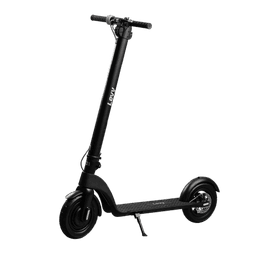
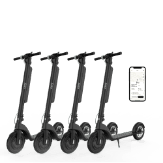
Bird employs private contractors called "chargers" who locate scooters using the mobile application, transport them to convenient charging locations (typically homes, garages, or warehouses), charge them to full capacity, and then return them to designated "nests"—strategically positioned hub locations that maximize availability for riders throughout the city.
Requirements to Become a Bird Charger
Before signing up as a Bird Charger, ensure you meet these fundamental requirements:
- Age: You must be at least 18 years old to legally enter into a contractor agreement with Bird.
- Vehicle Ownership: You need reliable transportation, typically a car, truck, or van capable of safely transporting multiple electric scooters. Many successful chargers prefer vans or trucks for their increased capacity.
- Minimum Capacity: Bird requires chargers to be able to charge at least 3 scooters simultaneously. Most successful chargers charge 10-50+ scooters per night, depending on available power outlets and charging space.
- Charging Infrastructure: You need access to standard electrical outlets where you can safely charge scooters. Many chargers use their homes, garages, or dedicated storage facilities. Ensure your electrical system can handle multiple simultaneous charges without circuit overloads.
- Background Check: Bird conducts background verification for all contractors. You'll need to provide basic personal information and pass any required screening.
- Mobile Device: A smartphone with the Bird app is essential for locating scooters, tracking your progress, and managing payments.
How to Sign Up
The signup process is straightforward and can be completed entirely through Bird's mobile application:
Step-by-Step Registration:
- Download the Bird app and navigate to the Charger section or visit the Bird website's charger signup page.
- Provide your basic personal information, including your full name, email address, phone number, and residential address.
- Complete the required background check process, which typically takes 24-48 hours.
- Once approved, you'll gain access to the Charger Map, which displays the locations of nearby scooters that need charging, organized by priority levels and bounty amounts.
- Review any local requirements or agreements specific to your city. Some cities have additional regulations for independent contractors or specific operating rules.
The Charging Process
Bird's charging model is designed for efficiency and flexibility. Here's how the complete cycle works:
Collection Phase:
- Locate Scooters Using the App: Open the Bird app to view the Charger Map, which displays nearby scooters that need charging. The app shows you the battery status of each scooter, its location, and the payment you'll receive for charging it. Scooters typically range from completely depleted (highest bounty, up to $20) to partially charged (lower bounty, $3-$5).
- Pick Up Scooters Strategically: After identifying scooters, transport them to your charging location. The app helps you plan efficient routes by clustering nearby scooters. Many successful chargers spend 1-3 hours collecting scooters, collecting 20-50 scooters per night depending on density in their area.
Charging Phase:
- Charge to Full Capacity: Use standard charging equipment to charge the scooters to 100%. Bird provides charging cables and documentation. Most electric scooter batteries take 4-8 hours to fully charge, depending on the model and current battery state. Charging costs are minimal—typically around 5 cents per scooter, making the profit margins substantial.
- Organize Your Charging Space: Successful chargers create dedicated charging stations at home or in a dedicated facility. This might involve using power strips, organizing cables, and creating a system to track which scooters are fully charged and ready for deployment.
Release Phase:
- Return Scooters to Nests by 7:00 AM: Once fully charged, Bird scooters must be returned to designated "nests"—strategically positioned hub locations indicated on your app—by 7:00 AM the following morning. This timing is critical because it ensures scooters are available for the morning commute when demand peaks.
- Confirm Releases in App: When you leave scooters at nests, confirm their location in the app. The system verifies the scooters have been properly positioned and records your completed charges for payment processing.
Earning Potential
Earnings vary significantly based on multiple factors, but the financial opportunity is substantial for dedicated chargers:
Per-Scooter Rates (2024-2025):
- Standard Scooters: $3-$5 per scooter for easily accessible devices in good condition.
- Hard-to-Find Scooters: Up to $20 per scooter for difficult-to-locate devices, scooters in remote areas, or those with special charging requirements.
- Dynamic Pricing: Bird adjusts "bounties" based on real-time fleet demand. During peak scooter shortages or high-demand periods, rates increase to incentivize collection.
Hourly and Daily Earnings:
- Typical Range: Diligent chargers earn between $20 to $30 per hour or more in productive markets. Some successful chargers report earning $30+ per hour during peak seasons or in high-demand locations.
- Weekly Income: Most chargers report making between $100 to $500+ per week, depending on how much time they dedicate and their location's scooter density.
- Peak Earning Periods: Summer months and weekends typically offer higher bounties due to increased scooter demand. Bad weather or slow seasons may reduce available scooters and bounty amounts.
Fleet Manager Program:
For those seeking higher earning potential, Bird offers a Fleet Manager program for experienced chargers willing to manage larger operations. Fleet managers earn a minimum of $1,500 per week (not guaranteed), typically making 40-45% of the revenue generated by each scooter assigned to their fleet. This requires managing multiple chargers, maintaining a larger inventory of scooters, and handling more complex operations.
Cost Considerations:
- Charging Costs: Electric costs are minimal, approximately 5 cents per scooter, resulting in high profit margins on each charge.
- Transportation Costs: Factor in vehicle fuel, maintenance, and wear-and-tear on your vehicle used for collecting and distributing scooters.
- Parking and Storage: If you don't have home charging capacity, facility rental costs could impact net earnings.
- Equipment: While Bird provides basic charging equipment, some chargers invest in power strips, extension cords, or dedicated charging stations to increase capacity.
Strategies for Maximizing Your Earnings
To optimize your income as a Bird Charger, implement these proven strategies:
Route Optimization:
- Strategically Plan Collection Routes: Choose areas with the highest density of scooters needing charging to minimize travel time and vehicle costs. The Bird app shows scooter concentrations—focus on hot spots with multiple scooters in close proximity.
- Time Your Collections: Collect scooters during off-peak hours when fewer riders are using them. Late afternoon to early evening is typically optimal for finding available scooters.
- Avoid Redundant Travel: Plan loops that minimize backtracking. Group nearby scooters together before collecting them to maximize efficiency.
Charging Infrastructure Optimization:
- Expand Charging Capacity: Invest in power strips and additional outlets to charge more scooters simultaneously. Charging 50 scooters overnight generates significantly more revenue than charging 10.
- Organize Your Space Efficiently: Create a dedicated charging area that allows easy access, prevents tangling of cables, and makes it simple to identify which scooters are fully charged. This organization saves hours each week.
- Create a Schedule: Develop a consistent routine—collect scooters at specific times, charge through the night, and release them by your 7:00 AM deadline. Consistency builds efficiency.
Scooter Selection Strategy:
- Prioritize High-Bounty Scooters: The app clearly shows payment for each scooter. When possible, prioritize scooters with higher bounties ($15-$20) over standard rates ($3-$5). However, balance this with collection difficulty—remote $20 scooters might require more time than several nearby $5 scooters.
- Charge Multiple Scooters Simultaneously: The more scooters you can charge at once, the greater your total earning potential per night. A charger with capacity for 50 scooters can earn $150-$250+ per night versus $30-$50 with 10 scooters.
Market Understanding:
- Monitor Demand Patterns: Track when bounties increase and decrease. Weather, events, seasonal trends, and local demand fluctuations affect available rates.
- Develop City Knowledge: Learn which neighborhoods have consistently available scooters, optimal collection routes, best nest locations, and local traffic patterns.
- Network with Other Chargers: Connect with experienced chargers in your area to learn strategies, share information about changing bounties, and understand market saturation.
Tax Considerations and Compliance
As an independent contractor, you have important tax obligations to understand:
Tax Reporting:
- 1099 Form Requirements: If your annual earnings exceed $600, Bird will issue you a Form 1099-NEC documenting your income. You are legally required to report this income on your federal and state tax returns.
- Self-Employment Tax: You're responsible for paying self-employment tax (Social Security and Medicare), typically 15.3% of your net income. This is different from regular W-2 employment where employers match portions.
- Income Tax: Your Bird charger income is subject to both federal and state income tax at your applicable rates. Be prepared to pay quarterly estimated taxes if your annual income will be substantial.
Deductions to Track:
- Vehicle fuel and maintenance costs for collection and distribution
- Electricity costs for charging (though minimal, still deductible)
- Phone/app-related expenses
- Storage facility rental (if applicable)
- Equipment purchases (power strips, cables, tools)
Consult with a tax professional to understand your specific tax obligations based on your location and income level.
Industry Trends and Future Outlook
The scooter charger industry is evolving with important changes to understand:
Program Changes and Evolution:
- Traditional Charger Program Status: While Bird historically offered standard charger positions, recent trends show the company emphasizing its Fleet Manager program for new contractors. In some markets, traditional charger positions may no longer be available—you may need to join the Fleet Program instead.
- Consolidation: The shared micromobility market has consolidated significantly, with fewer competing platforms in many cities. Bird remains the largest platform, but local availability varies.
Technological Innovation:
- Wireless Charging Development: Emerging wireless charging technology could significantly transform the industry. Projects like Cleveland's universal wireless charging network aim to reduce operational costs and charger labor requirements. This technology could eventually reduce demand for manual chargers.
- Autonomous Distribution: Some operators are testing autonomous vehicle technology for scooter distribution, which could reduce charger hiring in select markets.
Market Growth:
- Shared Micromobility Expansion: The global micro-mobility charging infrastructure market is projected to grow from $5.7 billion in 2024 to $49.8 billion by 2034 (24.2% CAGR). This growth suggests ongoing opportunity, though competition may intensify.
- Geographic Expansion: Bird operates in over 100 cities globally, with Lime present in 280+ cities. Expansion into new markets creates periodic opportunities for early chargers, particularly in newly launched cities.
Challenges and Reality Check
Before committing to Bird charger work, understand potential challenges:
Market Saturation: In many cities, the charger market has become saturated, with more chargers competing for available scooters. This competition can reduce available bounties and limit earnings potential. Newer chargers may find fewer high-paying opportunities.
Physical Demands: Collecting and charging scooters involves physical labor—lifting, transporting, organizing, and returning heavy devices. The work can be tiring, particularly during inclement weather.
Inconsistent Earnings: Weather, seasonal demand fluctuations, and platform policy changes directly impact your income. This isn't guaranteed stable income—it's a gig economy position with variable pay.
Equipment and Space: Successful charging requires adequate space and electrical capacity. If you lack home charging facilities, you'll need to secure alternative locations, incurring rental costs.
Early Morning Deadlines: The 7:00 AM release deadline is firm. You must consistently wake early and ensure scooters are properly distributed by that time, which affects your schedule and lifestyle.
The Bottom Line
Becoming a Bird Charger represents a legitimate opportunity to earn meaningful supplemental income while supporting sustainable transportation infrastructure. The flexibility allows you to choose your own hours (collecting when convenient), and startup costs are minimal if you have existing transportation and charging space. For individuals with the organizational skills to optimize routes and charging capacity, dedicated effort can generate $20,000+ annually—respectable income for part-time or flexible work.
However, it's not a path to easy money. Success requires consistent effort, upfront investment in charging infrastructure, efficient route planning, and understanding the competitive dynamics of your local market. The traditional charger model is also undergoing changes, with some markets emphasizing fleet management instead.
Evaluate your local market conditions, available space and electrical capacity, vehicle requirements, and realistic time commitment before signing up. If you have access to suitable charging facilities and live in an area with consistent scooter demand and reasonable bounty rates, joining the Bird Charger community could be a worthwhile income opportunity in 2025.