





Can You Ride an Electric Scooter When the Battery is Dead?
Learn whether you can ride an electric scooter when the battery is dead and discover important tips and recommendations to ensure a smooth ride even with a drained battery.
In the world of electric scooters, a common question arises: can you ride an electric scooter when the battery is dead? You may be surprised to learn that in most cases, you can still use your scooter even if the battery is completely drained. However, the experience differs significantly from powered operation, and there are important considerations to keep in mind. In this comprehensive guide, we'll explore everything you need to know about riding your electric scooter manually when the battery fails.
Electric vs. Traditional Scooters: Understanding the Difference
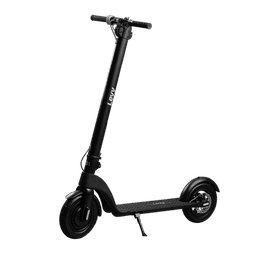
Traditional scooters rely entirely on human propulsion. You can kick, push, and coast your way along, making them fuel-free and straightforward. Electric scooters, on the other hand, have batteries that power a motor, providing assistance to your kicks and making the overall ride smoother and faster. An electric scooter's motor is responsible for that extra boost of speed and the ability to tackle inclines and longer distances with ease.
Most electric scooters are equipped with lithium-ion batteries, which were fitted to 75% of all electric scooters in 2023. These batteries offer superior energy density compared to older lead-acid batteries—approximately 10 times the energy density while weighing significantly less. This technological advancement has made modern electric scooters lighter and more efficient than ever before.
Can You Ride When the Battery Dies?
So, what happens when your electric scooter's battery fails or completely dies? Fortunately, most electric scooters can still be ridden in a manual mode, simply functioning as a traditional kick scooter. The more efficient way to move a dead electric scooter is by kicking with one foot—simply stand on the scooter and use one leg to propel yourself forward.
When the scooter is turned off, the motor is fully disengaged and the scooter can be safely ridden as a manual kick-push scooter, though there is a slight drag due to the weight of the motor components. However, there are several crucial points to keep in mind before relying on this method.
Weight and Physical Demands
An electric scooter without a functioning battery will be heavier and slower, as you are now responsible for pushing the entire weight of the scooter without any electrical assistance. Expect your ride to be more challenging and tiresome.
The average weight of an electric scooter is 13 kg (28.6 lbs) but can range up to 22.6 kg (50 lbs) or more for high-performance models. In comparison, traditional kick scooters typically weigh between 5-10 pounds. This significant weight difference means that manually operating an electric scooter requires considerably more physical effort.
The weight of the battery directly affects the handling of the scooter. While a lighter battery makes your scooter easier to transport and maneuver, bigger battery packs increase range, speed, and overall power but also add substantial weight. For example:
- Lightweight models: Around 300Wh battery capacity, easier to push manually
- Mid-range models: 400-600Wh battery capacity, moderate difficulty when dead
- High-performance models: 1000Wh or more, significantly challenging to push manually
Freewheel Mode and Manual Mode Features
Many electric scooters have a freewheel mode to disengage the motor, making it easier to ride manually. This feature enables the rider to push off the ground and cruise without motor assistance. Be sure to consult your scooter's user manual and enable this feature if available. You should always use "manual mode" on your scooter if it has this setting—check with the manufacturer to see if your model includes this option.
Some advanced models also offer walk mode or pedestrian mode specifically designed for managing low battery situations. These features can make it easier to navigate your scooter when power is limited or completely depleted.
Motor Resistance and Design Limitations
Wheel resistance varies significantly between different scooter models. Some electric scooters have motors that create drag even when not powered, while others allow completely free wheel rotation. Hub motors generally create more resistance than chain-driven systems when operating manually, which can make pushing the scooter more difficult.
Most models of electric scooters are not designed for manual use and they're not the easiest to push or ride without motor assistance. All electric kick scooters can be used manually, but the ride is slow, uncomfortable, and you will get tired quickly. In other words, electric scooters are not the best choice for manual operation for an extended period of time.
Potential Damage from Manual Use
While you can technically ride an electric scooter with a dead battery, this should be a short-term solution. Continuously using your scooter without a functioning battery will cause extra strain on the motor and could possibly damage it over time. Electric scooters are designed for electric power, and manual operation should only be used as a last resort.
We strongly recommend charging your scooter as soon as possible or replacing the battery if it is no longer holding a charge at all. It's bad for a battery to be run to death and then left uncharged—it's likely that one or more groups of cells can be damaged by the Battery Management System (BMS) draining them down. Additionally, overcharging and deep discharging lithium-ion batteries harms them significantly and shortens their lifespan.
Battery Lifespan and Replacement
Understanding your battery's lifecycle can help you plan for eventual replacement and avoid being caught with a dead battery. Most electric scooters need to have their battery pack replaced within one to three years, with performance declining after 300-500 charge cycles.
An average scooter will have a capacity of around 250 Wh and be able to travel about 10 miles at an average of 15 miles per hour. Extreme performance scooters can have a capacity reaching into the thousands of watt hours and ranges of up to 60 miles. For example:
- Wolf King GT Pro: 72V battery with dual 2000W motors, reaching top speeds of 62 mph with a range of 111 miles
- Dualtron X: 60V 52 Ah battery allowing top speeds of 37.3 mph with a range of 95 miles
Common Battery Specifications
Standard electric scooters generally use 36V batteries, but some may require 48V batteries or more for higher performance. Higher voltage allows for better acceleration and higher top speed. The most common battery specifications are:
- 36V 4AH/4.4AH/8.8AH/10AH/10.4AH for standard models
- 48V systems for mid-range performance scooters
- 60V-72V systems for high-performance models
Typical electric scooter batteries tend to hover around the 400-600Wh mark, with lightweight scooters closer to the 300Wh mark, while heavier, powerful models tend to be closer to 1000Wh or more.
Preventing Battery Failure During Rides
Being prepared can help prevent your scooter's battery from dying during a ride. Here are essential tips to keep your scooter operational:
- Charge fully before heading out: Make sure to charge the battery fully before each ride, especially for longer journeys
- Plan charging opportunities: Map out your route with charging stations or outlets in mind
- Invest in a spare battery: If your scooter permits battery swapping, consider investing in a spare or portable battery
- Monitor battery health: Keep track of your battery's performance and replace it before complete failure
- Avoid deep discharge: Try not to let your battery drop below 20% regularly, as this can shorten its lifespan
- Store properly: When not in use for extended periods, store your scooter with the battery at 40-60% charge
When Is Manual Riding Acceptable?
Manual operation of your electric scooter is acceptable in these specific situations:
- Emergency situations: When the battery unexpectedly dies and you need to get to a charging location
- Short distances: For brief trips of a few blocks or less
- Flat terrain: On level ground where minimal effort is required
- Temporary solution: As a one-time fix while you arrange for battery replacement or repair
However, manual operation should be avoided for:
- Long-distance travel
- Hilly or inclined terrain
- Regular daily commuting
- Extended periods that could damage the motor
Final Recommendations
In conclusion, yes, you can still ride an electric scooter when the battery is drained or dead, but it will be a more labor-intensive and slower experience. The average electric scooter weighing 13-22 kg requires significantly more effort to push manually compared to a traditional kick scooter.
Make sure to stay on top of charging, maintain your scooter's battery properly, and be prepared to ensure you can always enjoy your electric scooter journeys to the fullest. Remember that most batteries will need replacement within one to three years, and manual operation should only be used as a temporary, short-term solution to avoid potential motor damage.
If you find yourself regularly running out of battery power, consider upgrading to a model with higher battery capacity, investing in a spare battery, or adjusting your riding habits to preserve battery life. With proper planning and maintenance, you can minimize the chances of ever needing to manually push your electric scooter.