





Charging Up the Ride: How Do Citi Bike Electric Bikes Get Their Power?
Discover how Citi Bike's 15,000 e-bikes stay charged with revolutionary grid-connected docking stations launched in 2024. Learn about battery swapping operations, fleet expansion, and charging infrastructure.
Navigating the bustling city streets has become more efficient and eco-friendly with the rise of bike-sharing programs like Citi Bike. Their fleet of electric bikes, often referred to as e-bikes, has revolutionized urban mobility, allowing riders to cover greater distances with less effort compared to traditional bicycles. With over 29 million e-bike trips in 2024 and a record-breaking 130,709 e-bike rides on September 20, 2024, a common question among riders is: how do Citi Bike electric bikes charge?
Revolutionary Charging System
Citi Bike electric bikes are designed with convenience and constant use in mind. These e-bikes are equipped with UL-certified batteries that provide pedal assistance, making for a smoother and faster ride without the sweat. The key to keeping these e-bikes ready for the community is an innovative charging system that has evolved significantly in recent years.
Instead of requiring riders to charge the bikes, Citi Bike's model capitalizes on a dual-approach system combining both centralized warehouse charging with manual battery swaps and revolutionary grid-connected docking stations that charge bikes automatically on-site. This hybrid approach ensures that e-bikes are charged and ready for the next rider whenever needed.
Grid-Connected Docking Stations: The 2024 Innovation
In a groundbreaking development, Citi Bike unveiled New York City's first electrified charging docks on May 20, 2024, marking a transformative shift in how bike-share programs manage their electric fleet.
Pilot Launch Locations
The first two grid-connected charging stations launched at:
- Manhattan: 35th Street and 9th Avenue in Hell's Kitchen
- Brooklyn: Meserole Avenue and Manhattan Avenue in Greenpoint
These pioneering stations allow e-bikes to charge directly from the power grid while docked, eliminating the need for staff to manually transport and swap batteries at these locations.
2025 Expansion Plans
NYC DOT Commissioner Ydanis Rodriguez and Lyft announced in spring 2025 plans to electrify 13 additional charging stations in existing locations across Manhattan and Brooklyn. This expansion responds to the surging demand for e-bike access, with riders having already taken more than seven million e-bike trips in the first months of 2025.
How Grid-Connected Charging Works
Electric grid-connected stations allow Citi Bike e-bikes to charge on-site while docked, drawing power directly from the electrical grid. When a bike's battery level is low and it's returned to an electrified docking station, the bike begins to charge automatically through the dock connection. This seamless integration ensures that e-bikes are charged and ready for the next rider without any manual intervention at that station.
Key advantages of grid-connected charging:
- Automatic charging: No manual battery removal or swapping needed at electrified stations
- Real-time availability: More bikes remain in high-demand locations rather than being transported away
- Reduced operational costs: Fewer service vehicle trips needed for battery management
- Environmental benefits: Up to 90% reduction in vehicle miles traveled for battery swaps at equipped stations
Traditional Battery Swapping Operations
While grid-connected charging represents the future, the majority of Citi Bike's charging still relies on the traditional battery swapping system that has powered the fleet since its e-bike introduction.
Warehouse Charging Process
Behind the scenes, Citi Bike's operational teams keep a close eye on the status of bikes through a network of connected technology. The traditional charging workflow involves:
- Battery monitoring: Real-time tracking systems identify bikes with low battery levels
- Battery removal: Staff members remove depleted batteries from bikes at docking stations
- Warehouse charging: Batteries are transported to centralized facilities for charging
- Battery redistribution: Fully charged batteries are shuttled back and swapped into bikes at stations
This system has enabled Citi Bike to maintain fleet availability across approximately 15,000 pedal-assist e-bikes distributed throughout the network, though it requires significant logistics coordination.
Operational Efficiency Improvements
Bikes that are low on charge and in need of a battery swap are easily identified through advanced monitoring systems and attended to by dedicated operational teams. Regular maintenance checks also play a significant role, ensuring that not only is the battery charged, but the bike is also in top condition for safe and reliable use.
Lyft's 20% Charging Vision
Lyft has announced an ambitious goal that will transform Citi Bike operations: equipping 20% of all docking stations with grid-connected charging technology. This strategic target is designed to meet most of the fleet's charging needs while dramatically reducing reliance on manual battery swapping.
Operational Impact
If a fifth of stations are equipped with charging capabilities, Citi Bike projects it can:
- Reduce in-person battery swaps by 90% at the highest-ridership stations
- Decrease vehicle miles traveled for battery swap operations by up to 90%
- Significantly reduce emissions from service vans shuttling batteries
- Improve bike availability at high-demand locations by keeping more bikes in place while charging
Strategic Station Selection
By equipping the highest-ridership docking stations with charging capabilities first, Citi Bike can maximize the impact of this infrastructure investment. Stations with the highest turnover and demand receive priority for grid-connected charging installation, ensuring that the bikes riders want most are consistently available and charged.
Citi Bike E-Bike Battery Specifications
Understanding the technical specifications of Citi Bike's e-bike batteries helps explain the charging requirements and operational considerations.
Current Fleet Batteries
- Battery certification: All Citi Bike e-bikes use safe UL-certified batteries
- Motor power: 500-watt motor providing pedal assistance
- Range per charge: Up to 60 miles of assisted riding on a single charge
- Battery life improvement: Current models offer twice as much battery life as predecessor models
- Battery location: Integrated inside the bike frame for improved weight distribution and aesthetics
- Station-charging capability: New e-bikes are designed to be compatible with grid-connected charging docks
Battery Management Systems
Modern e-bike batteries include sophisticated Battery Management Systems (BMS) that optimize charging cycles, prevent overcharging, and monitor battery health. These systems ensure:
- Safe charging: Protection against overcharging and thermal issues
- Longevity optimization: Charging algorithms designed to maximize battery lifespan
- Performance monitoring: Real-time data on battery health and capacity
- Remote diagnostics: Connectivity features that alert operations teams to battery issues
Fleet Size and Ridership Growth
Citi Bike's e-bike fleet has experienced explosive growth, driving the need for innovative charging solutions.
Current Fleet Composition
- E-bikes: Approximately 15,000 pedal-assist electric bikes
- Traditional bikes: Over 20,000 standard pedal bikes
- Total fleet: More than 35,000 bikes across the network
Ridership Milestones
- 2024 annual e-bike trips: Surpassed 29 million rides
- Single-day record: 130,709 e-bike rides on September 20, 2024
- 2025 momentum: More than seven million e-bike trips in the first months of 2025
- Growth trajectory: E-bike ridership continues to outpace traditional bike usage
This remarkable growth demonstrates the appeal of electric-assist bikes for urban commuters and highlights why efficient charging infrastructure is critical to the program's success.
Bike Share Charging Innovations Worldwide
Citi Bike's charging approach reflects broader trends and innovations in electric bike-share systems globally.
Charging System Challenges
Shared electric bikes face unique operational challenges:
- Insufficient daily capacity: Under most bike-sharing use scenarios, e-bike battery capacity is insufficient for a full day of operation without recharging
- Recharging protocol complexity: Balancing bike availability with charging needs requires sophisticated logistics
- Infrastructure costs: Installing charging equipment requires significant capital investment
- Grid access: Securing electrical connections at strategic locations can be challenging in dense urban environments
Emerging Solutions
- Solar recharging: Off-board battery management with solar panels provides sustainable charging options
- Data analytics optimization: Advanced software tracks battery levels, bike distribution, and usage patterns to optimize charging schedules
- Connectivity features: Real-time tracking of e-bike locations and battery levels enables proactive maintenance
- Predictive algorithms: Machine learning helps forecast demand and position charged bikes where needed
The User Experience: Ride, Dock, and Go
For users, the beauty of the system lies in its simplicity: ride, dock, and let Citi Bike do the rest. The process is designed to be so effortless that riders can focus on enjoying the city, with the peace of mind that the e-bikes will be powered up and ready whenever they need them.
What Riders Need to Know
- No charging required: Riders never need to worry about plugging in or charging bikes
- Battery indicator: E-bikes display current battery level, allowing riders to choose bikes with sufficient charge
- Automatic system: Simply dock the bike when finished—charging happens automatically at equipped stations
- Widespread availability: With 15,000 e-bikes across the network, charged bikes are consistently available
Finding Charged E-Bikes
The Citi Bike app provides real-time information about bike availability, including:
- E-bike locations: Map showing which stations have e-bikes available
- Battery status: Information about charge levels helps riders select appropriately charged bikes
- Station capacity: Real-time dock availability for returns
Environmental Sustainability
The evolution of Citi Bike's charging infrastructure directly supports environmental sustainability goals.
Emissions Reduction
By reducing reliance on service vehicles for battery swapping, grid-connected charging dramatically decreases the program's carbon footprint:
- 90% reduction in vehicle miles traveled for battery swaps at equipped high-ridership stations
- Decreased emissions from vans shuttling batteries between warehouses and stations
- More efficient operations requiring fewer vehicle trips overall
Renewable Energy Potential
Sustainable energy alternatives, like solar power, are being explored by bike-share programs worldwide to further improve efficiency and decrease the carbon footprint of charging operations. While Citi Bike's current grid-connected stations draw from the existing electrical grid, the infrastructure could potentially be adapted to incorporate:
- Solar panel integration: Supplemental solar charging at stations with adequate sun exposure
- Grid balancing: Smart charging systems that draw power during off-peak hours
- Renewable energy credits: Programs to offset electricity use with renewable energy sources
Future Charging Technology
Looking to the future, innovations in charging technology could make the process even more streamlined, efficient, and environmentally friendly.
Wireless Charging Potential
Emerging inductive charging technology could enable bikes to charge simply by being docked, without any physical electrical connections. This would:
- Reduce wear and tear on charging connectors
- Simplify dock design and reduce maintenance requirements
- Improve weather resistance by eliminating exposed electrical contacts
Advanced Battery Chemistry
Next-generation battery technologies promise to enhance e-bike performance:
- Solid-state batteries: Potential for faster charging and longer lifespan
- Higher energy density: More range per charge without increasing battery weight
- Faster charging rates: Reduced time to reach full charge
- Improved safety: Enhanced thermal management and reduced fire risk
Smart Infrastructure Expansion
As Citi Bike continues expanding its electrified charging network, future developments may include:
- Predictive charging: AI-driven systems that anticipate demand and optimize charging schedules
- Vehicle-to-grid (V2G) technology: Using bike batteries to support grid stability during peak demand
- Integrated urban planning: Coordinating charging infrastructure with broader city electrical systems
- Modular charging stations: Flexible systems that can be easily expanded or relocated
Comparison to Private E-Bike Charging
Citi Bike's centralized charging approach contrasts significantly with private e-bike ownership, where riders must manage their own charging.
Citi Bike Charging Advantages
- No home charging required: No need to bring bikes into apartments or find electrical outlets
- No charging equipment: Riders don't need to store or maintain chargers
- Professional maintenance: Expert teams handle battery care and longevity
- Always available charged bikes: No waiting for your personal bike to charge
Private E-Bike Ownership
Private e-bike owners face different considerations:
- Charging times: Most e-bike batteries take 3-8 hours to fully charge at home
- Outlet access: Need reliable electrical access where bike is stored
- Battery care: Owners must follow best practices to maximize battery lifespan (keeping charge between 20-80%, avoiding extreme temperatures)
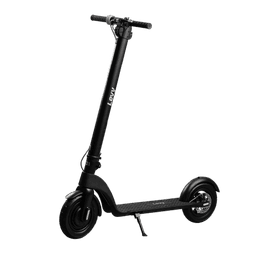
- Swappable battery option: Some private e-bikes offer removable batteries (like those from Levy Electric) that can be charged separately
Data-Driven Operations
Citi Bike's charging strategy relies heavily on data science and software applications to optimize operations and minimize costs.
Monitoring Systems
Behind the scenes, sophisticated technology tracks:
- Real-time battery levels: Continuous monitoring of every e-bike's charge status
- Usage patterns: Historical data on when and where bikes are used most
- Station demand: Predictive analytics for bike availability needs
- Maintenance scheduling: Automated alerts for bikes requiring service
Optimization Algorithms
Advanced algorithms help Citi Bike:
- Minimize battery swapping trips: Routing service vehicles efficiently
- Balance fleet distribution: Ensuring bikes are where riders need them
- Maximize charging efficiency: Prioritizing which bikes to charge first
- Reduce operational costs: Data-driven decisions that improve resource allocation
Conclusion
Citi Bike electric bikes are charged through an innovative hybrid system combining traditional warehouse-based battery swapping with revolutionary grid-connected charging stations launched in 2024. This dual approach provides a seamless, sustainable, and hassle-free experience for users while keeping the fleet of approximately 15,000 e-bikes consistently charged and available.
Key takeaways about Citi Bike e-bike charging:
- Grid-connected innovation: First electrified docking stations launched May 20, 2024 in Manhattan and Brooklyn
- Expansion plans: 13 additional charging stations planned for spring 2025
- Strategic goal: Lyft aims to equip 20% of all docks with charging technology
- Operational efficiency: Up to 90% reduction in vehicle miles for battery swaps at equipped stations
- Battery specifications: UL-certified batteries with 500-watt motors providing up to 60 miles of range
- Fleet size: Approximately 15,000 e-bikes and over 20,000 traditional bikes
- Record ridership: 29 million e-bike trips in 2024, with single-day record of 130,709 rides
- Dual charging system: Combination of automated dock charging and manual battery swapping
- User simplicity: Riders simply dock bikes—charging happens automatically
- Environmental benefits: Significant emissions reduction from decreased service vehicle trips
These mechanisms work together to provide a seamless experience for the millions of riders who took over 29 million e-bike trips in 2024. The evolution from purely manual battery swapping to automated grid-connected charging represents a brilliant example of how technology and smart urban infrastructure can create sustainable transit solutions.
For users, the beauty of the system lies in its complete simplicity: ride, dock, and let Citi Bike handle all the charging. With continued expansion of electrified charging stations and ongoing innovations in battery technology, Citi Bike's e-bike fleet will become even more efficient, sustainable, and readily available for New York City's growing community of urban cyclists.
Whether you're a daily commuter or occasional rider, Citi Bike's sophisticated charging infrastructure ensures that charged e-bikes are ready whenever and wherever you need them—no charging required on your part.