





Electric Scooters in California: What Age Can Kids Start Riding?
Learn about the legal age for children to ride electric scooters in California, state and local regulations, and considerations for parents when deciding if their child is ready to ride.
Navigating the world of electric scooters can be confusing, especially when it comes to determining the legal age for children to ride them in California. With an expanding variety of electric scooters on the market—from simple kick-style models to powerful motorized versions—and a complex framework of state and local regulations, it's essential for parents to be thoroughly informed before allowing their children to start scooting. The rise in electric scooter popularity over the past several years has brought increased scrutiny from lawmakers concerned about safety, particularly for young riders who may lack the experience and judgment necessary to navigate streets and pathways safely.
This comprehensive guide provides everything parents need to know about California's electric scooter laws as they apply to children. We'll examine the specific age requirements established by state law, explore helmet and licensing mandates, clarify the important distinction between public roadways and private property, review local ordinances that may impose additional restrictions, and discuss practical considerations for parents deciding whether their child is ready to ride. By the end of this article, you'll have a clear understanding of both the legal requirements and safety considerations that should guide your decision.
California State Law: The 16-Year-Old Age Requirement
California Vehicle Code Section 21235 establishes the fundamental legal framework governing electric scooter operation in the state. Under this statute, riders must be at least 16 years old to legally operate a motorized scooter on public roads, bike paths, bike lanes, or any other public thoroughfare. This age requirement is absolute—there are no exceptions for parental supervision, short distances, or any other circumstances when riding in public spaces.
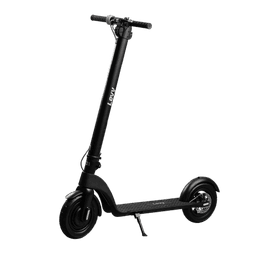
The law specifically applies to "motorized scooters," which California defines as any two-wheeled device with handlebars, a floorboard designed to be stood upon while riding, and an electric motor. This definition encompasses the vast majority of electric scooters available today, from budget models to premium commuter scooters. Importantly, the 16-year-old minimum applies whether the scooter is privately owned or rented from a sharing service.
This age restriction was established with safety as the primary concern. Electric scooters can reach speeds of 15 mph or higher, require balance and coordination to operate safely, and demand split-second decision-making when navigating traffic, pedestrians, and road hazards. Legislators determined that 16 years old represents the minimum age at which most individuals possess the physical coordination, cognitive development, and traffic awareness necessary to operate these vehicles safely in public spaces.
Driver's License or Learner's Permit Requirement
Beyond the minimum age requirement, California law mandates that all electric scooter riders possess either a valid driver's license or a learner's permit. This requirement serves multiple purposes: it ensures riders have received basic traffic education, provides a mechanism for enforcement and accountability, and helps guarantee that operators understand fundamental road rules, right-of-way principles, and traffic signals.
The license requirement effectively reinforces the 16-year-old minimum age, as California does not issue driver's licenses or learner's permits to individuals younger than 15½ years old (and that's only for permits; full licenses require being at least 16). This licensing mandate distinguishes electric scooters from regular kick scooters, bicycles, or skateboards, which children of any age can legally ride on most California streets and bike paths.
For parents, this licensing requirement provides a useful benchmark: if your child isn't yet old enough or hasn't completed the requirements to obtain a learner's permit, they're not legally permitted to ride an electric scooter on public property, regardless of their riding skill or maturity level.
Mandatory Helmet Requirements for Riders Under 18
California law requires all electric scooter riders under 18 years old to wear a properly fitted bicycle helmet that meets federal safety standards. This helmet must conform to standards established by either the Consumer Product Safety Commission (CPSC), the American Society for Testing and Materials (ASTM), or the Snell Memorial Foundation. Most bicycle helmets sold in the United States meet these standards, but parents should verify certification before purchasing.
The helmet must be worn correctly to provide protection—this means positioned level on the head (not tilted back), with the chin strap properly fastened and adjusted snugly. A helmet that's worn improperly offers little protection in the event of a fall or collision.
Interestingly, California modified its helmet requirements in 2019 when legislation removed the mandatory helmet requirement for adult riders (18 and older). Prior to this change, all electric scooter operators were required to wear helmets regardless of age. While adults now have the choice, the requirement remains firmly in place for minors, reflecting the state's continued emphasis on protecting young riders who may have less experience assessing risks and reacting to hazardous situations.
Parents should note that even when riding is permitted (such as on private property), helmets remain essential safety equipment for riders of all ages. Head injuries represent the most serious risk associated with electric scooter accidents, and a quality helmet significantly reduces the likelihood of traumatic brain injury.
Additional Operational Requirements and Restrictions
Beyond age, licensing, and helmet requirements, California imposes several additional restrictions on electric scooter operation that affect riders of all ages:
Speed Limitations: Electric scooters in California are legally limited to a maximum speed of 15 mph on level ground. Most scooters sold or rented in California are electronically limited to comply with this requirement. This speed restriction aims to keep scooter speeds comparable to bicycle speeds and reduce the severity of potential accidents.
Road Restrictions: Electric scooters may only be operated on streets with posted speed limits of 25 mph or less, unless there is a designated bicycle lane. On streets with bicycle lanes, scooters may use the bike lane even if the street's speed limit exceeds 25 mph. Riders must use bike lanes when available rather than traveling in vehicle traffic lanes.
Sidewalk Prohibition: California law prohibits riding electric scooters on sidewalks statewide. The only narrow exception allows briefly crossing or traveling on a sidewalk when necessary to access or exit adjacent property where the scooter will be parked or stored. This sidewalk ban protects pedestrians from collisions with faster-moving scooter riders and is strictly enforced in many California cities.
Parking Requirements: While not uniformly defined statewide, many California cities require scooters to be parked upright, out of the path of pedestrian travel, and in designated parking areas when available. Improperly parked scooters can create accessibility barriers, particularly for individuals with visual impairments or mobility devices.
Equipment Requirements: Scooters operated between sunset and sunrise must be equipped with a white front light visible from 300 feet, a red rear reflector, and reflectors on both sides visible from 200 feet. Many modern electric scooters come equipped with these features, but riders should verify their scooter meets these requirements if riding during low-light conditions.
Rental Scooter Age Requirements: 18 and Older
While California state law sets the minimum operating age at 16 for all electric scooters, scooter-sharing companies universally require riders to be at least 18 years old to create accounts and rent their devices. This higher age requirement is set by the companies themselves rather than by law, typically for liability and insurance reasons.
Major scooter-sharing operators including Bird, Lime, Spin, and others all enforce 18-year-old minimum ages through their user agreements. When creating an account, users must verify their age, and the companies reserve the right to request identification to confirm compliance. Some services even employ ID verification technology to prevent underage access.
For parents, this means that even if your 16 or 17-year-old teenager is legally permitted to ride an electric scooter under California law (provided they have a driver's license or permit and wear a helmet), they cannot legally rent scooters from sharing services. They would need their own privately owned scooter to ride legally.
The Private Property Exception: Where Younger Children Can Ride
California's strict age requirements for electric scooter operation apply exclusively to public spaces—public roads, bike paths, sidewalks, and other public thoroughfares. The law does not regulate electric scooter use on private property, creating an important exception that allows younger children to ride in controlled, supervised environments.
On private property—such as residential driveways, private parking lots, private parks, or other areas not accessible to the general public—children under 16 may legally ride electric scooters with the property owner's permission. This exception enables parents to introduce younger children to electric scooter riding in safe, controlled settings where they can develop basic riding skills, practice balance and steering, and learn safety fundamentals before potentially transitioning to public riding when they reach the legal age.
Many electric scooters marketed specifically for children are designed with this private-property use case in mind. These scooters typically feature:
- Lower maximum speeds (often 10 mph or less) appropriate for younger riders
- Lighter weight for easier handling by smaller children
- Lower weight capacities suited to children's weights
- Simplified controls for less experienced riders
- Adjustable speed settings that parents can limit based on the child's skill level
However, even when riding on private property where no legal age restriction applies, parents should still require children to wear properly fitted helmets and other protective equipment including knee pads, elbow pads, and closed-toe shoes. Accidents can happen anywhere, and protective gear significantly reduces injury risk regardless of location.
Parents should also supervise young children riding electric scooters, establish clear boundaries for where riding is permitted, ensure the riding surface is smooth and free of hazards, and gradually allow increased independence as the child demonstrates competence and responsible behavior.
Local Ordinances and City-Specific Regulations
While California state law establishes the baseline requirements for electric scooter operation, individual cities and counties retain authority to impose additional regulations within their jurisdictions. However, local governments cannot contradict or override state law—they can only add restrictions, not loosen them. For example, a city cannot lower the minimum age below 16 or eliminate the helmet requirement for minors, but it can designate additional areas where scooter riding is prohibited.
Common local regulations that parents should be aware of include:
No-Ride Zones: Many California cities have established specific areas where electric scooter riding is prohibited, often including downtown commercial districts, near schools during certain hours, crowded tourist areas, or environmentally sensitive zones. These restrictions typically apply regardless of the rider's age.
Enhanced Parking Restrictions: Cities like San Francisco, Los Angeles, San Diego, and Santa Monica have implemented detailed parking regulations requiring scooters to be parked in designated areas, prohibiting blocking of sidewalks or building entrances, and establishing fines for violations.
Speed Limit Reductions: Some jurisdictions have reduced the maximum allowable scooter speed below the state's 15 mph limit in certain areas, particularly in pedestrian-heavy zones or areas with demonstrated safety concerns.
Time-of-Day Restrictions: Certain cities restrict electric scooter operation during specific hours, most commonly prohibiting night riding when visibility is reduced or restricting morning riding near schools.
Permit Requirements: While these typically apply to scooter-sharing companies rather than individual riders, some cities require permits for scooter operations and may limit the number of scooters allowed within city boundaries.
To ensure compliance with local regulations, parents should check their specific city or county website for electric scooter ordinances. Many California municipalities maintain dedicated pages outlining local scooter rules, designated riding areas, and parking requirements. Calling the local police department's non-emergency line can also provide clarification on local regulations.
Safety Considerations Beyond Legal Requirements
While understanding and complying with legal requirements is essential, parents should also consider whether their child is developmentally ready to handle an electric scooter, even when they meet the minimum legal age. Legal eligibility doesn't automatically equal readiness. Consider these factors when making your decision:
Physical Coordination and Balance: Electric scooter riding requires constant balance adjustments, coordinated hand and foot movements, and quick physical reactions to unexpected obstacles or changes in terrain. Does your child demonstrate good balance and body control on non-motorized scooters, bicycles, or skateboards?
Judgment and Decision-Making: Riders must constantly assess their environment, anticipate potential hazards, make split-second decisions about speed and direction, and recognize when conditions are unsafe for riding. Does your child consistently demonstrate sound judgment and think through consequences before acting?
Traffic Awareness: Electric scooter riders share streets with vehicles, bicycles, and pedestrians, requiring constant vigilance and understanding of traffic patterns, right-of-way rules, and road positioning. Has your child received traffic safety education and demonstrated awareness when walking or biking near traffic?
Rule Adherence: Safe scooter operation requires following numerous rules—traffic laws, helmet use, speed limits, sidewalk prohibitions, and more. Does your child have a track record of following rules and safety guidelines even when not directly supervised?
Physical Size and Strength: Riders should be able to comfortably reach the handlebars and controls, support the scooter's weight when stopped, and maintain control during braking. Is your child large enough to safely handle the specific scooter model you're considering?
Many experts recommend starting children with traditional kick scooters before transitioning to electric models, allowing them to develop fundamental scooter-riding skills in a lower-risk environment. Once a child demonstrates mastery of non-motorized scooters and meets the legal requirements, introducing electric scooters in controlled private settings before allowing public road riding provides a graduated approach that builds skills progressively.
Choosing an Age-Appropriate Electric Scooter
If you're considering purchasing an electric scooter for private property use by a child under 16, or for a teenager who meets the legal requirements for public riding, selecting an appropriate model is crucial:
For Younger Children (Ages 6-10, Private Property Only):
- Maximum speed: 10 mph or less
- Weight capacity: 120-150 pounds
- Battery life: 40-60 minutes of continuous riding
- Features: Adjustable speed settings, hand brakes and foot brakes, wide deck for stability
- Weight: 15-25 pounds for easier handling
For Preteens (Ages 10-13, Private Property Only):
- Maximum speed: 10-12 mph
- Weight capacity: 150-180 pounds
- Battery life: 60-90 minutes of continuous riding
- Features: Multiple speed modes, reliable braking system, wider wheels for stability
- Weight: 20-30 pounds
For Teenagers (Ages 16+, Legal for Public Use):
- Maximum speed: 15 mph (to comply with California law)
- Weight capacity: 180-220 pounds
- Battery life: 12-25 mile range
- Features: Front and rear lights, reflectors, dual braking system, shock absorption for varied terrain
- Weight: 25-35 pounds
Regardless of age category, prioritize scooters from reputable manufacturers that meet safety standards, provide clear user manuals, include warranty coverage, and have good customer reviews regarding reliability and safety. Avoid extremely cheap models that may use inferior components, unreliable batteries, or inadequate braking systems.
Essential Safety Gear for Young Riders
While California law requires helmets for riders under 18, comprehensive protective equipment should include:
Helmets: CPSC, ASTM, or Snell certified bicycle helmets that fit properly—not too loose or tight, positioned level on the head covering the forehead, with chin straps adjusted snugly. Replace helmets after any significant impact, as they're designed for single-impact protection.
Knee and Elbow Pads: Particularly important for younger or less experienced riders, these pads protect vulnerable joints during falls. Look for pads that fit securely without sliding but don't restrict movement.
Wrist Guards: Falls often result in outstretched hands, making wrist injuries common. Wrist guards provide support and protection, particularly beneficial for younger riders still developing coordination.
Proper Footwear: Closed-toe shoes with non-slip soles are essential. Avoid sandals, flip-flops, or shoes with loose laces that could become caught in wheels or mechanisms. Skate-style shoes work particularly well.
Visible Clothing: Brightly colored clothing or reflective gear improves visibility to drivers, particularly important for teenagers riding on public streets. Consider reflective vests for low-light conditions.
Making safety gear non-negotiable from the very first ride helps establish good habits that riders will maintain throughout their scooter experience.
Penalties and Violations
Understanding potential penalties for electric scooter violations helps emphasize the importance of compliance:
For Underage Riders: Children under 16 caught operating electric scooters on public property face citations. Parents may be held responsible for their minor child's violations, with fines typically ranging from $25 to $200 depending on the jurisdiction and specific violation.
For Helmet Violations: Riders under 18 operating scooters without proper helmets face citations with fines generally around $25 for first offenses, though amounts vary by jurisdiction.
For Other Violations: Sidewalk riding, exceeding speed limits, operating on restricted streets, and other violations can result in fines ranging from $50 to $250 or more depending on the severity and local ordinances.
For Repeat Offenses: Multiple violations may result in increased fines and, in some cases, impoundment of the scooter.
Beyond financial penalties, violations can result in increased insurance rates for parents, points on a teenager's provisional driving record, and liability exposure if violations contribute to accidents involving injuries or property damage.
Teaching Responsible Riding Habits
For parents whose teenagers meet the legal requirements to ride electric scooters in public, establishing clear expectations and providing thorough education supports safe riding:
Practice in Controlled Environments First: Even after your teen turns 16 and obtains a learner's permit, begin with private property practice before allowing public road riding. This gives them opportunity to master the scooter's controls, braking, and handling characteristics without traffic complications.
Review Traffic Laws: Even though driver's education covers basic traffic rules, review how these specifically apply to scooter riding—including proper lane positioning, hand signals, right-of-way rules, and intersection navigation.
Establish Clear Rules: Set family rules that may be more restrictive than legal requirements—such as daylight-only riding initially, required check-ins, approved routes only, or riding with friends rather than alone. Gradually relax restrictions as your teen demonstrates responsibility.
Model Safe Behavior: If you ride electric scooters yourself, consistently demonstrate the safety practices you expect from your teen—always wearing a helmet (even though not legally required for adults), following traffic laws, and making conservative decisions.
Discuss Scenarios: Talk through various situations your teen might encounter—what to do if a vehicle doesn't yield right-of-way, how to handle aggressive dogs, when to dismount and walk rather than ride, how to respond to mechanical issues. This preparation builds decision-making skills.
Regular Maintenance Checks: Teach your teen to inspect their scooter before each ride, checking tire pressure and condition, brake function, battery charge level, and proper operation of lights and controls. This builds responsibility and prevents mechanical failures.
Insurance and Liability Considerations
Parents should understand potential liability issues associated with electric scooter use:
Homeowner's or Renter's Insurance: Some homeowner's or renter's insurance policies may provide liability coverage for accidents involving electric scooters, but coverage varies significantly. Contact your insurance provider to understand whether your policy covers scooter-related incidents and whether adding a rider or supplemental coverage is advisable.
Umbrella Policies: If you carry umbrella liability insurance, verify whether it extends to electric scooter accidents and what exclusions might apply.
Rental Scooter Coverage: For teenagers 18 or older using rental scooters, review what insurance coverage the scooter company provides and what riders remain liable for. Many rental companies offer optional damage waivers or insurance add-ons.
Parental Liability: Parents can be held financially responsible for property damage or injuries their minor children cause while riding electric scooters, even on private property. Understanding your potential exposure helps inform the decision about whether to allow your child to ride.
Medical Insurance: Verify that your family's health insurance adequately covers scooter-related injuries, including emergency care, surgery if needed, and rehabilitation services.
Conclusion: Making an Informed Decision
The legal answer to "What age can kids start riding electric scooters in California?" is clear: 16 years old for public roadways, bike paths, and other public spaces, with the additional requirements of holding a valid driver's license or learner's permit and wearing a properly fitted helmet if under 18. For rental scooters specifically, the minimum age increases to 18 years old due to company policies rather than state law.
However, children of any age may ride electric scooters on private property with the property owner's permission, allowing younger children to develop riding skills in safe, controlled environments before potentially transitioning to public riding when they reach the legal age.
Legal eligibility represents just the starting point for parental decision-making. Beyond confirming your child meets age and licensing requirements, carefully assess their physical coordination, judgment, traffic awareness, rule-following tendencies, and emotional maturity. Consider starting with traditional kick scooters, progressing to electric scooters in private settings, and finally—when appropriate—allowing public road riding with clear rules and expectations.
California's electric scooter laws exist to protect young riders from serious injuries while balancing the benefits these vehicles offer for recreation and transportation. By understanding these requirements, respecting their purpose, and making thoughtful decisions based on your individual child's capabilities and your family's circumstances, you can help ensure your child's electric scooter experiences are both enjoyable and safe.
Whether you ultimately decide to purchase an electric scooter for private property use, wait until your teenager meets the legal requirements for public riding, or determine that electric scooters aren't appropriate for your family, being informed about California's laws and safety considerations empowers you to make the best decision for your child's wellbeing.