





Electric Scooters: Understanding Their Category and Function
Discover the category of electric scooters, understand their classification as motorized personal mobility devices, and explore the legal considerations and regulations surrounding their use for urban commuting and personal transportation.
Electric scooters have emerged as a popular and eco-friendly mode of transportation for urban dwellers and city commuters. But what category do they fall under, and how do they compare to other transportation options? In this article, we will discuss how electric scooters fit into the broader picture of personal and urban mobility, explore their classification as motorized devices, and touch upon the various regulations and legal considerations when using these versatile vehicles.
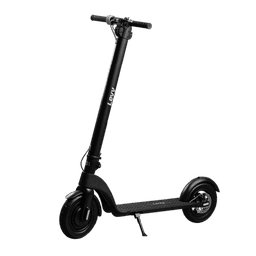
Electric scooters, commonly known as e-scooters, can typically be classified as motorized personal mobility devices. They are designed for single-person use and generally feature a compact design, a rechargeable battery, and an electric motor that propels the scooter forward.
While electric scooters may share some similarities with traditional kick scooters, bicycles, or even motorcycles, they are distinct in terms of power source and performance. The electric motor allows for effortless acceleration and a smooth riding experience, without the need for manual exertion, making them an attractive transportation choice for short to medium distances and a viable alternative to cars for inner-city commuting.
The classification of electric scooters can also vary depending on regional or local laws. For example, in the United States, e-scooters may be broadly categorized as either electric bicycles or as electric personal assistive mobility devices (EPAMDs), depending on factors such as their maximum speed and power output. This categorization can impact the legality of using e-scooters on public roads, sidewalks, or bike lanes, so it is essential for riders to be aware of the specific regulations in their area.
Furthermore, electric scooters may be subject to specific requirements or restrictions regarding licensing, insurance, and equipment such as helmets, lights, or reflectors. It is essential to consult the local transportation authorities or the manufacturer's guidelines to ensure compliance with these regulations and to safely and legally operate an electric scooter.
In conclusion, electric scooters can be classified as motorized personal mobility devices, offering an eco-friendly and efficient alternative to traditional means of transportation. Their classification varies by region, and it is crucial for riders to familiarize themselves with local regulations to ensure the safe and legal use of these versatile vehicles.