





Enhance Your Ride: Installing Signal Lights on Your Electric Scooter
50% of e-scooter accidents occur at night (10pm-6am). Installing turn signal lights improves visibility and safety. Complete guide: wireless vs wired, installation steps, best products 2025, legal requirements.
Electric scooter visibility can mean the difference between a safe ride and a serious accident. The statistics are sobering: nearly 50% of electric scooter accidents occur between 10pm and 6am, and a 22% increase in e-scooter injuries in 2022 highlights growing safety concerns. One of the most effective ways to dramatically improve your visibility and communicate your intentions to drivers is by installing turn signal lights on your electric scooter. This comprehensive guide covers why signal lights are crucial, what's legally required, how to choose the right lights, and detailed installation instructions for both wireless and wired systems.
Whether you're commuting after dark, navigating busy intersections, or simply want to maximize your safety, properly installed signal lights are one of the smartest upgrades you can make to your electric scooter.
Why Signal Lights Are Critical for Electric Scooter Safety
Understanding the compelling safety case for signal lights helps explain why this upgrade should be a priority for every scooter rider.
The Sobering Accident Statistics
Nighttime accident concentration: 50% between 10pm-6am
Nearly half of all electric scooter accidents happen during nighttime hours when visibility is at its lowest. Most nighttime accidents occur at intersections—precisely the locations where turn signals are most valuable for communicating your intentions to drivers.
Rising injury rates: 22% increase in 2022
Electric scooter injuries rose 22% in 2022 compared to the previous year. As scooter usage increases, the importance of visibility-enhancing safety equipment becomes even more critical.
Peak danger hours: 6pm-9pm
Research on cycling (applicable to scooters) shows most fatalities occur between 6pm and 9pm—the dusk hours when visibility drops rapidly but riders haven't yet adjusted their riding behavior. This transition period is especially dangerous without proper lighting.
Intersection accidents
The majority of nighttime scooter accidents occur at intersections. Turn signals are specifically designed to address this vulnerability by clearly communicating your turning intentions to drivers approaching from multiple directions.
Why Drivers Don't See Electric Scooters
Driver conditioning: Drivers are trained and conditioned to look for larger vehicles with bright headlights. At night, they may not instinctively anticipate the presence of smaller, less-illuminated electric scooters. This lack of awareness puts riders at increased risk of not being seen in time to avoid collisions.
Size disadvantage: Electric scooters present a much smaller visual profile than cars, motorcycles, or even bicycles with riders in upright positions. Without enhanced lighting, you're effectively invisible to many drivers.
Speed misconceptions: Drivers often underestimate electric scooter speeds, expecting them to travel at walking pace. When you're actually traveling at 15-20 MPH, this misjudgment creates dangerous situations, especially during turns when drivers may cut across your path thinking they have more time.
How Signal Lights Dramatically Improve Safety
Clear intent communication: Turn signals eliminate ambiguity. Instead of drivers guessing whether you're going straight, turning, or stopping, they instantly understand your intentions, allowing them to react appropriately and safely.
Increased visibility: Bright LED signal lights—especially amber/yellow turn signals—catch drivers' attention far better than hand signals, which are often missed or misunderstood, particularly at night or in adverse weather.
360-degree awareness: Properly positioned signal lights (front and rear) alert drivers approaching from all directions, not just those behind you. This comprehensive visibility is crucial at complex intersections.
Professional appearance: Scooters equipped with turn signals are taken more seriously by drivers, who perceive them as legitimate vehicles rather than toys. This perception shift often results in more respectful road-sharing behavior.
Legal Requirements: What States Actually Require
Understanding legal requirements helps you ensure compliance while making informed upgrade decisions.
Headlight and Taillight Requirements (Almost Universal)
Nearly all 50 states require:
- Front white headlight: Visible from at least 500 feet to the front
- Rear red reflector or light: Visible from at least 600 feet to the rear
- Activation requirement: Must be active when riding at night (typically defined as 30 minutes after sunset to 30 minutes before sunrise)
Common state examples:
- Alabama: Requires brakes and lights; scooters capped at 20 MPH
- Alaska: Front lamp and rear red reflector or light required for night use
- Idaho: Must have brakes, bell, lights, and reflectors
Brake Light Requirements (Increasingly Common)
Most states require brake lights for scooters to be considered street-legal. While not technically necessary for night riding alone, brake lights are very strongly recommended because they:
- Alert following drivers when you're slowing down
- Prevent rear-end collisions
- Provide crucial safety during daytime riding as well
Many modern electric scooters include integrated brake lights that automatically activate when you apply brakes, meeting these requirements out of the box.
Turn Signal Requirements (Generally NOT Required)
Important distinction: In general, turn signals are NOT legally required by traffic laws in the United States for electric scooters. However:
- A few countries (primarily in Europe) do require them
- Some jurisdictions may require them for higher-powered scooters classified as mopeds or motorcycles
- Hand signals are the legal alternative in most states, though far less visible and effective than dedicated turn signal lights
Why install them anyway? Even though not legally mandated, turn signals provide substantial safety benefits that far exceed the minimal investment required. The 50% nighttime accident rate demonstrates that legal minimums aren't sufficient for optimal safety.
Types of Signal Lights: Choosing the Right System
Modern electric scooter signal lights come in two primary categories, each with distinct advantages.
Wireless Remote Control Systems (Easiest Installation)
How they work:
Wireless signal lights are self-contained units with built-in batteries that mount to your handlebars or rear of your scooter. They connect to a small wireless remote control that mounts on your handlebars, allowing you to activate turn signals with the press of a button—no wiring required.
Advantages:
- No wiring necessary: Installation takes 10-15 minutes with basic tools
- Removable: Take lights off when parking in high-theft areas
- Universal compatibility: Works with virtually any scooter model
- Easy battery maintenance: USB rechargeable; charge every 1-2 weeks depending on use
- Rental-friendly: Can move to different scooters easily
Disadvantages:
- Requires charging: Batteries last 5-10 hours of use; must remember to charge
- Potential pairing issues: Wireless connection occasionally needs re-pairing
- Less integrated appearance: Visibly add-on units rather than built-in look
Best for: Riders who want quick installation, rent scooters frequently, or need removable lights for security
Wired Integrated Systems (Professional Installation)
How they work:
Wired systems connect directly to your scooter's electrical system, drawing power from the main battery. They typically integrate with existing wiring harnesses or require routing new wires from the battery to light positions.
Advantages:
- No separate charging: Powered by scooter's main battery; always ready
- Professional appearance: Fully integrated look like factory equipment
- Reliable operation: No wireless pairing issues or dead batteries
- Always functional: As long as scooter has power, lights work
Disadvantages:
- Complex installation: Requires electrical knowledge, wire routing, potentially opening deck
- Permanent modification: Difficult to remove; may void warranty on some scooters
- Compatibility limitations: Requires compatible voltage (typically 24V, 36V, 48V, or 60V systems)
- Professional installation recommended: DIY installation risks damaging electrical system
Best for: Owners of high-end scooters who want a permanent, professional solution and don't mind the installation complexity
Light Positioning Options
Handlebar-mounted lights:
- Advantages: Highly visible to drivers, at eye level, easy to install
- Best type: Wireless grip-style lights that replace or attach to existing grips
- Visibility: Front-facing for drivers approaching from ahead
Rear/tail-mounted lights:
- Advantages: Alert drivers behind you, can combine turn signals with brake light
- Best type: Integrated tail lights with left/right turn indicators
- Visibility: Critical for preventing rear-end collisions
Combination systems (recommended):
The safest approach uses both front handlebar signals and rear tail signals, providing 360-degree visibility and ensuring drivers from all directions can see your intentions.
Top Signal Light Products for 2025
Based on reviews, features, and real-world performance, here are the best signal light options for electric scooters.
Best Wireless Remote Control Systems
1. MEILAN X5 Smart Tail Light with Turn Signals
- Type: Rear-mounted wireless tail light with remote control
- Features: 6 lighting modes, automatic brake light activation, 85 lumens, 30 LEDs
- Battery: USB rechargeable, long-lasting battery
- Remote control: Handlebar-mounted wireless remote
- Price range: $30-$45
- Best for: Riders wanting the most feature-rich wireless tail light
2. Smart Turn Signal System (Universal - Xiaomi/Segway Compatible)
- Type: Rear tail light with wireless remote and horn
- Features: Turn signals with audible horn when turning, 5 lighting modes
- Battery: 900mAh Li-ion, charges in 2 hours, 5+ hours runtime
- Compatibility: Xiaomi M365, Pro, Pro 2, 1S, Segway Ninebot models
- Waterproof: IPX6 rated
- Price range: $25-$35
- Best for: Budget-conscious riders with Xiaomi or Segway scooters
3. Natkie Wireless Handlebar Grip Turn Signal Lights
- Type: Handlebar grip-mounted signal lights with wireless remote
- Features: Replace or attach to existing grips, 4 modes (left, right, full bright, double flash, off)
- Compatibility: Ninebot Max G30, Hiboy, Segway, Xiaomi models
- Installation: No wiring; simple handlebar mounting
- Charging: USB rechargeable
- Price range: $30-$40
- Best for: Riders wanting front-facing handlebar signals
4. Ulip Tail Light with Turn Signals and Remote
- Type: Rear fender tail light with wireless remote
- Features: 4 modes (steady on, flashing, all-flash, progressive side flash)
- Battery: 900mAh rechargeable
- Installation: Clips to rear fender; no wiring required
- Price range: $25-$35
- Best for: Quick rear light installation with multiple lighting modes
Electric Scooters with Built-In Turn Signals
If you're in the market for a new scooter, some models come with integrated turn signal systems:
Apollo City: Features integrated turn signals on both the deck and handlebar ends, making it easier for drivers to spot you from multiple angles. The professional integration means no aftermarket installation needed.
Premium scooters ($1,000+): Turn signals tend to only appear on scooters costing over $1,000, as they require more sophisticated electrical systems and design integration.
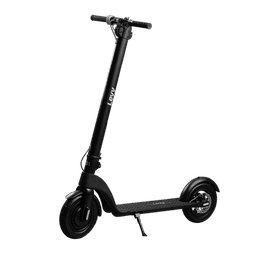
US-based manufacturers: Quality scooters from companies like Levy are engineered with comprehensive lighting systems from the ground up, including bright headlights, taillights, and in some premium models, integrated turn signals. Proper factory integration ensures lights are optimally positioned, waterproofed, and powered reliably without the compromises of aftermarket additions.
Installation Guide: Wireless Signal Lights (15-20 Minutes)
Wireless systems are the easiest to install and require minimal tools or technical knowledge.
Tools and Materials Needed
- Wireless signal light kit (handlebar or tail-mounted)
- Allen keys or hex wrenches (usually included with kit)
- Clean cloth
- Isopropyl alcohol (for cleaning mounting surfaces)
- Cable ties or velcro straps (for securing remote and excess cables)
Step-by-Step: Wireless Handlebar Signal Lights
Step 1: Prepare the scooter
- Turn off your scooter completely
- Clean handlebars with isopropyl alcohol where lights will mount
- Ensure handlebars are dry before proceeding
Step 2: Remove or adjust existing grips (if necessary)
- For grip-replacement lights: Unscrew brake lever and throttle, slide off old grips, slide new light-equipped grips on, reattach brake and throttle
- For clip-on lights: Skip this step; lights mount directly to handlebars
Step 3: Mount the light units
- Position lights on handlebars at comfortable reach
- Ensure LEDs face outward (visible to drivers)
- Tighten mounting hardware securely but don't overtighten (can crack plastic housings)
Step 4: Install the wireless remote
- Choose a convenient location on handlebars (typically near throttle for easy thumb access)
- Mount remote using provided bracket or adhesive
- Ensure buttons are easily accessible while maintaining grip
Step 5: Charge the system before first use
- Most systems require full charging before initial use (typically 2-3 hours)
- Use provided USB cable and standard USB charger
- Charging indicator lights will show when fully charged
Step 6: Pair the remote with lights
- Left light pairing: Hold button until light blinks, then press and hold buttons 3 + 4 on remote simultaneously until light stays solid
- Right light pairing: Hold button on right light; it automatically pairs
- Tail light pairing: Follow manufacturer-specific instructions (usually similar process)
Step 7: Test all functions
- Test left turn signal
- Test right turn signal
- Test full bright/hazard mode
- Test off function
- Verify visibility from 50-100 feet away
Step 8: Secure all components
- Use cable ties to secure any loose wires to frame
- Ensure no cables interfere with steering, folding, or braking
- Double-check all mounting hardware is tight
Step-by-Step: Wireless Tail Signal Lights
Step 1: Choose mounting location
- Most tail lights mount to rear fender or seat post
- Ensure position is visible to drivers behind you (not blocked by rider)
- Clean mounting surface with isopropyl alcohol
Step 2: Attach light to scooter
- Clip-style: Simply clip light onto fender edge
- Bracket-style: Use provided brackets and screws to secure light
- Adhesive-style: Peel adhesive backing and firmly press to clean, dry surface
Step 3: Mount remote on handlebars
- Position for easy thumb access while riding
- Secure with provided mounting system (bracket, velcro, or adhesive)
Step 4: Charge, pair, and test
- Fully charge before first use
- Pair remote with tail light following manufacturer instructions
- Test all signal modes and verify visibility
Installation Guide: Wired Signal Lights (1-3 Hours)
Wired installations are more complex and often best left to professionals unless you have electrical experience.
Tools and Materials Needed
- Wired signal light kit compatible with your scooter's voltage
- Screwdriver set (Phillips and flathead)
- Allen keys/hex wrenches
- Wire strippers
- Electrical tape
- Heat shrink tubing (recommended)
- Multimeter (for testing voltage)
- Cable ties or zip ties
- Waterproof sealant or silicone (for sealing entry points)
Critical Safety Precautions
Before starting wired installation:
- Turn off scooter completely
- Remove battery if possible: This eliminates all electrical hazards
- Verify voltage compatibility: Use multimeter to confirm your scooter's voltage (24V, 36V, 48V, or 60V) matches the light kit
- Understand warranty implications: Opening the deck or modifying electrical systems voids warranties on most scooters
- Consider professional installation: If uncomfortable with electrical work, pay $50-$150 for professional installation
Step-by-Step: Wired Signal Light Installation
Step 1: Access the electrical system
- Remove deck cover (usually 6-12 screws)
- Locate main wiring harness and battery connections
- Take photos before disconnecting anything (for reference during reassembly)
Step 2: Check for pre-installed wiring harness
- Some scooters include unused wiring harnesses specifically for signal lights
- If present: Simply connect lights to existing harness (matching colors)
- If absent: Proceed with manual wiring
Step 3: Mount light units
- Attach lights to handlebars or frame at front and rear
- Use provided brackets and hardware
- Ensure lights face correct directions (visible to drivers)
Step 4: Route wires from lights to electrical system
- Run wires along frame using existing cable paths when possible
- Avoid routing near moving parts (wheels, folding mechanisms)
- Use cable ties every 6-8 inches to secure wires to frame
- Leave some slack to allow for steering and folding
Step 5: Connect to power source
- Identify positive (+) and negative (-) wires: Usually red = positive, black = negative
- Color-code connections: Match light wiring to scooter wiring by color
- Strip wire ends: Remove 1/4 inch of insulation
- Connect wires: Twist together or use wire connectors
- Insulate connections: Wrap with electrical tape or use heat shrink tubing
Step 6: Install control switch
- Mount turn signal control switch on handlebars (usually left side)
- Connect switch wiring to signal lights and power source
- Ensure switch is accessible while maintaining grip
Step 7: Test before sealing
- Temporarily reconnect battery
- Turn on scooter
- Test each signal light direction
- Verify no short circuits (lights should function normally)
- If problems occur, turn off immediately and check all connections
Step 8: Waterproof and seal
- Apply waterproof sealant around any new holes drilled in deck
- Ensure all wire entry points are sealed
- Use heat shrink tubing on all wire connections for maximum protection
Step 9: Reassemble deck and final test
- Replace deck cover, ensuring no wires are pinched
- Tighten all screws securely
- Perform final test of all signal functions
- Test ride in safe area to verify everything works during normal operation
Maintenance and Care: Keeping Lights Functional
Proper maintenance ensures your signal lights remain reliable and effective.
Wireless System Maintenance
Regular charging:
- Charge every 1-2 weeks depending on usage
- Don't wait for complete battery depletion (reduces battery lifespan)
- A full charge typically takes 2-3 hours
Re-pairing when needed:
- If lights stop responding to remote, re-pair following original pairing process
- Keep pairing instructions saved for quick reference
Weatherproofing:
- Most systems are water-resistant (IPX4-IPX6), not fully waterproof
- Remove lights during heavy rain or when washing scooter
- Dry completely before reinstalling
Physical inspection:
- Check monthly that mounting hardware is tight
- Verify LEDs are functioning (replace units if LEDs fail)
- Inspect for cracks in housings that could allow water intrusion
Wired System Maintenance
Connection checks:
- Every 3-6 months, inspect wire connections for corrosion
- Re-insulate any connections where tape has deteriorated
Wire security:
- Verify cable ties are holding wires securely to frame
- Replace any broken cable ties
- Check for wire chafing or damage from vibration
Function testing:
- Test all signal functions before each ride
- If lights dim over time, may indicate electrical system issues requiring professional diagnosis
Riding Safely with Signal Lights: Best Practices
Having signal lights installed is only half the battle—using them effectively maximizes safety.
When to Use Turn Signals
- Before every turn: Activate signals 3-5 seconds before turning to give drivers adequate warning
- Lane changes: Signal before moving from bike lane to traffic lane or vice versa
- At intersections: Always signal your intentions even if no traffic is visible (drivers appear quickly)
- Roundabouts: Signal when exiting roundabouts to alert drivers behind you
Night Riding Safety Tips Beyond Signal Lights
Reduce speed by 25-30%: Your visibility and reaction time are significantly reduced at night. Slow down accordingly.
Increase following distance: Extend the standard 2-second following distance to 4 seconds at night to compensate for reduced visibility.
Wear reflective clothing: Combine signal lights with reflective vests, ankle bands, or helmet reflectors for maximum visibility.
Avoid high-risk areas: Poorly lit roads without bike lanes are especially dangerous at night; choose well-lit routes when possible.
Never ride intoxicated: Lower visibility combined with intoxication creates extremely dangerous conditions; statistics show this combination is a leading cause of nighttime scooter accidents.
Signal Light Etiquette
- Cancel signals after turning: Don't leave signals blinking after completing your turn (confuses drivers)
- Use hazard mode sparingly: Reserve double-flash/hazard mode for genuine emergencies or when stopped on roadside
- Bright settings for night, moderate for day: Adjust brightness if your system allows to avoid blinding nearby riders
Alternatives and Supplements to Signal Lights
While dedicated signal lights are most effective, several alternatives and supplements enhance visibility.
Hand Signals (Legal Standard)
Hand signals are the legal standard for communicating turns on electric scooters:
- Left turn: Left arm extended horizontally
- Right turn: Right arm extended horizontally (or left arm bent upward at elbow)
- Stopping: Left arm bent downward at elbow
Limitations:
- Difficult to see at night
- Require removing hand from controls (reduces stability)
- Often misunderstood by drivers unfamiliar with cycling hand signals
- Ineffective in adverse weather when hands should remain on handlebars
Best practice: Use both hand signals AND turn signal lights for maximum communication
Supplementary Visibility Lighting
Helmet-mounted lights: Add front-facing lights to helmet for additional visibility and ability to direct light where you're looking
Wheel lights: LED strips on wheels create highly visible moving light patterns that catch drivers' attention
Underglow lights: LED strips under deck increase your scooter's visual footprint, making you appear larger and more noticeable
Reflective tape: Apply reflective tape to frame, fenders, and helmet for passive visibility without batteries
Common Problems and Solutions
Wireless System Issues
Problem: Remote and lights won't pair
- Solution: Ensure both units are fully charged; try pairing process multiple times; move away from wireless interference sources (WiFi routers, other Bluetooth devices)
Problem: Lights work intermittently
- Solution: Check battery level; re-pair devices; inspect for water damage in battery compartment
Problem: Short battery life (under 3 hours)
- Solution: Battery may be degraded; replace unit or contact manufacturer for warranty replacement
Wired System Issues
Problem: Lights don't work after installation
- Solution: Check all wire connections; verify correct polarity (+ to +, - to -); test voltage at light connection points with multimeter
Problem: Lights cause scooter to shut off or malfunction
- Solution: Short circuit likely; immediately disconnect lights and inspect all connections for exposed wires touching
Problem: One light works but other doesn't
- Solution: Check connections to non-functioning light; verify light unit itself isn't defective by swapping with working light
Cost Analysis: What to Expect
Wireless System Costs
- Basic wireless tail light: $25-$35
- Premium wireless tail light: $35-$50
- Wireless handlebar lights: $30-$45
- Complete wireless system (front + rear): $50-$80
- Installation: DIY (free) or professional ($25-$50 for simple mounting)
Wired System Costs
- Basic wired light kit: $40-$75
- Premium wired system: $75-$150
- Installation: DIY (free if experienced) or professional ($75-$200 depending on complexity)
Total Cost Comparison
Most economical option: Single wireless tail light ($25-$35) + DIY installation = $25-$35 total
Comprehensive safety setup: Wireless handlebar + wireless tail light ($50-$80) + DIY installation = $50-$80 total
Professional integrated solution: Wired system ($75-$150) + professional installation ($75-$200) = $150-$350 total
ROI perspective: Even the comprehensive $50-$80 wireless setup is a minimal investment compared to potential medical bills from a single accident. With 50% of accidents occurring at night and signal lights dramatically improving visibility, this is one of the highest-value safety upgrades available.
Conclusion: Signal Lights Are Essential Safety Equipment
The statistics make the case for signal lights undeniable: 50% of electric scooter accidents occur during nighttime hours (10pm-6am), and a 22% increase in injuries in 2022 demonstrates that as scooter usage grows, safety equipment becomes increasingly critical. Turn signal lights address the core problem—drivers don't instinctively look for small, less-illuminated electric scooters, especially at night when visibility is already compromised.
Key takeaways:
- Not legally required but safety-critical: While most states don't mandate turn signals, the nighttime accident statistics prove legal minimums aren't sufficient for optimal safety
- Wireless systems offer easiest installation: 15-20 minute installation, $25-$80 cost, no electrical knowledge required
- Wired systems provide professional integration: Best for high-end scooters where permanent installation is preferred
- Combination approach is safest: Front handlebar + rear tail signals provide 360-degree visibility
- Maintenance is minimal: Charge wireless systems every 1-2 weeks; inspect wired systems every 3-6 months
- Use signals consistently: Activate 3-5 seconds before turns; signal at every intersection; combine with hand signals when possible
Beyond aftermarket additions: If you're purchasing a new scooter, consider models with factory-integrated turn signals like the Apollo City. US-based manufacturers like Levy engineer comprehensive lighting systems from the ground up, ensuring optimal positioning, waterproofing, and reliable power integration without the compromises inherent in aftermarket installations.
Whether you choose a $25 wireless tail light or invest in a complete integrated system, installing turn signal lights is one of the smartest safety upgrades you can make to your electric scooter. Combined with reduced night riding speeds (25-30% slower), increased following distances, reflective clothing, and consistent signal use, you dramatically reduce your risk of becoming part of the sobering nighttime accident statistics. Your visibility—and your safety—are worth the minimal investment.