





Exploring Galapagos Islands with Eco-Friendly Electric Scooters
Explore the eco-friendly electric scooters that are revolutionizing transportation on the Galapagos Islands while preserving their unique, fragile ecosystems.
The Galapagos Islands, Ecuador's renowned UNESCO World Heritage site located approximately 600 miles off the Pacific coast, are globally celebrated for their extraordinary biodiversity, unique endemic species that inspired Charles Darwin's theory of evolution, and remarkably intact ecosystems found nowhere else on Earth. As tourism to these volcanic islands has grown substantially—with visitor numbers approaching 300,000 annually—preserving the archipelago's fragile and irreplaceable ecosystem while accommodating sustainable tourism has become increasingly critical for local authorities, conservationists, and the Ecuadorian government. The concept of eco-friendly electric transportation including electric scooters, e-bikes, and other zero-emission vehicles presents an intriguing solution for reducing tourism's environmental impact on these pristine islands. This comprehensive guide explores the current state of electric transportation in the Galapagos including what's actually available now versus aspirational future possibilities, the strict environmental regulations governing all transportation and tourism activities, practical alternatives currently used by eco-conscious visitors, and how the philosophy of sustainable, low-impact travel applies to exploring these remarkable islands whether through electric bikes, traditional bicycles, walking, or carefully regulated motorized transport. Whether you're planning a visit to the Galapagos or simply interested in how one of Earth's most ecologically sensitive destinations balances tourism with conservation, understanding the transportation landscape reveals important lessons about sustainable travel in environmentally fragile locations.
Current Transportation Reality in the Galapagos (2024-2025)
It's important to clarify what electric transportation is actually available in the Galapagos today:
Electric Bicycles (E-Bikes) - Available Now: Electric bicycles are currently available for rent on Santa Cruz Island, the tourism hub of the Galapagos, through rental companies like Bike & Smile in Puerto Ayora. E-bikes offer pedal-assist electric motors that help riders cover longer distances with less effort—particularly valuable given the hilly terrain on many islands. Batteries typically handle 40+ kilometers on a single charge, sufficient for day trips to popular destinations like Garrapatero Beach, Tortuga Bay, or El Chato Tortoise Reserve. Rental rates typically $15-30 per day depending on model and rental duration. E-bikes represent the primary electric transportation option currently available to tourists. On Isabela Island, bike rentals (primarily conventional, though some e-bikes available) are promoted as "the easiest and most sustainable way to get around Puerto Villamil."
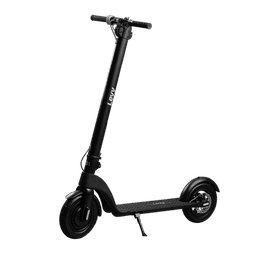
Electric Scooters - Limited to Non-Existent: Contrary to some expectations, electric scooters (e-scooters) do not appear to be widely available for tourist rental in the Galapagos as of 2024-2025. Current research and visitor reports do not indicate established e-scooter rental operations on the main tourist islands (Santa Cruz, San Cristobal, Isabela, Floreana). If electric scooters exist, they're likely limited to private ownership by residents rather than tourist rental services. The focus for tourists remains on bicycles (conventional and electric), walking, water taxis, and tour buses. The rugged, unpaved terrain on many parts of the inhabited islands may limit e-scooter practicality compared to sturdier e-bikes.
Why E-Scooters Haven't Gained Traction: Several factors likely explain limited e-scooter adoption: Galapagos National Park regulations are extremely strict—new transportation modes require approval considering environmental impact. Infrastructure on inhabited islands is limited—many roads are unpaved or rough, better suited to bicycles than scooters. Tourist activity is heavily regulated through guided tours rather than independent exploration—less demand for personal transport. Small, dispersed population on inhabited areas means limited commercial incentive for rental businesses. Conservative approach to new technology introduction protects ecosystem from unforeseen impacts.
Galapagos Environmental Regulations and Tourism Control
Understanding transportation options requires understanding the regulatory framework:
Galapagos National Park Authority: Approximately 97% of the Galapagos land area is National Park—strictly protected with minimal human activity allowed. Only 3% is inhabited (parts of Santa Cruz, San Cristobal, Isabela, Floreana islands). All tourism activities within the National Park require licensed guides and strict adherence to regulations. Violating park regulations results in immediate banishment from the park, heavy fines, or both. Transportation within park boundaries is tightly controlled through designated trails and authorized tour operators.
Transportation Regulations: Within inhabited areas (Puerto Ayora, Puerto Baquerizo Moreno, Puerto Villamil), local transportation is permitted with minimal restrictions. Bicycles and e-bikes are encouraged as low-impact options. Motorized vehicles (cars, trucks, motorcycles) exist but are limited and primarily for residents/commercial use. Tour buses connect inhabited areas to park access points. Within National Park areas, walking on designated trails is primary mode—no vehicles except park service and scientific research. Water taxis and tour boats transport visitors between islands and to snorkeling/dive sites. The Galapagos Ecological Airport (Baltra Island) runs solely on solar and wind power with 80% of infrastructure made from recycled materials—demonstrates sustainability commitment.
Current Sustainable Transport Options for Visitors
Eco-conscious visitors have several practical options:
Electric Bicycles (Best Motorized Option): Available on Santa Cruz and limited availability on other islands. Ideal for exploring inhabited areas and reaching trailheads independently. Allows visitors to cover 30-50 km distances that would be exhausting on conventional bikes in tropical heat. Zero emissions and minimal noise impact compared to motorcycles or cars. Practical for day trips to beaches, tortoise reserves, and highland areas. Rentals from companies like Bike & Smile (Santa Cruz) offer well-maintained equipment. Battery range typically sufficient for full-day exploration with return to town for charging. Cost-effective at $15-30/day compared to taxi costs for similar distances.
Conventional Bicycles (Most Accessible): Widely available on all inhabited islands through multiple rental shops. Lowest cost option ($5-15 per day typically). Completely zero-impact transportation. Excellent for short trips within Puerto Ayora, Puerto Villamil, or other towns. Good exercise and slower pace allows better wildlife observation. Agora Tours Isabela actively promotes bike rentals as sustainable exploration method. Suitable for fit travelers comfortable with tropical heat and island terrain.
Walking (Zero Impact): Primary and often required transportation within National Park areas. Designated trails protect vegetation while allowing wildlife observation. Iconic Galapagos experiences like Tortuga Bay (2.5 km trail from Puerto Ayora) are walking-only. Encourages slow, respectful pace appropriate for wildlife observation. Free and healthiest option. Essential to bring sun protection, water, and appropriate footwear.
Water Taxis and Tour Boats: Necessary for inter-island transport and accessing marine sites. Increasingly, operators invest in fuel-efficient engines and sustainable practices. Required for snorkeling/diving sites, remote beaches, and island transfers. Costs vary widely based on destination and tour package. Choose tour operators with recognized environmental certifications.
Organized Tour Buses: Connect inhabited areas to National Park access points. Generally fuel-efficient modern vehicles. Required for accessing some highlands and reserve areas. Included in most multi-day Galapagos tour packages. Shared transport reduces per-person environmental impact.
Why Electric Transportation Matters for Galapagos
The case for expanding electric transport options extends beyond tourism convenience:
Environmental Protection: Zero direct emissions preserve air quality critical for sensitive ecosystems. Reduced noise pollution prevents disturbance to endemic wildlife species. No oil/fuel spills risk that threatens unique marine environments. Lower maintenance requirements mean less chemical waste (oil changes, lubricants, etc.). Climate change mitigation—Galapagos highly vulnerable to sea level rise and ocean temperature changes.
Sustainable Tourism Growth: Galapagos tourism generates crucial revenue for Ecuador and local communities—estimated $418 million annually. Sustainable transport allows visitor access while minimizing impact. Demonstrates cutting-edge environmental practices, enhancing Galapagos's reputation. Attracts eco-conscious travelers willing to pay premium for sustainable experiences. Provides model for other sensitive ecosystems facing tourism pressures.
Infrastructure Modernization: The 2012 Galapagos Ecological Airport demonstrates renewable energy commitment. Electric transport infrastructure complements existing renewable energy investments. Reduces dependence on imported fossil fuels—significant logistical and cost savings for isolated islands. Creates opportunities for solar charging stations utilizing abundant equatorial sunshine.
Practical Advice for Eco-Conscious Galapagos Visitors
How to minimize transportation impact during your visit:
Pre-Trip Planning: Choose tour operators with recognized sustainability certifications (Rainforest Alliance, Travelife, etc.). Consider land-based tours staying on one island rather than cruise ships—reduces fuel consumption. Book accommodations within walking/biking distance of key sites. Research which islands best match your interests to minimize inter-island flights/boats. Understand that access restrictions exist for ecosystem protection—embrace them rather than seeking workarounds.
On-Island Transportation: Rent e-bike or conventional bicycle for exploring inhabited areas independently. Walk whenever feasible—distances within towns are short. Use shared tour buses rather than private taxis when accessing park areas. For water transport, choose boats with efficient engines and proper waste management. Avoid renting cars/motorcycles unless absolutely necessary for your specific situation. Support local businesses that demonstrate environmental commitment.
Respecting Regulations: Stay on designated trails—vegetation damage takes years to recover in fragile ecosystem. Maintain 2-meter distance from wildlife (6 feet minimum)—getting closer is illegal and stresses animals. Never feed wildlife or leave any trash—"leave no trace" is strictly enforced. Respect photography guidelines—no flash photography that could disturb animals. Follow guide instructions precisely—they're trained in minimizing tourist impact. Report any regulation violations you observe to park authorities.
Future of Electric Transport in Galapagos
What might the future hold for electric mobility?
Potential Developments: Expansion of e-bike rental infrastructure to smaller inhabited islands. Introduction of electric water taxis for inter-island short trips. Electric tour buses replacing diesel buses on inhabited islands. Possible controlled introduction of e-scooters for residents and eventually tourists if proven low-impact. Solar charging station networks supporting expanded electric vehicle use. Electric maintenance/service vehicles for park operations replacing diesel equipment.
Challenges to Overcome: Limited electrical grid capacity on small islands—charging infrastructure requires investment. Battery disposal and recycling—ensuring batteries don't create new waste problems. Saltwater corrosion issues for vehicles in marine environment—requires robust engineering. Balance between access and preservation—even low-impact transport increases visitor numbers. Cost considerations—island isolation makes everything more expensive including electric vehicles and parts. Ensuring local community benefits from tourism technology investments.
Conclusion
While the vision of exploring the Galapagos Islands with eco-friendly electric scooters remains largely aspirational as of 2024-2025, the reality offers compelling sustainable alternatives that align with the archipelago's conservation priorities. Electric bicycles currently available on Santa Cruz Island through operators like Bike & Smile represent the primary electric transportation option for tourists, offering zero-emission mobility with sufficient 40+ kilometer range to access key sites like Garrapatero Beach and tortoise reserves. Conventional bicycles remain widely available across all inhabited islands, promoted by companies like Agora Tours Isabela as "the easiest and most sustainable way" to explore, combining affordability ($5-15/day), zero environmental impact, and authentic slow-travel experiences that match the Galapagos's contemplative pace.
The strict environmental regulations governing the Galapagos—where 97% of land area is protected National Park and tourism activities face immediate banishment or heavy fines for violations—explain why new transportation modes like e-scooters haven't gained traction despite their popularity elsewhere. The islands' rugged, often unpaved terrain, conservative regulatory approach to ecosystem protection, and emphasis on guided tours rather than independent exploration create an environment where proven low-impact options like bicycles are favored over newer technologies requiring evaluation of unforeseen consequences. The Galapagos National Park Authority and Ecuadorian Ministry of Tourism prioritize preservation over convenience, ensuring that any transportation evolution serves conservation first and tourism second.
For the approximately 300,000 annual visitors seeking to explore these irreplaceable islands responsibly, the message is clear: embrace currently available sustainable options including e-bikes for longer distances and challenging terrain, conventional bicycles for local exploration and maximum sustainability, walking for park trails and short distances (required in many areas), and shared tour buses and boats operated by certified eco-conscious companies. By choosing accommodations within walking or biking distance of interests, respecting the 2-meter wildlife distance requirement and designated trail systems, supporting local businesses committed to sustainability, and understanding that access restrictions exist specifically to preserve the ecosystem that makes Galapagos special, visitors can experience these evolutionary showcases while ensuring they remain intact for future generations. The future may indeed bring expanded electric transportation including e-scooters, but for now, the focus remains on perfecting what works: low-impact exploration that prioritizes the very biodiversity that makes the Galapagos Islands extraordinary.