





How to Repair Lime Electric Scooters: A Comprehensive Guide
Comprehensive guide to repairing Lime electric scooters covering Gen 3/Gen 4 models, legal considerations for rental vs. owned scooters, common issues (flat tires, brakes, batteries), troubleshooting steps, replacement parts ($25-$150), safety protocols, and proper reporting through Lime app.
Repairing Lime electric scooters requires understanding that these shared rental scooters feature proprietary components with security features making unauthorized repairs difficult and potentially illegal, though common issues include flat tires, brake malfunctions, dead batteries, and wiring problems that users can identify through the Lime app. Lime deploys Generation 3 and Generation 4 scooter models with specifications including 36V 15.9Ah lithium-ion batteries (Gen 3: 572.4Wh, 40km range, 250W motor; Gen 4: dual brakes, bluetooth LimeLock, LED screen), and users experiencing issues should report problems through the Lime app rather than attempting unauthorized repairs on rental scooters due to liability concerns and user agreement terms requiring pre-ride safety inspections. Riders can troubleshoot minor issues (flat tire patching with puncture repair kit and air pump, brake adjustment checking pads/cables/levers for wear, battery testing with multimeter to verify charger/battery voltage), but rental Lime scooters remain company property protected by liability waivers absolving Lime of defect-related injuries while imposing strict liability on the company for accidents from brake failures or lack of maintenance. Legal considerations include Lime's obligation to maintain scooter fleet safety (class action lawsuits filed for negligent maintenance), prohibition against user repairs that could be construed as creating defects, and the reality that official Lime replacement parts are unavailable through direct channels while aftermarket components (42V 2A chargers, 36-48V batteries, 500W+ motor controllers, generic tires) exist on eBay and other marketplaces primarily for personally-owned decommissioned Lime scooters. Safety concerns include documented brake problems causing accidents and injuries (Consumer Reports investigation), severe crushing leg injuries from bike weight and lack of maintenance (London 2019), and Lime's 2020 cover-up of 50+ incidents resulting in broken bones and damaged teeth—making proper identification of issues, app-based reporting, consultation with Lime Support (website or helpline with detailed troubleshooting information), and seeking authorized professional repair the recommended approach for ensuring scooter safety while avoiding legal liability and user agreement violations.
Understanding Lime Electric Scooters
Lime operates shared electric scooters that have become ubiquitous in cities worldwide, requiring specialized knowledge for repair.
Lime Scooter Models and Specifications
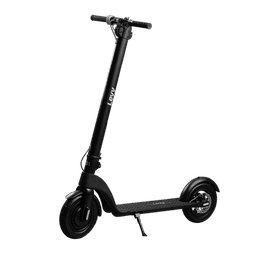
Lime currently deploys four main scooter models:
- Lime-S Ninebot ES4: Manufactured by Segway, this early model features standard specifications for shared scooter use
- Lime-S Generation 3: Designed in-house by Lime with the following specifications:
- Top speed: 25 km/h (15.5 mph)
- Battery: 36V 15.9Ah lithium-ion (572.4Wh capacity)
- Charging time: Approximately 7 hours
- Maximum range: 40 km (24 miles)
- Motor: 250W nominal power, rear wheel drive
- Weight: 22.5 kg (49.60 lb)
- Max driver weight: 100 kg (220 lbs)
- Hill climbing: Up to 15% grade
- Lime-S Generation 4: Latest model with enhanced safety features:
- Bluetooth LimeLock system for secure tethering to bike racks and permitted infrastructure
- Double kickstand for improved stability when parked
- Low center of gravity design to keep scooter upright
- Dual brake system with hand controls for quicker braking response
- Improved wet-surface braking (stops in half the distance of leading competitors in testing)
- LED screen displaying battery level and geofenced zone information
- Lime-S Generation 4.1: Incremental improvements over Gen 4 with refined components
Proprietary Components and Security Features
Lime scooters contain proprietary technology that creates barriers to unauthorized repair:
- GPS tracking systems: Built-in location tracking prevents theft and monitors scooter usage patterns
- Custom battery management systems: Proprietary firmware controls charging, discharge, and battery health monitoring
- IoT connectivity: Scooters communicate with Lime's servers for fleet management, diagnostics, and remote locking
- Bluetooth LimeLock (Gen 4): Security tethering system requires app authentication to unlock
- Tamper detection: Internal sensors detect unauthorized access attempts and component modifications
- Software restrictions: Embedded software prevents operation with non-Lime components or modified configurations
These security features make DIY repairs difficult or impossible for rental scooters without specialized tools and access credentials.
Legal and Liability Considerations
Before attempting any repair on a Lime scooter, understanding legal implications is critical.
Rental Scooters vs. Personally-Owned Lime Scooters
The legal landscape differs dramatically based on ownership:
Rental Lime Scooters (Active Fleet):
- Property ownership: Rental scooters remain Lime's property at all times—users license access, not ownership
- Prohibited repairs: User agreements prohibit unauthorized modifications or repairs to rental scooters
- Liability for damages: Users can be held financially responsible for damage caused by unauthorized repair attempts
- Legal consequences: Tampering with rental scooters may constitute theft, vandalism, or property damage
- Defect accusations: If attempting to investigate or repair a defect, Lime could accuse you of creating the defect yourself
- Proper protocol: Report all issues through the Lime app and allow company-authorized technicians to perform repairs
Personally-Owned Decommissioned Lime Scooters:
- Full ownership rights: Scooters purchased from auctions, liquidation sales, or secondhand markets can be legally repaired
- Warranty considerations: Any remaining warranties void upon unauthorized repairs or modifications
- Replacement parts access: Aftermarket and generic parts available through eBay, Banggood, and scooter forums
- Technical knowledge required: Proprietary components may require reverse engineering or custom solutions
- No official support: Lime does not provide technical support or parts for decommissioned scooters
Liability Waivers and User Agreements
Lime's user agreements contain extensive liability protections:
- Pre-ride inspection requirement: Users must inspect scooters for safety issues before each ride
- Liability waiver: Riders must waive liability claims to use Lime scooters, creating a high bar for subsequent lawsuits
- Defect injury absolution: Lime attempts to absolve itself from liability if defective scooters cause injuries
- Legal recourse limitations: Despite waivers, injured riders have sued Lime with varying degrees of success
- Class action lawsuits: Multiple class actions filed against Lime for negligent maintenance and unsafe operational conditions
Lime's Legal Obligations and Liability
Despite user agreement protections, Lime faces legal liability in several areas:
- Maintenance obligations: Lime has legal duty to maintain scooter fleet in safe operational condition
- Defective equipment liability: When scooters are defective or need repair, Lime can be held liable for resulting injuries
- Strict liability for malfunctions: Courts can impose strict liability for accidents from brake failures or software malfunctions regardless of negligence
- Hazard removal duty: In Hacala v. Bird Rides, Inc. (2023), courts established shared scooter companies must remove or relocate scooters posing risks to others
- Negligent maintenance: If improper fleet maintenance leads directly to injuries, Lime can be liable under negligence theories
- Safety incident concealment: Australian Competition & Consumer Commission found Lime covered up 50+ injury incidents (broken bones, damaged teeth) in 2020
Documented Safety Issues
Lime scooters have documented safety problems affecting repair priorities:
- Brake failures: Consumer Reports investigation revealed brake problems causing accidents and injuries
- Crushing injuries: 2019 London investigation found severe lifelong "motorcycle-like" crushing leg injuries from Lime bikes due to weight, design, and lack of maintenance
- Concealed incidents: Lime covered up at least 50 scooter incidents resulting in broken bones and damaged teeth (Australian regulator finding, June 2020)
- Maintenance lapses: Multiple documented cases of scooters deployed with defective brakes, worn tires, or battery issues
Important: If you encounter a Lime scooter with safety issues, do NOT ride it. Report the problem immediately through the Lime app to prevent injuries to other riders.
Step 1: Identify the Issue
Accurate diagnosis is the foundation of effective scooter repair.
Common Lime Scooter Problems
Lime scooters typically experience these issues:
Tire and Wheel Problems:
- Flat tires: Punctures from road debris, thorns, or sharp objects (most common issue)
- Worn tires: Tread wear reducing traction and increasing puncture risk
- Wheel wobble: Loose axle nuts or damaged bearings causing instability
- Tire separation: Tire pulling away from rim due to improper installation or damage
Brake Issues:
- Weak braking: Worn brake pads reducing stopping power
- Brake not engaging: Cable stretch, cable damage, or mechanical failure preventing brake activation
- Squealing brakes: Contaminated brake pads or misalignment
- Complete brake failure: Critical safety issue requiring immediate scooter removal from service
Electrical and Battery Problems:
- Won't power on: Dead battery, damaged power button, or internal electrical fault
- Won't charge: Faulty charger, damaged charging port, or battery management system failure
- Short battery life: Battery degradation from age or charge cycles
- Intermittent power: Loose connections, damaged wiring, or controller issues
- Error codes on LED display (Gen 4): System diagnostics indicating specific component failures
Structural and Mechanical Issues:
- Loose handlebars: Stem bolt loosening from vibration and use
- Kickstand problems: Broken or bent kickstand preventing stable parking
- Deck damage: Cracks or breaks in deck from impacts or excessive weight
- Folding mechanism failure: Locking mechanism not engaging or breaking
App and Connectivity Problems:
- Won't unlock: Bluetooth connectivity issues, app problems, or LimeLock malfunction (Gen 4)
- GPS inaccuracy: Location tracking errors affecting ride end and parking verification
- Payment processing errors: App-based issues rather than scooter hardware problems
Diagnostic Process
Systematic diagnosis identifies root causes:
- Visual inspection: Walk around scooter examining tires, brakes, deck, handlebars, and visible components for obvious damage
- Tire check: Press tire with thumb—properly inflated tire resists compression; flat tire compresses easily
- Brake test: Squeeze brake levers to verify engagement—brakes should activate firmly without excessive lever travel
- Power test: Attempt to power on scooter using power button—LED display should illuminate if battery has charge
- Throttle test (if powered on): Gently engage throttle to check motor response—motor should engage smoothly
- Connectivity check: Open Lime app and attempt to unlock scooter—verifies app/scooter communication
- Error code reading (Gen 4): Check LED screen for error codes indicating specific system faults
Step 2: Troubleshooting Common Issues
Many issues can be identified through basic troubleshooting without invasive repairs.
Flat Tire Troubleshooting
Flat tires are the most common electric scooter problem:
For personally-owned Lime scooters:
- Confirm flat tire: Press tire to verify lack of air pressure
- Locate puncture: Remove wheel and tire, inflate tire slightly, submerge in water to locate bubbles indicating puncture location
- Prepare repair kit: Use tire puncture repair kit with patches and rubber cement
- Apply patch:
- Roughen puncture area with sandpaper included in kit
- Apply thin layer of rubber cement to puncture area
- Press patch firmly over puncture for 2-3 minutes
- Allow cement to cure for 10-15 minutes before reinflating
- Reinflate tire: Use air pump to inflate tire to recommended PSI (typically 40-50 PSI for Lime scooters)
- Reinstall wheel: Mount wheel back on scooter, tighten axle nuts securely
- Test repair: Check tire pressure after 24 hours to verify patch holds
For rental Lime scooters: Do NOT attempt tire repair. Report flat tire through Lime app immediately—Lime's maintenance team will remove scooter from service and perform authorized repairs.
Brake System Troubleshooting
Brake problems require immediate attention for safety:
Weak or spongy brakes (personally-owned scooters only):
- Inspect brake pads: Remove wheel to access brake caliper—brake pads should have at least 1-2mm thickness remaining
- Check brake cable tension: Squeeze brake lever—excessive lever travel (more than halfway to handlebar) indicates loose cable
- Adjust brake cable:
- Locate cable adjustment barrel at brake lever or caliper
- Turn adjustment barrel counterclockwise to increase cable tension
- Test brake engagement after each adjustment
- If adjustment barrel fully extended, loosen cable anchor bolt, pull cable tight, retighten bolt
- Replace brake pads if worn:
- Remove brake caliper mounting bolts
- Remove worn brake pads
- Install new pads ensuring correct orientation
- Reinstall caliper, tighten mounting bolts
- Test brakes thoroughly: Before riding, test brakes at slow speeds to verify proper stopping power
For rental Lime scooters with brake issues: Lime customer service guidelines state: "If the brake does not engage properly and immediately stop the vehicle, you should dismount, end the trip, and notify Lime customer service." Report brake problems through app immediately.
Battery and Charging Troubleshooting
Battery issues prevent scooter operation:
Scooter won't power on (personally-owned scooters):
- Check battery charge: Attempt to charge scooter for 2-3 hours to rule out simple discharge
- Inspect charging port: Look for debris, corrosion, or damage in charging port—clean with compressed air if needed
- Test charger output: Use multimeter to measure charger voltage:
- Set multimeter to DC voltage mode
- Plug charger into wall outlet
- Touch multimeter probes to charger output pins (red to positive, black to negative)
- Charger should output 42V DC for Lime Gen 3 (36V battery systems)
- If no voltage or wrong voltage, charger is faulty—replace with 42V 2A charger ($25-$40 on eBay)
- Test battery voltage: Access battery compartment (requires removing deck panel):
- Set multimeter to DC voltage mode
- Touch probes to battery terminals (red to positive, black to negative)
- Fully charged battery: 42V DC
- Partially charged: 36-40V DC
- Depleted battery: 30-35V DC
- Dead battery (needs replacement): Below 30V DC
- Check battery connections: Ensure battery connector firmly attached to controller—loose connections prevent power delivery
- Replace battery if dead: Lime Gen 3 uses 36V 15.9Ah lithium-ion batteries—compatible replacements available on eBay ($80-$150)
For rental Lime scooters: Report non-functioning scooters through Lime app. Do NOT attempt to access battery compartment or charging system—violates user agreement and risks legal liability.
Wiring and Connection Issues
Intermittent power or connectivity problems often stem from loose connections:
For personally-owned scooters:
- Access internal compartment: Remove deck panel by unscrewing mounting screws (typically 6-10 screws)
- Inspect wire connections: Check all connector plugs for secure seating—gently tug each connection to verify
- Look for damaged wires: Examine wiring harness for frayed insulation, exposed copper, or pinched wires
- Check for corrosion: Look for green/white corrosion on electrical connectors—clean with electrical contact cleaner
- Reconnect loose wires: Push connectors firmly together until they click into place
- Test after reconnection: Power on scooter to verify issue resolved before reassembling deck
For rental scooters: Report intermittent power issues through Lime app—do NOT attempt to access internal components.
Step 3: Consult the Lime App
The Lime app provides the official channel for reporting and resolving scooter issues.
Reporting Damaged Scooters
Proper reporting ensures scooter removal from service and prevents injuries:
- Open Lime app: Launch app on your smartphone
- Locate problem scooter: Find scooter on map or scan QR code if nearby
- Access report function: Tap scooter icon, select "Report an Issue" or similar option
- Select issue category: Choose from options:
- Damaged or broken parts
- Brake problems
- Flat tire
- Won't unlock
- Battery/power issues
- Safety concern
- Improperly parked
- Provide details: Enter description of specific problem observed
- Submit photos (if requested): Take photos of damaged components to aid technician diagnosis
- Submit report: Send report to Lime's maintenance team
Lime typically removes reported scooters from active fleet within hours, preventing additional riders from encountering unsafe equipment.
Lime App Help Resources
The Lime app includes built-in help resources:
- Help Center: Access in-app help articles about common scooter issues
- FAQ section: Answers to frequently asked questions about scooter operation and troubleshooting
- Ride history: Review past rides to identify patterns if experiencing recurring issues with specific scooters
- Report history: Track previously reported issues and their resolution status
Step 4: Contact Lime Support
When app-based reporting doesn't resolve the issue, direct contact with Lime Support is necessary.
How to Contact Lime Support
Multiple contact methods available:
- In-app chat: Real-time customer service chat within Lime app (fastest response, typically 5-15 minutes)
- Lime website: Submit support ticket through help.li.me or www.li.me/contact
- Email support: Send detailed email to Lime customer service (response within 24-48 hours typically)
- Phone helpline: Call Lime customer support hotline for urgent issues (number varies by city/country, available in app)
Information to Provide Lime Support
Detailed information accelerates resolution:
- Scooter ID: Unique identifier number or QR code from scooter
- Location: Exact address or GPS coordinates where scooter is located
- Issue description: Specific symptoms observed (e.g., "brake lever has no resistance and wheel spins freely")
- Troubleshooting attempted: Steps you've already taken (e.g., "attempted to unlock via app, scooter makes beeping sound but lock doesn't release")
- Ride details (if issue occurred during ride): Trip ID, time of occurrence, what happened
- Photos/videos: Visual documentation of damage or malfunction
- Safety concerns: Emphasize if issue poses immediate danger to riders
What to Expect from Lime Support
Lime Support typically responds with:
- Immediate scooter deactivation: Scooter removed from map and locked remotely to prevent additional rentals
- Repair authorization: For personally-owned scooters, Lime may provide guidance (though limited support typically offered)
- Maintenance dispatch: Lime sends maintenance technicians ("juicers" or company technicians) to retrieve damaged scooter
- Ride credit: If issue affected your ride, Lime may issue account credit or refund
- Follow-up: Status updates on reported issue and resolution
Step 5: Consult a Professional
Some repairs require professional expertise and specialized tools.
When Professional Repair Is Necessary
Seek professional repair for:
- Controller replacement: Complex electrical work requiring programming and configuration
- Motor replacement: Requires wheel disassembly, motor mounting, and electrical connection
- Battery management system issues: Proprietary firmware and diagnostics tools needed
- Structural damage: Welding or frame repair for cracked deck or stem
- LimeLock system problems (Gen 4): Bluetooth locking mechanism requires Lime-specific tools and authorization
- Software errors: Firmware updates or system resets requiring diagnostic equipment
Authorized Repair Options
For rental Lime scooters:
- Lime-authorized repair shops: Lime may direct riders to take scooters to authorized repair facilities (rare for rental fleet)
- Lime maintenance coordination: Lime typically handles all rental scooter repairs internally through their maintenance team
- No user repair: Rental scooter users should NEVER attempt professional-level repairs—report through app only
For personally-owned decommissioned Lime scooters:
- Local electric scooter repair shops: Third-party repair shops with electric scooter expertise (search "electric scooter repair near me")
- General electric vehicle repair: E-bike and electric vehicle shops often service scooters
- Mobile repair services: Some areas have mobile technicians who perform on-site scooter repairs
- Expected costs: Professional repairs range $50-$200 for labor plus parts depending on issue complexity
DIY Repair Limitations
Attempting complex repairs without expertise risks further damage:
- Electrical system complexity: Improper voltage or polarity can destroy controllers, batteries, or motors
- Safety-critical components: Incorrect brake or throttle repair can cause accidents and injuries
- Proprietary firmware: Many Lime scooter functions locked behind proprietary software inaccessible to DIY repairers
- Specialized tools required: Some repairs require torque wrenches, multimeters, battery testers, and programming interfaces
- Warranty voiding: Unauthorized repairs void any remaining warranties on personally-owned scooters
Replacement Parts for Lime Scooters
Finding replacement parts requires understanding the difference between official and aftermarket components.
Official Lime Replacement Parts
Official Lime parts are extremely limited in availability:
- No direct sales: Lime does not sell replacement parts directly to consumers through their website or retail channels
- Rental fleet exclusivity: Official parts reserved for Lime's internal maintenance operations
- No technical support: Lime does not provide repair documentation or technical support for decommissioned scooters
- Authorized repair shops: Very few third-party repair shops have access to official Lime components
Aftermarket and Compatible Parts
Aftermarket parts available through online marketplaces (for personally-owned scooters only):
Batteries:
- Specifications needed: 36V lithium-ion batteries with 15Ah or higher capacity
- Where to buy: eBay ($80-$150), Amazon, Banggood ($100-$180)
- Compatibility note: Generic 36V batteries work with Gen 3 scooters but may require connector adapters
- Installation: Requires removing deck panel and connecting to existing wiring harness
Chargers:
- Specifications needed: 42V 2A chargers for 36V battery systems (42V is the charging voltage for 36V lithium-ion batteries)
- Where to buy: eBay ($25-$40), Amazon ($30-$50)
- Compatibility: Universal 42V chargers compatible with Lime Gen 3 scooters and other 36V systems (Lime, Bird, etc.)
- Connector note: Verify charging port connector type matches your specific scooter model before purchasing
Motors:
- Specifications needed: 250W hub motors rated for 36-48V systems
- Where to buy: eBay ($80-$150), Banggood ($100-$200), AliExpress
- Installation complexity: High—requires wheel disassembly, motor replacement, and electrical connection configuration
- Compatibility concerns: Generic motors may not integrate properly with Lime's proprietary controller firmware
Motor Controllers:
- Specifications needed: 500W+ motor controllers rated for 36-48V
- Where to buy: eBay ($40-$80), Amazon ($50-$100)
- Compatibility warning: Aftermarket controllers may not work with Lime's IoT system, GPS, or app connectivity
- Programming required: Controllers typically require configuration for motor type, voltage, and throttle response
Tires:
- Specifications needed: Measure tire diameter and width (common sizes: 8-inch, 8.5-inch, 10-inch depending on model)
- Where to buy: eBay ($15-$40 per tire), Amazon ($20-$50), local bike shops
- Types available: Pneumatic (air-filled) or solid rubber tires
- Installation: Moderate difficulty—requires tire levers, air pump, and patience to mount tire on rim
Brake Components:
- Brake pads: Generic disc or drum brake pads ($10-$25 per set)
- Brake cables: Universal bicycle brake cables compatible with scooters ($5-$15)
- Brake calipers: Aftermarket calipers available ($20-$50)
- Where to buy: eBay, Amazon, local bike shops, scooter parts retailers
Where to Source Parts
Online marketplaces for scooter parts:
- eBay: Largest selection of Lime-compatible parts including specific listings for "Lime scooter parts"
- Amazon: Generic electric scooter components with fast shipping (Amazon Prime eligible)
- Banggood: Chinese marketplace offering scooter parts with worldwide free shipping (longer delivery times)
- AliExpress: Inexpensive components direct from Chinese manufacturers (30-60 day shipping)
- Scooter forums: ScooterHacking.org and other enthusiast forums have parts recommendations and seller reviews
- Local bike shops: Generic components like tires, brake parts, and cables available locally
Parts Installation Considerations
Installing aftermarket parts requires technical knowledge:
- Electrical compatibility: Verify voltage ratings match scooter specifications (36V components for Gen 3)
- Connector types: May need to splice wires or purchase connector adapters for proper fitment
- Firmware compatibility: Proprietary Lime software may prevent operation with non-Lime components
- Warranty voiding: Aftermarket parts void any remaining warranties
- Safety testing: Thoroughly test scooter at low speeds after parts installation before normal riding
- Technical documentation: Lime does not provide repair manuals—rely on generic electric scooter repair guides and forum knowledge
Working with Decommissioned Lime Scooters
Personally-owned decommissioned Lime scooters present unique repair opportunities and challenges.
How Decommissioned Lime Scooters Enter the Market
Lime scooters become available for personal ownership through:
- Liquidation auctions: Lime periodically auctions retired scooters in bulk lots
- Surplus sales: End-of-life scooters sold through liquidation websites
- Secondhand marketplaces: Facebook Marketplace, Craigslist, OfferUp listings from previous auction buyers
- Fleet updates: When Lime upgrades fleets (Gen 3 to Gen 4), older models sold off
Typical Condition of Decommissioned Scooters
Expect significant wear and repair needs:
- Battery degradation: Batteries typically dead or holding minimal charge after months/years of rental use
- Tire wear: Tires often bald or flat requiring immediate replacement
- Brake wear: Brake pads worn down, cables stretched or damaged
- Cosmetic damage: Scratches, dents, sticker residue from heavy rental use
- Missing components: Some scooters sold without chargers, kickstands, or other accessories
- IoT functionality: GPS, app connectivity, and remote locking typically disabled by Lime before sale
Common Repairs for Decommissioned Scooters
Making decommissioned Lime scooters rideable typically requires:
- Battery replacement: Install new 36V 15Ah+ lithium-ion battery ($80-$150)
- Charger purchase: Buy compatible 42V 2A charger ($25-$40)
- Tire replacement: Install new pneumatic or solid tires ($15-$40 per tire)
- Brake service: Replace brake pads ($10-$25), adjust or replace cables ($5-$15)
- Cleaning and lubrication: Deep clean scooter, lubricate moving parts, remove old stickers
- Safety inspection: Check all bolts for tightness, verify structural integrity, test all functions before riding
Total refurbishment cost estimate: $150-$300 in parts plus labor time to make typical decommissioned Lime scooter fully functional.
Limitations of Decommissioned Scooters
Understand functionality limitations:
- No app integration: Cannot connect to Lime app after decommissioning
- Disabled IoT features: GPS tracking, remote locking, and fleet management features non-functional
- No official support: Lime provides no technical support, documentation, or warranties for decommissioned scooters
- Parts scarcity: Must rely on aftermarket parts rather than official components
- Resale restrictions: Cannot be returned to Lime rental fleet or sold as "Lime" branded scooters for commercial use
Safety Guidelines for Lime Scooter Repair
Safety must be paramount when working on electric scooters.
Electrical Safety
Electric scooters contain high-voltage batteries and electrical systems:
- Disconnect battery: Always disconnect battery before working on electrical components
- Proper polarity: Never reverse positive and negative connections—causes immediate component failure or fire
- Voltage verification: Use multimeter to verify voltage before connecting components
- Battery handling: Lithium-ion batteries can catch fire if punctured, crushed, or short-circuited—handle with care
- Charging safety: Never leave charging batteries unattended; charge on non-flammable surface
- Damaged battery disposal: Take damaged lithium batteries to hazardous waste facility—never throw in trash
Mechanical Safety
Proper tools and techniques prevent injuries:
- Use proper tools: Don't use makeshift tools—invest in correct wrenches, screwdrivers, and tire levers
- Torque specifications: Tighten bolts to proper torque (especially critical for handlebars, wheels, brakes)
- Brake verification: Always test brakes thoroughly before riding after repair
- Tire pressure: Inflate tires to correct PSI—overinflation causes blowouts, underinflation affects handling
- Structural inspection: Never ride scooter with cracked deck, broken stem, or compromised structural components
Testing After Repairs
Systematic testing verifies repair safety:
- Visual inspection: Verify all components properly installed, bolts tightened, wires secured
- Static tests: With scooter on stand, test throttle, brakes, and power systems without riding
- Low-speed test: Ride scooter slowly in safe area (empty parking lot) testing all functions
- Brake test: Test brakes at increasing speeds verifying adequate stopping power
- Extended test: Ride for 10-15 minutes monitoring for unusual sounds, vibrations, or behavior
- Post-test inspection: Check all fasteners again after test ride—vibration can loosen components
Conclusion
Repairing Lime electric scooters requires understanding the critical distinction between rental and personally-owned scooters. For Lime's rental fleet scooters, users must report all issues through the Lime app and allow company-authorized maintenance teams to perform repairs—attempting unauthorized repairs violates user agreements, risks legal liability for property damage, and potentially creates safety hazards for subsequent riders. The proper protocol for rental scooter issues involves identifying the problem (flat tires, brake malfunctions, dead batteries, wiring issues), reporting through the Lime app with detailed descriptions and photos, contacting Lime Support via in-app chat or helpline if app reporting is insufficient, and allowing Lime to coordinate professional repair or scooter removal from service.
For personally-owned decommissioned Lime scooters purchased through auctions or secondhand markets, repair becomes legally permissible and often necessary to restore functionality. Common repairs include battery replacement with compatible 36V 15Ah+ lithium-ion batteries ($80-$150), charger purchase (42V 2A chargers, $25-$40), tire replacement ($15-$40 per tire), brake pad replacement and cable adjustment ($10-$25 for pads, $5-$15 for cables), and general maintenance including cleaning, lubrication, and safety inspections. Aftermarket parts are available through eBay, Amazon, Banggood, and other online marketplaces since Lime does not sell official replacement parts directly to consumers, though compatibility challenges exist due to proprietary firmware and IoT systems that may prevent aftermarket components from functioning properly.
Legal considerations are paramount: Lime's user agreements impose liability waivers requiring pre-ride safety inspections while attempting to absolve the company of defect-related injuries, though courts have imposed strict liability on Lime for brake failures, maintenance negligence, and hazard removal duties (Hacala v. Bird Rides, Inc., 2023). Safety concerns include documented brake failures causing accidents (Consumer Reports investigation), severe crushing injuries from bike weight and maintenance lapses (2019 London investigation), and Lime's cover-up of 50+ injury incidents including broken bones and damaged teeth (Australian Consumer Commission finding, 2020). Understanding Lime's Generation 3 (36V 15.9Ah battery, 572.4Wh capacity, 40km range, 250W motor) and Generation 4 (dual brakes, bluetooth LimeLock, LED display, improved wet-surface braking) specifications aids in parts sourcing and repair planning for personally-owned scooters.
Ultimately, the safest and legally compliant approach is reporting rental Lime scooter issues immediately through official channels while reserving hands-on repair work exclusively for personally-owned decommissioned scooters where you accept full liability, use aftermarket parts with understanding of compatibility limitations, follow electrical and mechanical safety protocols (battery disconnection, proper polarity, torque specifications, thorough brake testing), and recognize that Lime provides no technical support or repair documentation for consumer-owned scooters. By following these guidelines, users ensure both personal safety and legal compliance while maximizing the usable lifespan of Lime electric scooters through proper identification, reporting, and—where legally appropriate—repair of common issues affecting these popular shared mobility devices.