





How to Tighten Handlebars on Your Electric Scooter: A Step-By-Step Guide
Learn how to tighten the handlebars on your electric scooter with this easy-to-follow, step-by-step guide. Enhance your safety, stability, and ride experience by ensuring your handlebars are properly secured.
Loose handlebars on your electric scooter aren't just annoying—they're a serious safety hazard that can affect your control and lead to accidents. Whether you're experiencing handlebar wobble, hearing rattling sounds during rides, or noticing your handlebars rotating unexpectedly, this comprehensive guide will walk you through everything you need to know about diagnosing, tightening, and maintaining your scooter's handlebars.
Understanding Electric Scooter Handlebar Systems
Before diving into the tightening process, it's important to understand how electric scooter handlebars are secured. Most modern electric scooters use one of three primary attachment systems:
Stem Clamp System: The most common design, featuring a clamp collar with 2-4 bolts that secure the handlebar post to the stem. Popular models like the Xiaomi M365, Ninebot Max, and Segway models use this system. The clamp typically requires 8-12 Nm of torque for proper tightening.
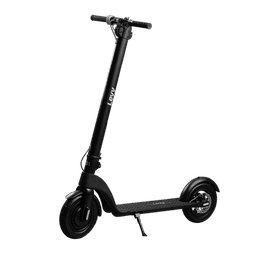
Quick-Release Lever System: Found on folding scooters, this system uses a lever mechanism with an adjustable tension bolt. While convenient for portability, these systems require regular inspection as the lever tension can loosen over time. Models like some Razor and Levy scooters feature this design.
Direct Bolt System: Higher-end performance scooters like the Dualtron and Kaabo models often use direct bolts that thread through the stem into the handlebar post, providing maximum stability for high-speed riding.
Identifying Loose Handlebars: Warning Signs
Recognizing the symptoms early can prevent accidents and more serious mechanical issues. Watch for these telltale signs:
Handlebar Wobble: The most obvious indicator—if your handlebars move side-to-side independently of the front wheel, immediate tightening is required. Even minor wobble at speeds above 15 mph can become dangerous.
Clicking or Rattling Sounds: These sounds during acceleration, braking, or riding over bumps indicate the handlebar post is moving within the stem clamp.
Misalignment After Impact: If your handlebars are no longer perpendicular to the front wheel after hitting a bump or pothole, the stem clamp has loosened.
Grip Rotation: While different from stem looseness, if your rubber grips rotate freely, they need to be reattached or replaced to maintain proper control.
Visible Gaps: Inspect the stem clamp area—any visible gap between the clamp halves indicates under-tightened bolts that need immediate attention.
Essential Tools for Handlebar Maintenance
Having the right tools ensures you can tighten your handlebars properly without damaging components. Here's what you'll need:
Allen Key Set (Hex Wrenches): Most electric scooters use metric Allen bolts—typically 4mm, 5mm, or 6mm. A quality L-shaped or T-handle Allen key set provides better leverage and control. Avoid using worn or incorrect-sized keys that can strip bolt heads.
Torque Wrench: For optimal safety and to prevent over-tightening, a torque wrench calibrated for 5-15 Nm is essential. Over-tightening can crack the stem clamp or damage the handlebar post, while under-tightening leaves handlebars loose. Digital torque wrenches provide the most accurate readings.
Adjustable Wrench: Needed for some models with nut-and-bolt configurations rather than Allen bolts.
Thread-Locking Compound: Medium-strength thread-locker (like Loctite Blue 243) prevents bolts from vibrating loose during normal riding. Never use permanent (red) thread-locker as it makes future maintenance nearly impossible.
Degreaser and Clean Cloth: Clean bolt threads and clamp surfaces ensure proper torque application and prevent slipping.
Safety Equipment: Safety glasses protect your eyes from debris when working under the handlebars.
Step-by-Step Handlebar Tightening Process
Follow this detailed procedure to properly secure your electric scooter handlebars:
Step 1: Prepare Your Workspace
Position your scooter on a level, stable surface with adequate lighting. If your scooter has a kickstand, use it. Otherwise, lean the scooter against a wall or have someone hold it steady. Ensure the scooter is powered off and the key is removed if applicable.
Step 2: Inspect the Handlebar System
Before tightening, examine the entire handlebar assembly for damage. Check for cracks in the stem, handlebar post, or clamp. Look for stripped threads, worn bolt heads, or bent components. If you notice any damage, replacement parts are needed before proceeding—tightening damaged components creates a false sense of security.
Step 3: Clean the Connection Points
Loosen the stem clamp bolts enough to slightly separate the clamp (don't remove the handlebars completely unless necessary). Use degreaser on a cloth to clean the inside of the stem clamp and the handlebar post where they connect. Remove any old thread-locker residue, dirt, or corrosion. This ensures maximum friction and proper bolt torque.
Step 4: Align the Handlebars
Stand in front of your scooter and position the handlebars so they're perfectly perpendicular to the front wheel. The brake levers should be at a comfortable angle—typically 45-60 degrees from horizontal. Set the handlebar height to your preference (if adjustable), generally at hip to waist level when standing beside the scooter.
Step 5: Apply Thread-Locker
Remove one stem clamp bolt at a time and apply 1-2 drops of medium-strength thread-locker to the threads. Don't flood the threads—excess compound can drip onto other components. Replace the bolt finger-tight before moving to the next one. This prevents the handlebars from shifting during the process.
Step 6: Tighten in a Cross Pattern
This is critical for even pressure distribution. For a 4-bolt stem clamp, tighten in an X pattern: top-left, bottom-right, top-right, bottom-left. For a 2-bolt clamp, alternate between bolts. Initially tighten each bolt to about 50% of final torque, then make a second pass to 75%, and finally to the recommended specification.
Step 7: Apply Correct Torque Specifications
Consult your scooter's manual for exact specifications. If unavailable, these general guidelines apply:
- Aluminum stem clamps (most common): 8-10 Nm
- Steel stem clamps: 10-12 Nm
- Carbon fiber handlebars (rare): 5-6 Nm (over-tightening will crack carbon)
- Quick-release tension bolts: 4-6 Nm
Use your torque wrench to tighten each bolt to specification. You should feel the wrench "click" or see the indicator when reaching the set torque. Never exceed manufacturer specifications—more torque doesn't mean more security.
Step 8: Verify Tightness and Alignment
Stand in front of the scooter, grip the front wheel between your knees, and try to twist the handlebars left and right. They shouldn't move at all relative to the front wheel. Check that handlebars are still properly aligned—the tightening process can sometimes shift them slightly. Verify there are no gaps in the stem clamp.
Step 9: Test Ride and Re-check
Take a short test ride in a safe area at low speed. Pay attention to any clicking, movement, or unusual handling. After 10-15 minutes of riding (or 1-2 miles), stop and re-check bolt tightness. Newly tightened bolts often settle slightly, especially with thread-locker that hasn't fully cured.
Model-Specific Considerations
Different scooter models have unique characteristics worth noting:
Xiaomi M365 / M365 Pro: Uses four 5mm Allen bolts on the stem clamp. Recommended torque: 8-9 Nm. The M365 is notorious for stem wobble—if tightening doesn't solve wobbling, inspect the folding mechanism latch and main stem bolts as these are often the actual culprit.
Ninebot Max / ES Series: Features four 6mm bolts. Recommended torque: 9-10 Nm. The ES series has a height-adjustable stem—ensure the height adjustment clamp is also tightened to 8 Nm or the entire handlebar assembly will be loose.
Segway Ninebot F Series: Uses a quick-release lever with a tension adjustment bolt on the opposite side. The lever should require firm pressure to close but not be impossible to operate. Adjust the tension bolt with a 5mm Allen key until resistance is appropriate.
Levy Electric Scooters: Feature a quick-release collar system. Ensure the collar is fully closed and locked before riding. Some Levy models have an additional safety bolt that should be tightened to 6-8 Nm.
Dualtron / Performance Scooters: High-performance models often use larger 8mm bolts with higher torque specifications (12-15 Nm) due to increased forces during aggressive riding. Always consult the manual for these models.
Troubleshooting Persistent Handlebar Problems
If you've followed the tightening procedure but still experience issues, consider these solutions:
Handlebars Still Wobble After Tightening: The handlebar post may be worn or the stem clamp bore may be enlarged from over-tightening in the past. Measure the handlebar post diameter—it should match specifications (typically 28-32mm depending on model). If undersized, the post needs replacement. You can temporarily use a handlebar shim (thin aluminum sleeve) to take up the gap, but this is a short-term solution.
Bolts Won't Tighten Properly: Stripped threads in the stem clamp are a common problem. For minor damage, a thread chaser can restore the threads. Severe stripping requires a helicoil insert or stem replacement. Never force bolts into damaged threads—this will make the problem worse.
Bolts Keep Coming Loose: If you're not using thread-locker, this is likely the issue. Vibration from riding will loosen any bolt over time. If thread-locker is already applied and bolts still loosen, check for fatigue cracks in the stem clamp that allow flexing.
Clicking Sounds Persist: The sound may not be from the handlebar stem connection. Check the folding mechanism latch, front suspension (if equipped), brake cable connections, and front wheel bearings. Isolate the sound by grabbing different components while riding to identify the source.
Handlebars Are Stuck and Won't Rotate for Adjustment: Don't force them—you'll damage the stem. Apply penetrating oil (like WD-40 or PB Blaster) around the stem clamp and let it soak for 15-30 minutes. Gently tap the handlebar post with a rubber mallet while someone else attempts to rotate. If still stuck, the stem clamp may need to be carefully heated with a heat gun to break corrosion bonds.
Preventive Maintenance Schedule
Regular maintenance prevents handlebar issues before they become safety hazards:
Weekly Checks (for daily riders): Perform the quick wobble test—grip the front wheel and try to twist the handlebars. This takes 10 seconds and catches problems early.
Monthly Maintenance: Visually inspect all stem bolts for looseness. Check for any new gaps in the clamp. Clean dirt and debris from around the stem area. Test ride and listen for any new sounds.
Every 3 Months or 300 Miles: Remove handlebars, clean connection surfaces, inspect for wear or damage, reapply fresh thread-locker, and torque to specification. This full service prevents long-term issues.
After Any Impact: If you hit a pothole, curb, or obstacle hard enough to feel it through the handlebars, immediately check tightness. Impacts can shock-loosen bolts even with thread-locker applied.
Seasonal Check (Spring/Fall): For riders in areas with temperature extremes, thermal expansion and contraction can affect bolt tension. Re-torque handlebar bolts when seasons change.
Critical Safety Considerations
Handlebar security is directly related to rider safety—take these precautions seriously:
Never Ride With Loose Handlebars: Even if they "feel tight enough," loose handlebars can fail suddenly during braking or emergency maneuvers. The consequences of handlebar failure at speed can be catastrophic.
Replace Damaged Components Immediately: Stripped bolts, cracked stems, or worn handlebar posts cannot be safely repaired with tightening alone. Using damaged components is gambling with your safety.
Don't Over-Tighten: More torque doesn't equal more safety. Over-tightening can crack aluminum stems, strip threads, or damage the handlebar post. Always use a torque wrench for final tightening.
Use Correct Tools: Using the wrong size Allen key or adjustable wrench can strip bolt heads, making future maintenance difficult or impossible. Invest in quality tools that fit properly.
Check Before Every Ride: Make a quick handlebar check part of your pre-ride routine, along with checking tire pressure and brake function. This habit takes seconds and prevents accidents.
Wear Appropriate Safety Gear: Even with perfectly tightened handlebars, always wear a helmet and consider additional protective gear based on your riding environment and speed.
When to Seek Professional Help
While handlebar tightening is generally a DIY-friendly task, certain situations warrant professional assistance:
Structural Damage: If you discover cracks, bends, or significant wear in the stem, handlebar post, or clamp, a professional should assess whether components are safe to use or need replacement.
Persistent Problems: If you've properly tightened handlebars multiple times but issues continue, there may be underlying problems that require expert diagnosis.
Missing Specifications: If you can't find torque specifications for your specific model and aren't confident estimating appropriate values, a shop can ensure proper tightening.
Lack of Tools: If you don't own a torque wrench and don't want to invest in one, most bike shops or scooter shops will tighten your handlebars for a minimal service fee ($10-20).
Warranty Concerns: If your scooter is still under warranty, improper DIY maintenance could void coverage. Check your warranty terms before proceeding with any adjustments.
Upgrading Handlebar Components for Better Performance
If you're experiencing chronic handlebar issues or want to improve your scooter's handling, consider these upgrades:
Aftermarket Stem Clamps: Performance stem clamps made from machined aluminum or steel offer better clamping force and durability than stock stamped clamps. Brands like MGPC and GRIP make quality replacements for popular models.
Wider Handlebars: Upgrading to wider handlebars (580-620mm vs. standard 480-520mm) improves stability and control, especially at higher speeds. Ensure new handlebars have the same post diameter as your stem (usually 28mm or 31.8mm).
Quality Grips: Ergonomic grips with lock-on mechanisms prevent grip rotation and reduce hand fatigue during long rides. Look for grips with comfortable rubber compounds and proper diameter for your hand size.
Handlebar Dampeners: Rubber or foam dampeners installed inside the handlebars reduce vibration transmission to your hands, making rides more comfortable and reducing stress on stem bolts.
Conclusion
Properly tightened handlebars are fundamental to safe electric scooter operation. By understanding your scooter's handlebar system, using the correct tools and techniques, following proper torque specifications, and maintaining a regular inspection schedule, you can ensure your handlebars remain secure and responsive.
Remember that handlebar maintenance isn't a one-time task—vibration, thermal cycling, and normal use will gradually loosen bolts over time. Make handlebar inspection part of your regular maintenance routine, address issues promptly when they arise, and never compromise on safety by riding with loose or damaged components.
Whether you're commuting daily, running errands, or enjoying recreational rides, the peace of mind that comes from knowing your handlebars are properly secured allows you to focus on the road ahead and enjoy your riding experience to the fullest.