





Is Riding an Electric Scooter Considered Good Exercise? The Health Benefits Explored
Discover the fitness potential of electric scooters and how incorporating them into your routine can enhance core strength, improve posture, and offer low-impact exercise benefits.
In the ever-evolving world of urban mobility, electric scooters have become a popular mode of transportation for their convenience and ease of use. With the rise of e-scooters, many enthusiasts and potential riders are curious whether riding an electric scooter constitutes good exercise.
Understanding the Exercise Component of Electric Scooters
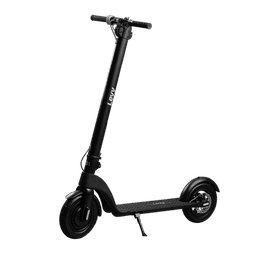
While electric scooters are powered by motors, riding them does require a certain level of physical activity. Balancing and steering the scooter can engage core muscles, promoting balance and stability which are crucial elements of a full-body workout. However, due to the motorized nature of e-scooters, the amount of cardiovascular exercise provided is minimal compared to traditional pedal-driven scooters or bicycles.
The Benefits of Riding an Electric Scooter
Despite the reduced cardiovascular strain, there are several health benefits to riding an electric scooter:
- Improved Posture: Maintaining balance on an e-scooter requires proper posture, which can strengthen the back muscles over time.
- Core Muscle Engagement: Steering and maneuvering an electric scooter engages the core muscles, contributing to abdominal strength.
- Low-Impact Exercise: For those looking for a gentle workout due to joint issues or recovery, riding an e-scooter offers a low-impact option.
- Enhanced Coordination: Navigating and balancing on an e-scooter can improve hand-eye coordination and reflexes.
Combining E-Scooters with Active Lifestyle
To reap more fitness benefits, riders can combine e-scooter riding with other exercises. For instance, using an electric scooter as a means to commute to the gym or park for a run adds a degree of convenience without completely eliminating physical exercise. Additionally, for those aiming to increase their physical activity, opting for a kick scooter for short commutes could be a great alternative.
Conclusion
While riding an electric scooter alone may not be the most strenuous form of exercise, it does have several health benefits and can serve as a complement to a balanced active lifestyle. As we continue to embrace new forms of urban transport, it's clear that electric scooters have a role in our fitness regimes, providing convenience and health advantages that extend beyond intense cardio workouts.
When considering an electric scooter, it's important to choose a model that best suits your needs and to always prioritize safety by wearing a helmet and following local traffic regulations. Happy riding, and here's to your health!
Recent Research and Findings (2024-2025)
This section contains the latest scientific research and health data as of October 2025.
Quantified Calorie Burn Data
Recent research has provided more specific data on the energy expenditure from e-scooter riding:
- University of Brighton Study: Riding an e-scooter at 4.6 mph for 30 minutes burns approximately 150 calories, which is comparable to the 150-200 calories burned during a 30-minute walk.
- Hourly Estimates: Depending on weight, riding intensity, and terrain, e-scooter riding can burn:
- 150-250 calories per hour (general estimate)
- 100-140 calories per hour for a 150-pound person
- 200-600 calories per hour for more vigorous riding with frequent starts/stops and varied terrain
- Physical Activity Classification: E-scooter riding is classified as "light physical activity" with a MET value of 2.14 (Metabolic Equivalent of Task), which places it above sedentary activities like driving but below moderate activities like walking (MET 3.5).
2024-2025 Academic Studies
Several peer-reviewed studies have examined the health implications of e-scooter use:
Physical Activity Research
- Journal of Transport & Health (December 2024): A study comparing e-scooter riding to walking found that e-scooter use resulted in significantly less energy expenditure compared to walking. Researchers warned that replacing active travel (walking/cycling) with e-scooter use may have detrimental effects on overall physical activity levels.
- Barcelona Physical Activity Study (2024): Research found that electric scooter users had the lowest mean daily levels of moderate-to-vigorous physical activity (MVPA) compared to other micromobility users. E-scooters were significantly less likely to help users meet daily physical activity recommendation guidelines.
- Scoping Review (2025): A comprehensive review conducted in early 2024 highlighted that while e-scooters provide some physical activity, there is growing concern about whether they replace more active forms of transportation like walking and cycling.
- The ELEVATE Study (December 2024): A multi-center study protocol confirmed that e-scooters provide light-intensity physical activity, with lower physical activity contribution than traditional active travel forms.
The Substitution Effect: A Critical Consideration
Research has identified an important nuance in evaluating e-scooter health benefits:
- Positive Substitution: When e-scooters replace car trips or other sedentary transport, they increase overall physical activity levels.
- Negative Substitution: When e-scooters replace walking or cycling, they decrease overall physical activity levels.
- Net Impact: The health benefit depends entirely on what mode of transport the e-scooter is replacing in your routine.
Mental Health Benefits: New Research
Recent studies have expanded our understanding of e-scooters' impact on mental well-being:
Stress Reduction and Mood Improvement
- 2022 Multi-Country Survey: In a study of over 1,700 riders across North America and the UK, nearly 70% of e-scooter riders reported feeling less stressed after riding.
- Endorphin Release: While less intense than traditional exercise, e-scooter riding still provides a moderate-intensity workout sufficient to trigger endorphin release, leading to improved mood and increased energy levels.
- Outdoor Exposure: The outdoor component of e-scooter commuting provides exposure to natural light and fresh air, both of which have been linked to improved mental health outcomes.
Cognitive Benefits
- Focus and Attention: Riding an e-scooter requires active engagement, focus, coordination, and real-time decision-making, which can help improve cognitive function in memory and attention areas.
- Mindfulness Aspect: Research suggests that e-scooter riding can reduce stress and anxiety by allowing riders to focus on the present experience rather than daily worries.
Well-Being Benefits for Underserved Communities
Research on UK e-scooter trials found that well-being benefits were particularly pronounced for users with protected characteristics, including:
- Ethnic minorities
- Those with lower educational outcomes
- People with mobility issues
- Individuals without access to cars
These groups were more likely to report significant well-being improvements from e-scooter access, suggesting important equity and accessibility benefits.
Evidence-Based Recommendations for Maximizing Health Benefits
Based on the latest research, here's how to optimize e-scooter use for health:
- Replace Car Trips, Not Walking: Use e-scooters as an alternative to driving or public transit, not as a replacement for walking or cycling short distances.
- Increase Engagement: For more physical activity:
- Use kick-assist models that require periodic pushing
- Stand while riding (engages more core muscles than sitting)
- Choose routes with gentle inclines
- Incorporate frequent stops that require balance and coordination
- Combine with Other Activities: Use e-scooters as part of a multi-modal commute (e.g., scooter to gym, train station, or park).
- Track Your Activity: Consider using fitness trackers to monitor calories burned and ensure you're meeting overall daily activity goals.
- Focus on Mental Health Benefits: Even if physical activity is light, the stress reduction and outdoor exposure provide valuable mental health benefits.
- Consider Total Daily Activity: Ensure your overall routine includes sufficient moderate-to-vigorous physical activity from other sources if e-scooters are your primary commute mode.
The Verdict: Updated Perspective
The latest research presents a more nuanced view than earlier assessments:
- ✅ E-scooters do provide light physical activity and meaningful mental health benefits
- ✅ They are superior to sedentary transport options like driving
- ⚠️ They provide less physical activity than walking or cycling
- ⚠️ Long-term reliance on e-scooters as a replacement for active transport may reduce overall fitness levels
- 💡 The health impact is highly individual and depends on what they replace in your routine
Bottom Line: E-scooters can be part of a healthy lifestyle when used strategically—ideally replacing sedentary transport while maintaining separate dedicated exercise routines. They excel as a convenient, enjoyable form of light activity with significant mental health benefits, but shouldn't be relied upon as your primary source of daily physical activity.
Last updated: October 24, 2025 | View more electric scooter resources
Recent Research and Findings (2024-2025)
This section contains the latest scientific research and health data as of October 2025.
Quantified Calorie Burn Data
Recent research has provided more specific data on the energy expenditure from e-scooter riding:
- University of Brighton Study: Riding an e-scooter at 4.6 mph for 30 minutes burns approximately 150 calories, which is comparable to the 150-200 calories burned during a 30-minute walk.
- Hourly Estimates: Depending on weight, riding intensity, and terrain, e-scooter riding can burn:
- 150-250 calories per hour (general estimate)
- 100-140 calories per hour for a 150-pound person
- 200-600 calories per hour for more vigorous riding with frequent starts/stops and varied terrain
- Physical Activity Classification: E-scooter riding is classified as "light physical activity" with a MET value of 2.14 (Metabolic Equivalent of Task), which places it above sedentary activities like driving but below moderate activities like walking (MET 3.5).
2024-2025 Academic Studies
Several peer-reviewed studies have examined the health implications of e-scooter use:
Physical Activity Research
- Journal of Transport & Health (December 2024): A study comparing e-scooter riding to walking found that e-scooter use resulted in significantly less energy expenditure compared to walking. Researchers warned that replacing active travel (walking/cycling) with e-scooter use may have detrimental effects on overall physical activity levels.
- Barcelona Physical Activity Study (2024): Research found that electric scooter users had the lowest mean daily levels of moderate-to-vigorous physical activity (MVPA) compared to other micromobility users. E-scooters were significantly less likely to help users meet daily physical activity recommendation guidelines.
- Scoping Review (2025): A comprehensive review conducted in early 2024 highlighted that while e-scooters provide some physical activity, there is growing concern about whether they replace more active forms of transportation like walking and cycling.
- The ELEVATE Study (December 2024): A multi-center study protocol confirmed that e-scooters provide light-intensity physical activity, with lower physical activity contribution than traditional active travel forms.
The Substitution Effect: A Critical Consideration
Research has identified an important nuance in evaluating e-scooter health benefits:
- Positive Substitution: When e-scooters replace car trips or other sedentary transport, they increase overall physical activity levels.
- Negative Substitution: When e-scooters replace walking or cycling, they decrease overall physical activity levels.
- Net Impact: The health benefit depends entirely on what mode of transport the e-scooter is replacing in your routine.
Mental Health Benefits: New Research
Recent studies have expanded our understanding of e-scooters' impact on mental well-being:
Stress Reduction and Mood Improvement
- 2022 Multi-Country Survey: In a study of over 1,700 riders across North America and the UK, nearly 70% of e-scooter riders reported feeling less stressed after riding.
- Endorphin Release: While less intense than traditional exercise, e-scooter riding still provides a moderate-intensity workout sufficient to trigger endorphin release, leading to improved mood and increased energy levels.
- Outdoor Exposure: The outdoor component of e-scooter commuting provides exposure to natural light and fresh air, both of which have been linked to improved mental health outcomes.
Cognitive Benefits
- Focus and Attention: Riding an e-scooter requires active engagement, focus, coordination, and real-time decision-making, which can help improve cognitive function in memory and attention areas.
- Mindfulness Aspect: Research suggests that e-scooter riding can reduce stress and anxiety by allowing riders to focus on the present experience rather than daily worries.
Well-Being Benefits for Underserved Communities
Research on UK e-scooter trials found that well-being benefits were particularly pronounced for users with protected characteristics, including:
- Ethnic minorities
- Those with lower educational outcomes
- People with mobility issues
- Individuals without access to cars
These groups were more likely to report significant well-being improvements from e-scooter access, suggesting important equity and accessibility benefits.
Evidence-Based Recommendations for Maximizing Health Benefits
Based on the latest research, here's how to optimize e-scooter use for health:
- Replace Car Trips, Not Walking: Use e-scooters as an alternative to driving or public transit, not as a replacement for walking or cycling short distances.
- Increase Engagement: For more physical activity:
- Use kick-assist models that require periodic pushing
- Stand while riding (engages more core muscles than sitting)
- Choose routes with gentle inclines
- Incorporate frequent stops that require balance and coordination
- Combine with Other Activities: Use e-scooters as part of a multi-modal commute (e.g., scooter to gym, train station, or park).
- Track Your Activity: Consider using fitness trackers to monitor calories burned and ensure you're meeting overall daily activity goals.
- Focus on Mental Health Benefits: Even if physical activity is light, the stress reduction and outdoor exposure provide valuable mental health benefits.
- Consider Total Daily Activity: Ensure your overall routine includes sufficient moderate-to-vigorous physical activity from other sources if e-scooters are your primary commute mode.
The Verdict: Updated Perspective
The latest research presents a more nuanced view than earlier assessments:
- ✅ E-scooters do provide light physical activity and meaningful mental health benefits
- ✅ They are superior to sedentary transport options like driving
- ⚠️ They provide less physical activity than walking or cycling
- ⚠️ Long-term reliance on e-scooters as a replacement for active transport may reduce overall fitness levels
- 💡 The health impact is highly individual and depends on what they replace in your routine
Bottom Line: E-scooters can be part of a healthy lifestyle when used strategically—ideally replacing sedentary transport while maintaining separate dedicated exercise routines. They excel as a convenient, enjoyable form of light activity with significant mental health benefits, but shouldn't be relied upon as your primary source of daily physical activity.
Last updated: October 24, 2025 | View more electric scooter resources