





Mastering Your Ride: A Beginner's Guide to Electric Scooter Skills
Learn to ride an electric scooter effortlessly with our comprehensive beginner's guide. From safety gear to practicing turns, become a confident rider with these essential tips and techniques.
Learning to ride an electric scooter can be a quick, enjoyable process with the right approach and safety measures in place. As electric scooters surge in popularity for their convenience and eco-friendliness, more individuals are looking to join the movement. This guide will take you through step-by-step instructions to ensure you get on the road safely and confidently.
Step 1: Safety First
Before you hop on, make sure you have the necessary safety gear. A helmet is non-negotiable, and additional protection like knee and elbow pads can prevent scrapes and bruises during falls. Choosing the right electric scooter, one that is appropriate for your experience level and intended use, is also crucial.
Step 2: Get to Know Your Scooter
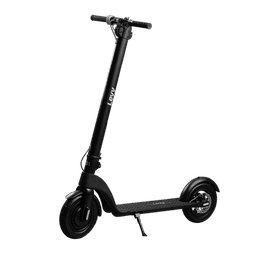
Familiarize yourself with your electric scooter's features, including the accelerator, brakes, and balance. Understanding how the scooter functions when stationary will make for a smoother ride when in motion.
Step 3: Find a Safe Learning Environment
Begin in an open space free from traffic, like a park or empty parking lot. This gives you plenty of room to practice without the worry of cars or pedestrians.
Step 4: Practice Standing and Balancing
First, practice standing on the scooter without turning it on. Place one foot on the scooter deck and use your other foot to balance as if it's a regular kick scooter. This helps you to find your center of gravity.
Step 5: Start Slow
When you're ready, turn on the scooter and gently press the throttle to start moving at a walking pace. Focus on maintaining your balance as the scooter moves forward. Get comfortable with the acceleration and learn how gently or firmly you need to press to change speeds.
Step 6: Learn to Turn
Start practicing turns once you're comfortable moving in a straight line. Shift your weight subtly in the direction you want to turn, and remember to look in the direction of your intended path — your scooter will follow your gaze and body positioning.
Step 7: Practice Braking
Just as important as accelerating is learning how to stop. Most electric scooters have a handbrake; gently squeeze it to slow down rather than pressing it abruptly, which could cause you to lose control or tip over.
Step 8: Be Mindful of Road Rules
Learn and follow the local traffic laws pertaining to electric scooters. This includes understanding where you can ride, whether that be on the road, bike lanes, or pavements, as well as the expected protocols at traffic signals and stop signs.
Step 9: Gradual Progression
After mastering the basics in your safe practice area, gradually progress to quieter residential areas. Eventually, work your way up to busier streets and more complex environments as you become more confident.
Step 10: Regular Practice and Maintenance
Practice regularly to improve your scooter-riding skills. Also, keep your scooter in top condition by performing regular maintenance checks on the battery, tires, and brakes.
Riding an electric scooter is an enjoyable way to navigate your environment, and with these steps, you'll be gliding through your urban landscape with ease. Remember, practice makes perfect, and safety is always the priority.