
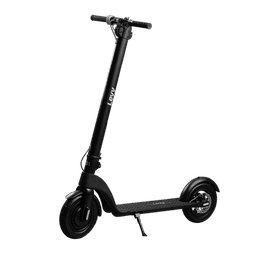





The Most Luxurious Electric Scooter on the Market
Take a look at the Rion Thrust RE90, crowned as the most expensive electric scooter on the market due to its luxury design, high-performance capability, and cutting-edge technology. Learn what makes this scooter worth its astounding $6,800 price tag.
In today's rapidly evolving urban mobility landscape, electric scooters have transcended their origins as simple last-mile transportation devices to become sophisticated luxury vehicles that rival premium automobiles in build quality, performance, and exclusive features. The high-end electric scooter market has exploded with innovation, introducing models crafted from aerospace-grade carbon fiber, equipped with cutting-edge suspension systems borrowed from motorcycle technology, and featuring performance capabilities that would have seemed impossible just five years ago—with top speeds exceeding 60 mph and ranges approaching 100 miles. For discerning consumers seeking both ultimate performance and prestigious ownership experience, the question naturally arises: what is the most luxurious and expensive electric scooter available on the market today? This comprehensive guide explores the pinnacle of electric scooter luxury, examining ultra-premium models with price tags ranging from $3,000 to nearly $7,000, the cutting-edge materials and technologies that justify these extraordinary prices, performance specifications that push boundaries of speed, range, and capability, exclusive features and artisan craftsmanship that distinguish luxury scooters from mainstream models, and who these ultra-premium scooters are designed for—from performance enthusiasts to status-conscious urban professionals. Whether you're seriously considering a luxury scooter purchase or simply fascinated by the technological and design heights the industry has reached, understanding what defines the most luxurious electric scooters reveals how far this transportation category has evolved.
The Crown Jewel: Rion Thrust RE90 ($6,800)
The Rion Thrust RE90 holds the distinction of being the most expensive electric scooter on the consumer market, with a breathtaking retail price approaching $7,000:
Performance Specifications: Top speed exceeding 65 mph (105 km/h)—faster than most motorcycles are legally allowed on highways. Dual brushless motors delivering combined 9,000W+ peak power. Range of 40-50 miles depending on riding mode and conditions (aggressive riding at top speed drastically reduces range). 0-30 mph acceleration in under 4 seconds—supercar-level performance. Advanced suspension system with adjustable compression and rebound damping. High-performance hydraulic disc brakes with exceptional stopping power.
Materials and Construction: Aerospace-grade carbon fiber frame components reduce weight while maximizing strength. CNC-machined aluminum parts with precision tolerances. Premium rubber compounds in tires for maximum grip. Every component selected for performance rather than cost. Total weight approximately 75-85 lbs depending on configuration—heavy but justifiable given power and construction.
Exclusive Features: Fully adjustable suspension allowing personalization for rider weight and terrain preferences. High-resolution TFT color display with comprehensive ride data. Multiple riding modes from eco-friendly commute to maximum performance. Premium lighting system with automotive-grade LEDs. Custom paint and finish options available. Limited production numbers ensure exclusivity.
Target Market: Performance enthusiasts who demand motorcycle-level capabilities in scooter form. High-net-worth individuals for whom $6,800 represents a reasonable luxury purchase. Technology early adopters seeking the absolute pinnacle of e-scooter engineering. Private property or track use primarily—top speed exceeds legal limits in virtually all jurisdictions. The Rion Thrust RE90 isn't transportation—it's a performance machine and status symbol representing the absolute extreme of what's possible in electric scooter design.
Ultra-Premium Performer: Nami Burn-E 2 Max ($4,799)
The Nami Burn-E 2 Max delivers extraordinary performance and luxury features at a price point that, while extreme, is more accessible than the Rion:
Performance Excellence: Top speed of 60 mph (97 km/h)—genuine highway-capable speeds. Dual motors producing combined 8,000W peak power. Remarkable range of up to 90 miles on single charge in eco mode—class-leading endurance. Climbs 35-degree inclines with ease—tackles hills that would stop lesser scooters. Advanced VESC-based controllers provide smooth, programmable power delivery.
Premium Build Quality: Heat-treated aviation-grade aluminum frame offers optimal strength-to-weight ratio. IP67 water protection rating—fully sealed against dust and water immersion up to 1 meter. Two adjustable hydraulic coil-shock suspensions (front and rear) provide exceptional ride comfort. 11-inch tubeless pneumatic tires mounted on reinforced split rims. Total weight approximately 108 lbs—substantial but reflects robust construction and large battery.
Luxury Features: Full-color TFT display with Bluetooth connectivity and smartphone app integration. Customizable riding modes and performance parameters through app. Premium hydraulic disc brakes with exceptional modulation. Integrated alarm system and electronic steering lock. High-intensity LED lighting for visibility and aesthetics. Arguably the most comfortable all-terrain scooter available thanks to superior suspension engineering.
Value Proposition: At $4,799, the Burn-E 2 Max offers extraordinary capability for approximately 70% of the Rion's price. Better suited for actual transportation use than pure performance machines. The 90-mile range makes it practical for extended rides or full-day use. Represents the practical luxury option—extreme performance with real-world usability.
Performance Luxury: Apollo Pro 2024 ($3,299)
The Apollo Pro 2024 brings luxury features and serious performance to a more attainable (though still premium) price point:
Impressive Specifications: Top speed of 43 mph (69 km/h)—fast enough for genuine thrill and efficient transport. Range up to 62 miles on single charge—excellent for commuting and recreational riding. Dual-motor configuration with combined 3,000W+ power. Robust 93 lb unibody frame construction. IP66 water resistance protects against powerful water jets and heavy rain.
MACH Technology Integration: Apollo's proprietary MACH (Modular Architecture Connected Hardware) platform enables advanced features including over-the-air firmware updates, extensive ride customization through smartphone app, diagnostic monitoring and maintenance alerts, and anti-theft tracking and security features. This connected intelligence sets Apollo apart from competitors—the scooter improves over time through software updates.
Premium Features: TFT color display with comprehensive ride information. Hydraulic disc brakes for precise, fade-resistant stopping. Adjustable dual suspension for personalized ride comfort. Integrated turn signals and comprehensive lighting. Multiple color options and premium finish quality. One-year warranty with excellent customer support reputation.
Market Position: Often described as the "Lexus of electric scooters"—premium but not ostentatious. The Pro represents Apollo's flagship model showcasing their best technology. At $3,299, it's expensive but delivers tangible value through performance, features, and build quality. More practical for daily use than ultra-premium models while retaining luxury appeal.
Compact Luxury: Apollo Go 2024 ($1,899)
The Apollo Go 2024 demonstrates that luxury isn't solely about extreme performance—refinement and quality at moderate speeds matter too:
Balanced Specifications: Top speed of 28 mph (45 km/h)—perfectly calibrated for legal urban riding in most jurisdictions. Range of 30 miles—adequate for most commutes with margin for error. Dual-motor configuration provides strong acceleration and hill-climbing. Compact 46 lb weight makes it highly portable for multi-modal commuting. IP66 water resistance for all-weather capability.
Premium in Moderation: While less extreme than performance flagships, the Go features exceptional build quality and attention to detail. Smooth, refined power delivery—no jerky acceleration. Quiet operation compared to budget scooters with whiny motors. Comfortable suspension that absorbs urban road imperfections. Premium materials and finish throughout.
Luxury Daily Driver: The Go excels as a luxury commuter scooter for professionals who value quality without extremes. Sophisticated enough for business attire and corporate environments. Light enough to carry into office buildings or onto public transit. Enough performance for efficient commuting without legal or safety concerns of 40+ mph models. Represents accessible luxury—premium experience at upper-mid price point.
Carbon Fiber Elite Models
Several manufacturers have embraced carbon fiber construction to create ultra-light luxury scooters:
EMOVE Roadster (VoroMotors): World's first carbon fiber luxury sport scooter with nine-layer woven T300 carbon fiber construction. Exclusively available to existing VoroMotors customers—membership-based luxury. Premium Magura MT5 brakes borrowed from high-end mountain bikes. Split rim design for easy tire changes. Price: $3,500+ (invitation only). Represents artisan approach to scooter manufacturing—each unit individually crafted.
Scotsman Electric Scooter: 100% carbon fiber composite body—only scooter to use carbon exclusively rather than as accent material. Redefines e-scooter aesthetic from utilitarian to luxury vehicle. Exceptional strength-to-weight ratio—full carbon construction weighs significantly less than aluminum equivalent. Eliminates "toy-like stigma" of traditional scooters through premium materials and design. Limited production with bespoke ordering process.
Unagi Model One (Carbon Fiber Edition): Combines aluminum alloy frame with Toray carbon fiber components—Toray carbon is produced exclusively in Japan and used in Formula 1 racing. Weighs only 26.5 lbs—among the lightest full-featured scooters. Designed for urban professionals who value portability and aesthetics. Price approximately $1,000—accessible luxury focused on materials and design rather than extreme performance.
NIU KQi Air: Crafted from premium carbon fiber emphasizing ultra-light portability. Designed as luxury commuter tool rather than performance vehicle. Sophisticated minimalist aesthetic appeals to design-conscious buyers. Represents carbon fiber democratization—premium materials at more accessible pricing.
CarboAero 1.0: Aerospace-grade carbon fiber construction with frame weighing just 2.13 kg (4.7 lbs). Represents extreme lightweight engineering—entire scooter weighs less than most scooter batteries. Technical showcase of what's possible with advanced materials. Limited availability and premium pricing reflect specialized manufacturing.
What Defines Luxury in Electric Scooters
Understanding what justifies premium pricing helps evaluate luxury scooters:
Advanced Materials: Aerospace-grade carbon fiber (weight reduction, strength, prestige). CNC-machined aluminum components (precision, durability, aesthetics). Premium rubber compounds in tires (grip, longevity). Stainless steel hardware resistant to corrosion. High-grade plastics and composites that maintain appearance over time. Material selection dramatically affects both performance and ownership experience—premium materials feel substantially different from budget equivalents.
Performance Engineering: Powerful motors (2,000W+ combined vs. 500-800W in mainstream scooters). Advanced suspension systems with adjustability (vs. basic spring suspension or none). High-capacity batteries using premium cells (Samsung, LG vs. generic Chinese cells). Sophisticated motor controllers with smooth power delivery and regenerative braking. Hydraulic disc brakes (vs. cable-operated mechanical brakes). Performance isn't just numbers—it's refinement, smoothness, and capability that becomes apparent in daily use.
Technology Integration: Smartphone connectivity and app-based customization. Over-the-air software updates improving functionality over time. Advanced displays showing comprehensive ride data. GPS tracking and anti-theft features. Diagnostic systems that predict maintenance needs. Luxury scooters are computers on wheels—the software experience matters as much as hardware.
Build Quality and Attention to Detail: Precise manufacturing tolerances with minimal gaps and perfect alignment. High-quality paint and finish that resists chips and fading. Comprehensive weather sealing (IP66-IP67 ratings). All components feel solid—no rattles or flex. Wiring properly routed and protected rather than exposed. Premium scooters feel different from the moment you handle them—density, solidity, and precision are immediately apparent.
Exclusive Features: Limited production numbers ensuring rarity. Custom paint and personalization options. Premium warranty and white-glove customer service. Membership or invitation-only purchasing. Documented provenance and build records. For some buyers, exclusivity itself justifies premium pricing—owning something rare has inherent value.
Who Purchases Ultra-Premium Scooters?
Understanding the luxury scooter market requires knowing the customer demographics:
Performance Enthusiasts: Riders who previously owned high-performance motorcycles or sports cars. Drawn to cutting-edge technology and extreme capabilities. View $5,000-7,000 scooter as reasonable given performance vs. $20,000+ motorcycle. Use scooters on private property, tracks, or in jurisdictions with permissive regulations. Value bragging rights and ownership of ultimate performance machine.
Affluent Urban Professionals: High-income individuals ($200K+ annual) for whom $3,000-5,000 is acceptable luxury purchase. Appreciate quality, design, and technology in all possessions. Use scooters for commuting, combining efficiency with status symbol. Often own luxury cars but prefer scooter for short urban trips. Value brands and products that reflect their success and taste.
Technology Early Adopters: Individuals who must own latest and most advanced products in any category. Willing to pay premium to be first with new technology. View luxury scooters as conversation pieces and technology showcases. Often have multiple scooters representing different technological approaches. Less concerned with practical value than being at cutting edge.
Collectors and Enthusiasts: Building collections of premium scooters from different manufacturers. Appreciate engineering and design as art forms. May rarely ride some scooters, treating them as display pieces. Follow scooter scene and attend events/meetups. Similar psychology to luxury watch or car collectors.
Are Luxury Scooters Worth the Premium?
Whether ultra-premium scooters justify their prices depends on individual priorities:
Arguments FOR Luxury Scooters: Dramatically superior performance that's immediately noticeable—not marginal improvements. Premium materials and build quality result in longer lifespan and better aging. Advanced features and technology provide better user experience. Prestige and satisfaction of owning best-in-class product. Better resale value retention than budget models (percentage-wise).
Arguments AGAINST Luxury Scooters: Mainstream $800-1,500 scooters meet 90% of riders' practical needs adequately. Legal speed limits often negate advantage of 40-60 mph capability. Difficulty finding qualified service for complex premium models. Premium prices don't guarantee superior reliability—complexity creates failure points. Luxury features may be underutilized in daily commuting reality.
The Middle Ground: For most riders, scooters in the $1,500-2,500 range offer best value—significantly better than budget models without ultra-premium pricing. Models like Apollo City, Segway P100S, or NIU KQi3 Max deliver excellent performance, quality, and features at rational prices. True luxury models make sense for enthusiasts with specific needs or desires, not average commuters.
Conclusion
The most luxurious electric scooter on the market—the Rion Thrust RE90 at approximately $6,800—represents the absolute pinnacle of electric scooter engineering, combining aerospace-grade materials, extreme performance capabilities exceeding 65 mph, and artisan-level craftsmanship in limited production. However, the luxury scooter category extends well beyond a single flagship model, encompassing a spectrum of ultra-premium options including the Nami Burn-E 2 Max ($4,799) with its remarkable 90-mile range and IP67 waterproofing, the Apollo Pro 2024 ($3,299) bringing connected technology and 43 mph performance, carbon fiber masterpieces like the EMOVE Roadster and Scotsman that prioritize materials and design, and even more accessible luxury models like the Apollo Go 2024 ($1,899) demonstrating that refinement and quality don't require extreme speeds.
What defines luxury in electric scooters extends far beyond price tags and specifications to encompass premium materials including aerospace-grade carbon fiber and precision-machined aluminum, performance engineering with powerful motors, advanced suspension, and hydraulic brakes, sophisticated technology integration with apps, updates, and diagnostics, meticulous build quality with perfect alignment and comprehensive weather sealing, and exclusive features from limited production to personalization options. These tangible differentiators create ownership experiences fundamentally different from mainstream scooters—luxury models feel substantial, perform smoothly, and age gracefully in ways budget scooters cannot match.
The luxury scooter market serves diverse customers from performance enthusiasts seeking motorcycle-level capabilities to affluent urban professionals valuing quality and status, technology early adopters demanding cutting-edge features, and collectors appreciating engineering as art. For these buyers, premium pricing is justified by superior experiences, ownership satisfaction, and in some cases, investment value. However, for the average commuter seeking practical transportation, mainstream scooters in the $800-1,500 range deliver 90% of the utility at 20-30% of the cost, making luxury models justifiable only when specific extreme capabilities, materials, or prestige matter more than value efficiency. Understanding what the most luxurious electric scooters offer—and what they cost—helps every buyer determine where on the spectrum from budget practicality to ultra-premium exclusivity their priorities and resources best align.