
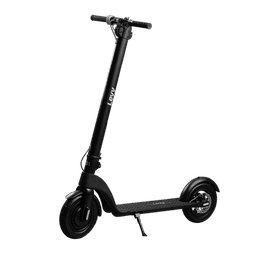





Top Electric Scooters in Nepal That Don't Require a License
All electric scooters in Nepal require licenses as of 2016. Learn about licensing requirements, popular models, costs, registration process, and current regulations.
As of 2025, all electric scooters in Nepal require registration and a valid driving license, eliminating the previous license-free category that existed before 2016. Nepal's Department of Transport Management mandated licensing for all motorized two-wheelers including e-scooters following safety concerns and the proliferation of unregulated electric vehicles. Previously, scooters under 350 watts designed for human-assisted power operated without licenses, but current enforcement requires licenses regardless of motor capacity. Popular low-power models like the DYU D3 (250W), Xiaomi M365 (250W), and Aima scooters (under 500W) historically marketed as license-free now require standard motorcycle licenses. Understanding current Nepal regulations, available e-scooter models, licensing requirements, registration processes, and enforcement realities helps navigate Nepal's evolving electric vehicle landscape and avoid penalties (Rs. 1,000-5,000 fines for unlicensed operation).
Current Nepal Electric Scooter Licensing Requirements
Nepal's regulatory framework for electric scooters has evolved significantly from permissive to mandatory licensing.
The 2016 Regulatory Shift
Registration became mandatory for all electric scooters in 2016:
- Pre-2016: E-scooters under 350W with pedal-assist operated without registration or licensing
- March 2016 mandate: Department of Transport Management issued directive requiring registration for all electric two-wheelers
- Rationale: Rising accidents, unregulated sales, false marketing claiming no licensing needed
- Current status: All electric scooters capable of motorized movement require registration and valid driving license
Required License Types for Electric Scooters
Appropriate license depends on scooter specifications:
- Two-wheeler license (Motorcycle): Required for electric scooters with top speed exceeding 25 km/h or power above 500W
- Light electric vehicle license: Some low-power scooters (under 250W, max speed 25 km/h) may qualify for simplified licensing (implementation inconsistent across regions)
- Minimum age: 16 years old with guardian consent, 18 years old without consent
- Written and practical tests: Required for motorcycle license (includes traffic rules, vehicle handling, road test)
Registration Process and Requirements
To legally operate electric scooters in Nepal:
- Purchase from authorized dealer: Obtain invoice and vehicle documentation
- Visit Department of Transport Management office: Bring invoice, citizenship certificate, passport photos
- Submit vehicle inspection: Physical verification of vehicle serial number, specifications
- Pay registration fees: Rs. 500-2,000 depending on scooter specifications
- Obtain license plate: Vehicle assigned registration number and issued plate
- Acquire vehicle bluebook: Official registration document (keep with vehicle at all times)
- Annual renewal: Vehicle tax renewal required annually (Rs. 500-1,500)
Enforcement and Penalties
Riding without proper licensing carries financial and legal consequences:
- Unlicensed riding fine: Rs. 1,000-5,000 (approximately $7-$38 USD)
- Unregistered vehicle fine: Rs. 2,000-10,000 plus vehicle impoundment
- Repeat offenses: Escalating fines, potential vehicle confiscation
- Enforcement variation: Stricter in Kathmandu Valley, less consistent in rural areas
- Checkpoints: Regular traffic police checkpoints verify license and registration
Popular Electric Scooter Models in Nepal
Despite licensing requirements, certain low-power models remain popular for their affordability and efficiency:
DYU D3 Electric Scooter
Compact folding scooter popular for urban commuting:
Specifications:
- Motor power: 250W
- Top speed: 20 km/h (12 mph)
- Range: 35-40 km per charge
- Battery: 36V 5.2Ah lithium
- Weight: 17 kg (lightweight, portable)
- Folding design: Fits in car trunk, carries on public transport
Price in Nepal: Rs. 35,000-50,000 (approximately $265-$380 USD)
Advantages: Extremely portable, low maintenance, economical charging (Rs. 5-8 per full charge), suitable for short city commutes
Limitations: Limited range, struggles on steep hills common in Nepal terrain, small wheels unstable on rough roads
Xiaomi M365 Electric Scooter
Popular international brand with Nepal availability:
Specifications:
- Motor power: 250W (300W peak)
- Top speed: 25 km/h (15.5 mph)
- Range: 30-45 km depending on terrain and rider weight
- Battery: 36V 7.8Ah
- Weight: 12.5 kg
- Smart features: App connectivity, cruise control, regenerative braking
Price in Nepal: Rs. 55,000-75,000 (approximately $415-$570 USD)
Advantages: International brand reliability, spare parts availability, lightweight construction, smartphone integration, better build quality than budget models
Limitations: Higher price point, still requires licensing despite low power, limited hill-climbing ability on Kathmandu's steep streets
Voromotors Emove Touring
Higher-performance option for longer commutes:
Specifications:
- Motor power: 500W (peak 700W)
- Top speed: 40 km/h (25 mph, speed-limited to comply with regulations)
- Range: 50-65 km
- Battery: 48V 10Ah
- Weight: 22 kg
- Features: Front and rear suspension, dual braking system
Price in Nepal: Rs. 90,000-120,000 (approximately $680-$910 USD)
Advantages: Better range, handles hills effectively, more comfortable on rough Nepal roads, superior braking and safety features
Limitations: Definitely requires motorcycle license (over 250W), higher cost, heavier weight reduces portability
Aima Electric Scooters
Chinese brand with strong Nepal presence and dealer network:
Popular models:
- Aima Bosch: 350W, 30 km/h, Rs. 45,000-60,000
- Aima T3: 400W, 35 km/h, Rs. 55,000-70,000
- Aima S3: 500W, 40 km/h, Rs. 70,000-85,000
Advantages: Extensive dealer network in Nepal, local parts availability, service centers in major cities, affordable pricing, models designed for Asian roads
Limitations: Variable build quality, less sophisticated than international brands, limited smart features
Yadea Electric Scooters
Major Chinese e-vehicle manufacturer with Nepal distribution:
Range: 250W-800W models available
Price range: Rs. 50,000-150,000 depending on specifications
Popular for: Seat scooters (moped-style) rather than stand-up scooters, better suited to Nepal's longer commutes and hilly terrain
Historical License-Free Period (Pre-2016)
Understanding the previous regulations clarifies current confusion:
What Was Legal Before 2016
Original framework allowed limited license-free operation:
- Power limit: Electric scooters under 350W with pedal-assist capability
- Speed limit: Maximum 25 km/h
- Design requirement: Must be operable by human power alone (pedals or kick-propulsion)
- Rationale: Classified as electric bicycles rather than motor vehicles
Why Regulations Changed
Several factors drove mandatory licensing:
- Safety concerns: Increasing accidents involving unlicensed e-scooter riders unfamiliar with traffic rules
- False marketing: Distributors promoted scooters claiming "no registration, driving license or helmet necessary" despite legal ambiguity
- Market proliferation: Rapid e-scooter adoption without regulatory oversight
- Revenue considerations: Government sought to capture registration and license fees from growing e-vehicle segment
- Traffic management: Need to track and regulate all motorized vehicles on roads
Practical Considerations for E-Scooter Use in Nepal
Beyond licensing, several factors affect e-scooter viability in Nepal:
Nepal Terrain and Infrastructure
Nepal's geography presents unique challenges:
- Kathmandu Valley hills: Steep inclines require 500W+ motors for reasonable performance
- Road conditions: Potholes, unpaved sections, poor maintenance—larger wheels (8-10 inch) and suspension essential
- Monsoon season: Heavy rains (June-September) make riding hazardous—waterproof ratings (IP54+) important
- Air quality: Kathmandu pollution may make helmet with filter advisable even though not legally required for e-scooters
Charging Infrastructure
Charging considerations in Nepal:
- Home charging: Standard 220V outlets work for most scooters (charging time 4-8 hours)
- Electricity costs: Rs. 5-15 per full charge (very economical compared to petrol scooters)
- Load shedding: Power cuts (less common now but still occasional)—plan charging during available hours
- Public charging: Very limited public charging infrastructure—rely on home/workplace charging
Cost Comparison: Electric vs. Petrol Scooters
Electric scooters offer long-term savings despite licensing requirements:
Operating costs (monthly, 20 km daily commute):
- Electric scooter: Rs. 300-500 electricity (600 km at Rs. 0.50-0.80 per km)
- Petrol scooter: Rs. 3,500-4,500 fuel (600 km at Rs. 6-7.50 per km at current Nepal petrol prices)
- Savings: Rs. 3,000-4,000 monthly (approximately $23-$30 USD)
Annual cost of ownership:
- Electric: Rs. 6,000-8,000 (electricity + maintenance + registration renewal)
- Petrol: Rs. 50,000-60,000 (fuel + maintenance + registration)
How to Obtain Motorcycle License in Nepal
Step-by-step process for legal e-scooter operation:
License Application Requirements
Documents and prerequisites:
- Citizenship certificate or passport
- 3 passport-sized photos
- Application fee: Rs. 500-1,000
- Medical fitness certificate (from approved clinic)
- Blood group certificate
- Minimum age: 16 with guardian consent, 18 without
Licensing Process Steps
Obtaining motorcycle license for e-scooter use:
- Attend driving school (optional but recommended): 15-30 day courses, cost Rs. 5,000-12,000, improves pass rate significantly
- Submit application: At local Department of Transport Management office
- Written test: 40 multiple-choice questions on traffic rules, must score 32+ to pass (80%)
- Trial test (practical): Demonstrate vehicle control on test track (figure-8, braking, balance)
- Road test: Navigate actual roads demonstrating traffic awareness (not required in all districts)
- License issuance: Receive temporary license immediately, permanent card mailed within 2-4 weeks
- Cost: Total Rs. 1,500-3,000 for full process (excluding driving school)
- Validity: 5 years, renewable
Tips for Passing License Tests
Increase success rate:
- Study Nepal traffic rules booklet (available free at Transport Management offices, online)
- Practice with online mock tests (several Nepal-specific apps and websites available)
- Take driving school course—pass rates 75-85% with school vs. 40-50% without
- Practice on actual scooter before test (borrowing licensed friend's scooter with L-plate)
Alternatives to Licensed Electric Scooters
For those unable or unwilling to obtain licenses:
Electric Bicycles (E-bikes)
Pedal-assist e-bikes occupy legal gray area:
- Status: Pure pedal-assist bikes (motor only activates while pedaling) may not require license, but regulations unclear
- Practical reality: Enforcement inconsistent—some police consider all electric two-wheelers subject to licensing
- Recommendation: Verify current local interpretation before purchasing
Non-Electric Kick Scooters
Human-powered scooters require no licensing:
- Completely legal without registration or license
- Economical (Rs. 3,000-15,000 for quality models)
- Good exercise, zero operating costs
- Limitations: Physically demanding, impractical for long distances or hills, slower than electric
Public Transportation and Rideshare
License-free mobility alternatives:
- Microbuses and local buses: Extensive coverage in Kathmandu Valley, Rs. 15-30 per trip
- Pathao/Tootle (ride-hailing): Motorcycle taxi services, Rs. 50-150 for typical city trips
- Electric rickshaws (safa tempos): Common for short urban trips, Rs. 10-25
Future of E-Scooter Regulations in Nepal
Nepal's e-vehicle policy continues evolving:
Proposed Regulatory Changes
Government discussions around e-vehicle framework:
- Simplified low-power license: Proposal for dedicated e-scooter license (less stringent than motorcycle license) for scooters under 500W
- Age relaxation: Potential to lower minimum age for low-power e-scooters to 14-15 with safety training
- Helmet requirements: Discussions to mandate helmets for all e-scooter riders (currently not enforced)
- Speed limiters: Possible requirement for speed-limiting devices set to 25-30 km/h on certain scooter classes
E-Scooter Market Growth in Nepal
Despite licensing requirements, adoption continues growing:
- Sales growth: 25-40% annual increase in e-scooter sales 2020-2024
- Government incentives: Tax breaks on electric vehicles (10-15% lower than petrol equivalents)
- Import growth: Increasing variety of international brands entering Nepal market
- Financing options: More banks offering e-vehicle loans at favorable rates (8-12% interest)
Conclusion
No electric scooters in Nepal currently operate legally without a license and registration, despite historical marketing claims and pre-2016 exemptions for low-power models. All motorized two-wheelers, including popular models like DYU D3 (250W), Xiaomi M365 (250W), and Aima scooters, require valid motorcycle licenses since the 2016 Department of Transport Management mandate. Obtaining a motorcycle license costs Rs. 1,500-3,000 and takes 2-4 weeks including written and practical tests.
Electric scooters remain economically attractive despite licensing requirements, with operating costs (Rs. 300-500 monthly) far below petrol scooters (Rs. 3,500-4,500 monthly). Popular models range from Rs. 35,000 (DYU D3) to Rs. 120,000 (Voromotors), with Chinese brands like Aima and Yadea dominating due to established dealer networks and affordable pricing. Nepal's hilly terrain and poor road conditions favor 500W+ motors and suspension-equipped models over ultra-lightweight folders. Enforcement varies by region but Kathmandu Valley maintains regular checkpoints resulting in Rs. 1,000-10,000 fines for unlicensed riding. Understanding current regulations and obtaining proper licensing ensures legal, safe e-scooter operation in Nepal's evolving electric vehicle landscape.