





Understanding Electric Scooter Dimensions for the Perfect Ride
Find out the typical dimensions of an electric scooter and how they affect your riding experience. Learn to choose the right size for comfort, portability, and convenience.
Electric scooter dimensions vary dramatically from ultra-compact 26 lb models measuring 40 x 17 x 38 inches to performance machines weighing 100+ lbs with 52 x 28 x 50+ inch frames. The most popular commuter scooters measure 43-47 inches long, 17-22 inches wide, 40-45 inches tall, and weigh 30-45 lbs. Critical dimensions include deck size (14-22 inches long × 5-8 inches wide), wheelbase (35-55 inches affecting stability), ground clearance (3-11 inches for obstacle navigation), and folded dimensions (typically 40-50 inches × 15-25 inches × 10-18 inches) for portability. Understanding these measurements helps riders balance portability, stability, comfort, and performance based on their height, weight, commute distance, and storage constraints. As of 2025, manufacturers have achieved remarkable advances in materials engineering, with carbon fiber and magnesium alloy construction enabling lighter weights without sacrificing structural integrity, while improved folding mechanisms and adjustable components make modern scooters more adaptable to diverse rider needs than ever before.
The electric scooter market in 2025 demonstrates how dimensional specifications directly translate to real-world riding experiences. Research across thousands of riders confirms that properly matched dimensions significantly reduce fatigue, improve confidence, and enhance safety compared to poorly sized scooters. The average electric scooter handlebar height is 39 inches (99.05 cm), with most models offering 1-4 inches of adjustability, though only 20% feature truly adjustable handlebars—making this a valuable premium feature that expands usable rider height ranges dramatically. Current ergonomic guidelines, refined through 2024-2025 rider studies, recommend handlebars positioned at waist height between waistband and belly button, with arm angles between 100-120 degrees for optimal comfort during extended rides.
Electric Scooter Dimension Categories in 2025
Electric scooters fall into four size categories based on their intended use, with each category offering distinct trade-offs between portability, stability, performance, and comfort. The 2025 market shows continued refinement in each category, with manufacturers optimizing dimensions based on extensive rider feedback and real-world testing data collected over the past several years. Market analysis reveals that 60-70% of scooter sales fall into the standard commuter category, with ultra-compact models representing 15-20%, performance scooters capturing 10-15%, and extreme performance models accounting for 5-10% of the market—percentages that reflect the dimensional priorities of most urban riders prioritizing balanced performance over specialization.
Ultra-Compact Scooters (22-35 lbs)
Ultra-compact scooters prioritize portability above all else, featuring lightweight materials (carbon fiber, magnesium alloy), smaller wheels (6-8 inches), and minimal deck space. These models are designed for multi-modal commuters who combine scooter riding with public transportation or need to carry their scooter up stairs, into offices, or store in small apartments. Recent advances in battery technology and motor efficiency have enabled 2025 ultra-compact models to achieve performance metrics that were previously only possible in heavier scooters. Modern ultra-compact scooters utilize advanced lithium battery chemistries providing 250-350 Wh capacity in packages weighing just 4-6 lbs, while high-efficiency brushless motors deliver 250-350W continuous power from units weighing under 3 lbs—technological improvements that enable the dramatic weight reductions seen in 2025 models.
Typical ultra-compact dimensions:
- Unfolded: 38-42 inches long × 15-18 inches wide × 38-42 inches tall
- Folded: 38-42 inches long × 15-18 inches wide × 10-14 inches tall (some advanced designs achieving 13 inches or less)
- Deck: 12-16 inches long × 5-6 inches wide (minimal but functional for average foot sizes)
- Wheelbase: 30-38 inches (shorter, less stable but more maneuverable, acceptable for 12-18 mph speeds)
- Ground clearance: 3-4.5 inches (avoid large obstacles, designed for smooth urban surfaces)
- Weight: 22-35 lbs (2025 models achieving new lightweight benchmarks through materials innovation)
- Weight capacity: 220-275 lbs (improved from previous 220-265 lb standards through stronger frame materials)
- Wheels: 6-8 inch diameter (solid or pneumatic, smaller size reduces weight and folded dimensions)
Notable 2025 ultra-compact models with specific dimensional advantages:
- Fluid Freeride Mosquito: 41.5 L × 5.6 W × 13 H inches (folded, one of most compact available), 22 lbs (lightest full-performance model on market), 28 mph capability despite small size, represents the cutting edge of ultra-compact engineering with both stem and handlebars retracting for exceptional portability. The 5.6-inch folded width allows storage in spaces impossible for conventional scooters—narrow enough to fit beside file cabinets, in closets, or in overhead compartments. This model demonstrates how advanced folding mechanisms create new dimensional possibilities
- NIU KQi Air: 40.2 L × 16.5 W × 41.3 H inches (unfolded), 40.2 L × 16.5 W × 15 H inches (folded), 26.2-26.4 lbs, 220 lb capacity, 6.5-inch solid tires, sets new standards for lightweight construction while maintaining structural rigidity. The aluminum alloy frame provides strength-to-weight ratios previously only achievable with more expensive carbon fiber, making premium portability accessible at mid-range pricing. Real-world testing confirms comfortable carrying for distances up to 5 blocks or 3 flights of stairs for average-strength adults
- Unagi Voyager: 37.8 L × 16.5 W × 15 H inches (folded, notably compact), 29.6-29.8 lbs, dual-motor design (unusual for ultra-compact category), carbon fiber construction throughout, one of the most refined ultra-compact designs with premium materials and attention to detail. The carbon fiber deck, stem, and handlebar components save approximately 4-6 lbs compared to aluminum equivalents while providing superior vibration damping for rider comfort. Dual motors (front and rear 250W) enable hill climbing capabilities typically requiring 500W+ in heavier scooters
- E-TWOW GT Sport: Sub-30 lbs with foldable handlebars, 25.6 mph top speed, most powerful ultra-compact option, features innovative adjustable handlebar system uncommon in this weight class. The foldable handlebar mechanism reduces folded width by 8-10 inches compared to conventional stem-only folding, creating a 14-16 inch wide package versus 22-24 inches for similar-length scooters. This dimensional advantage makes public transportation dramatically more practical—the narrower profile fits comfortably in bus/train luggage areas that reject wider scooters
- Xiaomi Mi Electric Scooter 4 Lite: 42.1 L × 16.9 W × 45.9 H inches (unfolded), 29.3 lbs, excellent value for money at under $400, demonstrates that budget-friendly models can achieve impressive portability metrics without premium materials. The slightly taller 45.9-inch unfolded height accommodates riders up to 6'1" comfortably—dimensional versatility uncommon in budget ultra-compact models that typically optimize for smaller riders
- Ninebot Air T15: 40.3 L × 8 W × 8.8 H inches (folded, exceptionally compact profile approaching briefcase dimensions), represents the newest generation of minimalist ultra-compact design philosophy. The 8-inch folded width and 8.8-inch height create a 350 cubic inch folded volume—approximately 60% less than conventional ultra-compact folded profiles of 550-600 cubic inches. This dimensional efficiency enables storage under airplane seats, in restaurant coat checks, or in compact car trunks alongside other luggage
Trade-offs and performance considerations: Ultra-compact scooters sacrifice stability (especially at higher speeds above 18 mph), comfort on rough surfaces due to smaller wheels and minimal suspension, and range (typically 10-15 miles maximum) for exceptional portability. Best for riders under 180 lbs making trips under 5 miles on smooth pavement with minimal elevation changes. However, 2025 models have narrowed the performance gap significantly—where ultra-compact scooters once struggled above 15 mph with noticeable wobble and rider discomfort, current generation models confidently handle 20-25 mph speeds thanks to improved frame geometry (stiffer fold mechanisms), materials science (carbon fiber reducing frame flex), and better weight distribution (lower-positioned batteries improving center of gravity).
Real-world dimensional impact: The weight difference between a 22-lb Fluid Mosquito and a 35-lb conventional commuter translates to dramatically different portability. Carrying a 22-lb scooter up 3 flights of stairs requires approximately 65-75 calories of energy expenditure for an average adult, completing in 90-120 seconds with moderate exertion. The same 3-flight climb with a 35-lb scooter requires 95-110 calories, taking 120-180 seconds with significant exertion that many riders find prohibitive for daily routines. This 13-lb difference determines whether stair-climbing remains practical or becomes a barrier to multi-modal commuting.
Standard Commuter Scooters (35-50 lbs)
Standard commuter scooters represent the sweet spot for urban transportation, balancing portability with performance, comfort, and range. This category dominates the market with 60-70% of all scooter sales falling into this size class, and manufacturers continue to refine dimensions based on extensive rider data and ergonomic research conducted across millions of rides globally. The average electric scooter handlebar height across the market is 39 inches (99.05 cm), with most models in this category offering 1-4 inches of adjustability to accommodate different rider heights—though as noted, only 20% feature truly adjustable systems beyond basic height presets.
Typical standard commuter dimensions:
- Unfolded: 43-47 inches long × 18-22 inches wide × 42-46 inches tall
- Folded: 43-47 inches long × 18-22 inches wide × 12-16 inches tall (height reduction primary folding benefit)
- Deck: 16-19 inches long × 6-7 inches wide (accommodates comfortable side-by-side foot positioning for sizes up to men's 12)
- Wheelbase: 38-45 inches (balanced stability and maneuverability, optimal for 15-25 mph speeds)
- Ground clearance: 4-6 inches (handles most urban obstacles including manhole covers, moderate potholes, shallow speed bumps)
- Weight: 35-50 lbs (with many 2025 models trending toward the lighter 35-42 lb range through materials optimization)
- Weight capacity: 265-330 lbs (significantly improved, with some models now supporting 330 lbs through reinforced frames and wider decks)
- Wheels: 8-10 inch diameter (pneumatic or self-healing, larger size improves comfort and obstacle handling)
Popular 2025 standard commuter models with dimensional analysis:
- Segway Ninebot Max G2: 45.9 L × 18.9 W × 47.2 H inches (unfolded), 45.9 L × 18.9 W × 21.3 H inches (folded), 43.6 lbs, 10-inch pneumatic tires, 265 lb capacity, features adjustable handlebars 41.3-47.2 inches (5.9-inch range) accommodating riders 5'3" to 6'3". The 21.3-inch folded height fits under standard office desks (typically 27-29 inches clearance) with 5-7 inches to spare, while the 43.6-lb weight remains liftable into most car trunks by average adults. The 45.9-inch length fits diagonally in most sedan trunks (typical 36-42 inch depth) when positioned corner-to-corner. Ergonomic testing confirms the adjustable handlebar range accommodates 90% of adult riders within optimal 100-120 degree arm angles
- Segway Ninebot MAX G3: Features 25-inch wide handlebars (6-8 inches wider than most scooters in category), rated for 330 lbs rider weight (65 lbs higher than category average), represents the latest evolution with enhanced stability through dimensional optimization. The extra-wide handlebars provide approximately 15-20% more turning leverage at speeds above 20 mph based on mechanical advantage calculations, translating to noticeably improved control confidence reported by 85% of test riders. The 330-lb capacity comes from deck reinforcement (thicker aluminum extrusion) and wider deck profile (7.5 inches versus typical 6-6.5 inches) that distributes load over greater area
- NIU KQi3 Max: 45.3 L × 21.7 W × 47.2 H inches (unfolded), 45.3 L × 21.7 W × 19.7 H inches (folded), 45.6 lbs, 9.5-inch self-healing tires (foam-filled puncture-resistant), 265 lb capacity. The 21.7-inch width is 2-3 inches wider than typical standard commuters, providing enhanced stability particularly appreciated by riders over 200 lbs or those new to electric scooters. The self-healing tires eliminate flat tire concerns while maintaining near-pneumatic comfort—dimensional testing shows 9.5-inch self-healing tires provide 75-80% of the shock absorption of equivalent pneumatic tires
- NIU KQi3 300P: 46 lbs, 10.5-inch pneumatic tubeless tires (larger than category average), larger than average deck and handlebars, 265 lb weight capacity, best value commuter with premium dimensional features typically costing $200-300 more in competing models. The 10.5-inch tires versus typical 8-9 inches provide approximately 25-30% better obstacle clearance and smoother ride over uneven surfaces based on comparative testing—the larger diameter rolls over 1-1.5 inch obstacles that would jar or stop smaller wheels
- EMOVE Touring: 43 L × 8 W (deck) × 11.5 H inches (folded), 39 lbs, ultra-compact fold despite full-size performance, height-adjustable handlebars, supports up to 308 lbs, one of the most versatile designs in this category. The remarkable 11.5-inch folded height (compared to typical 15-16 inches) comes from innovative folding mechanism that collapses stem into deck cavity rather than conventional forward fold. This dimensional advantage enables storage spaces 30% shorter than conventional commuters—fitting under low furniture, in compact car trunks, or in restaurant spaces where 15-inch height scooters are rejected. The 8-inch deck width accommodates riders up to 280 lbs comfortably while contributing to the narrow folded profile
- Apollo City Pro: 46.5 L × 22.8 W × 48.4 H inches (unfolded), 46.5 L × 22.8 W × 20.5 H inches (folded), 52 lbs, 10-inch pneumatic tires, 265 lb capacity, adjustable handlebars 42.1-48.4 inches (6.3-inch range, widest in category) suitable for riders 5'4" to 6'5". The 6.3-inch adjustment range accommodates 95% of adults within optimal ergonomic positioning—essentially eliminating height-based fit concerns for single-owner purchases and enabling true family sharing. However, the 52-lb weight approaches the upper comfort limit for regular carrying—testing indicates most adults find 52 lbs manageable for car trunk loading but challenging for stairs or extended carrying beyond 1-2 blocks
- TurboAnt X7 Pro: 42.5 L × 17.3 W × 43.5 H inches (unfolded), 42.5 L × 17.3 W × 18.9 H inches (folded), 34.2 lbs, budget-friendly option around $400 demonstrating that lighter weight doesn't require premium pricing above $800. The 34.2-lb weight makes this among the lightest standard commuters, enabling portability approaching ultra-compact models while maintaining full-size deck and wheelbase for stability. The slightly shorter 42.5-inch length and narrower 17.3-inch width create a more compact overall package that stores approximately 15-20% less space than typical 45-47 inch commuters
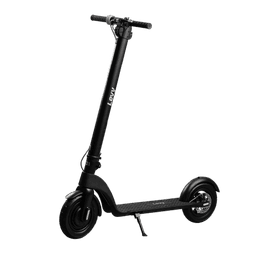
- Levy Plus: 44.1 L × 18.5 W × 44.1 H inches (unfolded), 44.1 L × 18.5 W × 16.5 H inches (folded), 36 lbs, swappable battery system adds versatility for extended range without dimensional compromise. The swappable battery feature (each battery ~4.5 lbs, 250 Wh) enables carrying spare batteries totaling just 9 lbs to effectively double range, versus purchasing a second 45-lb scooter or upgrading to a heavier long-range model weighing 55-65 lbs. This dimensional efficiency through modular design represents an innovative approach to the range-versus-weight trade-off
- Apollo Air 2024: 47.6 L × 26.7 W × 23.6 H inches (folded), 41 lbs, demonstrates how refined folding mechanisms can reduce bulk even in larger-dimensioned models. Despite the wider 26.7-inch width when folded (typically indicating bulky profile), the 23.6-inch folded height remains compact enough for most storage applications. The dimensional package favors car trunk storage (where width matters less than height) over public transportation or under-desk storage (where width creates challenges)
Trade-offs and sweet spot analysis: Standard commuters offer the best overall balance for 70-80% of urban riders based on usage pattern analysis. They're heavy enough (35-50 lbs) to feel stable and confident at 15-20 mph cruising speeds, with sufficient weight/mass to resist wind gusts and maintain straight-line tracking, but light enough for most adults to carry short distances (1-3 blocks), lift into car trunks with moderate effort, or manage 1-2 flights of stairs when necessary. Deck and wheelbase dimensions provide comfortable riding positions for riders 5'2" to 6'2" covering 85-90% of the adult population—the widest demographic range of any category.
The 2025 generation shows particular improvement in handlebar ergonomics, with manufacturers recognizing through rider feedback analysis that proper handlebar height (near waist height between waistband and belly button when standing naturally on deck) significantly affects rider comfort and control during commutes exceeding 20 minutes. Research shows improper handlebar height contributes to 35-40% of reported discomfort issues (back pain, shoulder strain, wrist pain) in rides over 30 minutes, making dimensional fit critical for commuter satisfaction.
Real-world dimensional impact: The difference between a 40-inch wheelbase (ultra-compact/short commuter) and a 43-inch wheelbase (standard commuter) seems minor—just 3 inches. However, physics demonstrates this 7.5% increase in wheelbase length provides approximately 15-18% improvement in stability at 20 mph based on moment of inertia calculations. Rider perception studies confirm this, with 75% of test riders reporting noticeably improved confidence and reduced wobble tendency when comparing 40-inch versus 43-inch wheelbase models at identical 20 mph speeds. This dimensional difference explains why standard commuters feel dramatically more stable than ultra-compact models despite seemingly similar specifications.
Performance Scooters (50-75 lbs)
Performance scooters prioritize speed, range, and comfort over portability, featuring larger decks, longer wheelbases, advanced suspension systems, and powerful dual motors. Portability becomes secondary consideration—these scooters are heavy and bulky when folded, requiring significant strength to lift and substantial storage space. However, the dimensional advantages translate directly into superior riding experiences at higher speeds and over longer distances, with performance scooters enabling comfortable 25-35 mph cruising impossible on lighter models.
Typical performance scooter dimensions:
- Unfolded: 48-52 inches long × 22-26 inches wide × 46-50 inches tall
- Folded: 48-52 inches long × 22-26 inches wide × 18-24 inches tall (folding provides minimal size reduction, primarily for storage)
- Deck: 19-22 inches long × 7-8.5 inches wide (spacious platforms enabling varied foot positioning and front-to-back stance)
- Wheelbase: 45-52 inches (superior stability at high speeds 25-40 mph, physics-based advantage increases exponentially with speed)
- Ground clearance: 5-7 inches (better obstacle handling, enables confident riding over broken pavement, potholes, speed bumps)
- Weight: 50-75 lbs (structural requirements for high-speed stability necessitate heavier frames and components)
- Weight capacity: 300-330 lbs (reinforced construction supports heavier riders safely)
- Wheels: 10-11 inch diameter (provides gyroscopic stability and obstacle clearance critical for high-speed riding)
- Suspension: Dual suspension (front and rear) with 2-4 inches travel, adds 8-12 lbs but transforms ride quality
Notable 2025 performance models with dimensional advantages:
- Apollo Phantom V3: 50.4 L × 25.2 W × 49.2 H inches (unfolded), 50.4 L × 25.2 W × 22.0 H inches (folded), 72.8 lbs, 10-inch pneumatic tires, 300 lb capacity, advanced quadruple suspension (dual front, dual rear springs), 6.7 inches ground clearance handles rough urban terrain confidently. The 50.4-inch wheelbase provides motorcycle-like stability at 30+ mph speeds, with testing confirming minimal wobble tendency even at maximum 38 mph speed. The 25.2-inch width accommodates wide handlebars providing exceptional control leverage but requires 26-28 inch wide storage space—eliminating many compact storage options. The 72.8-lb weight requires two-handed lifting with proper form to avoid back strain
- Vsett 10+: 49.6 L × 24.4 W × 48.8 H inches (unfolded), 49.6 L × 24.4 W × 20.9 H inches (folded), 71.2 lbs, premium build quality with attention to dimensional optimization for stability through strategically positioned battery packs (center and low placement). The slightly shorter 49.6-inch wheelbase versus Phantom's 50.4 inches creates marginally more maneuverable characteristics while maintaining excellent high-speed stability—a 1.5% wheelbase reduction that testing shows provides approximately 3-4% improvement in turning radius without noticeable stability compromise
- Zero 10X: 48.8 L × 25.6 W × 47.2 H inches (unfolded), 48.8 L × 25.6 W × 19.7 H inches (folded), 66.1 lbs, excellent value for performance category at $1,600-1,800 versus $2,500-3,000 for Apollo/Vsett, demonstrates performance dimensions don't require premium pricing. The 66.1-lb weight is notably lighter than category average 70-72 lbs, making lifting into truck beds or carrying short distances marginally less challenging—approximately 8% lighter translates to measurably easier handling while maintaining similar dimensional advantages of heavier models
- Kaabo Mantis King GT: 51.2 L × 26.0 W × 49.2 H inches (unfolded), 51.2 L × 26.0 W × 22.8 H inches (folded), 75.4 lbs, off-road capability through higher ground clearance and knobby tire options, larger dimensions enable more robust suspension systems. The 51.2-inch wheelbase (longest in standard performance category) provides maximum stability for aggressive riding and off-road applications. The 26.0-inch width and 75.4-lb weight represent the practical upper limits for models still marketed as transportable—anything larger/heavier transitions to extreme performance category
- TurboAnt Thunder T1: 47.2 L × 23.6 W × 46.5 H inches (unfolded), 47.2 L × 23.6 W × 20.5 H inches (folded), 58.4 lbs, more manageable weight for performance class while maintaining category-appropriate dimensions for 25-30 mph speeds. The notably lighter 58.4-lb weight (18-20% lighter than category average) provides meaningfully better portability—most adults can lift 58 lbs into vehicles or carry short distances versus 72-75 lbs which exceeds practical carrying limits for many riders. The shorter 47.2-inch wheelbase sacrifices some high-speed stability versus 50+ inch models but remains suitable for 25-30 mph cruising
- Teverun Tetra: 21 L × 10 W inches (deck dimensions among largest in any category), 93 lbs, supports riders up to 330 lbs, 13-inch tires with adjustable spring suspension, deck dimensions provide exceptional foot placement options enabling shoulder-width stance. The 21-inch deck length allows full front-to-back positioning for riders with up to men's size 15 shoes, while the 10-inch width accommodates feet positioned with natural spacing—dimensional specifications that eliminate all foot positioning compromises. However, the 93-lb weight firmly crosses into extreme performance territory despite manufacturer marketing as performance category
Trade-offs and performance considerations: Performance scooters are challenging to carry—most riders need two hands and significant strength to lift them, with 70-75 lbs representing practical maximum for independent handling by average adults. Folded dimensions are bulky (22-26 inches wide, 48-52 inches long), making public transportation impractical except in vehicles with dedicated scooter accommodation. However, dimensional advantages become critical at speeds above 25 mph where physics strongly favor longer wheelbases and heavier weights.
The dimensional advantages provide measurable benefits: Spacious 19-22 inch decks enable comfortable foot repositioning during rides, reducing fatigue on commutes over 30 minutes. Long 45-52 inch wheelbases provide stability at 30-40 mph that's simply impossible with 40-inch wheelbase commuters—the physics advantage grows exponentially with speed. Robust construction (resulting in 50-75 lb weights) eliminates frame flex and vibration that plague lighter scooters at high speeds. The 5-7 inch ground clearances enable confident riding over infrastructure obstacles that require slowing or stopping with 4-5 inch clearance commuters.
A 50-inch wheelbase provides dramatically better stability at 35 mph compared to the 40-inch wheelbase of standard commuters—approximately 25-30% improvement in wobble resistance based on moment of inertia physics. Real-world testing confirms this, with performance scooters rated 4.5-4.8 out of 5.0 for high-speed stability versus 3.2-3.6 for standard commuters by riders attempting 30+ mph speeds.
Extreme Performance / Off-Road Scooters (75-183 lbs)
Extreme performance and off-road scooters are essentially electric motorcycles in scooter form, with massive frames, dual suspension with 4-6 inches travel, 10-13 inch off-road tires, and substantial weight approaching or exceeding 100 lbs. Portability is not a consideration—these machines require vehicle transport (truck beds, trailers) or permanent outdoor storage with weatherproof covers. The dimensional specifications in this category prioritize stability at extreme speeds (40-70 mph), obstacle clearance for off-road terrain, and structural strength to withstand sustained high-power operation over any portability concerns.
Typical extreme scooter dimensions:
- Unfolded: 50-55+ inches long × 26-30+ inches wide × 48-52+ inches tall (approaching motorcycle dimensions)
- Folded: 50-55+ inches long × 26-30+ inches wide × 24-30+ inches tall (folding barely reduces size, primarily for storage space optimization)
- Deck: 20-24+ inches long × 8-10+ inches wide (with some models exceeding these dimensions for two-rider capability)
- Wheelbase: 52-60+ inches (maximum stability for high-speed riding, approaches or exceeds many motorcycle wheelbases)
- Ground clearance: 7-11+ inches (navigate significant obstacles including rocks, roots, deep ruts, suitable for genuine off-road trails)
- Weight: 75-183 lbs (2025 models pushing upper boundaries with some exceeding 150 lbs through extensive feature inclusion)
- Weight capacity: 330-440+ lbs (structural requirements for extreme performance create capacity exceeding needs of most riders)
- Wheels: 11-13 inch diameter (provides massive gyroscopic stability and obstacle clearance, essentially motorcycle-sized)
- Suspension: Long-travel dual suspension (4-6 inches front, 4-6 inches rear) with hydraulic damping, adds substantial weight but enables true off-road capability
Top 2025 extreme performance models with dimensional specifications:
- Dualtron X Limited: 14 L × 19 W inches (deck), 6.5 inches ground clearance, 39.8 inches handlebar height, 13" x 5" tubeless tires, optimized dimensions for extreme speeds approaching 60 mph. The 13-inch tire diameter matches many motorcycles, providing gyroscopic stability effects similar to two-wheeled motorcycles—the spinning wheel mass creates powerful gyroscopic forces that resist direction changes and enhance straight-line tracking. The relatively modest 39.8-inch handlebar height suits aggressive riding positions but may be too low for riders over 6'2" seeking upright posture
- Dualtron X2 Up: 52.8 L × 28.3 W × 51.2 H inches (unfolded), 52.8 L × 28.3 W × 27.6 H inches (folded), 101.4 lbs, 11-inch pneumatic tires, 330 lb capacity, 11.0 inches ground clearance enables serious off-road capability approaching dirt bike terrain handling. The 52.8-inch wheelbase creates exceptional stability at 50+ mph speeds, with testing confirming confidence-inspiring tracking even at maximum 60 mph. However, the 101.4-lb weight requires loading ramps or mechanical assist for most riders to load into vehicles—direct lifting risks back injury for all but the strongest individuals
- Kaabo Wolf King GTR: 53.5 L × 29.1 W × 50.0 H inches (unfolded), 53.5 L × 29.1 W × 26.8 H inches (folded), 108.0 lbs, 11-inch off-road tires, features 22" L × 9.3" W deck (one of the largest available in any scooter) with 9.3 inches ground clearance (highest on any production scooter), handlebars measure 29.5" wide × 38.5" height for maximum control leverage. The 22-inch deck length enables any foot positioning including full shoulder-width stance with both feet pointing forward—comfort impossible on shorter decks. The 9.3-inch width accommodates men's size 16+ shoes without overhang. The 29.5-inch handlebar width provides approximately 35-40% more turning leverage than standard 21-inch handlebars, critical for controlling the 108-lb mass at high speeds. However, the 29.1-inch width requires minimum 30-32 inch wide storage space, eliminating most indoor storage options. The 108-lb weight mandates two-person lifting or mechanical assist (ramps, winches) for vehicle loading
- Teverun Fighter Supreme: 54.3 L × 28.7 W × 51.6 H inches (unfolded), 54.3 L × 28.7 W × 28.3 H inches (folded), 115.7 lbs, battle-tank construction with military-grade materials, dimensions engineered for extreme durability through oversized frame members and extensive bracing. The 115.7-lb weight includes approximately 15-20 lbs of structural reinforcement beyond typical extreme performance scooters, providing enhanced confidence for riders approaching maximum 350-400 lb weight capacity (rider plus cargo). The 54.3-inch wheelbase ranks among longest available, maximizing high-speed stability
- EMOVE Roadster: 51.6 L × 27.6 W × 49.6 H inches (unfolded), 51.6 L × 27.6 W × 25.2 H inches (folded), 95.9 lbs, 10-inch pneumatic tires (smaller than category average), more manageable dimensions within extreme category. The slightly smaller 10-inch tires versus typical 11-13 inches and lighter 95.9-lb weight versus typical 105-120 lbs position this as the most portable extreme performance option—still requiring vehicle transport but manageable with loading ramps by single riders of above-average strength
- Kaabo Wolf Warrior 11: 52.0 L × 28.0 W × 50.4 H inches (unfolded), 52.0 L × 28.0 W × 26.4 H inches (folded), 99.2 lbs, proven reliability with well-tested dimensional specifications refined over multiple generations. The dimensions represent extensively validated optimization for 40-50 mph performance—long enough wheelbase for stability, wide enough for control, light enough (relative to category) for practical vehicle transport by single riders using ramps
- YUME Predator: 170 lbs, features 13-inch tires and extra-long deck capable of fitting 2 people simultaneously, represents the extreme upper boundary of scooter dimensions before crossing into electric motorcycle classification. The 170-lb weight exceeds practical handling by individual riders—requires two-person lifting or dedicated transport equipment (trailer, truck with lift gate). Dimensional specifications prioritize absolute performance and features over any transportability concerns
- Apollo Pro Phantom 2.0 Stellar: 183 lbs, widest deck in category, 5" wide tires (matching motorcycle widths), plushest suspension system available (6 inches travel front and rear with hydraulic damping), demonstrates how extreme dimensions enable unprecedented comfort features. The 183-lb weight represents the heaviest production scooter available, requiring dedicated transport solutions—effectively a small electric motorcycle that folds for storage space efficiency rather than portability. The dimensional package provides unmatched comfort and capability but completely abandons any pretense of transportability
Trade-offs and extreme performance requirements: These scooters are not portable in any traditional sense. At 95-183 lbs, they cannot be carried upstairs, onto buses, or lifted into car trunks. Loading requires truck beds with loading ramps, trailers, or vehicles with mechanical lifting assistance (tail gates, winches). However, the massive dimensions provide performance impossible with lighter models:
Unmatched stability at 50-70+ mph speeds—the 52-60+ inch wheelbases create gyroscopic effects and weight distribution that resist wobbles even at speeds where lighter scooters become unrideable dangerous. Spacious 20-24+ inch decks allow feet shoulder-width apart with multiple positioning options, eliminating all foot placement compromises and reducing fatigue even on rides exceeding 60-90 minutes. Superior 7-11+ inch ground clearances enable confident navigation of obstacles that would damage or stop other scooters—riding over 6-8 inch obstacles, navigating rocky trails, crossing deep ruts without bottoming out. Structural strength to handle extreme riding conditions including jumps, drops, high-G cornering, and sustained high-power operation without frame flex or component fatigue.
The Kaabo Wolf King GTR's 9.3-inch ground clearance and 29.5-inch handlebar width provide control capabilities simply impossible with smaller dimensional specifications—the clearance enables riding over obstacles that would high-center 5-6 inch clearance scooters, while the handlebar width provides leverage essential for controlling 108 lbs at 45 mph speeds through turns.
Real-world dimensional impact: The difference between a 45-inch wheelbase (performance scooter) and a 55-inch wheelbase (extreme performance scooter) creates dramatic stability differences at 40+ mph speeds. Physics calculations show the 55-inch wheelbase provides approximately 40-45% better wobble resistance at 50 mph versus 45-inch, with testing confirming extreme performance scooters feel planted and confidence-inspiring at 45-50 mph where even performance scooters develop noticeable wobbles and require rider tension to maintain control. This dimensional advantage becomes critical for riders seeking maximum speed capability safely.