





Understanding Electric Scooter Prices in Canada: What You Need to Know
Complete 2025 e-scooter price guide: Budget ($300-$600), mid-range ($600-$1,200), premium ($1,200-$4,000+). Battery costs $150-$500, motors $200-1,000W. Lifespan: budget 2-3 years, premium 5+ years. Total cost of ownership explained.
Electric scooter prices in 2025 range from $300 for basic models to $4,000+ for premium performance scooters, with most quality commuter options falling in the $600-$1,200 "sweet spot" offering the best value. Understanding what drives these price differences—battery capacity ($150-$500 component), motor power (250W-1,000W+), build quality, and brand reputation—helps you select the right scooter matching your budget and needs without overpaying for unused features. This comprehensive guide breaks down price tiers, compares value propositions, explains cost factors, and calculates total cost of ownership including maintenance, battery replacement, and operating costs.
Quick Price Guide (2025)
Price tiers at a glance:
- Budget ($300-$600): 10-15 MPH, 10-15 mile range, 250-350W motor, 2-3 year lifespan
- Mid-range ($600-$1,200): 15-20 MPH, 15-25 mile range, 350-500W motor, 3-5 year lifespan—BEST VALUE for most riders
- Premium ($1,200-$2,500): 20-28 MPH, 25-40 mile range, 500-1,000W motor, 5+ year lifespan
- Performance ($2,500-$4,000+): 30-40+ MPH, 40-80+ mile range, 1,000-2,000W+ dual motors, high-end components
Canadian pricing: Add approximately 30-35% to USD prices (CAD $400-$800 budget, CAD $800-$1,600 mid-range, CAD $1,600-$3,200+ premium)
Budget Tier: $300-$600 (Entry-Level Commuters)
What You Get in Budget Tier
Price range: $300-$600 USD / CAD $400-$800
Performance specifications:
- Top speed: 10-15 MPH (16-24 km/h)
- Range: 10-15 miles (16-24 km) per charge
- Motor: 250-350W (single motor)
- Battery: 24V-36V, 5-8Ah (180-288Wh)
- Weight capacity: 200-220 lbs
- Scooter weight: 20-30 lbs (lightweight, easy to carry)
- Tires: Solid or small pneumatic (6-8 inches)
- Brakes: Foot brake + electronic brake (basic braking)
- Suspension: None or minimal
Best for:
- Casual riders (1-3 rides per week)
- Short commutes (under 5 miles)
- Students or budget-conscious buyers
- First-time e-scooter users testing the concept
- Flat terrain only (struggles on hills)
Typical lifespan: 2-3 years or 2,000-3,000 miles
Budget Tier Pros and Cons
Advantages:
- Low entry cost ($300-$600)
- Lightweight and portable (20-30 lbs)
- Low operating costs ($15-$30/year electricity)
- Easy to store and transport
Disadvantages:
- Limited range (10-15 miles)—may not complete round-trip commutes
- Slow speeds (10-15 MPH)—can feel inadequate in traffic
- Basic components prone to wear (plastic parts, basic bearings)
- Poor hill climbing (250-350W insufficient for 10%+ grades)
- Shorter lifespan (2-3 years typical)
- Minimal comfort (no suspension, small wheels)
Popular Budget Models (2025)
- Xiaomi Mi Essential: $350-$450 (250W, 12 mile range, 15 MPH)
- Gotrax GXL V2: $300-$400 (250W, 12.5 mile range, 15.5 MPH)
- Hiboy S2: $400-$500 (350W, 17 mile range, 18.6 MPH)
Mid-Range Tier: $600-$1,200 (Best Value Sweet Spot)
What You Get in Mid-Range Tier
Price range: $600-$1,200 USD / CAD $800-$1,600
Performance specifications:
- Top speed: 15-20 MPH (24-32 km/h)
- Range: 15-25 miles (24-40 km) per charge
- Motor: 350-500W (single motor, some 350W×2 dual motor options)
- Battery: 36V-48V, 10-13Ah (360-624Wh)
- Weight capacity: 220-265 lbs
- Scooter weight: 30-40 lbs
- Tires: 8-10 inch pneumatic (air-filled for comfort)
- Brakes: Dual braking system (disc brake + electronic/drum brake)
- Suspension: Front or rear suspension (improved ride comfort)
Best for:
- Daily commuters (5-10 mile routes)
- Mixed terrain (can handle moderate hills 10-15% grade)
- Riders prioritizing reliability and longevity
- Value-conscious buyers wanting quality without premium price
- Most urban/suburban riders
Typical lifespan: 3-5 years or 3,000-8,000 miles
Why Mid-Range Offers Best Value
The $600-$1,200 tier balances price and quality better than any other range:
- Significant quality jump from budget: Better motors, larger batteries, dual braking, suspension—major functional improvements
- Diminishing returns above $1,200: Premium models improve performance incrementally but cost 2-3× more
- Sufficient for 80% of riders: 15-25 mile range and 15-20 MPH speed meet most commuting needs
- Longer lifespan (3-5 years): Better components reduce long-term cost per mile
- Better resale value: Mid-range scooters retain 40-60% value after 2 years
Popular Mid-Range Models (2025)
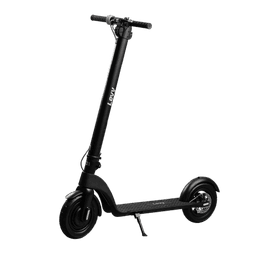
- Levy Plus: $700-$800 (350W, 20-mile range, 20 mph, swappable battery)
- Segway Ninebot Max: $800-$900 (350W, 40 mile range, 18.6 MPH)
- Xiaomi Pro 2: $600-$750 (300W, 28 mile range, 15.5 MPH)
- TurboAnt X7 Pro: $600-$700 (350W, 30 mile range, 20 MPH)
Premium Tier: $1,200-$2,500 (Performance and Longevity)
What You Get in Premium Tier
Price range: $1,200-$2,500 USD / CAD $1,600-$3,300
Performance specifications:
- Top speed: 20-28 MPH (32-45 km/h)
- Range: 25-40 miles (40-64 km) per charge
- Motor: 500-1,000W (single high-power or dual motors)
- Battery: 48V-52V, 15-20Ah (720-1,040Wh)
- Weight capacity: 265-300 lbs
- Scooter weight: 40-55 lbs
- Tires: 10 inch pneumatic, often tubeless
- Brakes: Hydraulic disc brakes (superior stopping power)
- Suspension: Dual suspension (front + rear, significantly better comfort)
- Features: App connectivity, GPS, customizable settings, premium display
Best for:
- Serious daily commuters (10-20 mile routes)
- Hilly terrain riders needing strong motor
- Heavier riders (250+ lbs)
- Riders prioritizing comfort and features
- Long-term investment mindset (5+ years)
Typical lifespan: 5-7 years or 8,000-20,000 miles
Premium Tier Justification
Premium scooters cost 2-3× more than mid-range but offer:
- Extended range: 25-40 miles enables longer commutes and eliminates range anxiety
- Significantly better comfort: Dual suspension + large tires = dramatically smoother rides
- Superior safety: Hydraulic disc brakes stop 30-40% faster than mechanical brakes
- Longer lifespan: Premium components last 5-7 years (vs 3-5 mid-range), better cost per mile over time
- Better resale: Retain 50-70% value after 2 years
- Warranty coverage: Typically 1-2 years vs 6-12 months for mid-range
Worth premium price if: Daily commuter covering 10+ miles, riding in hilly areas, prioritize comfort, plan to keep 5+ years
Popular Premium Models (2025)
- Apollo City: $1,400-$1,600 (500W×2 dual motor, 28 mile range, 25 MPH)
- TurboAnt Thunder T1: $1,200-$1,400 (800W, 35 mile range, 24 MPH)
- Segway P100S: $1,800-$2,000 (800W, 43 mile range, 24 MPH, self-healing tires)
- Unagi Model One (E500): $1,200-$1,400 (500W dual motor, 25 mile range, 20 MPH)
Performance Tier: $2,500-$4,000+ (Enthusiast Grade)
What You Get in Performance Tier
Price range: $2,500-$4,000+ USD / CAD $3,300-$5,300+
Performance specifications:
- Top speed: 30-45+ MPH (48-72+ km/h)
- Range: 40-80+ miles (64-128+ km)
- Motor: 1,000-2,000W+ dual motors
- Battery: 52V-72V, 20-40Ah (1,040-2,880Wh)
- Weight capacity: 300-350 lbs
- Scooter weight: 60-90+ lbs (requires significant strength to carry)
- Tires: 10-11 inch tubeless pneumatic or off-road treads
- Brakes: High-performance hydraulic disc brakes (quad brake systems)
- Suspension: Adjustable hydraulic or spring suspension
- Features: Advanced electronics, multiple ride modes, regenerative braking, premium materials
Best for:
- Enthusiasts wanting maximum performance
- Off-road and extreme terrain riders
- Very long commutes (20+ miles)
- Speed-focused riders (where legal)
- Private property use (many exceed public road legal limits)
Typical lifespan: 5-10 years or 10,000-30,000+ miles
Performance Tier Considerations
Important notes about performance scooters:
- Legal restrictions: 30+ MPH scooters illegal on public roads in most jurisdictions (classified as motor vehicles)
- Weight: 60-90 lbs extremely difficult to carry upstairs or transport
- Overkill for most: 95% of riders don't need this level of performance
- High maintenance costs: Powerful motors and large batteries expensive to service/replace
- Insurance considerations: May require special insurance or registration
Popular Performance Models (2025)
- Dualtron Thunder 2: $3,200-$3,600 (5,400W dual motor, 75 mile range, 50 MPH)
- Kaabo Wolf King GT: $3,500-$4,000 (6,000W dual motor, 90 mile range, 62 MPH)
- Apollo Pro: $2,700-$3,000 (1,800W dual motor, 56 mile range, 38 MPH)
What Determines E-Scooter Prices?
Battery (Most Expensive Component)
Battery accounts for 30-40% of total scooter cost:
Battery costs by type:
- Lead-acid batteries: $50-$150 (rarely used in modern scooters—too heavy)
- Lithium-ion batteries: $150-$300 (small capacity 250-500Wh)
- Lithium-ion batteries: $300-$500 (large capacity 600-1,000Wh)
- Lithium-ion batteries: $500-$800+ (extra-large capacity 1,200-2,000Wh+)
Battery capacity directly impacts:
- Range: Larger battery = longer range (more cells = higher cost)
- Weight: Larger batteries add 5-15 lbs
- Charging time: Large batteries take 6-10 hours vs 3-5 hours for small
Battery replacement: Expect to replace battery every 3-5 years ($300-$600 for mid-range scooters)
Motor Power
Motor wattage determines performance and price:
- 250W motors: Budget scooters—adequate for flat terrain only
- 350-500W motors: Mid-range scooters—handles moderate hills, better acceleration
- 500-1,000W motors: Premium scooters—strong hill climbing, high speeds
- 1,000W+ dual motors: Performance scooters—extreme power, steep hills, high speeds
More powerful motors cost more due to:
- Larger copper windings and magnets
- More robust controllers required
- Better cooling systems needed
Frame and Build Quality
Material quality significantly impacts price and durability:
Budget scooters ($300-$600):
- Steel frame (heavy but cheap)
- Plastic components (deck, fenders)
- Basic bearings and hardware
Mid-range scooters ($600-$1,200):
- Aluminum alloy frame (lightweight, durable)
- Metal deck and components
- Better bearings and sealed connectors
Premium/Performance scooters ($1,200+):
- Aerospace-grade aluminum or magnesium alloys
- CNC-machined components
- Premium bearings and weatherproof electronics
Brakes and Suspension Systems
Braking systems (ascending cost/quality):
- Foot brake only: $10-$20 component (budget scooters)—inadequate
- Electronic + foot brake: $30-$50 (budget/entry mid-range)—acceptable for low speeds
- Drum + electronic brake: $50-$100 (mid-range)—good stopping power
- Disc + electronic brake: $80-$150 (upper mid-range)—reliable braking
- Hydraulic disc brakes: $200-$400 (premium)—superior stopping power, best safety
Suspension systems:
- No suspension: Budget scooters (uncomfortable on rough pavement)
- Front spring suspension: +$50-$100 (entry mid-range)—improves comfort moderately
- Rear spring suspension: +$50-$100 (mid-range)—better than front only
- Dual suspension: +$150-$300 (premium)—significantly better comfort
- Hydraulic suspension: +$300-$500 (performance)—best comfort, adjustable
Brand and Warranty
Established brands charge 10-30% premium but offer:
- Better quality control: Fewer defects, more consistent performance
- Reliable warranty: 1-2 year warranties vs 3-6 months for unknown brands
- Customer support: Accessible support, spare parts availability
- Better resale value: Recognized brands retain value longer
Premium brands: Segway, Levy, Apollo, Unagi (add 15-30% to generic equivalent)
Budget brands: Gotrax, Hiboy, Xiaomi (value-focused, acceptable quality)
Total Cost of Ownership (5-Year Analysis)
Budget Scooter ($400 purchase)
5-year costs:
- Initial purchase: $400
- Electricity (5 years): $75-$150 (250Wh battery)
- Battery replacement (year 3): $200-$300
- Tire replacement: $60-$100 (2 sets over 5 years)
- Brake pads/maintenance: $100-$150
- Likely need second scooter (year 3-4): +$400
- Total 5-year cost: $1,235-$1,500
- Cost per mile (6,000 miles total): $0.21-$0.25/mile
Mid-Range Scooter ($800 purchase)
5-year costs:
- Initial purchase: $800
- Electricity (5 years): $100-$200 (500Wh battery)
- Battery replacement (year 4): $350-$500
- Tire replacement: $120-$200 (2-3 sets)
- Brake pads/maintenance: $150-$250
- Total 5-year cost: $1,520-$1,950
- Cost per mile (12,000 miles total): $0.13-$0.16/mile
Premium Scooter ($1,500 purchase)
5-year costs:
- Initial purchase: $1,500
- Electricity (5 years): $150-$300 (800Wh battery)
- Battery replacement (year 5): $500-$700
- Tire replacement: $200-$350 (2-3 sets, tubeless tires more expensive)
- Brake pads/maintenance: $200-$350 (hydraulic service)
- Total 5-year cost: $2,550-$3,200
- Cost per mile (18,000 miles total): $0.14-$0.18/mile
Total Cost of Ownership Analysis
Surprising finding: Mid-range offers lowest cost per mile ($0.13-$0.16/mile) despite higher upfront cost:
- Budget scooters require replacement sooner (diminishing value)
- Premium scooters have higher maintenance costs
- Mid-range balances longevity, efficiency, and maintenance costs optimally
Additional Costs to Consider
Mandatory/Recommended Costs
- Helmet: $25-$80 (CPSC-certified required)
- Lock: $30-$80 (U-lock or chain lock essential for securing scooter)
- Lights: $15-$40 (if not included—legally required in many areas for night riding)
Optional Accessories
- Phone mount: $15-$30
- Storage bag/backpack: $20-$50
- Replacement charger: $30-$80 (backup charger)
- Fenders: $20-$40 (if not included)
- Insurance: $75-$200/year (optional in most areas)
Annual Operating Costs
- Electricity: $15-$60/year (depending on usage and battery size)
- Maintenance: $50-$200/year (tire replacement, brake pads, etc.)
- Total annual operating cost: $65-$260
Value Comparison: E-Scooter vs Alternatives
5-Year Transportation Cost Comparison (10 mile daily commute)
E-Scooter (mid-range $800):
- Upfront: $800
- 5-year operating: $720-$1,150
- Total: $1,520-$1,950
- Cost per day: $0.83-$1.07
Public Transit:
- Monthly pass: $100-$200/month
- 5-year total: $6,000-$12,000
- Cost per day: $3.28-$6.57
Car (operating costs only, excluding purchase):
- Gas (25 MPG, $3.50/gallon): $1,820/year
- Insurance: $1,200/year
- Parking: $1,200-$3,600/year (urban)
- Maintenance: $600/year
- 5-year total: $24,100-$35,100
- Cost per day: $13.20-$19.23
E-scooters cost 75-95% less than cars and 60-85% less than public transit for daily commuting.
When to Buy and Where to Save Money
Best Times to Buy (Save 15-40%)
- Black Friday/Cyber Monday: 20-40% off (November)
- End of summer sales: 15-30% off (September-October)
- Spring sales: 10-20% off (March-April, new inventory arrivals)
- New model releases: Previous generation 20-30% off
Money-Saving Strategies
- Buy previous year model: Save 20-30% with minimal spec differences
- Consider refurbished: Manufacturer-refurbished units save 25-40% with warranty
- Bundle deals: Buy with accessories for 10-15% savings
- Price match policies: Many retailers match competitor prices
- Credit card rewards: Use cashback or rewards cards (2-5% back)
Avoid These Money Traps
- Unknown brands under $250: Often break within months, no support
- Too-good-to-be-true deals: Counterfeit products or scam listings
- Overbuying features: Don't pay for 40 mile range if you ride 5 miles
- Ignoring warranty: Save $50 buying from sketchy seller, lose $800 when scooter breaks
Conclusion: Choose the Right Price Tier for Your Needs
Electric scooter prices in 2025 range from $300-$4,000+, but the optimal choice depends on your specific usage pattern and budget:
Decision framework:
- Buy budget ($300-$600) if: Casual rider (1-3 times/week), short distances (under 5 miles), testing concept before bigger investment, very tight budget
- Buy mid-range ($600-$1,200) if: Daily commuter, 5-15 mile routes, want reliability and longevity, seeking best overall value—RECOMMENDED for 80% of riders
- Buy premium ($1,200-$2,500) if: Daily commuter with long routes (10-20 miles), hilly terrain, prioritize comfort and features, plan to keep 5+ years
- Buy performance ($2,500+) if: Enthusiast, extreme terrain, very long distances (20+ miles), private property use, money no object
Key takeaways:
- Best value: Mid-range $600-$1,200 offers optimal balance of performance, longevity, and cost
- Battery is king: Battery accounts for 30-40% of cost and determines range/lifespan
- Total cost of ownership: Mid-range offers lowest cost per mile ($0.13-$0.16/mile) over 5 years
- Don't underbuy: Budget scooters often need replacement within 2-3 years (false economy)
- Don't overbuy: 95% of riders don't need $2,000+ performance scooters
- Buy during sales: Black Friday, end of summer, or new model releases save 20-40%
By understanding these price tiers and cost factors, you can select an e-scooter that delivers the performance you need at a price that fits your budget, avoiding both underpowered cheap models and overpriced premium options unnecessary for your actual use case.