





Understanding the Cost of Electric Scooters
Complete 2025 electric scooter cost guide: Budget models $200-600 (2-3 year lifespan), mid-range $600-1,200 (3-5 years), premium $1,200-3,000+ (5+ years). Includes total ownership costs ($20-60 annual charging, $100-400 maintenance, $150-600 battery replacement every 3-5 years), insurance ($50-200/year), and cost-per-mile analysis.
Electric scooters have evolved from novelty toys into serious transportation alternatives, with prices ranging from $200 budget models to $6,000+ ultra-performance machines. However, the sticker price represents only part of the total investment—understanding the complete cost picture requires examining purchase price, ongoing maintenance, battery replacement, insurance, and long-term value. Whether you're budget-conscious, seeking reliable daily transportation, or wanting premium performance, this comprehensive 2025 guide breaks down exactly what you'll pay upfront and over the lifetime of your electric scooter.
Purchase Price Ranges: What to Expect in 2025
Electric scooter pricing spans an enormous range, with functional differences justifying costs from $200 to over $6,000. Understanding what you get at each price point prevents disappointment and helps identify the best value for your specific needs.
Ultra-Budget ($150-300): Minimal Transportation
These represent the absolute entry point for electric scooters, typically sold through big-box retailers, Amazon basics brands, or no-name imports. While functional, significant compromises affect reliability and longevity.
Typical specifications:
- Motor: 150-250W (very limited power)
- Battery: 187-250Wh (small capacity)
- Range: 6-10 miles per charge
- Top speed: 12-15 mph
- Weight: 18-25 lbs (portable)
- Features: Basic display, no suspension, solid or small air tires
What you sacrifice at this price:
- Durability: Expected lifespan 1-2 years or 500-1,500 miles
- Comfort: Minimal shock absorption, rough ride quality
- Safety: Basic braking systems (often mechanical disc only)
- Support: Limited warranty (3-6 months), poor customer service
- Performance: Struggles on hills, reduced range with heavier riders
Best for: Children, extremely short commutes (under 2 miles), occasional use, riders under 150 lbs, testing if you'll actually use a scooter before investing more.
Popular models: Gotrax GXL V2 ($249), Hiboy S2 ($350), Segway ES2 Lite ($300)
Budget ($300-600): Value Territory
This tier offers meaningful improvements over ultra-budget options, with better components, longer lifespan, and actually reliable daily use. The sweet spot for cost-conscious riders who need legitimate transportation.
Typical specifications:
- Motor: 300-500W (adequate power)
- Battery: 250-400Wh
- Range: 12-18 miles per charge
- Top speed: 15-19 mph
- Weight: 26-35 lbs
- Features: Basic LED display, often spring suspension, 8-8.5" pneumatic tires
Key improvements over ultra-budget:
- Expected lifespan: 2-3 years or 2,000-3,000 miles
- Better braking: Dual braking systems (electronic + mechanical)
- Improved comfort: Front or rear spring suspension
- Hill performance: Handles 10-15% grades at reduced speed
- Warranty: 6-12 months, actual customer support
Best for: Budget-conscious commuters, rides under 5 miles, relatively flat terrain, riders under 220 lbs, first "real" electric scooter purchase.
Popular models: Gotrax G4 ($500), Hiboy S2 Pro ($450), Segway Ninebot F25 ($450)
Mid-Range ($600-1,200): The Sweet Spot
Most serious riders find optimal value here, where quality components, meaningful range, and multi-year reliability intersect with reasonable pricing. This tier handles daily commuting reliably without premium costs.
Typical specifications:
- Motor: 500-750W (strong performance)
- Battery: 400-600Wh
- Range: 20-30 miles per charge
- Top speed: 18-25 mph
- Weight: 35-45 lbs
- Features: Full-color display, dual suspension, 10" pneumatic tires, phone app connectivity
Meaningful improvements:
- Expected lifespan: 3-5 years or 3,000-8,000 miles
- Real hill climbing: Handles 15-20% grades confidently
- Quality construction: Better welds, premium materials, thoughtful design
- Comfort features: Front and rear suspension, larger deck, ergonomic grips
- Safety upgrades: Hydraulic or dual disc brakes, bright LED lights
- Warranty: 12-24 months with responsive support
Best for: Daily commuters traveling 5-10 miles, mixed terrain including moderate hills, riders up to 265 lbs, those wanting reliable multi-year investment.
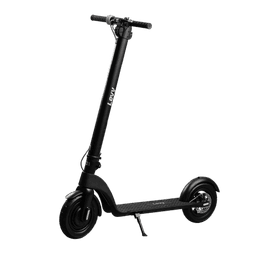
Popular models: Levy Electric Scooter ($699), Apollo City ($899), NIU KQi3 Max ($799), Segway Ninebot Max ($949)
Performance ($1,200-2,500): Serious Capability
Performance scooters deliver significantly higher speeds, extended range, and robust construction that handles aggressive riding and varied terrain. Targeted at enthusiasts and long-distance commuters.
Typical specifications:
- Motor: 800-1,500W (powerful acceleration)
- Battery: 600-1,000Wh (long range)
- Range: 30-50 miles per charge
- Top speed: 25-35 mph
- Weight: 45-65 lbs (less portable)
- Features: Advanced displays, adjustable suspension, 10" pneumatic/tubeless tires, turn signals
Premium features:
- Expected lifespan: 5+ years or 8,000-15,000 miles
- Hydraulic brakes: Superior stopping power, especially at high speeds
- Quality suspension: Adjustable spring or hydraulic systems
- Weather resistance: IPX5-IPX7 water resistance ratings
- Advanced electronics: Cruise control, custom power modes, regenerative braking
- Warranty: 24+ months with comprehensive coverage
Best for: Commutes over 10 miles, hilly terrain, riders wanting car replacement, enthusiasts prioritizing performance, weight capacity up to 300 lbs.
Popular models: Vsett 9+ ($1,399), Apollo Pro ($1,599), Blade GT ($1,799), Kaabo Mantis ($1,499)
Ultra-Performance ($2,500-6,000+): Extreme Machines
These represent the pinnacle of electric scooter technology, with speeds rivaling motorcycles, massive battery capacity, and build quality approaching motor vehicles. Often illegal on public roads.
Typical specifications:
- Motor: Dual motors, 2,000-5,000W+ total
- Battery: 1,500-3,000Wh (massive capacity)
- Range: 50-90+ miles per charge
- Top speed: 40-65 mph
- Weight: 65-100+ lbs (requires vehicle to transport)
- Features: Everything, plus premium components throughout
Extreme features:
- Dual motors: Independent front/rear drive, all-wheel capability
- Hydraulic suspension: Fully adjustable compression and rebound
- Racing-grade brakes: 140mm+ rotors, ABS on some models
- Premium materials: Aviation-grade aluminum, carbon fiber components
- Extended warranty: 24-36 months from reputable brands
Best for: Private property use, off-road recreation, track days, collectors, riders with space and legal locations for high-powered vehicles.
Popular models: Kaabo Wolf Warrior ($2,899), Dualtron Thunder ($4,299), RION Thrust ($6,850)
Quick Price Comparison Table
| Price Range | Motor | Range | Top Speed | Lifespan | Best For |
|---|---|---|---|---|---|
| $150-300 | 150-250W | 6-10 mi | 12-15 mph | 1-2 years | Kids, testing |
| $300-600 | 300-500W | 12-18 mi | 15-19 mph | 2-3 years | Budget commuters |
| $600-1,200 | 500-750W | 20-30 mi | 18-25 mph | 3-5 years | Daily commuters |
| $1,200-2,500 | 800-1,500W | 30-50 mi | 25-35 mph | 5+ years | Long distance, enthusiasts |
| $2,500-6,000+ | 2,000-5,000W+ | 50-90+ mi | 40-65 mph | 5+ years | Private property, extreme |
Ongoing Ownership Costs: Beyond the Purchase Price
The purchase price represents just the beginning. True cost of ownership includes electricity, maintenance, repairs, battery replacement, and potentially insurance or registration fees.
Electricity Costs: $20-60 Annually
Electric scooters are remarkably efficient, costing pennies per charge. However, total costs vary based on battery size, charging frequency, and local electricity rates.
Cost per charge (at $0.12/kWh average US rate):
- 250Wh battery: $0.03 per full charge (budget scooters)
- 500Wh battery: $0.06 per full charge (mid-range)
- 750Wh battery: $0.09 per full charge (performance)
- 1,500Wh battery: $0.18 per full charge (ultra-performance)
Annual electricity costs:
- Occasional rider (1,000 miles/year): $10-25 annually
- Regular commuter (2,500 miles/year): $20-50 annually
- Heavy user (5,000 miles/year): $40-100 annually
For comparison, driving 2,500 miles in a car averaging 30 mpg costs $300-400 in gasoline alone—electric scooters offer 90% cost savings on fuel.
Maintenance Costs: $100-400 Annually
Maintenance requirements vary dramatically based on riding intensity, terrain, weather exposure, and scooter quality. Budget scooters typically require more frequent maintenance due to lower-quality components.
Routine Maintenance Items
Tires (every 1,000-3,000 miles):
- Solid tires: Replacement $20-40 per tire, no flats but harsh ride
- Pneumatic tube tires: Replacement $30-60 per tire, tubes $8-15, susceptible to flats
- Tubeless tires: Replacement $40-80 per tire, sealant $10-20, fewer flats
- Annual tire costs: $40-160 depending on usage and tire type
Brake pads/cables (every 500-2,000 miles):
- Mechanical brake pads: $15-30 per set
- Disc brake pads: $20-40 per set
- Hydraulic brake pads: $25-50 per set
- Brake cables (if applicable): $10-20
- Annual brake costs: $30-100
Other periodic maintenance:
- Bearing replacement: $20-60 every 2,000-4,000 miles
- Stem tightening/bolts: Free if DIY, $20-40 shop service
- Chain/belt (if applicable): $15-40 every 1,000-2,000 miles
- Suspension service: $30-80 annually for performance models
- General tune-up: $50-100 annually at shop
Total annual maintenance estimates:
- Light use (under 1,000 miles/year): $50-100 annually
- Moderate use (1,000-2,500 miles/year): $100-200 annually
- Heavy use (2,500-5,000 miles/year): $200-400 annually
Battery Replacement: $150-2,000 Every 3-5 Years
The battery represents the most expensive replacement item, often costing 30-50% of the scooter's original price. Understanding battery lifespan and replacement costs is critical for long-term budgeting.
Battery lifespan expectations:
- Budget scooter batteries: 300-500 charge cycles (18 months - 3 years)
- Mid-range batteries: 500-800 cycles (2-4 years)
- Premium batteries: 800-1,000+ cycles (3-5+ years)
Battery replacement costs by scooter category:
- Ultra-budget ($150-300 scooter): $80-150 battery (often not worth replacing—buy new scooter instead)
- Budget ($300-600): $150-300 battery
- Mid-range ($600-1,200): $250-500 battery
- Performance ($1,200-2,500): $400-800 battery
- Ultra-performance ($2,500+): $800-2,000 battery
The replacement decision: For budget scooters under $400, replacing the battery often costs more than buying a new scooter on sale. For mid-range and premium scooters, battery replacement extends life cost-effectively.
Extending battery life to delay replacement:
- Charge between 20-80% regularly (avoid full charges unless needed)
- Store at 50% charge when not using for 2+ weeks
- Avoid extreme temperatures during charging and storage
- Use manufacturer chargers or quality equivalents
- Don't leave fully charged for extended periods
Insurance and Registration: $0-500 Annually
Insurance and registration requirements vary dramatically by location and scooter specifications. Most basic commuter scooters require neither, but high-powered models may be legally classified as mopeds or motorcycles.
Typical insurance scenarios:
- No insurance required: Scooters under 750W and 20 mph in most US jurisdictions—$0
- Optional homeowner's/renter's coverage: May cover theft and liability—$0-50 additional annually
- Dedicated e-scooter insurance: $50-200 annually for theft and liability coverage
- Moped/motorcycle insurance (required for high-power scooters): $200-600 annually
Registration fees (if applicable):
- Most states: Not required for Class 1/2 e-scooters—$0
- Some states: Required for scooters exceeding power/speed limits—$25-100 annually
- High-power scooters classified as motorcycles: $50-200 annually
Unexpected Repairs: Budget $100-300 Reserve
Beyond routine maintenance, occasional repairs are inevitable, especially for riders covering high mileage or riding in harsh conditions.
Common repair costs:
- Flat tire repair: $10-25 (DIY with tube) or $25-50 (shop service)
- Controller replacement: $50-200 depending on scooter
- Display replacement: $40-120
- Motor replacement: $150-500 (often exceeds repair value on budget scooters)
- Frame welding/cracks: $50-200 or scooter may be totaled
- Electrical troubleshooting: $50-150 diagnostic + parts
Total Cost of Ownership Analysis
Understanding true 3-year cost of ownership helps make informed purchasing decisions and reveals the real value proposition of each price tier.
Budget Scooter ($400 purchase): 3-Year Cost
- Purchase price: $400
- Electricity (3 years): $60
- Maintenance (3 years): $300 (more frequent due to lower quality)
- Battery replacement (at 2 years): $200
- Insurance: $0 (optional)
- Repairs: $100 (estimate for occasional fixes)
- TOTAL 3-YEAR COST: $1,060
- Expected mileage: 2,500 miles
- Cost per mile: $0.42
Mid-Range Scooter ($800 purchase): 3-Year Cost
- Purchase price: $800
- Electricity (3 years): $90
- Maintenance (3 years): $450
- Battery replacement (at 4 years): $0 within 3-year window
- Insurance: $150 (optional theft/liability)
- Repairs: $100 (minor fixes)
- TOTAL 3-YEAR COST: $1,590
- Expected mileage: 5,000 miles
- Cost per mile: $0.32
Performance Scooter ($1,500 purchase): 3-Year Cost
- Purchase price: $1,500
- Electricity (3 years): $120
- Maintenance (3 years): $600
- Battery replacement: $0 (5+ year battery life)
- Insurance: $300 (recommended for expensive scooter)
- Repairs: $150
- TOTAL 3-YEAR COST: $2,670
- Expected mileage: 8,000 miles
- Cost per mile: $0.33
Cost Per Mile Comparison
| Transportation Method | Cost Per Mile | Notes |
|---|---|---|
| Walking | $0.00 | Ignoring shoe wear |
| Traditional bicycle | $0.05-0.10 | Maintenance only |
| Budget e-scooter | $0.40-0.45 | Frequent replacements |
| Mid-range e-scooter | $0.25-0.35 | Best value sweet spot |
| Premium e-scooter | $0.30-0.40 | Higher upfront, longer life |
| Public transit | $0.40-1.00 | Varies by city |
| Rideshare (Uber/Lyft) | $2.00-4.00 | Most expensive option |
| Economy car | $0.50-0.70 | Including depreciation |
Key insight: Mid-range e-scooters offer the best cost-per-mile value, balancing purchase price against longevity. Budget scooters' frequent replacements negate initial savings, while premium scooters' high upfront costs take years to amortize.
Hidden Value Factors Beyond Price
Some cost considerations aren't reflected in price tags but significantly impact long-term satisfaction and true value.
Resale Value
Electric scooters depreciate rapidly, typically losing 40-60% of value in the first year. However, quality brands hold value better than generic imports.
Typical resale percentages after 1 year:
- No-name brands: 30-40% of original price
- Budget brands (Gotrax, Hiboy): 40-50%
- Mid-tier brands (NIU, Apollo): 50-60%
- Premium brands (Kaabo, Dualtron): 60-70%
A $1,000 premium scooter retaining 60% value ($600) after 1 year effectively costs $400 for that year's use, while a $400 budget scooter retaining 40% ($160) costs $240—narrowing the value gap significantly when considering resale.
Warranty and Support Value
Manufacturer warranty directly correlates with repair costs avoided:
- 3-month warranty (typical ultra-budget): You pay for almost all repairs—high risk
- 6-12 month warranty (budget/mid-range): Covers infant mortality but not long-term
- 12-24 month warranty (quality mid-range/performance): Substantial protection
- 24+ month warranty (premium): Maximum peace of mind
Extended warranty value: If a $800 scooter offers 24-month warranty vs. a $600 scooter with 6 months, the extra $200 buys you 18 months additional coverage—potentially saving $200-400 in repairs.
Opportunity Cost of Range Anxiety
Buying insufficient range creates hidden costs:
- Taking Uber when battery depletes mid-commute: $15-30 per incident
- Time waiting for charges: 2-4 hours of lost productivity
- Stress and planning around limited range: Difficult to quantify but real
A $200 upgrade from 15-mile to 25-mile range scooter eliminates these concerns for riders with 8-10 mile commutes—potentially worth far more than the price difference.
Cost-Optimized Buying Recommendations
Based on total cost of ownership analysis, here are evidence-based recommendations for different scenarios.
For 2-5 mile daily commutes: Mid-range $600-900 scooters offer optimal value. Lower purchase than performance models, reliable enough for daily use, and sufficient range to avoid anxiety. Best value: NIU KQi3 Max ($799), Segway Ninebot Max ($949)
For 5-10 mile commutes: Performance $1,200-1,800 scooters justify costs through longevity and reliability. Extended range prevents charging stress, better components reduce maintenance. Best value: Apollo City ($1,099), Vsett 9+ ($1,399)
For occasional weekend use: Budget $300-500 scooters make sense—low initial cost, and infrequent use means they'll last 3-5+ years. Best value: Segway Ninebot F25 ($449)
For testing before committing: Used mid-range scooter for $300-500 (50% depreciation) offers quality experience without new-price commitment. Can resell for minimal loss if you don't adapt to scooter commuting.
For enthusiasts wanting performance: Skip directly to $1,500-2,000 range rather than incrementally upgrading. You'll end up here eventually—save money by avoiding intermediate purchases.
Conclusion: Invest Based on Intended Use
Electric scooter costs span from $200 to $6,000+, but the right investment depends entirely on your specific use case, riding frequency, and budget. While it's tempting to save money with budget options, the total cost of ownership analysis reveals that mid-range scooters ($600-1,200) typically deliver the best value for regular riders through superior reliability, longer lifespan, and lower per-mile costs.
Key takeaways for cost-conscious buyers:
- Don't buy the cheapest option—ultra-budget scooters' short lifespans create higher long-term costs
- Match purchase to usage intensity—occasional riders benefit from budget models, daily commuters need mid-range minimum
- Factor in total ownership costs—$800 scooter lasting 5 years beats $400 scooter lasting 2 years twice over
- Consider used premium over new budget—better components, even with age, often outlast new cheap scooters
- Budget for battery replacement—set aside $150-500 for eventual replacement in years 3-5
The optimal strategy: Buy the best scooter you can reasonably afford that meets your actual range needs. For most daily commuters, this means $600-1,200 range. Under-buying leads to frustration and eventual upgrade costs, while over-buying wastes money on capabilities you won't use. The sweet spot delivers reliable transportation at minimal per-mile cost—and that's where smart buyers find the best long-term value.