





Understanding the Laws Surrounding Electric Scooters
Learn about electric scooter laws including age limits, helmet use, speed limits, and road usage. Stay informed for safe and legal riding.
Electric scooters have rapidly risen in popularity as a convenient, eco-friendly mode of transportation in urban areas. However, their increased presence has led to a patchwork of regulations and laws varying by city, state, and country. Understanding these laws is crucial for both riders and rental companies to avoid penalties and ensure safety on the roads.
General Guidelines
Minimum Age Requirement: Most regions require riders to be at least 16 years old, although this can vary. Always check local rules before riding.
Helmet Use: Many jurisdictions mandate wearing helmets, especially for riders below a certain age. While helmets might not always be legally required for adults, they are highly recommended.
Speed Limits: Electric scooters generally have speed restrictions. Often capped at 15 mph, these limits aim to minimize accidents and ensure pedestrian safety.
- Road Usage: In many places, electric scooters are only allowed on bike lanes and not on sidewalks. This regulation helps prevent conflicts between scooter riders and pedestrians.
Licensing and Registration
Some areas might require a valid driver's license or a special permit to operate an electric scooter, especially for those with higher power outputs. However, most electric scooters do not need formal registration, differing from motor vehicles.
DUI and Intoxication Laws
Electric scooters fall under DUI laws in many locations, meaning you can be charged if operating a scooter under the influence of alcohol or drugs. Always ensure safety and legality by riding sober.
Rental and Sharing Services
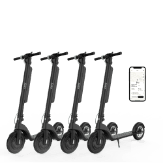
The rise of rental scooter services like Lime and Bird has introduced specific regulations. These companies often operate under specific city permits and adhere to rules on where scooters can be deployed and parked – usually in designated areas.
Parking and Storage
Improper parking of electric scooters is a common issue leading to fines. Cities often require scooters to be parked upright and away from pedestrian pathways or other obstructive locations.
Conclusion
Electric scooter laws are continually evolving to meet public safety needs and urban planning challenges. Staying updated on local regulations and practicing safe riding habits will safeguard you from legal troubles and enhance the overall riding experience.
For more detailed, specific laws applicable to your locale, always refer to the local transportation authority or government websites.