





Understanding the Legal Status of Electric Scooters in Hawaii
Discover the legal status of electric scooters in Hawaii. Learn about age limits, speed, helmet laws, and where to ride. Stay compliant with local regulations.
Hawaii, known for its stunning landscapes and vibrant culture, also presents specific regulations when it comes to modern transport options like electric scooters. Whether you're a resident or a visitor planning to explore the islands on two wheels, understanding the legal framework for electric scooters in Hawaii is crucial for staying compliant and avoiding penalties.
Are Electric Scooters Legal in Hawaii?
Yes, electric scooters are legal in Hawaii, but there are specific laws governing their use. In 2021, Hawaii signed Act 175 into law, formally recognizing and regulating the use of electric foot scooters. This legislation began the process of legalizing electric foot scooters across the state, granting counties the authority to come up with their own laws regarding where and how they can operate.
More recently, in 2025, the Hawaii State Legislature passed House Bill 72 (HB-72), further refining how electric scooters are regulated across the state and clarifying the framework for local authorities to implement additional rules.
Key Regulations to Know
Electric scooters in Hawaii share the same rights as bicycles under state law, which shapes many of the operating rules and requirements.
Age Restrictions
Riders must be at least 15 years old to operate electric scooters on public property. No one under the age of 15 is allowed to ride e-scooters in public areas.
Helmet Requirements
Riders under 16 must wear a bicycle helmet with a chin strap. Electric scooter rental companies are required to provide helmets to renters under 15. Helmets are not required for riders 16 and older at the state level, though individual counties may have stricter rules.
While helmets aren't legally mandated for adults, they are strongly recommended for safety. Given that approximately 30% of e-scooter injuries nationally involve head trauma, wearing a helmet significantly reduces injury risk regardless of age.
Speed and Weight Limits
Electric scooters in Hawaii must meet specific size and performance standards:
- Maximum weight: 50 to 75 lbs depending on local county rules
- Maximum speed: 15 mph overall capacity
- Speed limit on sidewalks: 10 mph (where permitted)
- Speed limit in bike lanes or on designated roads: 15 mph
Where to Ride
In most areas, electric scooters are allowed in bike lanes and on roads with speed limits of 35 mph or lower. However, there are important restrictions:
- Riding on sidewalks is prohibited to maintain pedestrian safety
- Electric scooters may use bike lanes
- Scooters can be ridden on roads with speed limits up to 35 mph
- Counties have flexibility to set additional local rules
Since electric foot scooters share the same rights as bicycles, they must follow the same road rules and are entitled to the same protections under traffic laws.
Registration Requirements
Electric scooters shall be registered for a one-time cost of $30, payable to the director of finance. This registration fee is deposited into the bikeway fund, which is used to enhance cycling infrastructure throughout Hawaii, including bikeways, storm inlets, and bridges.
This requirement makes Hawaii one of only three states (along with North Carolina and Louisiana) that mandate DMV registration for personal electric scooters.
Equipment Requirements
For nighttime use, electric scooters require proper equipment to ensure visibility and safety:
- Front lights for nighttime operation
- Rear lights visible from behind
- Reflectors on multiple sides of the scooter
- Reflective materials to enhance visibility during hours of dusk to dawn
Lamps and reflective material are mandatory when operated from the hours of dusk to dawn, ensuring other road users can see riders in low-light conditions.
Rider Capacity and Safety Rules
- Only one rider is allowed per scooter
- Carrying items that prevent the use of both hands to steer is not permitted
- Electric scooters must maintain both hands on handlebars while riding
Insurance Requirements
Hawaii law grants counties the authority to establish insurance requirements for electric scooters. In some areas, liability insurance is now mandatory, especially for scooter rental companies. The regulation of insurance varies by county, so check with your local authorities about specific requirements in your area.
Penalties and Fines
Violating electric scooter rules can result in fines or even confiscation of your electric scooter. Riders who fail to follow the regulations could face penalties, even if changes were recently implemented.
Specific Fines
For electric scooters treated as bicycles under Hawaii law:
- General violations: Fines of up to $25
- Improper loading of passengers: Up to $200
- Lack of helmets for minors: Up to $200
- Parents or legal guardians of minors who violate these rules may be held liable for fines
More serious violations, such as reckless operation or causing accidents, may result in higher penalties at the discretion of local authorities.
County-Specific Regulations
It's important to note that counties in Hawaii have the authority to add additional rules for e-scooters beyond state requirements. This means regulations can vary between:
- Honolulu County (Oahu)
- Hawaii County (Big Island)
- Maui County (Maui, Molokai, Lanai)
- Kauai County
Before riding in a specific area, check with local authorities or visit county websites for any additional restrictions or requirements that may apply.
Choosing the Right Scooter for Hawaii
When selecting an electric scooter for use in Hawaii, consider both legal compliance and practical factors unique to island living:
Legal Compliance
- Ensure maximum speed doesn't exceed 15 mph
- Verify weight is within 50-75 lb limits
- Confirm scooter has required lighting and reflectors
- Choose models from manufacturers who understand US regulations
Practical Considerations
Hawaii's tropical climate and varying terrain present unique challenges:
- Salt air resistance: Look for scooters with corrosion-resistant materials
- Hill climbing capability: Many Hawaiian roads have steep inclines
- Battery range: Ensure adequate range for your daily commute
- Portability: Lightweight models are easier to transport and store
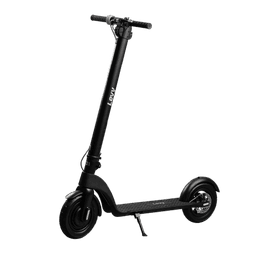
US-based manufacturers like Levy produce extremely lightweight, durable scooters that perform well in Hawaiian conditions. Their swappable, removable battery packs are particularly convenient for island living, allowing riders to charge batteries inside air-conditioned spaces while keeping scooters secure outdoors. The blend of performance, durability, and value makes such scooters ideal for Hawaii's unique environment.
Rental Scooters vs. Ownership in Hawaii
Rental Scooter Companies
Shared scooter services have faced regulatory challenges in Hawaii. Rental companies must:
- Provide helmets to renters under 15
- Carry liability insurance (mandatory in many counties)
- Comply with local operating permits and restrictions
- Ensure fleet meets all equipment requirements
Benefits of Ownership
For residents and frequent visitors, owning a personal electric scooter offers several advantages:
- No per-ride costs after initial purchase
- Guaranteed availability when needed
- Ability to customize and maintain to your standards
- One-time $30 registration vs. ongoing rental fees
- Greater familiarity with your own equipment enhances safety
Why Knowing the Law Matters
Being aware of and adhering to these regulations not only ensures your safety but also helps foster a harmonious relationship with the community and local authorities. Understanding the rules before riding protects you from:
- Financial penalties (fines ranging from $25 to $200)
- Confiscation of your electric scooter
- Potential legal liability in case of accidents
- Conflicts with pedestrians and other road users
- Damage to Hawaii's growing micromobility infrastructure
Responsible riding helps demonstrate that electric scooters can be a safe, sustainable addition to Hawaii's transportation ecosystem, encouraging continued support for micromobility options across the islands.
Conclusion
Before you ride an electric scooter in Hawaii, make sure you're well-informed about state laws and county-specific regulations. Key points to remember:
- Electric scooters are legal in Hawaii under Act 175 (2021) and House Bill 72 (2025)
- Minimum age: 15 years old
- Helmet required: Under 16 years old (recommended for all riders)
- Registration: $30 one-time fee required
- Speed limits: 10 mph on sidewalks (where allowed), 15 mph in bike lanes/roads
- Where to ride: Bike lanes and roads up to 35 mph; sidewalks prohibited
- Equipment: Lights and reflectors required for nighttime use
- Penalties: Fines from $25 to $200 for violations
Equipped with this knowledge, you can enjoy exploring Hawaii's beautiful locales safely and lawfully. Always remember to prioritize safety, respect shared spaces, and stay informed about any updates to local regulations. Whether you're commuting in Honolulu, exploring Maui's scenic routes, or cruising around the Big Island, responsible electric scooter use contributes to a sustainable and enjoyable transportation future for all who call Hawaii home or visit its shores.