





Understanding the Mechanics of Electric Scooter Hub Motors
Learn how electric scooter hub motors work: brushless DC technology, geared vs. gearless designs, power specs (150W-15,000W), efficiency ratings, regenerative braking, and latest 2025 innovations.
Electric scooter hub motors are self-contained brushless DC (BLDC) motors integrated directly into the wheel hub, converting electrical energy into rotational motion through electromagnetic principles to propel the scooter forward. Hub motors operate by passing electric current through internal coils that create magnetic fields, which interact with permanent magnets on the rotor to generate torque via the Lorentz force—this direct drive system eliminates chains, gears, and belts for maximum efficiency (90%+ in modern designs). The technology has evolved significantly, with contemporary brushless motors producing triple the power of older brushed designs while running cooler and lasting longer due to electronic commutation replacing mechanical brushes. Hub motors range from 150W for basic commuters to 15,000W for high-performance models, with power ratings directly affecting torque, hill-climbing ability, top speed, and battery range. Two main types exist: geared hub motors (compact, efficient, better acceleration and hill climbing through internal gear reduction) and gearless direct-drive motors (more powerful, quieter, more durable, capable of regenerative braking to recover 10-15% energy). As of 2025, the global hub motor market is growing at 4.5% annually (projected to reach $20.8 billion by 2034), driven by smart mobility integration, IoT performance monitoring, and efficiency improvements including novel 3D-molded stator geometries that reduce iron losses.
How Electric Scooter Hub Motors Work
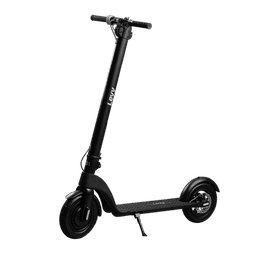
Electric scooters are revolutionizing urban transport, offering an eco-friendly alternative to conventional vehicles. At the heart of many electric scooters is the hub motor, a key component that propels riders smoothly across the city streets. The hub motor, typically located in the wheel of the scooter, operates on the principles of electromagnetism. It's an elegant solution that packs both the electric motor and the wheel into a single unit, making electric scooters reliable and easy to maintain.
Electromagnetic Operating Principles
When the rider activates the throttle, the scooter's battery sends electrical current to the hub motor, triggering a sophisticated electromagnetic process. Inside the motor, this electrical energy is converted into mechanical energy through a series of electromagnetic coils within the motor that create a magnetic field. As electricity passes through these coils, the field interacts with permanent magnets on the motor's rotor. This interaction is governed by the Lorentz force, which causes the rotor to spin—and with it, the wheel.
The beauty of the hub motor design lies in its directness: there's no need for gears, chains, or belts. This direct drive system means that the power from the motor translates into motion more efficiently, with fewer parts that can wear out over time. Modern brushless hub motors can achieve efficiency ratings of 88-90% or higher, meaning minimal energy is lost as heat during operation.
Brushless DC Motor Technology
Contemporary electric scooter hub motors use brushless DC (BLDC) technology, which has almost fully replaced older brushed motor designs. Brushless motors are a more advanced technology that produce triple the power, run cooler, are more efficient, and longer lasting compared to brushed motors. This superiority comes from electronic commutation rather than mechanical brushes, which eliminates friction points and reduces mechanical wear.
Key advantages of BLDC hub motors:
- Higher efficiency: Electronic commutation can increase motor efficiency by up to 10 percent compared to mechanical commutators, directly translating to longer range
- Reduced friction: No brushes means smoother power delivery, quieter operation, and improved overall performance
- Improved reliability: Motor reliability can be improved by up to 50 percent compared to traditional brushed motors
- Thermal management: Brushless motors run cooler and don't overheat as easily, extending component lifespan
- Power density: Pack a bigger overall punch in the same compact package
- Lower maintenance: Fewer moving parts means less frequent servicing and fewer breakdowns
A 15% improvement in motor efficiency can directly translate to a 15% increase in range for battery-powered devices like electric scooters, making brushless technology essential for maximizing performance and rider satisfaction.
Regenerative Braking Systems
With regenerative braking systems now common in electric scooters, coming to a stop can actually help recharge the battery. The hub motor functions in reverse during braking, turning kinetic energy back into electrical energy. When the rider applies the brakes, the motor acts as a generator, converting the scooter's forward momentum into electricity that flows back to the battery.
Regenerative braking provides multiple benefits beyond energy recovery (typically 10-15% of energy can be recovered during deceleration). It reduces wear on mechanical brake components, provides smoother deceleration control, and extends both battery life and brake system longevity. Gearless direct-drive hub motors are particularly well-suited for regenerative braking due to their design characteristics.
Types of Hub Motors
Electric scooter hub motors come in two main configurations, each with distinct performance characteristics and ideal use cases.
Geared Hub Motors
Geared hub motors contain internal gears that provide mechanical advantage, enhancing torque output and efficiency at lower speeds.
Characteristics of geared hub motors:
- Internal gear reduction: Planetary gear system increases torque output, making the motor more effective at lower RPMs
- Compact size: Smaller and lighter than gearless motors (typically 100-150 lbs for complete assembly)
- Energy efficiency: The leverage the gears provide makes them more energy-efficient, offering longer range per charge
- Quick acceleration: Excellent low-end torque provides snappy acceleration from stops
- Hill climbing ability: Superior performance on inclines due to increased torque multiplication
- Ideal for: Urban commuters, riders who encounter varied terrain with hills, those prioritizing range and efficiency
Geared motors typically range from 150W to 1,000W or higher for scooter applications, with some electric motorcycle hub motors reaching power levels of 3kW, 5kW, 8kW and even 10kW.
Gearless (Direct-Drive) Hub Motors
Gearless hub motors, also called direct-drive motors, lack internal gears and instead directly connect the rotor to the wheel.
Characteristics of gearless hub motors:
- Direct power transfer: No gear reduction means power flows directly from motor to wheel
- Higher top speed: Can generally generate more motor power which translates to higher top speed (5-8 mph typical, up to 55+ mph for high-performance dual-motor systems)
- Efficient cruising: Build and maintain speed very efficiently once in motion, ideal for longer commutes
- Quiet operation: Lack of internal gears results in significantly quieter running
- Superior durability: Fewer moving parts means higher long-term reliability and less maintenance
- Regenerative braking capability: Design is ideally suited for energy recovery during deceleration
- Heavier construction: Typically weigh more (150-200 lbs) due to larger motor size required for equivalent torque
- Ideal for: High-speed commuting, flat terrain, riders who value quiet operation and minimal maintenance
Hub motors simplify the scooter's design by eliminating chains and gears, resulting in fewer breakdowns, easier repairs, and improved energy efficiency regardless of which type is chosen.
Hub Motor Power and Performance Specifications
Electric scooter hub motors come in varying power ratings that directly determine performance capabilities.
Understanding Power Ratings and Wattage
Hub motor power is usually measured in watts (W), but understanding the difference between peak and continuous ratings is crucial.
Key power specifications:
- Peak power: Maximum wattage the motor can produce for brief periods (10-30 seconds), typically used for marketing
- Continuous (rated) power: Sustained wattage the motor can deliver without overheating, the more accurate performance indicator
- Real power range: Actual performance typically falls between 30% and 90% of peak power, with an average of about 57%
- Comparative caution: Two motors with the same wattage (for example 500W) only indicate that they can consume 500W of electrical power but might not produce the same mechanical power or be equally efficient
Manufacturers typically provide key motor specifications including power in watts (real and/or peak), voltage in volts, RPM (revolutions per minute), and torque in Newton-meters (Nm).
Power Ranges and Applications
Different power levels suit different riding needs and conditions:
- 150W-350W: Basic commuter scooters for flat terrain, lightweight riders, short distances (5-10 miles), maximum speed 10-15 mph
- 350W-500W: Mid-range scooters for moderate hills, average-weight riders, urban commuting (10-20 miles), maximum speed 15-20 mph
- 500W-1,000W: Performance scooters for steeper hills, heavier riders or cargo, longer commutes (20-30 miles), maximum speed 20-28 mph
- 1,000W-3,000W: High-performance scooters for demanding terrain, maximum hill-climbing, extended range (30-50 miles), maximum speed 30-40 mph
- 3,000W-6,000W: Dual-motor setups for extreme performance, heavy loads, maximum speed 40-55 mph, professional/delivery use
- 6,000W-15,000W: Top-tier models using QS Racing motors, delivering extreme acceleration, hill-climbing power, and speeds up to 110-140 km/h (68-87 mph)
Higher wattage motors provide more torque and can handle steeper inclines or heavier riders, while less powerful motors are suitable for flat terrain and lighter-weight use. This customization means that electric scooters can cater to a wide range of needs, from the casual commuter to the delivery professional.
Efficiency and Performance Data
Real-world efficiency data helps understand actual performance capabilities:
- Maximum efficiency: A 2,000W hub motor can achieve 88% maximum efficiency with no-load RPM of 645 and torque of 29.6-60 Nm
- Optimal voltage: Research shows that 45V is the optimal operating point for maximizing mechanical power in electric scooter motors, helping engineers fine-tune battery management systems
- Range impact: Higher motor efficiency translates directly into longer range or the ability to use smaller, lighter, and less resource-intensive battery packs
- Thermal performance: Brushless motors run cooler during operation, reducing energy waste and extending component longevity
Most brands don't mention the vehicle's efficiency in the specifications, and you cannot calculate it directly, which makes direct performance comparisons challenging between different models. Testing actual performance under real-world conditions remains the most reliable evaluation method.
Hub Motor vs. Mid-Drive Motor Comparison
While hub motors dominate the electric scooter market, understanding how they compare to mid-drive systems provides valuable context for their design advantages.
Design and Location Differences
The fundamental difference lies in where the motor is positioned and how it delivers power:
- Hub motors: Positioned in the middle of the wheel (usually the rear wheel), transferring drive power directly to the wheel hub, creating a self-contained propulsion system
- Mid-drive motors: Located at the center of the vehicle between the pedals (on e-bikes) or centrally in the frame, transferring power through the chain or belt to the rear wheel
Performance Characteristics Comparison
Each motor type excels in different performance areas:
Hill climbing and torque:
- Mid-drive advantage: Mid-drive motors make better use of the vehicle's gears, typically having higher torque output, making them the preferred choice for steep routes and mountain terrain
- Hub motor consideration: Hub motors may run outside their optimal RPM when climbing hills, running slower and burning more energy, potentially overheating on long steep climbs
- Geared hub solution: Geared hub motors partially address this limitation through internal gear reduction, providing improved hill-climbing capability
Efficiency and power delivery:
- Mid-drive efficiency: Benefits from leveraging external gears for optimal RPM across different speeds
- Hub motor simplicity: Direct drive means fewer energy losses through drivetrain components (no chain/belt efficiency losses)
- Real-world impact: For electric scooters on relatively flat urban terrain, hub motor efficiency advantages outweigh the lack of gearing
Weight distribution and handling:
- Mid-drive advantage: Positioned centrally and low to the ground near the bottom bracket, preserving the vehicle's natural center of gravity for balanced handling
- Hub motor characteristic: Adds weight to the wheel (typically rear), which can noticeably alter handling compared to non-electric vehicles, though most riders adapt quickly
Maintenance and cost:
- Hub motor advantage: Known for low maintenance requirements with fewer moving parts compared to mid-drive motors, resulting in lower long-term ownership costs
- Mid-drive consideration: More complex systems with higher maintenance needs, generally more expensive ($500-1,500 price premium)
- Sealed design: Hub motors are typically better sealed against weather and road debris
Best Use Cases for Each Motor Type
Hub motors are ideal for: Daily urban commuting on relatively flat terrain, budget-conscious riders, those wanting minimal maintenance, delivery professionals needing reliability, riders prioritizing quiet operation, and the vast majority of electric scooter applications where their advantages align perfectly with typical usage patterns.
Mid-drive motors are better for: Extreme hill climbing and mountain terrain, riders needing maximum torque for heavy loads, electric mountain bikes and off-road applications, and performance-oriented riders willing to invest in more expensive, maintenance-intensive systems.
For electric scooters specifically, hub motors remain the overwhelming choice due to their simplicity, reliability, cost-effectiveness, and suitability for urban commuting environments where most scooters operate.
Latest Hub Motor Technology Advancements (2025)
The hub motor industry continues to evolve with significant technological breakthroughs improving performance, efficiency, and user experience.
Material and Design Innovations
Advanced materials are enabling more efficient motor designs:
- 3D-molded stator geometries: Iron powder particles coated with insulating layers can be molded into complex 3D shapes, allowing for novel stator geometries that optimize magnetic flux paths and reduce iron losses
- Improved magnetic materials: Stronger permanent magnets enable higher power density in more compact packages
- Advanced cooling systems: Better thermal management extends motor life and allows sustained high-power operation
- Lightweight construction: New materials reduce overall motor weight without sacrificing strength or performance
Smart Technology Integration
The growing adoption of smart mobility solutions is enhancing hub motor capabilities:
- IoT sensor integration: Companies are embedding IoT sensors in hub motors to monitor performance in real-time and predict maintenance needs before failures occur
- Performance optimization: Smart controllers continuously adjust motor parameters based on riding conditions, terrain, and battery status
- Remote diagnostics: Connected scooters can transmit motor health data to manufacturers or service centers for proactive maintenance
- Battery management integration: Research shows that 45V is the optimal operating point for maximizing mechanical power, helping engineers fine-tune battery management systems for better performance
- Rider customization: App-based controls allow riders to adjust power delivery, regenerative braking strength, and performance profiles
Market Growth and Future Outlook
The hub motor market is experiencing substantial growth driven by electric mobility adoption:
- Market size: Global hub motor market expected to grow from $13.4 billion in 2024 to $20.8 billion by 2034
- Growth rate: 4.5% compound annual growth rate (CAGR) reflects steady adoption across transportation sectors
- Regional trends: BLDC motors particularly popular in India and Southeast Asia for electric scooters, offering a smart balance of performance, reliability, and cost
- EV market connection: The broader electric vehicle motor market forecasted to grow from $20.2 billion in 2024 to nearly $72 billion by 2034
- Technology focus: Manufacturers prioritizing brushless designs to reduce maintenance and increase performance, with advancements in brushless hub motor technology for better efficiency being a major focus
Expected Future Improvements
As technology continues to advance, hub motors are expected to become even more powerful and efficient:
- Higher power density: More powerful motors in smaller, lighter packages
- Improved efficiency: Targeting 95%+ efficiency ratings through advanced materials and design optimization
- Enhanced durability: Extended motor lifespan through better materials and thermal management (targeting 10+ year operational life)
- Wireless charging integration: Potential for inductive charging systems integrated into hub motors
- AI-powered optimization: Machine learning algorithms that adapt motor performance to individual riding patterns and preferences
Conclusion
In summary, the electric scooter hub motor is a marvel of modern engineering—compact, efficient, and effective. It enables scooters to deliver a clean mode of transportation that's suitable for the demands of contemporary city living. The evolution from brushed to brushless DC motor technology represents a quantum leap in performance, with modern BLDC hub motors achieving 88-90% efficiency, producing triple the power of older designs, and offering 50% improved reliability.
The choice between geared and gearless hub motors allows manufacturers to optimize for different use cases: geared motors excel at acceleration, hill climbing, and energy efficiency for urban commuting, while gearless direct-drive motors provide higher top speeds, quieter operation, and regenerative braking capabilities for performance-oriented riders. Power ratings from 150W to 15,000W enable electric scooters to cater to every need from casual commuting to professional delivery services.
Hub motors dominate the electric scooter market over mid-drive alternatives due to their superior simplicity, lower maintenance requirements, better weather sealing, cost-effectiveness, and ideal alignment with urban commuting usage patterns. With the global hub motor market projected to reach $20.8 billion by 2034 (4.5% annual growth), ongoing innovations in 3D-molded stator geometries, IoT integration for predictive maintenance, and smart battery management systems continue to push performance boundaries.
As technology continues to advance, we can only expect these motors to become even more powerful and efficient, further cementing the electric scooter's place as a staple in urban mobility. The combination of electromagnetic principles, brushless technology, regenerative braking, and increasingly sophisticated smart integration ensures that hub motors will remain the heart of electric scooter innovation for years to come.