





Understanding the Size and Dimensions of Lime Scooters
Explore the size and dimensions of Lime scooters to understand their convenience and suitability for urban travel. Learn about Lime's smart design for optimal maneuverability and stability.
Lime scooters have revolutionized urban transportation, emerging as a preferred mode of mobility for millions of riders seeking convenient, eco-friendly alternatives for navigating city streets. As one of the world's largest shared electric scooter operators, Lime has continuously refined their vehicle designs across multiple generations, each bringing improvements in comfort, safety, and user experience. Understanding the physical dimensions, weight specifications, and design features of Lime scooters is essential not only for riders evaluating whether these vehicles suit their needs but also for city planners implementing micromobility programs, fleet operators considering shared transportation options, and businesses assessing accessible mobility solutions for their communities. This comprehensive guide examines the detailed specifications of Lime's scooter generations—from the foundational Gen 3 to the advanced Gen 4, Gen 4.1, and the innovative Gen 4 Seated variant—exploring dimensions, weight characteristics, capacity limits, portability considerations, and the engineering decisions that make these scooters both practical for individual riders and efficient for shared fleet operations in today's urban environments.
Understanding Scooter Dimensions: What Size Really Means
When discussing the 'size' of electric scooters, we're referring to several interconnected physical measurements that collectively determine the vehicle's usability, comfort, and storage requirements. These critical dimensions include overall length (measured from front wheel to rear wheel or rear of deck), overall width (typically measured at the handlebars, the widest point of most scooters), overall height (measured from ground to the top of the handlebars, affecting rider fit and storage clearance), deck dimensions (the standing platform's width and length, determining foot placement space and stance comfort), deck height from ground (affecting step-through ease and center of gravity), handlebar height (critical for rider comfort and proper posture), wheelbase (distance between wheel centers, affecting stability and turning radius), and total weight (impacting portability, handling characteristics, and structural requirements).
These specifications work together to create the overall riding experience: larger decks provide more comfortable standing positions for longer rides, lower deck heights make mounting and dismounting easier for riders of varying heights and abilities, appropriate handlebar heights ensure ergonomic riding positions reducing back and wrist strain, wheelbase length affects stability at speed versus maneuverability in tight spaces, and overall dimensions determine whether scooters can navigate sidewalks, bike lanes, and shared pathways effectively.
For shared fleet scooters like Lime, dimensional design must balance multiple competing requirements: compact enough for easy urban navigation and parking, large enough to accommodate diverse rider sizes comfortably, stable enough for safe operation across varying terrain and conditions, durable enough to withstand constant use and occasional mishandling, and ergonomic enough to provide comfortable experiences for rides ranging from quick two-block trips to extended multi-mile commutes. As of 2024-2025, Lime's fleet comprises primarily Gen 4 and Gen 4.1 models, with the Gen 4 Seated variant (and the newer LimeGlider seated platform introduced in 2025) expanding accessibility options across most markets.
Lime Gen 3 Scooter: Complete Dimensional Specifications
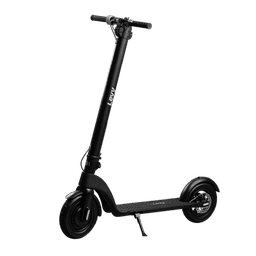
The Lime-S Gen 3 represented a significant evolution in shared electric scooter design when introduced, establishing specifications that balanced ridership comfort with operational practicality. This generation became widely deployed across hundreds of cities worldwide and, while largely replaced by Gen 4 models in most major markets, remains in operation in some locations and provides an important baseline for understanding Lime's dimensional evolution.
Lime Gen 3 Detailed Dimensions:
- Overall Length: 45 inches (114.3 cm) – Some measurements indicate 43.3 inches depending on specific Gen 3 variant, providing a substantial wheelbase for stability while remaining maneuverable in urban environments
- Overall Height (Handlebar Height): 47 inches (119.4 cm) from ground to handlebar top – Alternative measurements show 45.3 inches for certain Gen 3 variants, designed to accommodate riders ranging from approximately 5'2" to 6'4" comfortably
- Width at Handlebars: 17 inches (43.2 cm) – Some sources indicate 17.7 inches, narrow enough to navigate sidewalks and bike lanes while providing adequate control leverage
- Deck Size: 6 inches (15.2 cm) wide by 23 inches (58.4 cm) long, offering sufficient standing space for comfortable foot positioning in either parallel or angled stance
- Deck Height from Ground: 5 inches (12.7 cm), providing reasonable ground clearance for urban obstacles while maintaining a low center of gravity for stability
- Wheel Size: 10-inch diameter pneumatic tires on both front and rear wheels, providing enhanced shock absorption, better stability, and improved ride comfort over uneven surfaces compared to smaller wheels
- Total Weight: 22.5 kg (49.6 lbs) – Some general references indicate "around 40 pounds" for Lime scooters, with the higher weight reflecting the robust construction necessary for shared fleet durability
Lime Gen 3 Performance and Capacity Specifications:
- Maximum Rider Weight Capacity: 100 kg (220 lbs) according to official Lime specifications, ensuring structural integrity and brake performance remain within safe parameters
- Top Speed: 25 km/h (15.5 mph), balancing efficient travel speed with safety considerations for shared urban environments
- Maximum Range: 40 km (approximately 24-30 miles) per charge, though real-world range varies based on rider weight, terrain, riding style, and environmental conditions
- Hill Climbing Capability: Up to 15% grade slopes, sufficient for most urban environments though performance decreases with steeper inclines
- Motor Power: 250W nominal power, rear wheel drive configuration, providing adequate acceleration and hill-climbing for shared fleet applications
- Battery Specification: 36V 15.9 Ah Lithium-ion (572.4 Wh total capacity), with approximately 7 hours charging time when fully depleted
- Expected Lifespan: Approximately 2-3 years of fleet operation before requiring replacement or significant refurbishment, though some units have demonstrated longer operational viability with proper maintenance
The Gen 3's dimensions were specifically chosen to accommodate the widest possible range of adult riders. The 47-inch handlebar height works well for riders from approximately 5'2" to 6'4" in height, though taller riders may experience slightly hunched posture during extended rides. The 23-inch deck length provides adequate space for comfortable foot positioning, allowing riders to adjust their stance for different riding conditions—feet parallel for relaxed cruising or one foot forward for more aggressive riding positions.
Lime Gen 4 and Gen 4.1 Scooters: Next-Generation Design and Fleet Leadership
Lime introduced the Gen 4 electric scooter in late 2020 as a substantial evolution in shared micromobility vehicle design, incorporating rider feedback, safety improvements, and durability enhancements learned from hundreds of millions of rides across the Gen 3 platform. The Gen 4.1 variant followed as an incremental improvement with refined functionality while maintaining the core Gen 4 design philosophy. As of 2024-2025, these models represent the primary scooters in Lime's global fleet, having largely replaced Gen 3 units in most major markets. Current data shows Gen 4 models now deliver average trip times of 11 minutes (up from 8 minutes on Gen 3) and average trip ratings of 4.1 stars (up from 3.5 stars on Gen 3), demonstrating substantial improvements in rider satisfaction and usability.
Gen 4 and 4.1 Design Improvements and Dimensional Changes:
Lower Deck Height: The Gen 4 features a lowered baseboard compared to Gen 3, optimizing the center of gravity for improved stability and making mounting and dismounting easier for riders of varying heights and physical abilities. This lower deck height particularly benefits riders wearing professional attire or carrying bags, reducing the step-up height required to begin riding. The enhanced stability from the lower center of gravity contributes to more confident handling, especially for less experienced riders or those navigating challenging urban terrain.
Swept-Back Handlebars: Gen 4 introduced swept-back handlebars, a first for shared electric scooters, with ergonomic positioning reminiscent of bicycle handlebars. This design change provides more natural wrist angles during extended rides, reducing fatigue and strain that riders commonly experienced with Gen 3's more vertical handlebar design. The swept design may slightly increase the overall width measurement at the handlebars compared to Gen 3's more vertical design, though exact measurements have not been publicly disclosed. Rider feedback from cities worldwide has consistently praised this ergonomic improvement, particularly for commuters using scooters for longer daily trips.
Larger Front Wheel: While Gen 3 featured 10-inch wheels front and rear, Gen 4 incorporates an even larger front wheel (exact diameter not publicly specified but noticeably larger than Gen 3's 10-inch wheels). This increased front wheel size significantly improves the scooter's ability to traverse cracks, potholes, and warped pavement common in urban environments, reducing the jarring impacts that can cause rider discomfort or loss of control. The larger front wheel works in conjunction with enhanced pneumatic suspension to provide what Lime describes as "a noticeable improvement in ride comfort" compared to Gen 3.
Dual Kickstand Design: The Gen 4 features a completely redesigned dual kickstand with two support legs, one on each side of the base, replacing Gen 3's single-leg kickstand. This wider stance significantly improves parking stability, reducing the frequency of scooters tipping over from wind, uneven ground, or incidental contact. The dual kickstand design has proven particularly valuable in reducing operational costs—fewer tipped scooters means less damage from falls and fewer complaints about blocked sidewalks, improving Lime's relationship with city transportation departments and business districts.
Enhanced Dual Brake System: Gen 4 incorporates a dual hand brake system with controls for both front and rear brakes, compared to Gen 3's single brake lever. This improved braking system provides more immediate stopping response and greater rider control. Testing on wet surfaces demonstrates that Gen 4 can stop in half the distance of competing scooters—a critical safety improvement validated through independent testing in multiple cities. This enhanced braking capability not only improves rider safety but has contributed to measurably lower accident rates in cities where Gen 4 has replaced older scooter models.
Gen 4 and 4.1 Advanced Features and Specifications:
- Most Powerful Motor to Date: Gen 4 features Lime's most powerful motor (exact wattage not publicly disclosed), with enhanced torque characteristics that help riders tackle hills with significantly less effort compared to Gen 3. The more powerful motor allows better hill climbing without requiring riders to increase their speed, improving safety on inclines while maintaining comfort. Testing shows Gen 4 maintains performance on inclines where Gen 3 would experience noticeable slowdown
- Enhanced Pneumatic Suspension: Larger pneumatic tires combined with improved suspension geometry provide markedly better ride comfort, particularly noticeable over rough pavement, speed bumps, and expansion joints. The big pneumatic tires are described as "a critical part of scooter suspension," working together with the larger front wheel to absorb impacts that would have been transmitted directly to riders on earlier models
- LED Information Screen: Integrated LED display panel shows battery level, current speed, and geofenced zone information, allowing riders to make informed decisions about trip planning and helping them stay aware of speed-restricted zones. The screen also provides real-time feedback about reduced-speed areas, parking zones, and no-ride zones, improving rider compliance with local regulations
- Bluetooth LimeLock: Every Gen 4 includes Bluetooth-enabled locking capability to securely tether scooters to bike racks or other approved infrastructure, reducing parking violations and improving fleet organization. The LimeLock system allows cities to implement mandatory parking zones while giving riders confidence their scooter won't be taken during brief stops
- Swappable Battery System: Gen 4 features a revolutionary swappable battery design that's interoperable with Gen 4 e-bikes, dramatically improving fleet operations efficiency. Operations teams can quickly swap depleted batteries for charged units without transporting entire scooters, reducing vehicle downtime and extending operational hours. The swappable system also allows batteries to be charged in optimized facilities rather than requiring scooters to be transported for charging. This battery innovation has become standard across Lime's shared vehicles as of 2024-2025
- Modular Construction and Extended Lifespan: Gen 4 utilizes modular design with swappable components, including removable battery packs, modular motors, and replaceable wear components. This design extends the projected lifespan to five years compared to Gen 3's 2-3 year typical operational life—a massive improvement that significantly reduces the environmental impact per ride and improves fleet economics. The five-year lifespan represents a 150% increase over Gen 3, making Gen 4 one of the longest-lasting shared scooter models in the industry. Current fleet data from 2024-2025 shows Gen 4 models remaining operational with minimal performance degradation after 3-4 years of service
- Proprietary Firmware and Sensors: Gen 4 includes Lime's proprietary firmware with immediate geo-fence response, self-diagnosing sensors that alert operations teams to maintenance needs before failures occur, and sidewalk-riding detection capabilities that can warn or slow riders who venture onto prohibited sidewalks. These intelligent systems improve compliance with local regulations and reduce wear from inappropriate riding conditions
- All-Weather Capability: Gen 4 maintains Gen 3's all-weather design with improved waterproofing and cold-weather performance, allowing operation in temperatures and conditions that would disable less robust scooter designs
The Gen 4's improvements reflect Lime's extensive operational data gathered from hundreds of millions of rides across Gen 3 deployments. The lower deck height addresses feedback from shorter riders and those with mobility concerns, while the swept handlebars respond to ergonomic complaints about wrist strain during longer commutes. The larger front wheel directly addresses the most common rider complaint about Gen 3: harsh impacts when encountering pavement imperfections. Perhaps most significantly, the five-year projected lifespan and swappable battery system represent Lime's commitment to sustainability and operational efficiency, reducing the per-ride environmental footprint while improving the company's path to profitability—a milestone Lime achieved shortly after Gen 4's introduction.
Gen 4 Seated Scooter and LimeGlider: Expanding Accessibility and Comfort
In late 2023, Lime introduced the Gen 4 Seated e-scooter, a groundbreaking variant that represented one of the micromobility industry's most significant advances in accessibility and inclusive design. Building on this success, in 2024-2025 Lime launched the LimeGlider seated platform, which expanded seated scooter availability to additional markets including Seattle, San Francisco, Zurich, and other major cities. Both models maintain Gen 4's core safety and technology features while adding a comfortable seat and cargo storage, dramatically expanding the potential user base beyond the traditional standing-only scooter demographic.
Gen 4 Seated Design Features:
- Integrated Seat Design: The seated variant features a permanently attached, height-adjustable seat positioned for comfortable riding posture. The seat design accommodates a wide range of rider heights and body types, with ergonomic padding designed for rides lasting 30 minutes or longer without discomfort
- Shopping Basket Storage: A front-mounted basket provides practical cargo-carrying capability, addressing one of the primary barriers to scooter adoption—the inability to transport groceries, work materials, or personal items. The basket design accommodates typical shopping bags, backpacks, or briefcases while maintaining balanced weight distribution that doesn't compromise handling
- Enhanced Stability Platform: The seated model features a wider stance and modified weight distribution to accommodate the additional weight of the seat and cargo basket while maintaining stable handling characteristics. The platform has been engineered to handle the different dynamics of seated riding, including altered center of gravity and rider weight positioning
- Maintained Safety Features: Despite the added complexity, the seated variant retains all Gen 4 safety features including dual hand brakes with enhanced stopping power, LED information screen, geo-fencing capabilities, and self-diagnosing sensors
- Weight Capacity: The seated model maintains the standard 220 lb (100 kg) maximum weight capacity, with the understanding that this limit includes the rider plus any cargo in the storage basket
LimeGlider Specifications (2024-2025):
- Wheel Size: 20-inch (50cm) diameter wheels, providing a more compact and approachable feel compared to standing scooters while maintaining excellent obstacle negotiation capability
- Frame Design: Step-through frame design for exceptionally easy mounting and dismounting, particularly appealing to older riders, individuals with mobility considerations, and riders wearing professional or restrictive clothing
- Throttle Control: Thumb-operated throttle for intuitive speed control and seamless modulation
- Seating: Larger, more comfortable seat with low center of gravity that provides stability and confidence for riders unfamiliar with standing scooters
- Foot Support: Designated foot platforms/footrests for secure foot positioning during rides, replacing the standing platform approach
- Storage Capacity: Wide front basket specifically sized to accommodate large shopping bags including full grocery hauls, the primary use case driving LimeGlider adoption
- Phone Holder: Integrated phone holder with sliding clamp to fit various phone sizes, positioned above the speedometer for optimal visibility and accessibility
- Weight Distribution: Battery positioned below the seat to transfer weight away from the front of the device, improving handling and reducing front-end heaviness
- Handling Features: Handle mounted at the back of the seat to assist users in maneuvering over curbs and obstacles, critical for accessibility for riders with reduced strength or mobility
- Hill Performance: Can climb hills but experiences reduced speed on very steep inclines, slowing to approximately 4 mph on the steepest grades—typical for seated platforms with lower power motors designed for comfort over pure performance
Real-World LimeGlider Usage Data (2024-2025):
Early deployment data from test markets including Seattle, Zurich, and Atlanta has demonstrated LimeGlider's success with target demographics. Riders in Seattle and Zurich frequently take extended journeys exceeding 5 kilometers and lasting over 15 minutes—significantly longer than typical trips on traditional standing scooters. The average trip duration on LimeGlider has been substantially higher than on Gen 4 standing scooters in the same markets, indicating seated platforms enable longer, more purposeful journeys rather than quick point-to-point trips. This shift in usage patterns validates Lime's hypothesis that seated scooters appeal to different use cases and rider demographics.
Target Demographics and Use Cases:
Lime designed both seated variants specifically to appeal to demographics traditionally underserved by standing-only scooters. Research indicated that many potential riders—particularly older adults, individuals with minor mobility limitations, people wearing professional attire, and those needing to transport items—found standing scooters impractical for their needs. The seated models address these concerns, with Lime specifically noting the design's appeal to women riders, who have historically been underrepresented in scooter usage statistics. Initial pilots of the Gen 4 Seated model in Nashville and Chicago showed it attracted 33% more first-time female riders compared to standard Gen 4 scooters, indicating the accessibility improvements resonated strongly with this demographic.
The seated scooters excel in several specific use cases: shopping trips where carrying purchases is essential (the primary driver of LimeGlider usage in 2024-2025), longer commutes where standing fatigue would be prohibitive, riders recovering from minor injuries who can ride but prefer not to stand, older adults seeking practical local transportation without car dependence, professional commuters who want micromobility options without arriving windswept from standing rides, and users preferring the comfort and stability of seated operation for anxiety-free urban mobility.
Dimensional Differences:
While Lime has not published complete dimensional specifications for the seated variants, the addition of seats and baskets necessarily increases certain measurements. The Gen 4 Seated model likely increases overall length by 4-6 inches to accommodate the seat mounting structure and basket, while the width at the widest point (likely the seat or basket) probably increases to 20-24 inches compared to standard Gen 4's handlebar width. Both seated models increase weight by 8-15 lbs due to seat structure, mounting hardware, and basket components. The LimeGlider's 20-inch wheels place it in a different dimensional category than traditional standing scooters, with a more compact overall footprint despite the seated platform. These dimensional increases represent necessary trade-offs for the added functionality and accessibility improvements the seated models provide.
Weight Capacity and Load Limits: Understanding Safe Operation
Understanding weight capacity is crucial for safe scooter operation, affecting not only rider safety but also vehicle performance, braking distance, and component longevity. Lime scooters, like all electric vehicles, are engineered with specific load limits that ensure optimal performance and safety across all current models.
Official Lime Weight Capacity: According to Lime's official rider rules and specifications current through 2024-2025, Lime scooters have a maximum weight capacity of 220 lbs (100 kg) for riders. This weight limit applies uniformly across Gen 3, Gen 4, Gen 4.1, Gen 4 Seated, and LimeGlider models and represents the combined weight of the rider plus any carried items such as backpacks, bags, or cargo in the seated model's basket.
Why Weight Limits Matter:
- Braking Performance: Braking distances increase significantly with rider weight. The 220 lb limit ensures brake systems can stop the scooter within safe distances under normal operating conditions. This is particularly critical with Gen 4's enhanced dual brake system, which has been calibrated and tested extensively at weights up to the maximum capacity. Exceeding weight limits can result in brake fade, extended stopping distances, and potentially dangerous situations particularly on downhill slopes where braking demands are highest
- Structural Integrity: The deck, stem, folding mechanism, and mounting points are engineered to safely support riders up to the specified limit with appropriate safety margins built into the design. Consistent overloading can cause premature fatigue of structural components, increasing risk of catastrophic failure. Gen 4's five-year expected lifespan assumes operation within specified weight limits—consistent overloading significantly reduces this lifespan
- Motor and Battery Performance: Heavier riders place greater demands on motors and batteries, reducing range, decreasing hill-climbing ability, and potentially triggering thermal protection systems that limit performance or shut down the scooter. Gen 4's more powerful motor provides better performance for heavier riders (within the 220 lb limit) compared to Gen 3, but exceeding limits still degrades performance and can cause premature component failure
- Handling Characteristics: Scooters perform most predictably within designed weight ranges. Significantly heavier riders may experience reduced stability, particularly during turning, and altered weight distribution that affects control. The dual kickstand on Gen 4 is specifically engineered for the weight distribution of riders up to 220 lbs—heavier loads may cause instability even when parked
- Tire and Suspension Loading: Pneumatic tires and suspension systems are calibrated for specific weight ranges. Overloading can cause excessive tire wear, increased puncture risk, and reduced suspension effectiveness. Gen 4's enhanced pneumatic suspension system provides excellent comfort within designed parameters but may bottom out or provide diminished performance when overloaded
Carrying Cargo: When riding with backpacks, messenger bags, or items in the Gen 4 Seated or LimeGlider's storage basket, remember that the 220 lb limit includes the combined weight of rider and carried items. A backpack containing a laptop, books, or supplies can easily add 15-25 lbs to the total load, while grocery shopping could add 20-30 lbs. Additionally, cargo placement affects handling—backpacks change the center of gravity upward and rearward, affecting stability and requiring adjusted riding technique. The Gen 4 Seated model's and LimeGlider's front baskets provide better weight distribution for cargo compared to back-mounted backpacks, but riders must still account for cargo weight when considering the total load. LimeGlider's larger basket capacity makes it particularly suitable for grocery shopping while maintaining safe weight distribution.
Variations in Reported Limits: Some sources report Lime scooter weight limits as high as 250-300 lbs. These variations may reflect earlier generation models with different specifications, confusion between personal-ownership scooter models and Lime's shared fleet vehicles, or unofficial weight limits used by other shared scooter operators. Always follow Lime's official current guidance of 220 lbs for Gen 3, Gen 4, Gen 4.1, Gen 4 Seated, and LimeGlider fleet scooters. This specification has remained consistent across generations, reflecting Lime's standardized safety and performance requirements.
How Lime Dimensions Compare to Other Shared Scooters
Understanding how Lime's dimensions stack up against competitors provides valuable context for riders evaluating different shared scooter services and helps explain why certain scooters feel more or less comfortable for individual riders. As of 2024-2025, the shared scooter market has consolidated around several major players, each with distinct dimensional characteristics.
Handlebar Height Comparison: A 2019 comparative review found significant differences in handlebar height between shared scooter brands, with Lime scooters measuring approximately 44.5-47 inches from deck to handlebar top (depending on Gen 3 variant), while Lyft's scooters measured only 37.5 inches—a substantial 7-10 inch difference. This variation dramatically affected rider fit: taller riders (over 6 feet) often found Lyft scooters uncomfortable due to hunched riding positions, while Lime's taller handlebars accommodated a wider height range. Lime's Gen 4 swept-back handlebars have further improved ergonomics while maintaining the company's tradition of taller handlebar positioning that benefits taller riders.
Current market leader Bird also utilizes relatively tall handlebar positioning similar to Lime's approach, recognizing that taller handlebars accommodate a wider range of rider heights with less compromise. However, Bird sports 7.4 inch wheels while Lime offers 10 inch wheels on Gen 3 (and even larger on Gen 4's front wheel)—a notable difference that affects ride comfort and stability. Spin scooters have historically featured moderate handlebar heights between Lime's tall positioning and budget operators' shorter designs. These differences persist across brands in 2024-2025, making handlebar height one of the most important comfort factors when choosing between shared scooter services, particularly for riders over 5'10" who benefit most from taller handlebar positioning.
Wheel Size Variations: Lime's Gen 3 featured 10-inch pneumatic wheels, already larger than many competitors using 8.5-inch or even 8-inch wheels. Gen 4's even larger front wheel (with the rear wheel also being substantial, though exact specifications aren't published) represents Lime's commitment to ride comfort and obstacle negotiation capability. The LimeGlider's 20-inch wheels represent a significant departure, positioning it closer to small-wheeled e-bike territory while maintaining scooter maneuverability. This 1.5-2.5 inch difference in wheel diameter for standing scooters translates to measurably improved ride comfort on Lime scooters, better obstacle negotiation capability, and enhanced stability at speed—factors that become increasingly apparent during longer rides or on rough pavement common in many urban environments.
Deck Size Variations: Lime's Gen 3 and Gen 4 decks measuring approximately 6 inches wide by 23 inches long represent relatively generous standing platforms compared to many competitors. Some budget shared scooters feature decks as narrow as 4.5-5 inches or as short as 19-21 inches, forcing riders to stand with feet very close together or in less stable positions. Lime's wider and longer deck allows for comfortable side-by-side foot positioning or the staggered stance many riders prefer for balance and control. Rider comfort surveys consistently show that deck size becomes increasingly important for rides exceeding 10-15 minutes, with Lime's generous deck dimensions receiving high marks for longer commutes.
Overall Weight Differences: Lime scooters at approximately 49.6 lbs (22.5 kg) for Gen 3 sit in the heavier range of shared scooters, reflecting more robust construction than lighter competitors weighing 35-42 lbs. Gen 4 likely weighs similar to or slightly more than Gen 3 due to added features like the dual kickstand, larger wheels, dual brake system, and LED screen, though exact weight hasn't been published. The LimeGlider, with its 20-inch wheels and seated platform, necessarily weighs more than standing scooters but maintains Lime's design philosophy prioritizing durability and ride quality over weight reduction. This additional weight compared to lighter competitors contributes to stability at speed and more planted handling, though it makes the scooters less practical for manual repositioning by operations staff. The trade-off has proven worthwhile—Gen 4's five-year expected lifespan versus competitors' typical 2-3 year lifespans demonstrates that the robust construction enabled by accepting higher weight pays dividends in durability and total cost of ownership.
Future Directions in Lime Scooter Technology
Looking ahead to 2025 and beyond, Lime continues to expand its vehicle portfolio beyond traditional standing scooters. In April 2025, Lime officially launched the LimeBike alongside the LimeGlider, with over 10,000 units deployed across Europe and North America. The LimeBike represents a companion to the LimeGlider, featuring 20-inch wheels for improved handling and maneuverability in dense urban settings. In US markets, the LimeBike includes a hand throttle option, allowing riders flexibility to choose between pedal-assisted cycling and throttle-only operation.
Modular Design Evolution: Both LimeBike and LimeGlider are built using the most repairable design yet from Lime, featuring modular construction similar to Gen 4 e-bikes and e-scooters but incorporating improvements based on two years of operational learning. This commitment to repairability and modularity reflects industry trends toward sustainability, reduced waste, and extended product lifecycles.
Expanding Access and Use Cases: The introduction of seated platforms and pedal-assist bikes demonstrates Lime's strategic shift toward more inclusive micromobility offerings. Rather than competing solely on standing scooter performance, Lime now serves multiple user segments with vehicles optimized for different journey types—quick trips on standing scooters, longer shopping journeys on seated platforms, and pedal-flexible commutes on hybrid bikes.
Operational Efficiency: The swappable battery ecosystem established with Gen 4 continues to evolve, with LimeBike and LimeGlider designed to support battery interchange with other Lime vehicles. This ecosystem approach allows operations teams to maintain large fleets more efficiently, further reducing per-trip environmental impact and improving fleet utilization rates.
Conclusion: Making the Right Choice for Your Needs
As of 2024-2025, Lime offers a diverse portfolio of shared mobility vehicles to suit different rider needs and preferences. Standing scooter riders can choose between the classic Gen 3 (still in select markets) or the superior Gen 4/4.1 models with their enhanced comfort, safety, and durability features. Riders prioritizing ease of use, comfort on longer journeys, or cargo-carrying capability can opt for the Gen 4 Seated model or the newer LimeGlider platform. Those seeking a pedal-assist option have the LimeBike available in select markets.
When selecting a Lime scooter or vehicle, consider your typical trip distance (quick trips favor standing scooters; longer journeys favor seated platforms), cargo needs (shopping errands require baskets), rider mobility and experience level (seated options offer easier entry and exit), and physical preferences (handlebar height, deck size, and suspension quality all affect comfort on individual scooters). Understanding these dimensional and design differences empowers you to select the Lime vehicle that best matches your specific needs and preferences, ensuring a comfortable and safe riding experience that fits seamlessly into your urban mobility routine.