
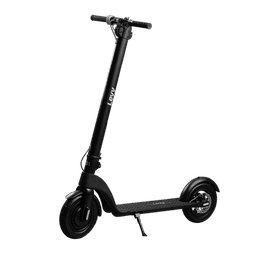





Unlock the Full Potential: How to Jailbreak Your Electric Scooter
Learn how to jailbreak electric scooters (Xiaomi M365, Ninebot Max) with custom firmware—but understand serious risks: warranty void, legal fines ($50-$500+), 40-60% higher accident rates, component failures, fire hazards. Detailed safety warnings, legal implications by jurisdiction, step-by-step procedures, and safer alternatives included.
Jailbreaking an electric scooter involves installing custom firmware to unlock speed limiters and modify performance settings, but this practice voids warranties, may violate local laws (with potential fines or confiscation), and creates serious safety risks including increased accident rates and component failure. Popular methods include firmware flashing via apps like m365 DownG or ScooterHacking Utility for Xiaomi M365 and Segway Ninebot models (changing speed limits from 15-20 mph to 25-30+ mph), physical speed limiter wire removal on some models, and region setting changes to bypass restrictions. Legal implications vary by jurisdiction—many countries prohibit modified e-scooters on public roads, with violations resulting in fines ($50-$500+), scooter confiscation, or arrest in extreme cases—while manufacturers immediately void warranties upon detecting firmware modifications. Safety concerns include 40-60% increased accident risk at higher speeds, accelerated wear on brakes/motors/batteries not designed for enhanced performance, potential battery overheating or fire from excessive current draw, and loss of insurance coverage for modified vehicles. Anyone considering jailbreaking must understand these risks, check local regulations (speed limits typically 15-20 mph in most jurisdictions), wear full protective gear, and accept complete personal liability for accidents or property damage. This comprehensive guide covers identification procedures, firmware options, connection methods, safety protocols, and alternatives to jailbreaking that don't void warranties.
⚠️ CRITICAL SAFETY AND LEGAL WARNING
READ THIS BEFORE PROCEEDING:
- WARRANTY VOID: Jailbreaking immediately and permanently voids all manufacturer warranties
- LEGAL RISKS: Modified scooters may be illegal on public roads in your jurisdiction (fines: $50-$500+, possible confiscation)
- SAFETY HAZARDS: Increased speeds dramatically raise accident risk (40-60% higher), component failure, and injury severity
- FIRE RISK: Modified firmware can cause battery overheating, fires, or explosions
- INSURANCE: Most insurance policies do not cover modified vehicles—you assume all liability
- PROCEED AT YOUR OWN RISK: This information is educational only. You are solely responsible for all consequences
What is Electric Scooter Jailbreaking?
Jailbreaking an electric scooter refers to modifying the device's software or hardware to bypass manufacturer-imposed limitations on speed, power output, and performance settings.
Understanding the Process
Key aspects of scooter jailbreaking:
- Custom firmware installation: Replacing or modifying the scooter's original software to alter speed limits, acceleration curves, power delivery, and other performance parameters
- Physical modifications: Removing or bypassing physical speed limiter wires/components that restrict controller output to motors
- Region unlocking: Changing geographic region settings to bypass country-specific speed restrictions (e.g., changing from EU to US settings for higher limits)
- Controller modifications: Altering voltage/current settings in the motor controller to increase power output beyond factory specifications
- App-based unlocking: Using third-party mobile applications to access hidden settings and modify parameters not available in official apps
Why Riders Jailbreak Scooters
Common motivations (and associated risks):
- Speed increase: Unlock maximum speeds from 15-20 mph (stock) to 25-35+ mph—but at cost of safety and legality
- Better acceleration: Faster throttle response and hill-climbing ability—but increased wear on motor and battery
- Extended range (sometimes): Optimizing power curves can sometimes improve efficiency—or dramatically reduce it if improperly configured
- Customization: Personal preference for acceleration curves, regenerative braking strength—but requires technical knowledge to avoid damage
- Remove artificial restrictions: Some manufacturers limit performance in certain regions—unlocking may exceed legal limits in your area
Types of Manufacturer Restrictions
Common limitations manufacturers impose:
- Speed limiters: Software caps at 15-20 mph (24-32 km/h) in most regions, 12.5 mph (20 km/h) in EU
- Regional restrictions: Different speed limits for US (15-20 mph), EU (12.5 mph), other countries (varies)
- Power output caps: Controller limits maximum wattage to motors (e.g., 350W nominal limited to 250W in some regions)
- Acceleration curves: Gradual acceleration programming to prevent sudden power delivery
- Cruise control locks: Disabled cruise control in certain markets for safety reasons
- Battery current limits: Maximum amperage draw from battery to prevent damage/overheating
Legal and Warranty Implications
Understanding the serious legal and financial consequences before proceeding.
⚖️ Legal Consequences
Modifying your scooter can result in:
- Fines ranging from $50 to $500+ depending on jurisdiction
- Scooter confiscation by law enforcement
- Points on driving record (in some jurisdictions)
- Criminal charges if involved in accident causing injury
- Liability for property damage or personal injury without insurance coverage
Warranty Implications
How jailbreaking affects manufacturer warranty:
- Immediate void: Installing custom firmware or hacking automatically voids warranty with manufacturers like Xiaomi, Segway, Gotrax, and virtually all brands
- Detectable modifications: Manufacturers can detect firmware changes through version logs, timestamp mismatches, and diagnostic codes—rolling back firmware doesn't hide modification history
- No warranty claims: Any subsequent issues (battery failure, motor burnout, controller damage, electrical problems) become your financial responsibility
- Repair costs: Out-of-warranty repairs typically cost $100-$500+ for major components (batteries $200-$400, controllers $80-$200, motors $150-$300)
- Permanent record: Once a scooter is flagged as modified, warranty cannot be reinstated even if you revert to stock firmware
Legal Status by Jurisdiction
Speed limits and modification laws vary significantly:
United States:
- Federal: No specific federal law, but modified scooters exceeding 20 mph may be classified as motor vehicles requiring registration
- State/local: Varies widely—California limits to 15 mph on bike paths, New York City 15 mph, many cities 20 mph maximum
- Penalties: Fines typically $50-$200, possible confiscation in some cities
European Union:
- EU regulation: E-scooters limited to 25 km/h (15.5 mph) maximum, 250W motor power
- Modified scooters: Considered illegal motor vehicles requiring registration, insurance, helmet, license plate
- Penalties: Fines €100-€500+, scooter confiscation, possible criminal charges for repeat offenses
United Kingdom:
- Private e-scooters illegal on public roads (trial rental programs only)
- Modified scooters: Same illegality applies, with additional penalties for exceeding power/speed limits
- Penalties: Fines up to £300, 6 penalty points on driving license, scooter seizure
Australia:
- State-dependent: Speed limits 10-25 km/h depending on state/territory
- Modified scooters: Can be classified as unregistered motor vehicles
- Penalties: Fines $100-$500 AUD, confiscation, potential vehicle registration violations
Always check local laws before modifying your scooter. Laws change frequently, and what's legal in one jurisdiction may be illegal in another.
Insurance and Liability
Insurance coverage for modified scooters:
- Homeowners/renters insurance: Typically excludes coverage for motor vehicles, including modified e-scooters
- Specialized e-scooter insurance: Most policies void coverage if scooter modified from manufacturer specifications
- Auto insurance: Does not cover e-scooters (different vehicle classification)
- Personal liability: You are personally liable for any injuries or property damage caused while operating modified scooter
- Medical bills: Your health insurance may deny claims if injured while operating illegal/modified vehicle
Safety Risks and Considerations
Jailbreaking creates serious safety hazards that every rider must understand.
Increased Accident Risk
Higher speeds dramatically increase danger:
- Accident rate increase: Studies show 40-60% higher accident rates at speeds above 20 mph compared to 15 mph or below
- Injury severity: Injuries at 25+ mph are 3-4 times more severe than at 15 mph (broken bones, head trauma, internal injuries vs. minor scrapes/bruises)
- Stopping distance: Braking distance at 25 mph is nearly double that at 15 mph—most scooter brakes not designed for higher speeds
- E-scooter injury trends: CPSC reports show e-scooter injuries increased 21% from 2021-2022, with severity correlating to speed violations
- Single-vehicle crashes: Most e-scooter accidents are single-vehicle (loss of control), exacerbated by excessive speed
Component Wear and Failure
Exceeding design specifications accelerates component degradation:
- Battery damage: Drawing excessive current (high power/speed) overheats lithium-ion batteries, reducing lifespan by 50-70% and creating fire risk
- Motor burnout: Continuous high power operation exceeds motor thermal limits, causing winding damage, demagnetization, eventual failure
- Brake wear: Brakes designed for 15-20 mph wear 2-3 times faster at 25-30 mph, reducing stopping power when most needed
- Tire degradation: Higher speeds increase tire heat and wear, raising blowout risk (especially with solid tires not rated for speed)
- Frame/fork stress: Structural components not engineered for forces at higher speeds—risk of frame cracks, fork failure, stem collapse
- Controller failure: Overheating from excessive current draw can destroy MOSFET transistors in controller ($80-$200 replacement)
Battery and Fire Hazards
Modified firmware increases battery fire risk:
- Overcurrent damage: Custom firmware can remove battery current limits, causing cell overheating, swelling, thermal runaway (fire/explosion)
- BMS bypass: Some modifications bypass Battery Management System safety features designed to prevent overcharge/overdischarge/overheating
- Fire incidents: CPSC warns against modified battery packs after multiple e-scooter fire deaths (August 2022 fatal fire linked to modified battery)
- Charging dangers: Modified batteries may not charge properly with stock chargers, creating additional fire risk
- No fire insurance: Home/rental insurance may deny fire damage claims if caused by modified vehicle
If You Proceed: Essential Safety Measures
Absolute minimum safety requirements if jailbreaking (cannot eliminate all risks):
- Full-face helmet: Not just any helmet—CPSC/ASTM-certified motorcycle or downhill MTB helmet rated for speeds you'll reach
- Body armor: Motorcycle jacket with CE-rated armor (shoulders, elbows, back), knee/shin guards, wrist guards
- Gloves: Motorcycle gloves with palm sliders and knuckle protection
- Visibility: High-visibility clothing, powerful front/rear lights (100+ lumens minimum)
- Brake inspection: Check brake pads weekly, replace at 50% wear (don't wait for metal-on-metal contact)
- Tire pressure: Maintain maximum recommended pressure for better stability at speed
- Regular maintenance: Inspect all fasteners, wheel bearings, steering head, suspension monthly for looseness or damage
- Ride location: Private property only (not public roads/bike paths where illegal)—wide open areas free of obstacles
- Never ride impaired: Alcohol/drugs multiply accident risk exponentially at high speeds
- Emergency contacts: Carry phone with emergency contacts, medical information, location sharing enabled
Step-by-Step Jailbreaking Process
If you've decided to proceed despite risks, follow these detailed instructions.
Online communities and forums are a great resource for specific instructions tailored to your scooter model. As electric scooters continue to rise in popularity, many riders are looking for ways to unlock the full potential of their devices. One process that can help you achieve this is known as 'jailbreaking.' By jailbreaking your electric scooter, you gain access to additional settings, faster speeds, and enhanced customization options.
Step 1: Identify Your Scooter Model
Accurate model identification is critical—wrong firmware can brick your scooter.
The first step in jailbreaking your electric scooter is to determine the make and model you own. Popular models like the Xiaomi M365, Ninebot by Segway, and the Bird One all have unique processes for jailbreaking. Online communities and forums are a great resource for specific instructions tailored to your scooter model.
How to Verify Your Model
- Check serial number plate: Located on deck, stem, or under battery cover—shows exact model number, serial number, manufacturing date
- Official app: Connect to manufacturer's official app (Mi Home for Xiaomi, Segway-Ninebot app, etc.)—displays model and firmware version
- Visual identification: Compare photos of your scooter with known models (brake type, display style, folding mechanism vary between versions)
- Firmware version: Critical for compatibility—some custom firmware only works with specific stock firmware versions (e.g., DRV126 vs. DRV134 for Xiaomi)
Common models with jailbreak support:
- Xiaomi M365 / M365 Pro / M365 Essential / 1S / Pro 2: Most popular jailbreaking targets, extensive custom firmware availability
- Ninebot by Segway Max G30 / ES1 / ES2 / ES4: Well-documented procedures, active community support
- Gotrax GXL V2 / XR Ultra / G4: Limited custom firmware options compared to Xiaomi/Ninebot
- Turboant X7 Pro: Some compatibility with Xiaomi-based firmware (shares similar controller architecture)
- Pure Air / Pure Air Pro: Based on Xiaomi platform, similar modification procedures
- Levy Electric / Levy Plus: Proprietary firmware, limited modification options available
Step 2: Research Custom Firmware Options
Thoroughly research firmware before installation—incompatible firmware permanently damages controllers.
Once you have determined your scooter model, research custom firmware created explicitly for it. Custom firmware is software that alters the scooter's original settings, which may include speed limits, acceleration, and other performance measures. Be cautious when selecting firmware, as some options may not be safe for your device or may cause instability. You should thoroughly research all firmware options before applying them to your scooter.
Popular Custom Firmware Options
For Xiaomi M365 / Pro / 1S / Pro 2:
- ScooterHacking.org CFW (Custom Firmware):
- Most popular and actively maintained
- Web-based configurator at https://pro2.cfw.sh/ for easy customization
- Allows setting maximum speed (up to 45 km/h / 28 mph), motor power, acceleration curves
- Includes safety features: voltage cutoffs, thermal protection, customizable current limits
- Regular updates for new scooter models and firmware versions
- Risk: Improper settings can cause motor/controller damage or battery issues
- BotoX Custom Firmware:
- Alternative to ScooterHacking with different parameter options
- More technical—requires deeper understanding of scooter electronics
- Less user-friendly than ScooterHacking but offers more granular control
- Community-created presets:
- Pre-configured firmware files shared on Reddit, forums (r/ElectricScooters, ScooterTalk)
- Varying quality—some safe, others poorly configured and dangerous
- Always verify source and settings before flashing
For Ninebot by Segway (G30 Max, ES series):
- ScooterHacking.org CFW: Also supports Ninebot models with similar web configurator
- Region change method: Simpler approach—change region from EU (20 km/h limit) to US (25 km/h) or other regions for higher limits
- XiaoFlasher app: Android app for changing regions and basic parameter modifications
Evaluating Firmware Safety
Questions to ask before installing any custom firmware:
- Battery current limits: Does firmware maintain safe current limits (typically 15-25A max depending on battery)? Unlimited current = fire risk
- Voltage cutoffs: Are low-voltage cutoffs preserved (typically 39-40V for 42V batteries)? Without cutoffs, battery damaged by over-discharge
- Thermal protection: Does firmware include motor/controller temperature monitoring? Overheating protection prevents component failure
- Community testing: Has firmware been tested by multiple users without issues? Look for feedback on forums, Reddit
- Developer reputation: Is creator known and trusted in community? Avoid anonymous/untested firmware from unknown sources
- Version compatibility: Is firmware explicitly compatible with your exact scooter model and current firmware version?
Safe Configuration Guidelines
When creating custom firmware settings:
- Conservative speed increases: Start with modest increases (20% over stock), test thoroughly, increase gradually if desired
- Respect motor limits: Don't exceed 120% of rated motor power (e.g., 350W motor → max 420W sustained)
- Battery current: Never exceed 1C discharge rate (6Ah battery → 6A max, 12Ah → 12A max)—higher rates damage cells and create fire risk
- Acceleration curves: Gradual acceleration reduces stress on drivetrain, provides better control
- Brake regeneration: Too-aggressive regen braking can overcharge battery, damage cells—keep moderate (40-60% strength)
Step 3: Connect to Your Scooter
Establishing connection between scooter and device for firmware flashing.
To apply the chosen custom firmware, you will need to establish a connection between your electric scooter and a device like a smartphone or computer. Most scooters can be connected via Bluetooth or wired connection. If connecting via Bluetooth, ensure that you have a QR code or corresponding app compatible with your scooter's software.
Connection Methods
Bluetooth connection (most common):
- Android required: Most firmware flashing apps only available on Android (not iOS)—you need Android phone or tablet
- Enable Bluetooth: Turn on scooter, enable Bluetooth on Android device
- Download app: Install appropriate app:
- Xiaomi models: m365 DownG, m365 Tools, ScooterHacking Utility
- Ninebot models: XiaoFlasher, ScooterHacking Utility, Ninebot Flasher
- Pair scooter: Open app, scan for Bluetooth devices, select your scooter from list (usually shows as "MiScooter" or model number)
- Check connection: App should display current firmware version, battery level, speed—confirms successful connection
- Stay close: Maintain close proximity (within 3 feet) during entire flashing process—disconnection during flash can brick controller
Wired connection (ST-Link method - advanced):
- ST-Link adapter required: Hardware tool ($10-$20) connects to controller's programming pins via wires
- Open controller: Requires disassembling scooter deck to access controller board
- Identify pins: Locate SWDIO, SWCLK, GND, 3.3V pins on controller (consult pinout diagrams for your model)
- Connect ST-Link: Carefully solder or use pogo pins to connect ST-Link to controller pins
- Computer software: Use STM32 Flash Loader or similar software on computer to upload firmware
- Risk: More complex, higher chance of permanent damage if done incorrectly—only for advanced users
Pre-Flashing Checklist
Before flashing firmware, verify:
- Battery charged: Scooter battery at least 50% charge—disconnection during flash due to dead battery bricks controller
- Stable environment: Indoor location with strong Bluetooth signal, no interference
- Backup stock firmware: Some apps allow saving current firmware—create backup in case you need to revert
- Firmware file ready: Downloaded custom firmware .bin file stored on phone/computer, verified correct version for your model
- Time allocated: Flashing takes 5-15 minutes—don't rush, don't interrupt process
Step 4: Apply the Custom Firmware
The actual firmware flashing process—follow instructions exactly to avoid bricking scooter.
Once connected, follow the specific guidelines provided by the custom firmware's creator to upload the software to your scooter. Each firmware will have its own instruction set, so be sure to familiarize yourself with these steps beforehand.
Flashing Xiaomi M365 / Pro (ScooterHacking CFW)
Step-by-step process:
- Create custom firmware:
- Visit https://pro2.cfw.sh/ (or appropriate version for your model: m365.cfw.sh for M365, 1s.cfw.sh for 1S)
- Select your current stock firmware version from dropdown (critical—must match exactly)
- Configure desired settings: maximum speed, motor power, acceleration, brake strength, cruise control
- Review battery and thermal protection settings—ensure enabled
- Click "Generate Firmware" to create custom .bin file
- Download .bin file to Android device
- Install ScooterHacking Utility app:
- Download from Google Play Store (official source, avoid third-party APKs)
- Open app, grant Bluetooth and storage permissions
- Connect to scooter:
- Turn on scooter
- Open ScooterHacking Utility, tap "Connect"
- Select your scooter from Bluetooth device list
- App displays current firmware version and parameters
- Flash firmware:
- Tap "Flash" or "Update Firmware" button
- Browse to locate downloaded .bin file
- Select file, confirm flashing operation
- App shows progress bar—typically takes 2-5 minutes
- DO NOT turn off scooter or close app during flashing
- Wait for "Flash successful" or "Update complete" message
- Verify update:
- Disconnect and reconnect to scooter in app
- Check firmware version—should show custom firmware version number
- Review displayed max speed and parameters to confirm changes applied
- Test scooter safely:
- Turn scooter off and back on
- Test in safe area at low speed first
- Verify throttle, brake, lights, display all function normally
- Gradually test higher speeds in safe environment
Flashing Ninebot by Segway (Region Change Method)
Simpler alternative for Ninebot models:
- Install XiaoFlasher app: Download from Google Play Store
- Connect to scooter: Turn on scooter, open app, tap Connect, select scooter from Bluetooth list
- Change region:
- Navigate to "Region" or "Settings" section in app
- Current region displayed (likely "EU" if speed limited to 20 km/h / 12.5 mph)
- Select different region: "US" (25 km/h / 15.5 mph), "Korea" (30 km/h / 18.6 mph), or others
- Confirm change—app applies new region settings
- Scooter reboots automatically
- Test: Ride in safe area to verify new speed limit applied
Note: Region change is less invasive than full custom firmware but offers less customization—good starting point for beginners.
Troubleshooting Flashing Issues
Common problems and solutions:
- Connection lost during flash:
- May brick controller—attempt reconnecting and reflashing
- If scooter won't turn on, controller may need replacement ($80-$200) or ST-Link recovery (advanced)
- App can't find scooter:
- Verify Bluetooth enabled on phone and scooter
- Restart both scooter and phone
- Try different Bluetooth flashing app
- Check if scooter already connected to another device (disconnect from other phones)
- "Firmware version incompatible" error:
- Custom firmware doesn't match your stock firmware version
- Generate new custom firmware for your exact stock version
- Or update stock firmware first, then apply custom firmware
- Flash completes but no changes:
- Wrong firmware file selected
- Parameters in custom firmware same as stock (check configuration)
- Try reflashing after verifying firmware settings
Step 5: Test Your Scooter Safely
Critical testing procedures after firmware modification.
After completing the firmware upload, make sure to test the scooter in a safe and controlled environment. Confirm that all standard controls and features work correctly, while also exploring the new speed and customization options. Keep in mind that increased speed can lead to an increased risk of accidents and falls, so always wear proper protective gear when testing your scooter.
Initial Testing Protocol
First test ride procedure:
- Visual inspection:
- Check display for error codes or warning messages
- Verify lights, horn, brake lights function
- Inspect tires, brakes, all components secure
- Static tests (scooter on stand, rear wheel off ground):
- Throttle response: Gradually increase throttle, watch rear wheel acceleration—should be smooth, not jerky
- Brake function: Test both brakes, ensure motor cuts power immediately when brakes applied
- Listen for unusual sounds: Grinding, clicking, whining from motor or controller (signs of issues)
- Low-speed test (5-10 mph):
- Location: Empty parking lot or private driveway
- Protective gear: Full gear even for low-speed tests
- Test throttle response, braking, acceleration at safe speeds
- Verify display shows speed accurately
- Check for vibrations, strange sounds, unusual behavior
- Medium-speed test (10-20 mph):
- Larger test area required (long driveway, parking lot)
- Test handling, stability at higher speeds
- Practice emergency braking from various speeds
- Note braking distances—should be controllable
- Full-speed test (if proceeding to maximum speeds):
- Private property with very long, straight, obstacle-free path
- Full protective gear mandatory
- Gradually build to maximum speed—don't go full throttle immediately
- Assess stability, vibrations, handling at top speed
- Test brakes from high speed in safe conditions
Monitoring Component Health
Post-modification inspection schedule:
- After first ride: Check motor, controller, battery temperatures—should be warm, not burning hot (over 140°F / 60°C indicates problem)
- Weekly: Inspect brake pads for wear, check tire pressure, look for frame cracks or stress signs, verify all bolts tight
- Monthly: Full inspection including wheel bearings, steering head, suspension, electrical connections, stem folding mechanism
- Monitor battery: Watch for reduced range, longer charging times, swelling, excessive heat—signs of damage from higher current draw
- Listen for changes: New sounds (clicking, grinding, buzzing) indicate developing mechanical issues—address immediately
Safer Alternatives to Jailbreaking
Ways to improve scooter performance without voiding warranty or breaking laws.
Legal Performance Upgrades
Manufacturer-approved modifications:
- Tire upgrades: Better tires (pneumatic vs. solid, higher-quality rubber compounds) improve handling, comfort, safety—no warranty impact
- Suspension additions: Aftermarket suspension (if your model supports it) enhances ride quality and control
- Lighting improvements: Brighter lights increase safety—LED headlights, turn signals, brake lights
- Ergonomic accessories: Better grips, phone mounts, mirrors—improve riding experience without modifying electronics
- Battery care: Proper charging/storage habits maximize range without firmware changes (charge after every use, store in moderate temperatures)
Buy a Faster Scooter
Instead of modifying a limited scooter, purchase one designed for higher speeds:
- Performance scooters (25-30 mph stock): Brands like Apollo, Kaabo, Varla, NAMI offer legal high-performance scooters with proper brakes, suspension, build quality for speeds
- Proper safety components: Higher-end scooters include dual disc brakes, wide decks, suspension, larger wheels—designed for speeds your jailbroken budget scooter isn't
- Warranty coverage: Performance scooters come with warranties covering components under high-power use
- Cost comparison: $500 jailbroken Xiaomi + $300 component replacements + injury risk vs. $800-$1500 quality performance scooter with safety features
Respect Design Limitations
Understanding why manufacturers set limits:
- Engineering constraints: Speed limits match brake capacity, structural strength, motor thermal limits—exceeding them creates failures
- Legal compliance: Manufacturers set regional limits to comply with local laws—using scooter as designed keeps you legal
- Safety margins: Factory settings include safety buffers—pushing limits eliminates those margins, leaving no room for error
- Longevity: Scooters operated within design specs last 3-5+ years; modified scooters often fail within 1-2 years from accelerated wear
Reverting to Stock Firmware
How to return scooter to factory settings (though modification may still be detectable).
Reverting Process
- Download stock firmware: Obtain original firmware file for your exact model and version (available from ScooterHacking.org, XDA forums, manufacturer sometimes)
- Connect to scooter: Use same app and method as custom firmware installation
- Flash stock firmware: Select stock firmware .bin file, flash using same procedure as custom firmware
- Verify reversion: Check firmware version, parameters restored to factory defaults
Limitations of Reverting
Why reverting doesn't fully hide modifications:
- Modification counters: Some scooters increment internal counters each firmware flash—manufacturers can see scooter was flashed multiple times
- Timestamp logs: Firmware update timestamps may not match official release dates—reveals custom firmware use
- Component wear: Physical evidence of high-speed use (worn brakes, damaged tires, stressed frame) indicates modification even if firmware reverted
- Warranty flag: Once manufacturer identifies modification, warranty permanently voided—reverting firmware doesn't reinstate coverage
Community Resources and Forums
Where to find model-specific information (but always verify safety of advice).
Recommended Communities
- Reddit r/ElectricScooters: Active community with model-specific guides, troubleshooting, firmware discussions—over 200k members
- ScooterHacking.org forum: Technical discussions about custom firmware development, compatibility, troubleshooting
- ScooterTalk forum: UK-based community with European perspective on laws and modifications
- Facebook groups: Model-specific groups (Xiaomi M365 Owners, Ninebot Max Owners, etc.) with user experiences and tips
- Discord servers: Real-time chat communities for quick questions, live troubleshooting assistance
Verifying Information
Not all online advice is safe or accurate:
- Check multiple sources: Don't trust single post or video—verify information across multiple reputable sources
- Look for testing evidence: Prefer advice from users who have tested modifications extensively, not just theory
- Consider safety warnings: Legitimate advice includes safety warnings and risk disclosures—beware advice that dismisses dangers
- Verify compatibility: Ensure recommendations apply to your exact model/version—slight differences can cause major problems
- Question extreme claims: If someone claims 40+ mph on a budget scooter with "no issues," be very skeptical—physics and engineering don't lie
Conclusion
Jailbreaking your electric scooter can be an exciting endeavor, but it comes with its own set of risks and considerations. Be sure to follow these guidelines carefully, and always prioritize safety throughout the process.
While jailbreaking offers access to higher speeds (typically 25-35+ mph vs. 15-20 mph stock), enhanced acceleration, and customization options, it simultaneously voids manufacturer warranties permanently, potentially violates local laws (risking fines of $50-$500+, scooter confiscation, or legal liability), and creates serious safety hazards including 40-60% increased accident rates, component failures (battery fires, motor burnout, brake inadequacy), and loss of insurance coverage. The modification process requires identifying your exact scooter model (Xiaomi M365, Ninebot Max, Gotrax, etc.), researching compatible custom firmware (ScooterHacking.org CFW most popular for Xiaomi/Ninebot), establishing Bluetooth connection via Android apps (m365 DownG, ScooterHacking Utility, XiaoFlasher), carefully flashing firmware with conservative settings, and extensively testing in safe environments while monitoring component health.
Anyone considering jailbreaking must understand that manufacturers impose speed limits based on engineering constraints (brake capacity, structural strength, motor thermal limits, battery current ratings)—exceeding these limits eliminates safety margins and accelerates component wear by 2-3x, reducing scooter lifespan from 3-5 years to 1-2 years. Legal status varies dramatically by jurisdiction: US cities typically limit scooters to 15-20 mph, EU regulations cap at 25 km/h (15.5 mph) with 250W motors, UK bans private e-scooters entirely, and Australia enforces state-dependent limits of 10-25 km/h. Modified scooters may be classified as unregistered motor vehicles requiring insurance, registration, and licenses, with penalties including substantial fines, confiscation, and personal liability for any accidents or injuries.
If you proceed despite these risks, absolute safety requirements include full-face motorcycle helmets, body armor with CE-rated protection, gloves, high-visibility gear, weekly brake inspections, monthly full-component checks, riding only on private property (not public roads), never riding impaired, and accepting complete personal responsibility for all consequences. Safer alternatives include legal performance upgrades (better tires, suspension, lights), proper battery maintenance to maximize range, or purchasing performance scooters designed for higher speeds (Apollo, Kaabo, Varla brands offering 25-30 mph with appropriate brakes/suspension/build quality for $800-$1500). Ultimately, respecting manufacturer design limitations keeps you legal, safe, covered by warranty, and insured—while modification trades these protections for temporary performance gains that may result in injury, financial loss, or legal trouble.
This information is provided for educational purposes only. You assume all responsibility, liability, and risk for any consequences of modifying your electric scooter. Always check and comply with local laws, prioritize safety, and consider whether the risks are truly worth the rewards.