





Unlock the Full Potential of Your Pure Electric Scooter: Removing the Speed Limiter
Learn how to remove the speed limiter on a Pure electric scooter, unlocking its full potential for higher speeds, while considering safety, legal, and warranty implications.
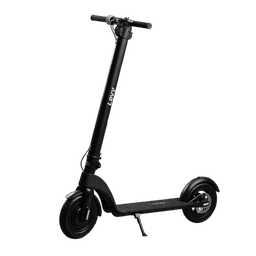
Pure Electric scooters—manufactured by the UK-based company Pure Electric—have gained popularity as reliable, well-designed urban transportation devices built specifically for legal compliance with UK and European regulations. Pure scooters, including popular models like the Pure Air, Pure Air Pro, Pure Air 3, Pure Air 3 Pro, Pure Air 4, Pure Air 4 Pro, Pure Air 5, Pure Air 5 Pro, Pure Air 5 Pro+ Suspension, Pure Air 5 Ultra Suspension, Pure Advance, and Pure Advance Flex, are engineered with integrated speed limiters set at 15.5 mph (25 km/h) to comply with rental scheme regulations and anticipated private e-scooter legislation. Many owners wonder about removing these speed limiters to access higher performance, but the reality of Pure scooter speed modification is significantly more complex, expensive, and legally problematic than modifications on other scooter brands. This comprehensive 2025-2026 guide provides accurate technical information about how Pure scooters implement speed limiting through internal hardware and firmware controls, why common modification myths don't work on Pure models, the only viable (but not recommended) modification approach involving complete controller replacement, critical legal and safety implications specific to UK regulations and 2026 enforcement trends, warranty consequences, emerging battery management technologies, and responsible alternatives to speed limit removal.
CRITICAL LEGAL WARNING: UK E-Scooter Law and 2026 Updates
Before discussing any technical aspects of speed modification, it's absolutely essential to understand the current legal status of electric scooters in the United Kingdom, where Pure Electric scooters are primarily sold and used:
Current UK Law (2025-2026): Private electric scooters (those you own) are ILLEGAL to ride on public roads, pavements, cycle lanes, or any public land in the UK. Private e-scooters can only legally be used on private property with the landowner's permission. Riding a private e-scooter on any public space is illegal and can result in: Scooter confiscation by police, fines up to £300 or more, 6 penalty points on your driving license, and potential prosecution for driving without insurance (e-scooters are classified as motor vehicles requiring insurance for public road use). Only rental e-scooters operating in authorized government trial schemes (extended through May 2026) are legal on public roads, with speed automatically limited to 12.5 mph in standard areas and reduced to 8 mph in designated 'go slow' zones. Users of rental e-scooters must have a valid UK driving licence with category Q entitlement. Major January 2026 Development: On January 6, 2026, the UK government launched a formal public consultation proposing a new "Powered Transporters" legal category that would legalize privately-owned e-scooters for the first time. The proposed framework includes a 15.5 mph (25 km/h) speed limit, mandatory insurance, and minimum age requirements. If the consultation proceeds as expected, legalization could arrive in late 2026 or early 2027.
Trial Scheme Details (2024-2026): The UK government has extended official e-scooter trials in designated areas through May 31, 2026, providing data on usage, safety, and effectiveness. These trials impose strict speed limits (12.5 mph standard, 8 mph in slow zones) and prohibit pavement riding. UK safety data has shown nearly 1,500 injuries per year involving e-scooters, making safety a primary concern in the government's evaluation approach. With the January 2026 "Powered Transporters" public consultation now underway, the path to legalization appears more concrete than at any previous point, though the trial schemes continue to run concurrently.
Future Legislation (2026 Update): The UK government's January 2026 public consultation on "Powered Transporters" represents the most significant step toward legalization to date. The proposed framework would create a new legal vehicle category specifically for e-scooters, with a 15.5 mph (25 km/h) maximum speed limit, mandatory insurance requirements, and minimum age restrictions. If enacted—expected late 2026 or early 2027—private e-scooters meeting these requirements would finally be legal on public roads. Critically for this article, modifying your scooter to exceed the proposed 15.5 mph limit would remain illegal even after legalization, and the legislation is expected to establish maximum speed limits at the hardware level to prevent unauthorized modifications. Pure Electric's existing 15.5 mph hardware-enforced limit positions their scooters perfectly for compliance with anticipated regulations.
Legal Implications of Speed Modification: Removing or modifying speed limiters to exceed 15.5 mph makes your e-scooter definitively illegal for any use on public property. Modified scooters would be considered uninsurable motor vehicles, making public use even more serious offense. Riding a modified scooter on public roads exposes you to significant legal consequences including criminal charges for driving an unregistered, uninsured motor vehicle, scooter seizure, substantial fines, and license point deductions. As of early 2026, enforcement has intensified in major UK cities with dedicated traffic enforcement units focusing on illegal e-scooter use, even as the government moves toward legalization.
Bottom Line: If you're in the UK (Pure Electric's primary market), speed modification makes an already-illegal-to-use device even more problematic legally. The regulatory landscape continues evolving through 2026, but all indicators suggest that when private e-scooters are legalized, speed limits will be mandatory and enforced at the hardware level. This guide provides technical information for educational purposes, but we strongly advise against speed modifications due to overwhelming legal, safety, and warranty consequences.
How Pure Electric Scooters Implement Speed Limiting: Hardware and Firmware Architecture
Understanding Pure's specific speed limiting technology is essential because it fundamentally differs from many other scooter brands, making common modification myths ineffective. Pure has deliberately engineered their controllers to resist modification through a multi-layered approach:
Custom Controller with Internal Speed Regulation: Pure Electric scooters use proprietary custom controllers specifically designed and programmed by Pure to regulate speed at the hardware/firmware level. Unlike many scooters that use generic controllers with external speed-limiting components, Pure controllers have speed limitation built into the controller's internal firmware and circuitry. The controller monitors motor speed in real-time and reduces power delivery when approaching the 15.5 mph limit, creating a "soft" speed ceiling enforced at multiple control points simultaneously. This redundant speed regulation ensures that bypassing one control method doesn't unlock higher speeds—the controller maintains enforcement through backup systems.
Battery Management System (BMS) Integration: Modern Pure scooters (2025-2026 models) integrate speed limiting with advanced Battery Management Systems that monitor voltage, current, temperature, and state of charge in real-time. The BMS communicates directly with the controller to regulate speed based on battery health and charge state, preventing dangerous overcurrent draw at excessive speeds. This integration means that even if someone could theoretically bypass the controller's speed limiter, the BMS would prevent the battery from delivering sustained power at speeds above design specifications, creating a secondary safety barrier.
What This Means for Modifications: There are NO external speed-limiting wires to cut or disconnect on Pure scooters (despite what some online guides incorrectly claim for other brands). There are NO easily accessible firmware settings to change via apps or software (Pure firmware is locked and encrypted with proprietary protection). There are NO removable physical speed limiting devices inside the controller box. The speed limitation is hardcoded into the controller's operational programming at a level that cannot be accessed without specialized programming equipment and knowledge of Pure's proprietary encryption methods and controller architecture.
Why Common Modification Methods Don't Work on Pure Scooters (2026 Confirmed): Wire cutting doesn't work—Pure scooters have no speed-limiting wire; cutting wires will only damage the scooter, potentially causing irreversible harm to electrical systems and motor control. Research from 2024-2025 confirms that models like Pure Air 4, Pure Air 4 Pro, Pure Advance, and newer variants all use internal controller regulation with no external limiting components. App/firmware modifications don't work—unlike Xiaomi or Segway scooters that can sometimes be unlocked via apps, Pure's encrypted firmware cannot be reflashed with available tools; numerous attempted modifications documented in online forums confirm firmware is irreflashable. P-settings modifications don't work—Pure controllers don't use accessible P-parameter systems like some generic controllers do. Display modifications don't work—changing the display won't affect the controller's internal speed regulation, as speed limiting occurs at the motor control level, not the user interface level.
Unique Challenge of Pure Scooters (2026 Lineup): Pure Electric deliberately designed their scooters to be extremely difficult to modify, specifically to maintain legal compliance and safety standards. This makes Pure scooters among the most modification-resistant electric scooters on the market. The 2025 Air 5 lineup—Pure's latest generation—continues and strengthens this approach. The Air 5 series includes the Air 5 (base model), Air 5 Pro, Air 5 Pro+ Suspension, and the flagship Air 5 Ultra Suspension featuring a powerful 1201W motor, full suspension, and significantly improved range. All Air 5 models maintain the same hardware-enforced 15.5 mph limit with Pure's proprietary encrypted controller architecture. Pure also launched a McLaren collaboration collection featuring McLaren-branded versions of their scooters, further emphasizing the brand's premium positioning. While this frustrates users seeking higher speeds, it reflects Pure's commitment to legal compliance with UK regulations and user safety—a strategic decision that positions Pure well for the anticipated 2026-2027 UK legalization where hardware-enforced speed limits will be mandatory. Pure Electric now operates in 8 countries and is aiming for its first profitable year in 2026, suggesting the company's compliance-first approach is proving commercially viable.
Debunking Common Pure Scooter Speed Modification Myths (2025-2026 Research)
Numerous online guides and videos claim to show speed limiter removal on Pure scooters, but research from 2025-2026 confirms most contain significant misinformation or reference outdated methods. Let's address the most common myths with current evidence:
MYTH: "Cut the speed limiter wire inside the controller box"
REALITY: Pure scooters have NO speed limiter wire. The original article method describing wire cutting is based on generic scooter designs that don't apply to Pure's custom controller architecture. Current research confirms that Pure Air 4 Pro, Pure Air 3 Pro, Pure Advance, and all recent models use internal controller speed regulation with zero external limiting wires. Opening the controller box and cutting random wires will NOT increase speed and will likely: Damage the controller permanently with high-voltage electrical shock risk, disrupt communication between controller and other components causing complete scooter failure, potentially create electrical shorts causing fire hazards and thermal battery issues, or void warranty immediately with visible tampering that service technicians can detect. This method causes irreversible damage with zero speed increase benefit and often costs £100-£200+ to repair.
MYTH: "Use an app to unlock higher speeds"
REALITY: No legitimate apps exist that can modify Pure scooter speed limits. Apps that claim to unlock Pure scooters are either: Scams designed to steal personal information or install malware (multiple warnings documented in 2024-2025 forums), useless apps that do nothing despite claims but collect user data, or apps designed for other brands (Xiaomi, Ninebot, Segway) that are completely incompatible with Pure's proprietary systems and will cause app crashes or controller malfunction. Pure's firmware is encrypted with multi-layer protection, preventing any third-party app access to speed parameters. Attempting to install unauthorized apps on Pure scooters can corrupt the controller's firmware, making the scooter completely non-functional. Don't waste money on apps claiming to unlock Pure scooters—they don't work and may permanently damage your device.
MYTH: "Firmware update/reflash can increase speed"
REALITY: Pure Electric does not release unlocked firmware versions, and the firmware cannot be reflashed with custom software using available tools. Pure firmware updates (when available) maintain the 15.5 mph limit and are released only through official Pure channels for bug fixes and safety improvements. Attempting to force-flash unauthorized firmware can brick the controller (permanently render it non-functional and non-recoverable), costing £200-£350+ for replacement. No publicly available firmware modding tools support Pure's proprietary controller systems—tools designed for Xiaomi, Ninebot, or other brands are completely incompatible with Pure's encryption and controller design. Testing by scooter modification forums in 2024-2025 confirms that attempting to flash any non-official firmware results in immediate controller failure.
MYTH: "It's easy and cheap to modify Pure scooters"
REALITY: Unlike some other brands where modifications might be relatively simple (though still not recommended), Pure scooters are specifically engineered to resist modification. Any actual speed increase requires expensive component replacement, not simple wire cutting or software changes. Even professionals attempting modifications on Pure models report 2-3 failed attempts per successful modification (if successful at all), with costs exceeding £300-£500 including parts and labor.
The Only Viable Method: Complete Controller Replacement (Not Recommended)
After debunking myths, there IS technically one approach that can increase Pure scooter speeds, though it comes with enormous costs, risks, and complications:
Complete Controller System Replacement: Replace Pure's original controller with a generic aftermarket controller designed for higher speeds. Replace the Battery Management System (BMS) if needed for compatibility with new controller and to prevent safety hazards. Install compatible throttle/display that works with new controller. Potentially upgrade battery to higher voltage for significant speed increases (though this adds even more complexity, cost, and safety risk). Ensure proper electrical connectors, phase configurations, and voltage matching between all components.
Why This Works (Technically): By replacing Pure's proprietary speed-limited controller with a generic unlocked controller, you bypass Pure's internal speed regulation entirely. The new controller doesn't have Pure's hardcoded 15.5 mph limitation. This is genuine hardware-level modification rather than attempting to trick existing components. However, "technically possible" doesn't mean practical, safe, or legal.
Massive Drawbacks and Costs: Cost: £100-£300+ for controller, BMS, throttle/display components (approaching or exceeding cost of new entry-level budget scooter like Xiaomi Mi 3). Technical complexity: Requires electrical knowledge, proper wire identification, connector compatibility research, and careful installation to avoid damaging motor or battery; requires understanding of motor specifications (voltage, power rating, phase configuration, KV rating); mistakes can cause irreversible damage to multiple expensive components simultaneously. Compatibility challenges: Finding generic controllers that physically fit in Pure scooter's custom controller compartment (often uniquely sized), match Pure's motor specifications perfectly, integrate with existing display/throttle connectors, and work with Pure's battery voltage and BMS output is extremely difficult; even when compatible controllers are found, integration often requires custom wiring harnesses costing £50-£100+. Warranty immediately voided—any component replacement voids Pure's manufacturer warranty completely; this includes unrelated future problems that Pure would normally repair free of charge. Irreversible damage risk—improper installation can permanently damage expensive components including motor (£150-£250), battery (£200-£400), BMS (£50-£100), and controller box assembly itself. Safety concerns—aftermarket controllers may lack safety features Pure's original controller provides (overcurrent protection, temperature monitoring, smooth acceleration curves, low-battery cutoff, emergency brake control); riding a scooter with compromised safety systems increases injury and fire risk substantially. Legal problems amplified—modified scooter even more clearly illegal for any public use in UK; possessing a modified scooter could be considered evidence of intent to commit an illegal act even if stored on private property.
Why We Don't Recommend This Approach: The cost approaches or exceeds purchasing an unmodified scooter designed for higher speeds (Xiaomi Mi Pro 2 at ~£400, Ninebot Max at similar price point), eliminating the economic rationale for modification. Risk of permanently damaging your Pure scooter is extremely high during modification—even professionals with electrical expertise report high failure rates. Legal consequences in UK make the modification pointless if you can't legally ride it anywhere; modified scooters are even more obviously illegal than stock Pure scooters. Warranty voidance means any future problems must be solved at your expense, potentially doubling your total cost investment. Safety risks from improperly installed aftermarket components are serious—fires, sudden loss of braking, electrical shocks, and uncontrollable acceleration are documented risks. You lose Pure's excellent build quality, customer support, and designed-in safety features that make Pure scooters respected in the industry for reliability.
Safety Implications of Speed Increases: Data and Risk Analysis
Beyond legal issues, speed modifications create serious safety concerns backed by current injury and accident data:
Braking Distance Increases: Pure scooters are designed with brakes calibrated specifically for 15.5 mph maximum speed. At higher speeds (20+ mph), braking distances increase dramatically—potentially doubling from 15 mph to 25 mph due to physics of kinetic energy (doubling speed requires 4x stopping distance with same braking force). Pure's brake systems (drum or disc depending on model) may not provide adequate stopping power at speeds exceeding design specifications; braking force was engineered for specific friction coefficients and thermal dissipation at 15.5 mph, not 25+ mph. Risk of accidents, collisions, and inability to stop in emergency situations increases substantially. UK safety data from 2022 showed nearly 1,500 injuries involving electric scooters, with severe braking failures and loss-of-control incidents being major contributors.
Stability and Handling: Pure scooters' geometry, suspension, and weight distribution are optimized for speeds up to 15.5 mph. At higher speeds, handling becomes less predictable—steering inputs become more sensitive, small input corrections cause disproportionate direction changes, and scooter becomes prone to oscillation and instability. Turns require wider radius (risk of veering into traffic or obstacles into collision courses), and small road imperfections (potholes, bumps, cracks) cause more severe instability or complete loss of control. Larger wheels and better suspension found on scooters designed for higher speeds (like Ninebot Max or performance models) are absent on Pure models; Pure scooters' smaller, lighter wheels are engineered for city riding at 15.5 mph, not highway-adjacent speeds.
Component Stress and Failure: Motor, bearings, and drivetrain components experience dramatically higher stress at increased speeds, accelerating wear and increasing failure risk exponentially (stress increases roughly with the square of speed increase). Battery draws higher current at higher speeds, increasing heat generation and potential for battery damage or thermal events; sustained high-speed riding can cause internal battery temperature to exceed safe operating range (typically 60°C maximum), triggering BMS cutoff or, in failure scenarios, thermal runaway. Frame and structural components may not be rated for forces encountered at speeds significantly above design specifications; stress on joints, welds, and fasteners increases substantially, with higher risk of frame cracking or catastrophic structural failure while riding.
Rider Injury Risk: At 15.5 mph, falls result in serious but often survivable injuries. At 25+ mph, fall severity increases exponentially—higher chance of severe head injuries even with helmet (helmets rated for 15 mph impacts may not protect adequately against 25 mph impacts), broken bones become much more likely with significantly higher energy transfer, and road rash and soft tissue damage much more extensive with longer healing times. Protective gear adequate for 15 mph may be insufficient for speeds approaching 25-30 mph; professional motorcycle gear rated for highway speeds becomes necessary at modified scooter speeds.
Modern Battery Management Systems: 2025-2026 Technology
Contemporary e-scooter design integrates sophisticated Battery Management Systems (BMS) that work in concert with speed limiting for safety and performance:
Real-Time Monitoring Capabilities: Modern BMS systems continuously monitor voltage, current, temperature, and state of charge with advanced sensors and algorithms. Real-time data allows the BMS to enforce speed limits dynamically based on battery health—if battery temperature approaches unsafe levels, the BMS signals the controller to reduce power delivery. If battery charge depletes below safe minimum, the BMS cuts power to prevent complete drainage and battery damage. This integration means speed limiting isn't just controller-enforced; it's deeply embedded in battery management logic that actively prevents dangerous power draws.
Safety Features in 2025-2026 Models: Advanced overcharge protection prevents battery damage from excessive charging current. Temperature monitoring with automatic system shutdown prevents thermal runaway and fires. Cell-level monitoring in multi-cell batteries ensures balanced charge across all cells, extending battery lifespan and preventing weak-cell failure. Advanced protection including thermal runaway detection creates multiple barriers against dangerous failure modes. These systems extend battery life significantly while preventing the exact types of failures that modified scooters with mismatched controllers risk creating.
Performance Optimization: BMS systems assure steady power output, minimizing acceleration variations and preventing dangerous power surges that could cause loss of control. Speed regulation integrated with BMS ensures that power delivery matches what the battery can safely provide; attempting to bypass controller speed limits while BMS remains active creates conflicts that often result in controller shutdown or severe performance degradation (scooter becoming unrideable).
Future Battery Technology (2026-2030): Fast-charging capabilities now reach 80% capacity in 30-45 minutes with advanced thermal management preventing damage. Battery technology roadmaps suggest 100+ mile ranges and 10-minute full charging by 2030, with lifespans exceeding 10 years. Solid-state batteries are no longer theoretical—at CES 2026, several companies demonstrated production-ready solid-state battery packs for micro-mobility applications, promising 2-3x the energy density of current lithium-ion cells with dramatically improved safety characteristics (no liquid electrolyte means virtually zero thermal runaway risk). These next-generation batteries will have even more sophisticated BMS integration with hardware-level speed enforcement built directly into the battery firmware, making speed modification essentially impossible. With UK legalization of private e-scooters now actively being legislated through the January 2026 "Powered Transporters" consultation, manufacturers will almost certainly be required to use hardware-enforced speed limiting at the BMS level, making modification impossible on future models.
Warranty and Support Consequences
Warranty Voidance: Pure Electric's warranty explicitly excludes damage from modifications, tampering, or unauthorized repairs. Opening the controller box voids warranty immediately—tampering is obvious to service technicians through visual inspection of internal components and electronic signatures. Installing aftermarket components completely eliminates any warranty coverage on the modified components and often on the entire scooter (warranties often contain clauses that voidance of one component voids coverage for the entire device). Any future problems, even unrelated to modifications, may not be covered by Pure's warranty if the company determines that modifications created dangerous operating conditions that affected other components.
Loss of Customer Support: Pure Electric will not provide technical support for modified scooters. Troubleshooting future problems becomes entirely your responsibility with no access to Pure's technical resources. Replacement parts may be refused for obviously modified scooters—Pure has the right to decline service on vehicles they determine are safety hazards. You lose access to Pure's typically excellent customer service and support infrastructure, meaning any future issues require finding independent repair shops familiar with e-scooter electronics (often difficult and expensive).
Resale Value Impact: Modified scooters have dramatically reduced resale value—most buyers avoid modified e-scooters due to safety, legal, and reliability concerns; a modified Pure scooter might sell for 10-20% of original purchase price versus 40-60% for unmodified used models. Evidence of modification (opened controller box, aftermarket components, non-original wiring) makes scooter essentially unsellable except at severe discount to buyers specifically seeking parts or repair projects. Attempting to hide modifications and sell as unmodified is fraudulent, exposes you to civil liability if buyer encounters problems, and potentially criminal liability for fraud.
Responsible Alternatives to Speed Modification
If you're dissatisfied with your Pure scooter's 15.5 mph limit, consider these legal and safe alternatives:
Purchase a Faster Scooter Designed for Higher Speeds: Numerous scooters designed for higher speeds (20-30 mph) are available, though all face UK legal restrictions: Xiaomi Mi Pro 2 (designed for 25+ mph capability though 15.5 mph legally limited in UK), Segway Ninebot Max G3 (22 mph design capability with a powerful 550W/1200W peak motor, excellent stability and brakes rated for sustained high-speed riding), or performance models from brands like Apollo, Kaabo, or Dualtron (30+ mph capable for use in countries where legal). If you want to stay within the Pure ecosystem, the Pure Air 5 Ultra Suspension offers the most powerful motor in Pure's lineup (1201W) with full suspension—while still limited to 15.5 mph, the improved acceleration, hill-climbing ability, and ride comfort may address some of the dissatisfaction that drives users toward speed modification. These scooters include: Brakes specifically engineered for higher speeds with larger rotors and advanced friction materials, stronger frames and components rated for performance use with thicker metal and reinforced joints, better suspension for stability at speed with larger wheels and superior shock absorption, and legally sold as higher-performance devices (though still subject to UK legal restrictions for public use). While still facing UK legal restrictions for public use on public roads without legalization, at least these scooters are engineered for the speeds they achieve rather than modified beyond design specifications, making them exponentially safer than modified Pure scooters.
Use Your Pure Scooter Within Its Design Parameters: Appreciate Pure scooters' strengths: Excellent build quality and reliability with reputation for durability, strong customer support and warranty coverage protecting your investment, appropriate speed for urban environments and shared paths where most legitimate riding occurs, legal compliance with anticipated future UK regulations positioning Pure well for the legalization scenario. 15.5 mph is actually quite adequate for urban commuting, providing good balance of speed and safety; studies suggest 15.5 mph is optimal for mixed-use urban areas where scooters interact with pedestrians and cyclists.
Optimize Performance Without Speed Modification: Maintain proper tire pressure (increases efficiency, range, and handling; underinflated tires waste 15-25% of battery energy), keep battery healthy through proper charging practices (charge to 80%, store at 40-50%, avoid complete depletion), reduce weight by removing unnecessary accessories (heavier loads reduce top speed and range), and ensure regular maintenance (brake adjustment for optimal stopping power, bearing lubrication for smooth operation, wheel alignment for stability). These improvements enhance your riding experience and performance within the scooter's design parameters without legal, safety, or warranty risks. Proper maintenance can actually improve your effective riding experience more than speed modification would.
Advocate for Legal Reform (Action Available Now): For the first time, UK residents have a direct opportunity to shape e-scooter legislation. The UK government's January 2026 public consultation on "Powered Transporters" is actively accepting public input on the proposed regulatory framework. Respond to the consultation through the Department for Transport's official channels to advocate for: reasonable speed limits that balance safety with practicality, clear legal frameworks for private e-scooter ownership, and graduated licensing or speed classes that could permit higher-speed scooters with appropriate safety equipment. This is the most impactful thing you can do—far more productive than pursuing dangerous, illegal modifications. The consultation represents a once-in-a-decade opportunity to directly influence how e-scooters will be regulated in the UK.
Conclusion: Why Pure's Design Philosophy is Sound
Pure Electric scooters are specifically engineered with internal, hardware-level speed limiting at 15.5 mph (25 km/h) that cannot be bypassed through simple modifications like wire cutting, app installations, or firmware updates. Unlike other scooter brands where these modifications might work (though still not recommended), Pure's custom controllers with encrypted firmware, integrated Battery Management System regulation, and multi-layered speed enforcement make the company's scooters among the most modification-resistant on the market. This design choice reflects Pure's commitment to legal compliance with UK regulations, safety leadership in the industry, and strategic positioning for anticipated future legalization scenarios where hardware-enforced speed limits will likely be mandatory.
The only technically viable method to increase Pure scooter speeds—complete controller replacement with aftermarket components—costs £100-£300+, requires significant technical expertise to avoid catastrophic failures, carries high risk of permanent scooter damage, immediately voids all warranty coverage, amplifies already-serious legal problems, and most importantly, compromises the safety systems that make riding even remotely tolerable at higher speeds. The financial cost approaches or exceeds purchasing a scooter specifically designed for higher speeds, while the legal risks make the modification pointless as you cannot legally ride the modified scooter anywhere except private property in UK.
Critical legal reality: In the UK (Pure's primary market), private e-scooters are illegal on public roads, pavements, and cycle lanes regardless of speed. Enforcement has intensified through 2025 and into 2026 with dedicated traffic units focusing on illegal e-scooter use, though the January 2026 "Powered Transporters" consultation signals legalization may finally be approaching. Modifying your scooter to exceed legal limits compounds this illegality, exposing you to scooter confiscation, substantial fines, penalty points on your driving license, and potential criminal charges for driving an uninsured motor vehicle. The regulatory landscape is now actively moving toward legalization with the January 2026 "Powered Transporters" public consultation, and all indicators confirm that when private e-scooters are legalized, speed limits will be mandatory and enforced at the hardware level—potentially making future modifications even more illegal than today.
Safety implications are equally serious—Pure scooters' brakes, frame, suspension, and components are specifically engineered for 15.5 mph maximum; exceeding this dramatically increases accident risk, braking distances, and injury severity in falls, backed by UK safety data showing nearly 1,500 injuries in 2022. Modern battery management systems integrated into contemporary scooters actually work against speed modification attempts, creating multiple failure points if someone attempts controller replacement.
Rather than pursuing expensive, risky, legally problematic modifications that void your warranty and may damage your scooter irreversibly, consider: using your Pure scooter within its design parameters and appreciating its strengths (excellent build quality, reliability, legal compliance, and superior safety engineering), purchasing a scooter specifically designed for higher speeds if performance is truly essential to your use case, or optimizing your Pure scooter's performance through maintenance and proper care without modification. The most important consideration remains legal compliance and personal safety—Pure scooters are engineered to meet anticipated UK private e-scooter regulations, positioning them well for legal use when/if UK legislation changes to permit private e-scooters on public roads. Making that legalization as soon as possible through advocacy is far more productive than pursuing dangerous, illegal modifications.