
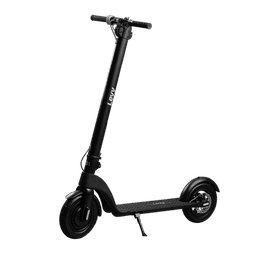





Where to Buy Lime Electric Scooters: Your Ultimate Guide
Lime scooters NOT sold retail 2025 - company operates rental-only service. Alternatives: Segway Ninebot ($500-$800), Xiaomi M365 ($400-$600), Razor EcoSmart ($500-$700). Used Lime scooters appear at police auctions ($100-$300, as-is). Complete buying guide.
Lime does NOT sell electric scooters directly to consumers for personal ownership—the company operates exclusively as a dockless rental service (pay-per-ride model) with fleet scooters available through their smartphone app in 200+ cities across 30 countries, and all Lime-branded scooters remain company property used solely for their ride-sharing business model. While Lime occasionally tested limited retail programs (brief corporate sales pilot in Q3 2024), no ongoing consumer sales program exists as of 2025, meaning riders who want Lime-quality scooters must purchase comparable alternatives from manufacturers like Segway Ninebot ($500-$800, similar build quality to Lime fleet), Xiaomi ($400-$600, lightweight commuter design), or Unagi ($900-$1,200, premium urban scooter)—or acquire used Lime fleet scooters through government/police auctions when cities impound abandoned rental units ($100-$300, sold as-is with no warranty, often requiring repairs). This comprehensive guide explains why Lime doesn't sell to consumers, where to find used Lime scooters through auction channels, what comparable alternatives match Lime's specifications (25 mph top speed, 20-30 mile range, 300-lb capacity), and how to evaluate whether purchasing a scooter makes financial sense versus continuing to use Lime's rental service ($1 unlock + $0.30-$0.50/minute = $8-$15/hour typical rental cost).
Understanding Lime's Rental-Only Business Model
Lime operates as a mobility-as-a-service (MaaS) company, not a scooter manufacturer or retailer—their entire business model depends on maintaining ownership of fleet vehicles for rental operations.
Why Lime Doesn't Sell Scooters to Consumers
Several strategic and operational reasons explain Lime's no-sales policy:
- Revenue model dependency: Lime's business generates revenue through per-minute rental fees and subscription plans—selling scooters would cannibalize their core rental income stream
- Fleet asset value: Lime's valuation and financing depend on owning a large fleet of vehicles—selling units depletes company assets and reduces operational capacity
- Data collection: Rental scooters provide valuable ride data (usage patterns, traffic flow, popular routes) that informs city partnerships and service optimization—owned scooters don't provide this business intelligence
- Maintenance control: Lime controls maintenance quality and timing for rental fleet, ensuring safety and reliability—selling scooters transfers maintenance responsibility to consumers who may not maintain properly, creating potential liability
- Custom hardware: Lime scooters contain proprietary GPS tracking, IoT connectivity, and remote locking systems specifically designed for fleet management—these features unnecessary and expensive for consumer-owned scooters
- Partnership agreements: Lime's contracts with cities and universities often specify fleet size and coverage requirements—selling units could violate these agreements
Brief History of Lime Consumer Sales Attempts
Lime experimented with limited consumer sales programs but discontinued them:
- 2020-2021: Lime explored corporate sales program allowing businesses to purchase fleet scooters for employee use
- Q3 2024: Brief pilot program tested direct consumer sales in select markets (limited availability, quickly discontinued)
- Current policy (2025): No consumer sales, no corporate sales, rental-only business model worldwide
Lime Help Center official statement: "Lime no longer offers any of their vehicles for sale" (confirmed 2025).
Lime Fleet Scooter Specifications (For Comparison)
To find comparable alternatives, understand what Lime's rental fleet offers:
- Model: Lime Gen 4 (current fleet standard, introduced 2022)
- Top speed: 15 mph (limited electronically, some Gen 3 models 18 mph)
- Range: 20-30 miles per charge (varies by battery condition and terrain)
- Motor: 350W brushless hub motor
- Weight capacity: 300 lbs (136 kg)
- Scooter weight: 55 lbs (25 kg)
- Tires: 10-inch pneumatic (air-filled) front, solid rear
- Brakes: Electronic regenerative front, mechanical drum rear
- Display: Integrated LED display showing speed and battery
- Features: Swappable battery (for Lime operations), GPS tracking, 4G connectivity, app-controlled remote locking
Where to Find Used Lime Scooters
While Lime doesn't sell scooters, used Lime fleet units occasionally enter secondary market through specific channels:
Government and Police Auctions
Most common source of used Lime scooters—cities auction impounded rental scooters:
How scooters reach auction:
- Abandoned units: Lime scooters left in prohibited areas, on private property, or blocking public access get impounded by cities
- Unclaimed impounds: If Lime doesn't retrieve impounded scooters within specified time (typically 30-90 days), cities auction them
- Bulk seizures: Cities that terminated Lime contracts sometimes auction remaining scooters
Finding government auctions:
- City surplus/police auctions: Search "[your city] government surplus auction" or "[city] police auction"
- Online auction platforms:
- GovDeals.com: Major government surplus auction site—search "electric scooter" in your region
- PublicSurplus.com: State and local government auctions
- PropertyRoom.com: Police evidence and recovered property auctions
- Municibid.com: Municipal government asset sales
- Local auction houses: Companies like California Auction Company occasionally list Lime scooters from city impounds
- Impound lots: Some cities sell impounded property directly from municipal impound facilities
What to expect at auction:
- Pricing: $100-$300 per scooter typical (varies by condition and competition)
- Quantity: Usually individual units or small batches (5-20 scooters), rarely large fleet sales
- Condition: Sold "as-is" with no warranty—expect:
- Dead or damaged batteries (replacement $100-$200)
- Worn tires (replacement $20-$60)
- Cosmetic damage (scratches, dents, faded decals)
- Missing parts (kickstand, charger port cover, handlebar grips)
- Water damage (corroded electronics, rusted components)
- GPS/connectivity systems still active (may require removal/modification to operate independently)
- Buyer's premium: 15-20% added to winning bid (auction fees)
- Inspection: Limited or no pre-bid inspection—buying sight-unseen common
- Pickup only: Most auctions require local pickup (no shipping)
Challenges with auction Lime scooters:
- Conversion required: Lime fleet scooters have GPS tracking and remote locking—requires modification/removal to operate as personal scooter
- No charger: Lime uses proprietary swappable batteries—standard chargers may not fit, requiring adapter or battery replacement
- Unknown history: No way to verify battery health, total mileage, or maintenance history
- Parts scarcity: Lime-specific parts (batteries, controllers) not widely available for consumer purchase
- Legal gray area: Some jurisdictions question legality of operating former fleet scooters on public property
Online Marketplaces (eBay, OfferUp, Craigslist)
Individual sellers occasionally list used Lime scooters acquired from auctions:
- eBay: Search "Lime electric scooter"—mostly parts, some complete units ($150-$400)
- OfferUp: Local sales, typically from auction buyers reselling ($200-$500)
- Craigslist: Local classified ads, search "[city] + Lime scooter" ($150-$400)
- Facebook Marketplace: Local sales and scooter groups
Buying risks:
- Stolen property: Some sellers offer Lime scooters of questionable origin—avoid purchases without proof of legitimate acquisition (auction receipt)
- Non-functional units: Many listed scooters sold for parts only (dead battery, damaged controller)
- Inflated pricing: Resellers markup auction purchases significantly
- No recourse: Private sales typically "as-is" with no returns or warranties
Best Alternatives to Lime Scooters (Retail Purchase)
Since genuine Lime scooters unavailable for retail purchase, these alternatives offer comparable or superior specifications:
Segway Ninebot Series (Best Lime Alternative)
Segway manufactures Lime's fleet scooters—consumer models use similar technology and build quality:
Segway Ninebot Max (Best Overall Match):
- Price: $700-$950
- Top speed: 18.6 mph (higher than Lime's 15 mph limit)
- Range: 40 miles (exceeds Lime's 20-30 miles)
- Motor: 350W nominal, 700W peak
- Weight capacity: 220 lbs
- Features: App connectivity, customizable settings, built-in rear fender with light, folding design
- Why similar to Lime: Same manufacturer, similar motor/battery specs, comparable build quality
- Where to buy: Amazon, Best Buy, Segway official website, REI
Segway Ninebot E22/E45 (Budget Options):
- E22 price: $450-$600 | E45 price: $600-$750
- Top speed: 15.5 mph (E22), 18.6 mph (E45)
- Range: 13.7 miles (E22), 28 miles (E45)
- Features: Lightweight (26 lbs E22, 33 lbs E45), easy folding, smartphone app
Xiaomi Mi Electric Scooter Series
Popular international brand, lightweight commuter scooters:
Xiaomi Mi Electric Scooter Pro 2:
- Price: $500-$700
- Top speed: 15.5 mph
- Range: 28 miles
- Motor: 300W nominal, 600W peak
- Weight: 31 lbs (lighter than Lime's 55 lbs)
- Features: App control, cruise control, double braking system, water resistance (IP54)
- Where to buy: Amazon, Walmart, Xiaomi official store
Xiaomi Mi 3:
- Price: $450-$600
- Top speed: 15.5 mph
- Range: 18.6 miles
- Features: Enhanced display, improved braking, app connectivity
Unagi Model One (Premium Alternative)
High-end urban scooter with superior design and materials:
- Price: $900-$1,200
- Top speed: 15.5 mph (single motor), 20 mph (dual motor E500)
- Range: 15-25 miles (varies by model)
- Weight: 26.5 lbs (lightest in class)
- Features: Dual suspension, carbon fiber/magnesium construction, premium build quality, smartphone app, monthly rental option ($39-$69/month)
- Where to buy: Unagi official website, select retailers
Apollo City (Performance Alternative)
- Price: $1,000-$1,400
- Top speed: 25 mph
- Range: 28-38 miles
- Motor: 500W continuous, 1200W peak
- Features: Dual suspension, hydraulic brakes, larger 10" pneumatic tires, premium build
- Where to buy: Apollo Scooters official website
Razor EcoSmart Metro (Seated Alternative)
- Price: $500-$700
- Top speed: 18 mph
- Range: 12 miles
- Features: Padded seat, large deck, bamboo platform, cargo basket, 16" tires
- Best for: Shorter trips, seated riding, cargo carrying
- Where to buy: Amazon, Walmart, Target, Razor official website
Lime vs. Consumer Scooter Comparison Chart
| Model | Price | Top Speed | Range | Weight | Best For |
|---|---|---|---|---|---|
| Lime Gen 4 | Rental only | 15 mph | 20-30 mi | 55 lbs | Pay-per-ride casual use |
| Segway Max | $700-$950 | 18.6 mph | 40 mi | 42 lbs | Best Lime equivalent, daily commute |
| Xiaomi Pro 2 | $500-$700 | 15.5 mph | 28 mi | 31 lbs | Budget-friendly, lightweight commuting |
| Unagi Model One | $900-$1,200 | 15.5-20 mph | 15-25 mi | 26.5 lbs | Premium design, urban commuting |
| Apollo City | $1,000-$1,400 | 25 mph | 28-38 mi | 52 lbs | Performance, longer commutes |
| Razor EcoSmart | $500-$700 | 18 mph | 12 mi | 68 lbs | Seated riding, cargo, short trips |
Where to Buy Consumer Electric Scooters
Multiple purchasing channels offer consumer scooters with varying benefits:
Online Retailers (Best Prices, Widest Selection)
- Amazon: Largest selection, competitive pricing, fast Prime shipping, easy returns, extensive reviews
- Manufacturer websites: Latest models, direct support, sometimes exclusive deals, factory warranty
- Specialized retailers: REI, Micro Mobility (carry premium brands, expert advice)
Brick-and-Mortar Stores (Test Before Buying)
- Best Buy: Carries major brands (Segway, Razor), in-store pickup, Geek Squad support
- Walmart/Target: Budget-friendly options, see before buying, local returns
- Local scooter/bike shops: Test rides, expert recommendations, local service support
Subscription/Rental-to-Own Programs
- Unagi subscription: $39-$69/month, includes scooter, insurance, maintenance, return anytime—good for trying before committing to purchase
- Citrus Cycles: Subscription scooters in select cities
Cost Analysis: Buying vs. Renting Lime Scooters
Determine whether purchasing scooter makes financial sense versus continuing Lime rentals:
Lime Rental Costs (Varies by City)
- Unlock fee: $1 per ride
- Per-minute rate: $0.30-$0.50/minute (varies by location and demand)
- Typical ride cost: $8-$15 per hour
- Monthly cost examples:
- Light user (4 rides/week, 15 min each): ~$90/month
- Moderate user (10 rides/week, 20 min each): ~$300/month
- Heavy user (daily commute, 30 min each way): ~$600-$900/month
Scooter Ownership Costs
Initial purchase:
- Entry-level scooter: $400-$600 (Xiaomi, Razor)
- Mid-range scooter: $700-$900 (Segway Ninebot Max)
- Premium scooter: $1,000-$1,400 (Apollo, Unagi)
Ongoing costs:
- Electricity: $2-$5/month (0.5 kWh per charge, 15-30 charges/month)
- Maintenance: $50-$150/year (tire replacement, brake pads, tune-ups)
- Insurance (optional): $60-$150/year (theft/damage coverage)
- Battery replacement: $150-$300 every 2-3 years (after 500-800 charge cycles)
- Total annual costs: $100-$350 (excluding initial purchase)
Breakeven Analysis
When does buying scooter become cost-effective versus Lime rentals?
Light user scenario (4 rides/week = $90/month Lime cost):
- $600 scooter + $200 annual costs = $800 first year
- Lime rentals = $1,080/year
- Breakeven: ~9 months
Moderate user scenario (10 rides/week = $300/month Lime cost):
- $800 scooter + $250 annual costs = $1,050 first year
- Lime rentals = $3,600/year
- Breakeven: ~3-4 months
Heavy user scenario (daily commute = $700/month Lime cost):
- $1,000 scooter + $300 annual costs = $1,300 first year
- Lime rentals = $8,400/year
- Breakeven: ~2 months
Conclusion: Purchasing scooter makes financial sense if you ride 3+ times/week. For occasional riders (1-2 times/week or less), Lime rentals remain more cost-effective.
What to Look for When Buying an Electric Scooter
Key specifications and features to evaluate:
Motor and Battery Performance
- Motor power: 250-500W for flat terrain commuting, 500-1000W for hills
- Battery capacity: Measured in Wh (watt-hours)—higher = longer range (360-600 Wh typical)
- Range: Realistic 15-40 miles (always less than advertised under real-world conditions)
- Charge time: 4-8 hours typical
Build Quality and Durability
- Frame material: Aluminum alloy (lightweight, rust-resistant) vs. steel (heavier, stronger)
- Weight capacity: 220-300 lbs typical, ensure exceeds your weight plus cargo
- Water resistance: IP54 minimum (splash resistant), IP65 better (rain resistant)
- Tire type: Pneumatic (air-filled, smoother ride but puncture risk) vs. solid (puncture-proof but harsher ride)
Safety and Braking
- Braking system: Dual brakes ideal (electronic + mechanical), disc brakes best for stopping power
- Lights: Front headlight and rear brake light (essential for night riding)
- Reflectors: Side and rear reflectors (often legally required)
- Stability: Wider deck and longer wheelbase = more stable
Portability and Storage
- Weight: Under 30 lbs for easy carrying, 40-50 lbs for performance models
- Folding mechanism: Quick-release folding (under 5 seconds), secure locking when folded
- Folded dimensions: Fits in car trunk, under desk, public transit racks
Smart Features
- Smartphone app: Ride tracking, customizable settings, firmware updates, lock mode
- Display: Speed, battery level, odometer, trip distance
- Cruise control: Maintains constant speed on long straightaways
- Anti-theft: GPS tracking, electronic lock, alarm
Legal Considerations for Scooter Ownership
Know your local regulations before purchasing:
- Speed limits: Many jurisdictions limit e-scooters to 15-20 mph
- Where to ride: Bike lanes, streets, or sidewalks (varies by location)
- Age restrictions: Minimum age 16-18 in many areas
- Licensing: Some locations require driver's license or special permit
- Helmet laws: Mandatory in many jurisdictions, especially for riders under 18
- Insurance: Rarely required but recommended for liability protection
- Registration: Some cities require e-scooter registration
Research local laws: Check city and state regulations before purchasing to ensure scooter legal to operate in your area.
Maintenance Tips for Owned Scooters
Proper maintenance extends scooter lifespan and ensures safe operation:
- Battery care: Charge after each ride, store at 50-80% charge for long-term storage, avoid complete discharge
- Tire maintenance: Check pneumatic tire pressure weekly (50-65 PSI typical), inspect for punctures/wear monthly
- Brake inspection: Test brake responsiveness before each ride, adjust or replace brake pads when stopping distance increases
- Bolt tightening: Check handlebar and folding mechanism bolts monthly (vibration loosens over time)
- Cleaning: Wipe down weekly, avoid pressure washers (damage electronics), dry thoroughly after wet rides
- Storage: Indoor storage ideal, cover scooter if stored outdoors, avoid extreme temperatures (damages battery)
Conclusion
Lime does NOT sell electric scooters to consumers—the company operates exclusively as a rental service maintaining ownership of all fleet vehicles for their mobility-as-a-service business model, with no ongoing retail sales programs available as of 2025 despite brief corporate sales experiments in 2024. Riders seeking Lime-quality scooters must purchase comparable alternatives including Segway Ninebot Max ($700-$950, best overall Lime equivalent with same manufacturer and similar specs), Xiaomi Mi Pro 2 ($500-$700, lightweight budget option), Unagi Model One ($900-$1,200, premium urban design), or Apollo City ($1,000-$1,400, high-performance commuter)—all offering 15-25 mph top speeds, 15-40 mile ranges, and similar or superior build quality compared to Lime's Gen 4 fleet scooters.
Used Lime fleet scooters occasionally appear at government and police auctions ($100-$300, sold as-is) when cities impound abandoned rental units, but these require significant modifications (GPS/tracking removal, battery adapter/replacement, cosmetic repairs) and typically lack warranties or support, making them suitable only for mechanically-inclined buyers willing to accept repair challenges. Financial analysis shows scooter ownership becomes cost-effective for riders using Lime 3+ times weekly (moderate users break even in 3-4 months, heavy commuters in 2 months at typical Lime rates of $1 unlock + $0.30-$0.50/minute), while occasional riders (1-2 times/week) save money continuing Lime rentals versus purchasing $400-$1,400 scooter.
When selecting Lime alternatives, prioritize specifications matching your needs: motor power (250-500W for flat commutes, 500W+ for hills), battery range (15-40 miles realistic, always less than advertised), build quality (aluminum frame, IP54+ water resistance, dual braking system), and portability (under 35 lbs for carrying, quick-fold mechanism for storage). Purchase from reputable retailers (Amazon, manufacturer websites, Best Buy) offering warranties and return policies, research local e-scooter regulations (speed limits, where to ride, helmet requirements) before buying, and budget for ongoing costs ($100-$350/year for electricity, maintenance, battery replacement every 2-3 years) to ensure long-term satisfaction with scooter ownership versus Lime's convenient but expensive rental model.