





Where to Find Electric Scooters and How They Are Changing Urban Transportation
Complete 2025 guide to finding electric scooters: 626 cities in 53 countries, rental apps (Lime, Bird, Spin), retailers (Voro Motors, Apollo, Amazon), and how micromobility is transforming cities with $300B market by 2030. Includes 450M trips replacing 100M car trips, reducing CO2 by 40,000+ tons.
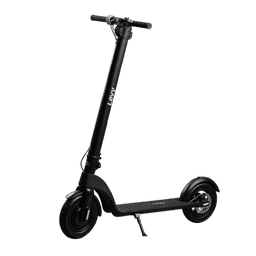
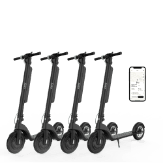
Electric scooters are now available in 626 cities across 53 countries, representing what analysts call "the fastest-growing mode of transport ever documented." Finding an e-scooter is simple through rental apps like Lime, Bird, and Spin operating shared fleets in major cities, or by purchasing from online retailers (Voro Motors, Apollo Scooters), big-box stores (Best Buy, Target, Walmart), or Amazon. Beyond mere availability, e-scooters are fundamentally transforming urban transportation by replacing 100+ million car trips annually (from Lime alone), reducing CO₂ emissions by 40,000+ tons, addressing the critical "first and last mile" transit gap, and creating a projected $300 billion global micromobility market by 2030. Understanding where to find scooters—both rentals and for purchase—and their revolutionary impact on city planning, traffic congestion, and environmental sustainability is essential for anyone considering this transportation mode.
Where to Find Electric Scooter Rentals
Shared electric scooter services operate in hundreds of cities worldwide, making rentals the easiest entry point for first-time riders or travelers.
Major Shared Scooter Companies (2025)
Lime (Leading global operator):
• Cities: 200+ cities in 30+ countries
• Fleet size: 250,000+ scooters globally
• Pricing: $1 unlock + $0.15-0.45 per minute ($9-27/hour typical)
• Notable stats: 450 million trips taken, 100 million car trips replaced, 40,000+ tons CO₂ avoided
• App features: GPS tracking, designated parking zones, ride history, subscription plans
• Top cities: Paris, Los Angeles, San Francisco, Miami, Washington D.C., London, Berlin
Bird (Second-largest U.S. operator):
• Cities: 350+ cities in 40+ countries
• Pricing: $1 unlock + $0.15-0.39 per minute
• Unique features: Bird Pass subscriptions ($5-25/month for reduced per-minute rates), community pricing for low-income riders
• Fleet: Mix of Bird One, Bird Two, and Bird Three models (increasing durability with each generation)
• App: iOS and Android with real-time availability map
Spin (Tier/Dott merger, strong European presence):
• Cities: 100+ cities primarily in U.S. and Europe
• Pricing: $1 unlock + $0.15-0.35 per minute
• Focus: University campuses, mid-size cities, partnerships with public transit
• Sustainability: Claims carbon-neutral operations through renewable energy and offsets
Veo (Growing U.S. operator):
• Cities: 80+ cities, strong in college towns and mid-tier markets
• Pricing: $1 unlock + $0.15-0.39 per minute
• Notable: Sit-down scooter models available in some markets (more comfortable for longer rides)
Regional operators:
• Tier: European focus (Germany, France, Scandinavia)
• Dott: Europe (UK, France, Belgium, Italy)
• Bolt: Eastern Europe and Africa
• Neuron: Australia, New Zealand, Canada, UK
• Beam: Asia-Pacific (Singapore, South Korea, Malaysia)
How to Use Shared Scooter Services
Step-by-step rental process:
1. Download the app:
• Search "Lime" or "Bird" in App Store (iOS) or Google Play (Android)
• Create account with email/phone and payment method (credit card, PayPal, Apple Pay)
• Age verification required (must be 18+ in most cities)
2. Find a scooter:
• Open app and enable location services
• Map displays nearby scooters with battery level indicators
• Walk to selected scooter (app provides walking directions)
• Check scooter condition before unlocking (brakes work, tires inflated, handlebars secure)
3. Unlock and ride:
• Scan QR code on scooter handlebar using in-app camera
• OR manually enter scooter ID number
• Scooter beeps and unlocks (takes 2-5 seconds)
• Kick off to activate throttle (safety feature prevents accidental acceleration)
• Ride in bike lanes when available, follow local traffic laws
4. End ride and park:
• Park in designated scooter parking zone (shown in app)
• Avoid blocking sidewalks, ramps, doorways (can result in fees)
• Take photo of properly parked scooter (required by most apps)
• Tap "End Ride" in app—final cost displayed with receipt emailed
Rental Cost Breakdown and Money-Saving Tips
Typical rental costs for common scenarios:
• 10-minute ride (1 mile): $1 unlock + $2.50 per-minute = $3.50
• 20-minute ride (2 miles): $1 + $5 = $6.00
• 30-minute ride (3 miles): $1 + $7.50 = $8.50
• Daily pass (some cities): $15-25 for unlimited 30-minute rides
Subscription plans save money for regular users:
• Lime Prime: $5.99/month unlocks 10 rides + reduced per-minute rate ($0.28 vs $0.39 typical)
• Bird Pass: $9.99-24.99/month for unlimited unlocks + discounted minutes
• Break-even point: If you take 6+ rides per month, subscriptions usually save money
Cost comparison to alternatives:
• Scooter (2-mile trip): $6
• Uber/Lyft (2-mile trip): $8-15
• Public transit (single ride): $2.50-3.50
• Personal e-scooter (depreciation per trip): $0.50-1.50
Major Cities with Scooter Rentals (2025)
United States (Top 25 cities):
Los Angeles, San Francisco, San Diego, Austin, Miami, Washington D.C., Chicago, Nashville, Atlanta, Portland, Seattle, Denver, Phoenix, Las Vegas, Dallas, Houston, Minneapolis, Detroit, Cleveland, Indianapolis, Columbus, Kansas City, Sacramento, San Antonio, Tampa
Europe:
Paris (15,000+ scooters), Berlin, London, Madrid, Barcelona, Rome, Amsterdam, Brussels, Vienna, Prague, Copenhagen, Stockholm, Oslo, Dublin, Lisbon, Athens, Warsaw
Asia-Pacific:
Singapore, Tokyo (limited), Seoul, Sydney, Melbourne, Auckland, Bangkok, Kuala Lumpur, Tel Aviv, Dubai
Latin America:
Mexico City, São Paulo, Buenos Aires, Bogotá, Santiago, Lima
Where to Buy Electric Scooters for Personal Ownership
Purchasing your own scooter makes economic sense if you ride more than 10-15 times per month, breaking even with rentals in 3-6 months.
Online Specialty Retailers (Best Selection)
Voro Motors (voromotors.com):
• Specialization: Performance and premium scooters
• Brands carried: EMOVE, Kaabo, Inmotion, Vsett, Dualtron, Mantis
• Price range: $799-$6,000+
• Physical locations: California (Los Angeles area), Hawaii, New York
• Advantages: Expert staff, test rides available in stores, comprehensive warranty support
• Best for: Performance enthusiasts, riders wanting premium features
Apollo Scooters (apolloscooters.co):
• Specialization: Direct manufacturer sales (Apollo brand only)
• Models: Apollo City, Phantom, Ghost, Air
• Price range: $799-$2,499
• Advantages: Direct-to-consumer pricing (no middleman markup), excellent customer service, active online community
• Warranty: 2-year comprehensive
• Best for: Urban commuters seeking quality without extreme performance needs
Fluid Freeride (fluidfreeride.com):
• Brands: WePed, Mantis, Horizon, Zero, proprietary Mosquito line
• Price range: $499-$4,000
• Location: Florida-based with extensive online presence
• Known for: Detailed video reviews, responsive customer support
Rev Rides (revrides.com):
• Brands: Segway, Ninebot, Apollo, NIU, Levy
• Price range: $399-$2,500
• Location: Multiple U.S. locations with test ride availability
Big-Box Retailers and Department Stores
Best Buy:
• Brands: Segway, Ninebot, Gotrax, Razor (limited performance selection)
• Price range: $299-$899
• Advantages: In-store pickup, easy returns, Geek Squad support available
• Best for: Budget to mid-range scooters, buyers wanting to see before purchasing
Target:
• Brands: Razor, Gotrax, Segway (basic models)
• Price range: $199-$599
• Advantages: Frequent sales, RedCard 5% discount, convenient locations
• Limitations: Mostly entry-level models, limited expertise from staff
Walmart:
• Brands: Gotrax, Razor, Swagtron, Hover-1
• Price range: $179-$499 (ultra-budget focus)
• Advantages: Lowest prices, widespread availability
• Limitations: Quality varies significantly, limited post-purchase support
Dick's Sporting Goods:
• Brands: Segway, Razor, Swagtron
• Price range: $249-$799
• Seasonality: Best selection spring/summer
Amazon (Widest Selection, Variable Quality)
Advantages:
• Massive selection (500+ models listed)
• Competitive pricing
• Prime shipping (1-2 day delivery)
• Easy return policy (30 days)
• Customer reviews provide real-world feedback
Disadvantages:
• Quality control issues with unknown Chinese brands
• Difficult to verify true specifications (advertised wattage often inflated)
• Limited warranty support for off-brand models
• No expert guidance for selection
Best practices for Amazon purchases:
• Stick to known brands: Segway, NIU, Gotrax, Xiaomi, Levy, Unagi
• Read recent reviews (last 3-6 months) for quality insights
• Verify seller is manufacturer or authorized dealer
• Check return policy carefully (some sellers charge restocking fees)
Direct from Manufacturers
• Segway/Ninebot: segway.com
• NIU: niu.com
• Unagi: unagiscooters.com
• Levy: levyelectric.com
• Xiaomi: mi.com (limited direct U.S. sales, mostly through authorized retailers)
• Kaabo: kaabousa.com (U.S. distributor)
Advantages of direct purchase: Best warranty support, genuine parts, no counterfeit risk
How Electric Scooters Are Transforming Urban Transportation
E-scooters represent more than a trendy gadget—they're reshaping how cities approach transportation planning, infrastructure investment, and environmental policy.
Market Growth and Adoption Statistics
Micromobility market projections:
• 2025 market value: $115 billion globally
• 2030 projection: $300 billion (161% growth)
• Annual scooter trips (2025): 1.2 billion+ globally
• Cities with services: 626 cities in 53 countries
• Growth rate: "Fastest-growing mode of transport ever documented" per Deloitte analysis
Adoption velocity comparison:
• Cars: 62 years to reach 25% household penetration
• Smartphones: 13 years to reach 25% penetration
• E-scooter availability: 5 years to reach 600+ cities (2018-2023)
Replacing Car Trips and Reducing Emissions
Car trip displacement data:
• Lime's impact: 450 million trips taken, replacing approximately 100 million car trips
• NYC Bronx pilot: 1.2 million trips, preventing 275,000 car trips and 100 tons of CO₂
• General replacement rate: Studies show 10-30% of scooter trips replace car trips (varies by city and distance)
• Optimal replacement distance: Trips of 1-3 miles show highest car replacement rates (35-40%)
Environmental impact:
• CO₂ avoided: 40,000+ tons from Lime alone (equivalent to planting 1.8 million trees)
• Per-mile emissions: 20-40g CO₂ (scooter) vs. 400-500g (car) = 90% reduction
• Air quality improvement: Cities with established scooter programs report 2-5% reduction in local traffic emissions
• Noise pollution: Electric motors significantly quieter than combustion engines
Caveat—lifecycle emissions: Manufacturing and redistribution (trucks collecting/recharging scooters) add emissions. Net benefit depends on percentage of car trips replaced and scooter lifespan (longer-lasting scooters = better environmental ROI).
Solving the First and Last Mile Problem
The transit gap challenge:
• Definition: Distance between home/destination and nearest public transit stop
• Average person walks: 0.25-0.5 miles maximum to reach transit
• Impact: 40-60% of people choose driving over transit due to inconvenient first/last mile
• Economic cost: Underutilized public transit systems, increased road congestion
How scooters bridge the gap:
• Effective range expansion: Scooters extend practical transit access radius from 0.5 miles to 2-3 miles
• Time savings: 4-minute scooter ride vs. 15-minute walk = 73% time reduction
• Multimodal trip example: Home → 1.5-mile scooter ride → train → 0.8-mile scooter ride → work (total commute time competitive with driving, no parking costs)
Transit integration initiatives (2025):
• Unified apps: Cities like London, Paris, Singapore offer single apps integrating transit + scooters
• Discounted transfers: Some systems offer reduced scooter rates when combined with transit passes
• Designated scooter parking at stations: Major hubs adding dedicated scooter zones
• Real-time integration: Transit apps showing nearby scooter availability and estimated arrival times
Infrastructure and Urban Planning Changes
Cities are physically adapting to accommodate micromobility:
Dedicated scooter/bike lanes:
• Paris: 1,000 km of dedicated lanes by 2026 (180 km network as of 2024)
• New York City: Expanding protected bike lane network 20% annually to accommodate micromobility
• Montreal: "Réseau Express Vélo" (Express Bike Network) adding 112 miles of protected lanes
• Copenhagen: 382 km of separated bike infrastructure (world leader), scooters permitted
Parking infrastructure:
• Designated parking corrals: Painted zones for scooter parking in high-traffic areas
• Smart parking stations: Some cities installing charging-enabled parking racks
• Geofencing enforcement: Apps prevent ride completion unless parked in designated zone
• Sidewalk clearance rules: Minimum 4-6 feet of clear pedestrian path required
Traffic signal modifications:
• Protected left-turn signals for bike lanes (scooters included)
• Dedicated "bike box" waiting areas at intersections
• Extended crossing times for slower micromobility vehicles
Road design changes:
• "Road diets": Converting 4-lane roads to 3 lanes + bike/scooter lanes
• Car-free zones: Downtown areas restricting cars, allowing bikes/scooters (Barcelona, Madrid, Oslo)
• 15-minute cities: Urban planning concept where daily needs accessible within 15-minute bike/scooter ride
Policy and Regulatory Evolution
Cities have progressed from outright bans to sophisticated regulatory frameworks:
2018-2019: Initial chaos and bans
• Many cities caught off-guard by sudden scooter deployments
• Sidewalk clutter and safety concerns led to emergency bans
• San Francisco, Santa Monica, others imposed moratoriums
2020-2022: Pilot programs and permitting
• Cities developed permit systems limiting operator numbers
• Fleet size caps (e.g., 3,000-10,000 scooters per city)
• Performance metrics required (uptime, maintenance, parking compliance)
2023-2025: Mature regulation and integration
• Permit requirements: Operators pay $25,000-100,000 annually per city
• Fleet quality standards: Minimum vehicle lifespan (12-18 months), swappable batteries
• Data sharing mandates: Real-time trip data shared with cities for planning
• Equity provisions: 20-30% of fleet must be deployed in underserved neighborhoods
• Accessibility requirements: Operators must offer sit-down scooters or adaptive devices
Revenue generation:
• Cities collect $0.10-0.50 per ride (varies by location)
• Los Angeles generated $3.2 million in scooter fees (2023)
• Funds directed to bike lane construction and micromobility infrastructure
Ongoing Challenges and Criticisms
Despite benefits, e-scooters face legitimate concerns:
Safety issues:
• Injury rates: 19-40 injuries per 100,000 trips (higher than biking, lower than motorcycling)
• Common injuries: Fractures, head injuries, road rash
• Helmet usage: Only 10-15% of riders wear helmets
• Alcohol involvement: 30-40% of scooter injuries involve intoxicated riders
Sidewalk obstruction:
• Improperly parked scooters block wheelchairs, strollers, pedestrians
• $50-100 fines for improper parking (user-charged)
• Some cities require photographic evidence of proper parking
Vehicle lifespan and waste:
• Early shared scooters lasted only 1-3 months (current models: 12-18 months)
• E-waste concerns from disposed scooters
• Battery recycling infrastructure still developing
Equity concerns:
• Smartphone and credit card requirements exclude unbanked populations
• Service concentrated in affluent neighborhoods (operators chase profitability)
• Solutions: Cash payment options, community pricing, equity deployment mandates
Future Trends in Urban Micromobility (2025-2030)
Autonomous scooters:
• Self-driving scooters that reposition themselves to high-demand areas
• Eliminates labor-intensive redistribution trucks
• Pilot programs in limited geofenced areas (Singapore, Dubai)
Subscription ownership models:
• Pay $50-150/month for dedicated scooter stored at your home
• Company handles maintenance and battery swapping
• Bridges gap between rental and ownership
Integration with autonomous vehicles:
• Self-driving shuttles + scooters for complete first/last mile solution
• Scooters stored inside autonomous vehicles for seamless handoffs
Improved battery technology:
• Swappable battery standards allowing instant "refueling"
• Solar-assisted charging stations
• Longer-range batteries (40-60 miles) reducing redistribution needs
Smart city integration:
• Traffic signals that detect approaching scooters and adjust timing
• Dynamic bike lane allocation based on real-time demand
• Unified mobility-as-a-service (MaaS) platforms
Conclusion: E-Scooters as Permanent Urban Transportation
Electric scooters have transitioned from novelty to necessity in urban transportation ecosystems. Available in 626 cities worldwide through rental services (Lime, Bird, Spin) with 450 million trips annually, and purchasable from specialty retailers (Voro Motors, Apollo), big-box stores (Best Buy, Target, Walmart), and Amazon, e-scooters offer unprecedented accessibility for short-distance urban travel.
Key takeaways about finding and understanding e-scooters:
• Rentals: Available in most major cities via app ($1 unlock + $0.15-0.45/min), best for occasional use
• Purchase: Makes economic sense after 10-15 rides/month, specialty retailers offer best expertise/support
• Market growth: $300 billion projected by 2030, fastest-growing transport mode in history
• Environmental impact: 90% lower emissions than cars, 40,000+ tons CO₂ avoided annually
• First/last mile solution: Extends practical transit access from 0.5 miles to 2-3 miles
• Urban transformation: Cities adding 1,000+ km of dedicated lanes, redesigning infrastructure
• Challenges remain: Safety concerns, sidewalk clutter, equity gaps require ongoing solutions
Whether renting for a quick trip or purchasing for daily commuting, electric scooters represent a fundamental shift in how cities move people. As infrastructure improves, regulations mature, and technology advances, e-scooters will become even more integrated into the urban transportation fabric—complementing (not replacing) public transit, walking, and biking to create more livable, sustainable cities.