





Why Electric Scooters Shouldn't Operate Below 30 Degrees
Learn why operating electric scooters in below-freezing temperatures can negatively impact battery performance, scooter components, and rider safety, and discover steps for preserving your scooter's lifespan.
As electric scooters become increasingly popular for commuting and recreation, understanding their operational limitations is essential to ensuring a safe, efficient, and long-lasting riding experience. One of the most critical environmental factors affecting electric scooter performance is external temperature. Operating an electric scooter in extremely cold weather, particularly below 30 degrees Fahrenheit (-1 degree Celsius), can negatively impact multiple components of the scooter, diminish performance, reduce battery lifespan, and compromise rider safety.
While electric scooters offer remarkable convenience and eco-friendly transportation, they're not immune to the laws of physics and chemistry that govern battery performance and material properties in cold conditions. Understanding why cold weather poses such significant challenges—and what you can do to mitigate these effects—will help you make informed decisions about when and how to ride during winter months.
Battery Performance Degradation in Cold Weather
The most significant issue with using an electric scooter in below-freezing temperatures is the dramatic impact on battery performance and capacity. Most electric scooters use lithium-ion batteries, which are highly sensitive to cold weather conditions. The fundamental chemistry of these batteries changes substantially when temperatures drop, creating a cascade of performance problems.
How Cold Affects Battery Chemistry: When temperatures drop below freezing (32°F / 0°C), the chemical reactions inside lithium-ion batteries slow down considerably. Cold temperatures reduce the mobility of lithium ions within the battery cells, making it take significantly longer for ions to move between electrodes during both charging and discharging cycles. This reduced ion mobility directly translates to decreased efficiency in converting stored electrical energy into mechanical energy to power your scooter's motor.
Additionally, the electrolytes inside the battery become more viscous and less mobile in cold conditions, further adversely affecting the movement between electrodes. This increased viscosity acts like trying to pour honey versus water—everything moves more slowly and requires more energy.
Quantifiable Performance Loss: The impact of cold weather on battery performance is substantial and well-documented across the electric vehicle industry:
- At temperatures around 14°F (-10°C), an electric scooter battery can lose up to 30% of its efficiency and capacity
- Battery range typically decreases by 20-50% in cold weather compared to optimal conditions
- A battery that delivers 6 to 8 miles of range in normal weather may provide only 2 to 3 miles in freezing conditions
- At 0°F, lithium-ion batteries may operate at only 50% of their rated capacity compared to 80°F conditions
- Different battery chemistries respond differently: lead-acid batteries see capacity drops of about 30% at freezing, LiFePO4 batteries about 15%, and ternary lithium batteries about 20%
This means your scooter's range will be significantly shorter in cold weather, and you may run out of battery power far more quickly than expected, potentially leaving you stranded if you haven't planned accordingly.
Manufacturer Temperature Specifications
Electric scooter manufacturers provide specific temperature range recommendations based on extensive testing of their battery systems and components. Understanding these specifications helps riders make informed decisions about when conditions are suitable for riding.
General Industry Standards: Most electric scooter manufacturers specify optimal operating temperatures between 32°F to 104°F (0°C to 40°C), with the ideal performance window being 59°F to 86°F (15°C to 30°C). Lithium-ion batteries perform best within a narrower range of 68°F to 77°F (20°C to 25°C), where their chemistry operates most efficiently.
Brand-Specific Recommendations:
- Apollo Scooters: Recommend operating between 32°F to 95°F (0°C to 35°C)
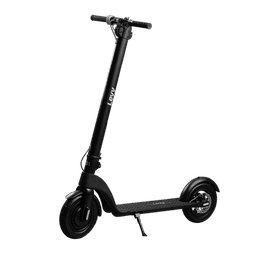
- Levy Electric Scooters: Feature more robust temperature tolerance of 0°F to 115°F (-17.8°C to 46.1°C) due to their double-insulated battery design
- Xiaomi M365: Specifically advise against riding in temperatures below 14°F (-10°C)
- General manufacturer consensus: Usage below 14°F (-10°C) is strongly discouraged across most brands
These manufacturer specifications aren't arbitrary—they're based on the performance characteristics of lithium-ion batteries and the materials used in scooter construction. Operating outside these ranges not only reduces immediate performance but can also cause permanent damage to battery cells and other components.
Critical Charging Considerations in Cold Weather
Perhaps even more critical than riding in cold weather is the danger of charging lithium-ion batteries when they're cold. This is one of the most important cold-weather guidelines that riders must understand to prevent permanent battery damage.
Never Charge Cold Batteries: Charging a lithium-ion battery at temperatures below 32°F (0°C) can cause severe and irreversible damage through a phenomenon called lithium plating. When you charge a cold battery, lithium ions can form metallic deposits on the anode of the battery rather than being properly intercalated into the electrode structure. This lithium plating:
- Permanently reduces the battery's capacity
- Significantly shortens overall battery lifespan
- Creates potential safety hazards including increased risk of thermal runaway
- Can occur even after a single cold-charging incident
Proper Charging Protocol: Always allow your scooter to warm up to room temperature before charging. Ideally, charge your scooter in an environment where temperatures are above 50°F (10°C), and never charge when the battery temperature is below 41°F (5°C). If you've been riding in cold weather, bring your scooter indoors and wait 30-60 minutes for the battery to reach room temperature before plugging in the charger.
Recent battery management systems (BMS) in premium 2024-2025 scooter models include temperature sensors that prevent charging when battery temperature is too low, providing an additional safety layer. However, not all scooters have this protection, so riders must remain vigilant.
Impact on Metal Components and Mechanical Systems
Beyond battery performance, cold weather affects the mechanical and structural components of your electric scooter in several significant ways.
Metal Brittleness: The metal components of your scooter—including the frame, stem, folding mechanisms, and brake systems—can become more brittle and susceptible to damage in cold weather. Metals contract when cold, and this thermal contraction combined with reduced material ductility means that parts may break more easily under stress. Components that would normally flex slightly under impact may instead crack or fracture when subjected to cold temperatures combined with the normal stresses of riding over bumps and rough surfaces.
This increased brittleness leads to several practical concerns:
- Folding mechanisms may become stiff or fail to operate smoothly
- Brake cables and housing can become less flexible, affecting braking responsiveness
- Frame welds and joints experience additional stress from thermal contraction
- Fasteners and bolts may require more frequent inspection and tightening
- Overall maintenance requirements increase during winter months
Tire Pressure and Traction Concerns
Tire performance undergoes significant changes in cold weather, directly impacting safety and ride quality.
Pressure Loss: Tire pressure decreases predictably as temperature drops—approximately 1 PSI for every 10°F decrease in ambient temperature. This means a tire properly inflated to 50 PSI at 70°F might drop to 46 PSI at 30°F, representing an 8% pressure loss. Lower tire pressure negatively impacts multiple aspects of scooter performance:
- Reduced traction and grip, especially when combined with wet or icy surfaces
- Longer stopping distances due to decreased contact patch efficiency
- Diminished handling precision and steering responsiveness
- Increased rolling resistance, further reducing already-compromised battery range
- Greater susceptibility to pinch flats and rim damage from impacts
Rubber Hardening: The rubber compounds in tires also become harder and less pliable in cold weather, further reducing their grip on road surfaces. This effect is particularly pronounced in pneumatic (air-filled) tires, though solid tires also experience some hardening. The combination of reduced pressure and harder rubber compounds creates notably worse traction conditions, especially on surfaces that may be wet, icy, or covered with salt residue.
Best Practices: Check tire pressure before every cold-weather ride and inflate to the higher end of the manufacturer's recommended range to compensate for temperature-related pressure loss. Consider reducing riding speed by 25-30% to maintain safe stopping distances and handling control.
Safety and Comfort Considerations
Operating an electric scooter in cold weather presents numerous safety challenges beyond the technical performance issues already discussed.
Hazardous Road Conditions: Winter brings icy, snowy, and wet road conditions that dramatically increase accident risk. Even light frost or black ice—which may be nearly invisible—can cause complete loss of traction. Salt and sand used for ice treatment create additional traction problems and corrosion concerns. The combination of reduced battery power (limiting your ability to accelerate out of danger), decreased tire grip, and unpredictable surface conditions creates a significantly more dangerous riding environment.
Reduced Visibility: Winter months bring shorter daylight hours, meaning more riding in low-light or dark conditions. Combined with potentially foggy or snowy weather, visibility becomes a major safety concern. Ensure your scooter's lights are functioning properly and consider adding additional reflective elements or auxiliary lighting for winter riding.
Rider Comfort and Control: Personal comfort and the ability to maintain proper control become compromised in cold weather:
- Wind Chill: Even moderately cold ambient temperatures feel much colder when moving at scooter speeds due to wind chill. A 30°F day feels like 19°F when traveling at 15 mph, causing significant discomfort
- Reduced Dexterity: Wearing heavy gloves necessary for warmth reduces finger dexterity and tactile feedback, making it harder to operate throttle, brakes, and other controls with precision
- Bulky Clothing: Heavy winter clothing restricts movement and may interfere with proper riding posture and balance
- Cold-Related Distraction: Discomfort from cold temperatures can distract riders from focusing on road conditions and traffic awareness
Winter Riding Guidelines and Best Practices
If you must ride in cold weather, following proper protocols can help minimize risks and protect your scooter's longevity.
Pre-Ride Preparation:
- Store your scooter indoors in a climate-controlled environment when not in use, ideally between 50°F and 86°F (10°C to 30°C)
- Allow the battery to warm to room temperature before riding if it has been stored in cold conditions
- Check tire pressure and inflate to recommended levels, accounting for cold-weather pressure drop
- Inspect brakes, lights, and all moving parts to ensure they're functioning properly despite the cold
- Plan shorter routes than usual to account for reduced battery range (expect 20-50% range reduction)
Protective Equipment and Clothing:
- Wear thermal, touch-sensitive gloves that provide warmth while maintaining control precision
- Use waterproof, insulated clothing including wind-resistant jackets, pants, and base layers
- Wear insulated, waterproof boots with good tread for better footing when stopped
- Consider full-face helmets or balaclavas for face protection from wind chill
- Use anti-fog treatments on any eyewear or face shields
Riding Technique Adjustments:
- Reduce speed by 25-30% compared to warm-weather riding to maintain control and safe stopping distances
- Increase following distance and begin braking earlier to account for reduced traction
- Avoid sudden acceleration, braking, or turning movements that could cause loss of traction
- Be especially cautious on bridges, overpasses, and shaded areas where ice forms first
- Test brakes gently in safe areas to understand current traction conditions
- Consider walking the scooter through particularly treacherous sections rather than riding
Post-Ride Maintenance and Care
Proper post-ride care becomes especially important during winter months to prevent corrosion and component degradation.
Immediate Post-Ride Actions:
- Wipe down the scooter to remove any salt, slush, snow, or moisture, focusing particularly on the undercarriage, wheel areas, and electrical connections
- Dry the scooter thoroughly with towels before storing indoors
- Allow the battery to warm to room temperature (30-60 minutes) before charging
- Inspect for any salt accumulation or corrosion and clean affected areas immediately
Regular Winter Maintenance:
- Apply appropriate corrosion protection to metal components, especially if road salt is used in your area
- Lubricate moving parts more frequently as cold weather and moisture can break down lubricants faster
- Check and tighten all fasteners regularly, as thermal cycling can cause loosening
- Monitor tire condition closely for any cold-weather damage or unusual wear patterns
Proper Cold-Weather Storage
If you choose not to ride during winter months—often the wisest decision—proper storage is essential to maintaining your scooter's condition.
Storage Environment: Store your scooter in a dry, climate-controlled space with temperatures between 50°F and 86°F (10°C to 30°C). Avoid garages or sheds that aren't heated, as these environments may still expose the scooter to freezing temperatures and high humidity.
Battery Storage Protocol:
- Charge the battery to approximately 50-60% before storage (not fully charged or depleted)
- Disconnect the battery if possible to prevent parasitic drain
- Check battery charge monthly and recharge to 50-60% if it has dropped below 40%
- Never store batteries in freezing temperatures—this can cause permanent capacity loss
Component Protection: Cover the scooter with a breathable cover (not plastic, which can trap moisture), elevate it slightly if possible to prevent flat spots on tires, and ensure all mechanical parts are properly lubricated before storage.
Emerging Cold-Weather Technologies (2024-2025)
The electric vehicle industry is actively developing technologies to address cold-weather performance limitations, and some of these innovations are beginning to appear in premium electric scooters.
Advanced Battery Technologies:
- Solid-State Batteries: Emerging in premium models, these batteries offer 50-100% more energy density, 2,000-3,000 cycle lifespans, and improved cold-weather performance compared to traditional lithium-ion cells
- Wide-Temperature Batteries: Some manufacturers have developed batteries that can operate effectively in temperatures from -22°F to 131°F (-30°C to 55°C) and can charge to 80% in under 6 minutes
- Silicon-Carbon Anodes: New electrode materials that maintain better performance at temperature extremes
Battery Management and Thermal Systems:
- AI-Powered BMS: Advanced battery management systems that optimize performance based on temperature and usage patterns
- Active Thermal Management: Some high-end scooters now include battery heating elements that can pre-warm the battery before riding or charging
- Smart Heat Pump Technology: Systems like Valeo's technology improve energy efficiency in cold weather with minimal battery degradation (0.5% after 5,000 cycles)
- Temperature-Aware Charging Prevention: Modern BMS systems that automatically prevent charging when battery temperature is too low
While these technologies are currently limited to premium models and early adoption phases, they represent the future direction of electric scooter design and suggest that cold-weather performance limitations will gradually diminish in coming years.
When to Avoid Riding: The 30-Degree Rule and Beyond
Given all the factors discussed—battery performance degradation, mechanical component stress, reduced traction, charging risks, and safety concerns—the 30-degree Fahrenheit threshold represents a reasonable guideline for recreational and casual riders.
The 30-Degree Guideline: When temperatures drop below 30°F (-1°C), the combination of battery performance loss, increased safety risks, and potential for component damage makes riding inadvisable for most users. While some hardy commuters may continue riding in these conditions with proper preparation and equipment, recreational riders should consider alternative transportation.
Absolute Limits: At temperatures below 14°F (-10°C), riding should be avoided entirely by all riders. At these extreme temperatures, battery performance becomes severely compromised, materials become dangerously brittle, and the risk of permanent battery damage from even short exposure increases dramatically. Most manufacturers explicitly prohibit operation at these temperatures.
Additional Factors to Consider: Temperature alone doesn't tell the complete story. Also consider:
- Road surface conditions (wet, icy, or snow-covered roads are more dangerous than cold but dry roads)
- Wind chill (a 30°F day with 15 mph winds feels like 19°F)
- Trip length and distance from shelter in case of mechanical issues
- Availability of alternative transportation if battery dies unexpectedly
- Your experience level and comfort with challenging riding conditions
Conclusion: Protecting Your Investment and Safety
Electric scooters represent a remarkable advancement in personal transportation, offering convenience, efficiency, and environmental benefits. However, they are fundamentally limited by the physics and chemistry that govern battery performance and material properties in cold weather. Operating an electric scooter below 30 degrees Fahrenheit introduces a host of challenges that affect not only immediate performance but also long-term durability and rider safety.
The dramatic reduction in battery capacity and range—potentially 20-50% in freezing conditions—combined with the risk of permanent battery damage from cold-weather charging, mechanical component stress, reduced tire traction, and compromised rider comfort creates a compelling case for avoiding electric scooter use in cold weather whenever possible. The 30-degree threshold serves as a practical guideline that balances performance limitations with safety concerns.
For those who must ride in cold conditions, following proper protocols is essential: store the scooter indoors in climate-controlled environments, never charge cold batteries, allow adequate warm-up time, reduce speed and increase stopping distances, wear appropriate protective equipment, and perform more frequent maintenance and inspections. Understanding manufacturer temperature specifications for your specific model and respecting those limits will help preserve your scooter's battery life and prevent unnecessary wear and component damage.
Looking forward, emerging technologies including solid-state batteries, active thermal management systems, AI-powered battery management, and wide-temperature battery chemistries promise to gradually expand the usable temperature range for electric scooters. However, until these technologies become standard across all models, riders must work within the limitations of current lithium-ion battery technology and make informed decisions about when conditions are suitable for safe operation.
Ultimately, to ensure the best possible performance from your electric scooter, preserve battery longevity, maintain component integrity, and provide a safer and more comfortable riding experience, it remains essential to avoid using your scooter in temperatures below 30 degrees Fahrenheit. When temperatures drop, consider alternative transportation, and save your electric scooter for the warmer days when it can perform at its best.