
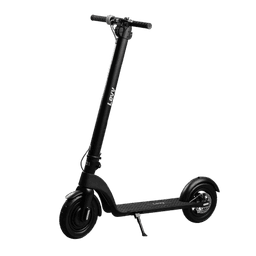





Discovering the Best Electric Scooter Creators of 2023
Explore the top electric scooter creators of 2023- Dualtron, Inokim, Xiaomi, Levy, and many more. Find the ideal balance of performance, design, and value.
Electric scooter turn signals improve visibility communicating lane change intentions through handlebar-mounted amber LED indicators activated by thumb switches or bar-end tapping mechanisms alerting drivers and cyclists to upcoming maneuvers. Understanding built-in integrated turn signal systems versus aftermarket add-on options, wireless versus wired installation complexity, automatic cancellation features preventing forgotten active signals, and legal requirements in jurisdictions mandating directional indicators helps riders enhance safety beyond hand signals that require one-handed riding balance risks particularly problematic during simultaneous braking or rough pavement navigation requiring both hands gripping handlebars.
Turn Signal Types and Systems
Built-In Integrated Systems
- Factory installed: Pre-wired from manufacturer
- Handlebar integration: Controls built into handlebar grips
- Deck/tail lights: Rear-facing turn indicators
- Professional appearance: Clean seamless installation
- Wiring concealment: Hidden cables within frame
- Power source: Draws from main scooter battery
- Premium feature: Found on higher-end scooters
- Reliability: OEM quality and warranty coverage
Aftermarket Bar-End Indicators
- WingLights design: Fits into handlebar ends
- Tap activation: Little finger tap to activate
- Dual function: Turn signals and position lights
- Battery powered: Rechargeable or replaceable batteries
- Installation ease: Simple insertion into bar ends
- Visibility: 360-degree bright amber flashing
- Cost: $30-60 for pair typically
- Compatibility: Requires open handlebar ends
Clip-On Handlebar Indicators
- Mounting: Clamp to handlebars with bracket
- Position flexibility: Adjustable placement
- Control switch: Separate thumb-operated switch
- Wired or wireless: Both options available
- Removal convenience: Can transfer between scooters
- Visibility range: Front and side visibility
- Cost range: $20-80 depending on quality
Remote Control Systems
- Wireless control: Remote mounted on handlebar
- Indicator placement: Lights attach to deck or frame
- Button control: Left/right/hazard buttons
- Signal synchronization: Front and rear coordinated
- Battery configuration: Separate battery pack
- Installation complexity: More involved setup
- Customization: Can position lights optimally
Activation and Control Methods
Thumb Switch Controls
- Location: Left handlebar near thumb
- Button layout: Left arrow, right arrow, hazard
- Operation: Press to activate, press again to cancel
- Familiar interface: Similar to motorcycle controls
- Two-handed riding: Maintain both hands on bars
- Glove operation: Works with thick winter gloves
Tap-Activated Bar Ends
- WingLights method: Tap end with little finger
- Minimal distraction: Quick finger movement only
- Hands remain gripping: No grip release needed
- Tactile feedback: Click confirms activation
- Side-specific: Tap left for left, right for right
- Learning curve: Requires practice to master
Automatic Cancellation
- Timer-based: Turns off after set duration
- Distance-based: Cancels after traveling X meters
- Manual override: Can extend signal if needed
- Prevents confusion: Avoids forgotten active signals
- Advanced feature: Not available on all systems
- Motorcycle standard: Common on motorcycle turn signals
Visibility and Light Output
Brightness Requirements
- Daytime visibility: Must be bright enough for sun conditions
- LED technology: Provides intense bright output
- Amber color: Standard turn signal color internationally
- Flashing pattern: Blinking draws attention better than steady
- Viewing angle: Visible from front, side, and rear
- Distance visibility: Should be seen from 100+ feet away
Flash Rate
- Standard rate: 60-120 flashes per minute typical
- Too fast: Can appear like malfunction
- Too slow: Less attention-getting
- Regulation compliance: May be legally specified
- Battery impact: Faster flashing drains battery quicker
Placement Optimization
- Height consideration: Eye level of car drivers ideal
- Front indicators: Handlebar level or higher
- Rear indicators: Deck level visible to following traffic
- Side visibility: Important for perpendicular traffic
- Obstruction avoidance: Clear line of sight in all directions
Power and Battery Considerations
Integrated System Power
- Main battery connection: Draws from scooter battery
- Minimal drain: LEDs use very little power
- Range impact: Negligible effect on range
- Always available: Works when scooter has charge
- No separate maintenance: No batteries to replace
Battery-Powered Aftermarket
- Rechargeable batteries: USB charging typical
- Replaceable batteries: CR2032 coin cells common
- Runtime: 10-20 hours per charge typically
- Charging frequency: Weekly to monthly depending on use
- Low battery indicator: Some models include warning
- Maintenance task: Must remember to charge/replace
Installation Process
Bar-End Indicator Installation
- Remove bar plugs: Take out existing end caps
- Insert indicators: Push WingLights into openings
- Secure fit: Friction holds in place or rubber strap
- Orientation check: Ensure forward-facing alignment
- Test activation: Verify tap mechanism works
- Time required: 5-10 minutes installation
Clip-On Indicator Installation
- Position selection: Choose handlebar mounting location
- Bracket attachment: Clamp or zip-tie mounting
- Switch mounting: Attach control switch near thumb
- Wire routing: Run cables cleanly along handlebar
- Connection: Link indicators to switch/battery
- Secure cables: Prevent snagging or interference
- Time required: 20-30 minutes for wired systems
Integrated System (Professional Install)
- Frame disassembly: Access internal wiring
- Controller connection: Wire to scooter electronics
- Switch integration: Install handlebar controls
- Light mounting: Secure indicators to frame/deck
- Testing: Verify all functions work properly
- Complexity: Recommended for professionals
- Time required: 1-3 hours depending on scooter model
Legal Requirements and Regulations
Jurisdiction Variations
- No requirement: Many areas don't mandate turn signals
- Motorcycle classification: High-power scooters may require
- Hand signal sufficiency: Traditional signals often acceptable
- Local ordinances: City-specific rules may apply
- Bike lane usage: May have different standards
- Research necessity: Check local regulations before purchase
Signal Standards
- Amber color: Required in most jurisdictions
- Flash rate: Typically 60-120 flashes per minute
- Visibility distance: Often specified as 100-300 feet
- Side visibility: May require 45-degree viewing angle
- Symmetry: Left and right signals must match
- Proper use: Must signal before turns/lane changes
Safety Advantages Over Hand Signals
Two-Handed Control Maintained
- Brake availability: Both hands ready for emergency stop
- Stability: Better balance with both hands gripping
- Rough terrain: Crucial on bumpy or uneven surfaces
- Wind resistance: Maintain control in crosswinds
- Obstacle avoidance: Quick steering reactions possible
Visibility Superiority
- Brighter signal: LEDs more visible than arm
- Night riding: Impossible to see hand signals in dark
- Distance visibility: Seen from farther away
- Driver attention: Blinking lights more noticeable
- Peripheral vision: Catches attention better
- Bad weather: Rain gear obscures arm signals
Consistency and Clarity
- Universal language: Drivers recognize amber signals
- No ambiguity: Clear left vs right indication
- Continuous signal: Stays active during entire maneuver
- Arm fatigue: No tire from holding arm extended
- Professional appearance: More legitimate presence on road
Multi-Modal Commuting Efficiency
Turn signals provide critical safety communication during scooter portions of multi-modal commutes where riders transition between bike lanes, car traffic, and mixed-use paths requiring clear directional intent signaling to diverse traffic participants including drivers, cyclists, and pedestrians. Portable scooters with swappable batteries frequently travel extended routes through varied traffic environments where signaling lane changes and turns via handlebar-integrated indicators maintains both-hand grip control crucial for sudden stops or obstacle maneuvers impossible when extending arm for hand signals, particularly when battery swaps enable longer journeys traversing multiple traffic zones demanding professional vehicle-like communication presence rather than tentative one-handed wobbling while attempting directional arm gestures.
Common Turn Signal Problems
Battery Depletion
- Symptom: Dim or non-functioning lights
- Prevention: Regular charging schedule
- Indicator check: Test before each ride
- Backup plan: Know hand signals as fallback
- Spare batteries: Carry replacements for coin cell types
Loose Mounting
- Vibration loosening: Clamps can work loose
- Bar-end slipping: Indicators can rotate or fall out
- Inspection routine: Check tightness weekly
- Threadlocker: Use on screws for clip-on types
- Replacement straps: Keep extras for bar-end types
Water Ingress
- Weather exposure: Rain can damage electronics
- Waterproof rating: Check IP rating before purchase
- Seal integrity: Ensure gaskets properly sealed
- Drying: Let wet indicators dry before storing
- Corrosion prevention: Apply dielectric grease to contacts
Alternative Safety Signaling
Hand Signals
- Left turn: Left arm extended horizontally
- Right turn: Right arm extended horizontally
- Stop: Arm down with palm facing back
- Legal requirement: Must know even with turn signals
- Backup method: If turn signals fail
- Limitations: Requires one-handed riding
Reflective Vest/Jacket
- Complementary safety: Use with turn signals
- Overall visibility: Makes entire rider more visible
- No directional info: Doesn't indicate turns
- Legal requirement: Mandatory in some jurisdictions
- Night riding: Essential for low-light conditions
Turn Signal Best Practices
Signal Timing
- Early activation: Signal 100 feet before turn
- Maintain signal: Keep active through entire maneuver
- Cancel promptly: Turn off immediately after completion
- Lane changes: Signal before and during merge
- Roundabouts: Signal exit intentions
Visual Verification
- Mirror check: Verify signal visible in mirrors
- Shoulder look: Confirm traffic sees signal
- Eye contact: Make eye contact with drivers when possible
- Don't assume: Signal doesn't guarantee right of way
- Defensive riding: Wait for clear gap even when signaling
Maintenance Schedule
- Pre-ride check: Test function before each ride
- Weekly inspection: Check mounting security
- Monthly cleaning: Remove dirt from lenses
- Battery check: Charge/replace as needed
- Annual replacement: Consider upgrading worn units
Choosing the Right System
For Commuters
- Recommendation: Integrated or bar-end indicators
- Priority: Reliability and weatherproofing
- Budget: $40-100 for quality aftermarket
- Features: Auto-cancellation, bright LEDs
- Installation: Professional install for integrated
For Casual Riders
- Recommendation: Simple clip-on or bar-end
- Priority: Easy installation and removal
- Budget: $20-50 entry-level acceptable
- Features: Basic on/off sufficient
- Installation: DIY friendly
For Performance Riders
- Recommendation: Integrated factory system
- Priority: Aerodynamics and weight
- Budget: Premium scooter with built-in signals
- Features: Multiple light modes, synchronized
- Installation: Factory installed preferred
Making Your Decision
Electric scooter turn signals improve safety visibility through built-in integrated factory systems with pre-wired professional installation, handlebar grip controls, deck/tail rear-facing indicators, clean concealed wiring within frame, main battery power source, OEM quality warranty coverage as premium high-end feature, versus aftermarket bar-end WingLights indicators fitting into handlebar ends with little-finger tap activation, dual turn signal and position light function, rechargeable or replaceable battery power, simple insertion installation, 360-degree bright amber flashing visibility, $30-60 typical cost requiring open handlebar ends compatibility, and clip-on handlebar indicators clamping to handlebars with position flexibility, separate thumb-operated switch control, wired or wireless both available, removal convenience transferring between scooters, front and side visibility, $20-80 cost range. Activation methods include thumb switch controls on left handlebar with left/right/hazard button layout pressing to activate/cancel familiar motorcycle-like interface maintaining two-handed riding working with thick winter gloves, tap-activated bar-end WingLights little-finger tap method with minimal distraction and hands remaining gripping requiring no grip release with tactile click confirmation but learning curve practice needed, and automatic cancellation timer-based or distance-based turning off after set duration/meters with manual override extension preventing forgotten active signal confusion as advanced motorcycle-standard feature.
Visibility requirements include daytime brightness sufficient for sun conditions using LED intense output, amber standard international turn signal color, flashing pattern blinking drawing attention better than steady, viewing angle visible from front/side/rear, distance visibility seen from 100+ feet away, flash rate 60-120 flashes per minute standard avoiding too-fast malfunction appearance or too-slow less attention-getting, and placement optimization at car driver eye-level height with handlebar-level front indicators, deck-level rear indicators visible to following traffic, side visibility important for perpendicular traffic, and obstruction avoidance maintaining clear line-of-sight all directions. Safety advantages over hand signals include two-handed control maintaining brake availability for both-hands emergency stops, better balance gripping stability crucial on rough terrain bumpy or uneven surfaces, crosswind control resistance, and quick obstacle avoidance steering reactions, plus visibility superiority with brighter LED output more visible than arm extension, night riding impossible hand signal seeing in dark, farther distance visibility, driver attention blinking lights more noticeable in peripheral vision, and bad weather rain gear obscuring arm signals.
Legal requirements vary by jurisdiction with no requirement in many areas not mandating turn signals, motorcycle classification high-power scooters potentially requiring, hand signal sufficiency traditional signals often acceptable, local city-specific ordinances, bike lane usage different standards, requiring research of local regulations before purchase, plus signal standards including amber color required most jurisdictions, flash rate typically 60-120 flashes per minute, visibility distance often specified as 100-300 feet, side visibility 45-degree viewing angle requirements, symmetry matching left and right signals, and proper use signaling before turns/lane changes. Common problems include battery depletion causing dim or non-functioning lights requiring regular charging schedule with pre-ride testing and spare coin cell batteries, loose mounting from vibration loosening clamps or bar-end slipping requiring weekly tightness inspection with threadlocker on screws and replacement strap spares, and water ingress from rain exposure requiring waterproof IP rating checking, gasket seal integrity, drying wet indicators before storage, and dielectric grease corrosion prevention on contacts.