





Top Electric Scooters for Heavy Riders: Find Your Perfect Match!
Discover the best electric scooters suitable for heavier riders. Explore our top picks that blend performance, comfort, and high weight capacity for your ideal ride.
Heavy adult riders weighing over 250 pounds face unique electric scooter selection challenges, as many popular models rated for lighter riders compromise safety, performance, and durability when pushed beyond weight limits. Understanding which electric scooters genuinely accommodate heavy riders, what specifications ensure adequate performance, and how weight capacity affects riding experience helps heavier adults find scooters delivering reliable, safe transportation rather than underpowered, struggling machines risking component failure.
Top Electric Scooters for Heavy Riders (300 lbs Capacity)
Apollo City
Apollo City features 31.2 mph tested top speed and Apollo Phantom with an impressive 300 lb capacity are highly recommended options:
- Capacity: 300 lbs
- Speed: 31.2 mph (tested, not just claimed)
- Performance: Maintains speed under load
- Build quality: Robust construction
- Best for: Urban riders at 300 lb limit
Drider King GTR
Drider King GTR with a weight capacity of 300 lbs, is suitable for riders looking for the fastest and strongest ride, featuring 112 miles long ranges on a single charge with a 72V 35Ah battery capacity:
- Capacity: 300 lbs
- Range: 112 miles (exceptional)
- Battery: 72V 35Ah (massive capacity)
- Performance: Fastest and strongest
- Best for: Long-distance heavy riders
iENYRID ES60 and ES10
The iENYRID ES60 is built to accommodate riders up to 300lbs, and the iENYRID ES10 is specifically designed to accommodate riders weighing up to 300lbs with dual robust 1000W motor:
- Capacity: 300 lbs both models
- Motors: Dual 1000W (ES10)
- Design: Specifically engineered for heavy riders
- Performance: Robust power delivery
- Best for: Riders wanting dedicated heavy-duty design
For Riders Over 300 lbs
Apollo Pro
Apollo Pro with its robust build supporting up to 330 lbs, offers an extended range and consistent, powerful acceleration:
- Capacity: 330 lbs
- Build: Exceptionally robust
- Range: Extended distance
- Acceleration: Consistent power under load
- Quality: Premium construction
- Best for: Heavy riders wanting premium quality
Wolf Warrior 11 PRO+
Wolf Warrior 11 PRO+ supports up to 330 lbs and offers advanced suspension for an effortless ride on challenging terrains:
- Capacity: 330 lbs
- Suspension: Advanced system
- Terrain: Handles challenging surfaces
- Power: Dual motor setup
- Best for: Heavy riders tackling rough terrain
Extreme Weight Capacities
Qiewa Q1Hummer
The Qiewa Q1Hummer has a weight limit of up to 550 pounds and can reach speeds of up to 37 mph with a range of approximately 75 miles on a single charge:
- Capacity: 550 lbs (industry-leading)
- Speed: 37 mph maximum
- Range: 75 miles per charge
- Construction: Extreme-duty components
- Best for: Heaviest riders or cargo hauling
Key Features for Heavy Riders
Frame Construction
Scooters engineered with robust and sturdy steel or aircraft-grade aluminum frames are recommended for heavy riders:
- Material: High-strength steel or aircraft aluminum
- Reinforcement: Extra bracing at stress points
- Deck thickness: Heavier gauge materials
- Weld quality: Critical for durability
- Design: Engineered specifically for weight
Motor Power
Dual 2000W-4000W motor power recommended for heavy riders:
- Minimum single motor: 1000W
- Recommended: Dual motors 1000W+ each
- Performance motors: 2000W-4000W total
- Torque: High torque crucial for acceleration
- Hill climbing: Dual motors essential for inclines
Braking Systems
Hydraulic disc brakes or robust mechanical systems are recommended:
- Type: Hydraulic disc brakes preferred
- Size: Larger rotors for more stopping power
- Dual brakes: Front and rear essential
- Stopping distance: Crucial with higher momentum
- Maintenance: Regular inspection critical
Tire Specifications
- Size: 10 inches minimum, 11-12 inches ideal
- Type: Pneumatic for weight distribution
- Pressure rating: Higher PSI capability
- Durability: Reinforced construction
- Tread: Robust pattern for traction
Suspension Requirements
- Heavy-duty springs rated for weight
- Dual suspension (front and rear) essential
- Adjustable damping for rider weight
- Hydraulic systems preferred
- Adequate travel to absorb impacts
Weight Capacity Considerations
Safety Margins
- Minimum margin: 15-25 lbs above rider weight
- Recommended margin: 30-50 lbs headroom
- Cargo consideration: Add backpack, clothing weight
- Dynamic forces: Bumps create momentary excess loads
- Longevity: Operating below max extends life
Real-World Capacity vs Marketing
- Verify independent testing of weight claims
- Marketing specs often optimistic
- Check long-term owner reviews
- Component ratings should match capacity
- Manufacturer reputation matters
Performance Impact of Weight
Speed Reduction
- Expect 10-20% speed reduction at capacity
- Acceleration noticeably slower
- Hill climbing significantly affected
- More powerful motors compensate
Range Impact
- 20-30% range reduction typical
- Higher power consumption under load
- Larger batteries essential
- Plan for reduced real-world range
Component Wear
- Brake pads wear faster
- Tire replacement more frequent
- Suspension components stressed
- Battery cycles may decrease
- Regular maintenance critical
Budget Ranges for Heavy Rider Scooters
Entry-Level ($800-$1,200)
- 300 lb capacity typical
- Single powerful motor
- Basic suspension
- Limited range (20-30 miles)
- Adequate for short commutes
Mid-Range ($1,200-$2,000)
- 300-330 lb capacity
- Dual motors common
- Good suspension
- Extended range (30-50 miles)
- Better build quality
Premium ($2,000-$3,500)
- 330+ lb capacity
- Powerful dual motors
- Advanced suspension
- Long range (50-75+ miles)
- Superior components throughout
Extreme-Duty ($3,500+)
- 400-550 lb capacity
- High-wattage dual motors
- Premium suspension
- Maximum range
- Commercial-grade components
Deck Size and Design
- Width: Minimum 7 inches, 8-9 inches ideal
- Length: Longer for stable stance
- Material thickness: Reinforced construction
- Surface: Aggressive grip tape
- Weight distribution: Low center of gravity
Handlebar Considerations
- Reinforced stem connection
- Wider handlebars for stability
- Robust folding mechanism (if applicable)
- Adjustable height for ergonomics
- Quality grips for control
Battery Requirements
- Minimum capacity: 500Wh for heavy riders
- Recommended: 800Wh-1200Wh
- Voltage: Higher voltage (48V-72V) preferred
- Range compensation: Larger battery offsets weight impact
- Quality cells: Premium batteries last longer
Innovative Solutions for Heavy Riders
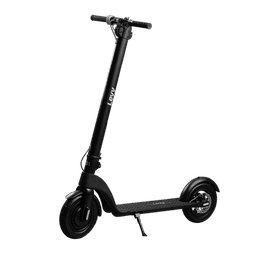
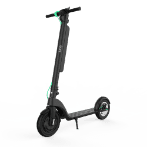
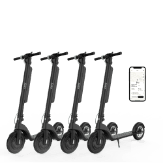
Heavy riders face greater range reduction due to increased power consumption. Levy Electric's swappable battery system offers particular advantages for heavier riders, allowing them to carry a spare battery for instant range doubling without the weight penalty of permanently larger batteries. This flexibility addresses the range anxiety heavy riders commonly experience.
What to Avoid
- Scooters at or below your weight
- Single motors under 750W
- No suspension systems
- Budget brands with no heavy rider focus
- Small tires (under 10 inches)
- Mechanical disc brakes only
- Flimsy folding mechanisms
Making Your Decision
The best electric scooters for heavy adult riders over 250 lbs prioritize weight capacity with adequate safety margin, powerful dual motors maintaining performance under load, and robust construction withstanding higher stress. The Drider King GTR delivers 112-mile range with 300 lb capacity and powerful battery. The Apollo Pro supports 330 lbs with extended range and consistent acceleration. For riders over 400 lbs, the Qiewa Q1Hummer's 550 lb capacity and extreme-duty components provide necessary capability.
Prioritize scooters rated 30-50 lbs above your weight, choose dual motors rated 2000W+ total for confident performance, invest in hydraulic disc brakes for safety, and select models with dual suspension protecting joints and maintaining control. Heavy riders deserve scooters engineered specifically for their needs rather than compromising with inadequate models risking safety and reliability failures.