
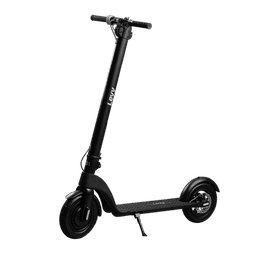

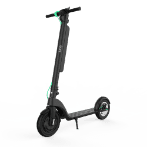




Unveiling the Best NIU Electric Scooter: Find Your Perfect Ride
Explore the pinnacle of urban mobility with the best NIU electric scooter. Discover how NIU KQi3 Pro stands out with advanced tech, sleek design, and safety.
Electric scooter commuting tips optimize daily travel through route planning, safety practices, weather preparation, and maintenance routines ensuring reliable consistent transportation. Understanding bike lane usage reducing injury risk nearly 50% versus sidewalk riding, pre-ride tire pressure and brake checks preventing mechanical failures, 15-20% range buffer accounting for battery degradation and detours, protective equipment including helmets reducing head injury 44% and high-visibility clothing increasing driver awareness, theft prevention through dual locks and indoor storage, and employer facility awareness for charging access and secure parking helps commuters establish sustainable routines where systematic preparation, defensive riding techniques, and weather-appropriate gear transform scooter commuting from occasional convenience into dependable primary transportation replacing car trips with lower-cost environmentally-friendly alternative saving $150-300 monthly vehicle expenses.
Route Planning and Selection
Choosing the Best Path
- Bike lanes preferred: Protected lanes safest infrastructure option
- 50% injury reduction: Dedicated bike infrastructure versus sidewalks
- Smooth pavement priority: Avoid rough roads and potholes
- Well-lit streets: Safety and visibility especially dawn/dusk
- Lower traffic volume: Side streets safer than arterials
- Avoid highways: Illegal and dangerous high-speed roads
- Direct versus scenic: Balance efficiency with safety
Distance and Range Planning
- 15-20% buffer minimum: Don't use full rated range
- Battery degradation factor: Older batteries reduced capacity
- Weather impact: Cold reduces range 20-30%
- Terrain consideration: Hills drain battery faster
- Detour allowance: Road closures and obstacles
- Charging opportunities: Workplace or midpoint top-up
- Backup plan: Public transit option if battery dies
Time Management
- 12-15 mph average speed: Real-world traffic pace
- Stop signs and lights: Add 20-30% travel time
- Rush hour slowdowns: Congestion affects scooters too
- Buffer time essential: 10-15 minutes extra recommended
- Weather delays: Rain and wind slow progress
- First-ride practice: Time route before relying on it
Pre-Ride Inspection Routine
Daily Checks
- Tire pressure: Squeeze test or gauge measurement
- Brake function: Test both front and rear stopping
- Battery charge: Verify sufficient range for trip
- Lights operational: Front and rear visibility check
- Folding mechanism: Secure latch engagement
- Loose bolts: Quick visual and wiggle test
- 2-3 minutes total: Quick but thorough routine
Weekly Inspection
- Tire tread wear: Replace if excessively worn
- Brake pad thickness: 2-3mm minimum remaining
- Frame cracks: Check weld points and joints
- Handlebar tightness: Stem security verification
- Chain lubrication: If chain-drive system
- Cable condition: Fraying or damage check
- Bearing smoothness: Wheel rotation should be easy
Safety Equipment Essentials
Personal Protective Gear
- Helmet mandatory: 44% head injury risk reduction
- CPSC certification: Minimum safety standard required
- Gloves recommended: Hand protection and grip improvement
- Knee/elbow pads: Especially for beginners
- Sturdy shoes: Closed-toe with ankle support
- Avoid sandals/flip-flops: Foot injury risk
- Reflective vest: High-visibility in low light
Scooter Safety Additions
- Bright front light: 300+ lumens for visibility
- Rear red light: Flashing mode increases awareness
- Handlebar mirror: Rear view traffic monitoring
- Horn or bell: Pedestrian warning capability
- Reflective tape: Frame and deck visibility enhancement
- Fenders: Splash protection in wet conditions
Weather Considerations
Rain Riding Strategies
- Waterproof jacket: Stay dry and visible
- Fenders essential: Prevent road spray soaking
- Reduce speed 30%: Wet braking distance increases
- Avoid puddles: Hidden potholes and water damage risk
- Increase following distance: Longer stopping required
- Post-ride drying: Wipe down scooter preventing corrosion
- IP rating check: IP54+ for rain riding capability
Cold Weather Preparation
- Battery warm start: Store indoors before ride
- 20-30% range loss: Cold temperature impact
- Tire pressure increase: +2-3 PSI for cold contraction
- Layered clothing: Windchill significant at 15 mph
- Hand warmers: Glove inserts for comfort
- Ice avoidance: Don't ride on frozen surfaces
- Shorter trips: Battery performs poorly below 20°F
Hot Weather Management
- Morning commute preferred: Cooler temperatures
- Battery heat concerns: 90°F+ reduces lifespan
- Hydration important: Carry water bottle
- Shade parking: Prevent battery overheating
- Tire pressure monitoring: Heat expansion consideration
- Sweat management: Breathable clothing and work shower
Riding Technique and Traffic Rules
Defensive Riding Principles
- Assume invisible: Drivers may not see scooters
- Eye contact critical: Verify driver awareness
- Predictable movements: Signal turns and stops
- Escape route planning: Always know bailout option
- Door zone avoidance: 3-4 feet from parked cars
- Intersection caution: Most accidents happen here
- Right-hook awareness: Vehicles turning across path
Speed and Control
- Match conditions: Slow for pedestrians and traffic
- Both hands on bars: Maintain control always
- No phone use: Distraction extremely dangerous
- Weight distribution: Centered stance for stability
- Look ahead: Scan 20-30 feet forward
- Smooth inputs: Gradual acceleration and braking
- Speed limit compliance: Follow posted scooter limits
Workplace Logistics
Parking and Storage
- Indoor storage ideal: Theft and weather protection
- Desk or office: Many workplaces allow personal storage
- Bike room access: Request permission if available
- Folding advantage: Compact storage under desk
- Building security: Verify policy before assuming allowed
- Lock always: Even indoors, theft prevention
- Elevator access: Stairs difficult with heavy scooter
Charging at Work
- Ask permission first: Don't assume outlet usage okay
- Electricity cost minimal: 10-15 cents per charge
- Charging time: 3-6 hours for full charge
- Partial charging works: Top-up during workday
- Designated area: HR or facilities may establish location
- Fire safety compliance: Some buildings prohibit battery charging
- Shared charger etiquette: Rotate with other riders
Professional Appearance
- Change of clothes: Keep at office or in backpack
- Shower facilities: Ask about building amenities
- Wet wipes backup: Quick freshen-up alternative
- Deodorant essential: Summer commute preparation
- Hair management: Helmet hair solutions
- Shoe storage: Professional footwear at desk
Battery Swap Commuting Advantage
Electric scooters with swappable battery systems transform commuting reliability where battery swap station network enables extended-range commuting beyond single-battery capacity through mid-commute quick 30-second battery exchange, battery swap workplace solution allowing depleted battery charging while riding fresh battery home maintaining consistent daily routine without workplace charging permission required, and commute-distance flexibility from battery availability removing range anxiety enabling spontaneous after-work errands without battery depletion concern. Scooters with swappable batteries particularly suit daily commuters through morning fresh-battery start ensuring full power for commute regardless of previous-evening charging oversight, battery rotation strategy using multiple batteries spreading charge cycles extending total battery lifespan 40-60% versus single battery daily deep discharge, and cold-weather battery management keeping spare battery warm indoors while swapping frozen battery mid-commute maintaining performance where swap capability provides operational flexibility unavailable to integrated-battery scooter commuters.
Theft Prevention
Lock Systems
- U-lock primary: Hardened steel shackle best security
- Cable lock secondary: Secure wheels and accessories
- Dual lock strategy: Two different lock types deters thieves
- $50-100 lock investment: Proportional to scooter value
- Lock to fixed object: Bike rack or immovable pole
- Frame and wheel: Lock both to prevent component theft
- Visible deterrent: Obvious locks discourage opportunists
Parking Location
- High-traffic areas: Visibility deters theft
- Security cameras: Monitored locations preferred
- Well-lit spaces: Night parking visibility
- Avoid overnight: Bring inside whenever possible
- Remove accessories: Lights, phone mounts, bags
- Registration photo: Serial number documentation for recovery
Gear and Accessories for Commuting
Carrying Capacity
- Backpack standard: 15-20L comfortable capacity
- Laptop protection: Padded sleeve or compartment
- Weight distribution: Centered on back, not handlebars
- Handlebar bag option: Small items and phone
- Rear rack addition: Pannier bags for larger loads
- Secure attachment: Prevent shifting affecting balance
- Waterproof bags: Weather protection for electronics
Phone and Navigation
- Handlebar phone mount: GPS navigation viewing
- Vibration dampening: Protect phone camera stabilization
- Waterproof case: Rain protection
- Battery drain consideration: GPS usage significant
- Offline maps: Download route before departure
- Voice navigation: Audio cues safer than looking at screen
Cost Savings Analysis
Transportation Cost Comparison
- Car commute: $200-400/month gas, parking, wear
- Public transit: $75-150/month pass typical
- Scooter electricity: $3-8/month charging cost
- Maintenance: $10-20/month average
- Savings: $150-300/month: Versus car ownership
- Payback period: 6-12 months for $500-800 scooter
- Insurance savings: Possible car insurance reduction
Time Value
- Direct routes: Faster than bus with stops
- No parking search: 5-10 minutes saved versus car
- Traffic bypass: Filter through congestion legally
- Consistent timing: Predictable commute duration
- First/last mile: Solves public transit connection
- Exercise benefit: Light activity during commute
Building Commuting Confidence
Gradual Progression
- Practice route weekend: Learn without time pressure
- Start partial commute: Drive partway, scooter rest
- Fair weather only: Build skills before rain riding
- Backup transportation: Have alternative first few weeks
- Join group rides: Experienced riders share tips
- 3-4 weeks adjustment: Typical comfort development period
Community Resources
- Local scooter groups: Facebook and Reddit communities
- Commuter meetups: Regular group rides
- Route sharing: Others' tested safe paths
- Repair workshops: Learn basic maintenance
- Advocacy organizations: Infrastructure improvements
- Safety courses: Some cities offer free training
Making Your Decision
Electric scooter commuting tips show route planning bike lane usage reducing injury risk nearly 50% versus sidewalk riding with smooth pavement pothole-avoidance priority, well-lit street safety visibility especially dawn/dusk, lower traffic volume side streets safer than arterials, illegal dangerous high-speed highway avoidance, and efficiency-with-safety direct-versus-scenic balance. Distance and range planning requires 15-20% minimum buffer not using full rated range accounting for battery older-battery reduced-capacity degradation factor, 20-30% cold weather range impact, terrain hill faster battery drain consideration, detour road-closure-and-obstacle allowance, workplace-or-midpoint charging top-up opportunities, and public transit backup plan if battery dies. Pre-ride inspection routine includes daily tire pressure squeeze test or gauge measurement, brake both-front-and-rear stopping function test, battery sufficient-range-for-trip charge verification, lights front-and-rear visibility operational check, folding secure latch engagement mechanism, loose bolts quick visual and wiggle test taking 2-3 minutes total quick-but-thorough routine, and weekly tire excessively-worn tread replacement inspection, brake pad 2-3mm minimum remaining thickness, frame weld-points-and-joints crack check, handlebar stem security tightness verification, chain chain-drive-system lubrication, cable fraying or damage condition check, and bearing easy wheel rotation smoothness.
Safety equipment essentials include helmet mandatory 44% head injury risk reduction with CPSC certification minimum safety standard required, gloves recommended hand protection and grip improvement, knee/elbow pads especially for beginners, sturdy closed-toe ankle-support shoes avoiding sandals/flip-flops foot injury risk, reflective high-visibility vest in low light, scooter safety additions with bright 300-plus lumen front light visibility, rear red flashing-mode-increases-awareness light, handlebar rear-view traffic-monitoring mirror, horn or bell pedestrian warning capability, reflective frame-and-deck tape visibility enhancement, and splash-protection fenders in wet conditions. Weather considerations include rain riding waterproof jacket staying dry and visible, fenders road spray soaking prevention essential, 30% speed reduction for wet increased braking distance, puddle hidden-pothole-and-water-damage avoidance, increased longer-stopping-required following distance, post-ride corrosion-preventing scooter wipe-down drying, IP54-plus rain riding capability rating check, cold weather battery warm indoors-before-ride start storage, 20-30% cold temperature range loss impact, tire pressure +2-3 PSI cold contraction increase, layered clothing for significant 15-mph windchill, hand warmer glove inserts for comfort, ice frozen-surface riding avoidance, and shorter trips for battery poor below-20°F performance.