


Best Electric Scooters for College Students in 2026: Campus-Ready Picks

The best electric scooters for college in 2026. We compare portability, price, theft prevention, and campus policies across 8 student-friendly scooters.

4316 words

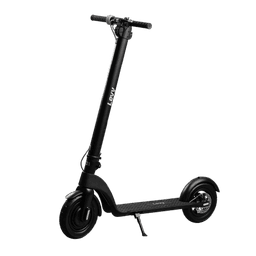
The best electric scooter for college students in 2026 is the Levy Electric Light ($499), thanks to its swappable battery system, lightweight 28-pound frame, and triple braking for safe campus riding. For budget-conscious students, the Gotrax GXL V2 ($227) delivers solid performance at nearly half the price, while the Levy Plus ($499) is the top choice for large campuses with up to 40 miles of range using a spare battery.


Table of Contents


Quick Comparison Table


Scooter Price Weight Range Top Speed Motor Best For
Levy Electric Light $499 28 lbs 10-20 mi 18 mph 350W/700W peak Overall pick
Levy Plus $499 30 lbs 20-40 mi 20 mph 350W Large campuses
Gotrax GXL V2 $227 26.5 lbs 12 mi 15.5 mph 250W Budget pick
Razor E Prime III $389 24.2 lbs 15 mi 18 mph 250W Portability
Hiboy S2 $299 31.7 lbs 17 mi 19 mph 350W Value
TurboAnt M10 Lite $300 30 lbs 15.5 mi 16 mph 350W Rainy climates
Glion Dolly $500 28 lbs 15 mi 15 mph 250W Transit commuters
Segway Ninebot E2 Plus II $319-399 36.2 lbs 16 mi 15.5 mph 300W/500W peak Brand reliability

Levy Electric Light — Best Overall for College Students


The Levy Electric Light earns our top spot because it solves the single biggest problem college students face with electric scooters: running out of battery between classes. Its swappable battery system lets you carry a spare in your backpack and swap it in seconds, effectively doubling your range from 10 miles to 20 miles without waiting hours for a recharge. At 28 pounds, it is light enough to carry up a flight of stairs to your dorm room or fold and stow under a lecture hall seat.


The 350W motor (700W peak) handles the small hills common on many campuses, and the 10-inch pneumatic tires absorb sidewalk cracks and curb transitions smoothly. Three independent braking systems — electronic, disc, and foot — give you reliable stopping power when a pedestrian steps into the bike lane without looking. The 18 mph top speed is fast enough to keep pace with campus cyclists without being dangerously fast in crowded areas.


What really sets the Levy Electric Light apart for students is the security advantage. When you get to class, you can pop the battery out and bring it inside. A scooter without a battery is far less attractive to thieves, and the battery itself charges from any standard wall outlet. At $499, it is a meaningful investment, but the swappable battery system means you will not need to replace the entire scooter when the battery degrades after a few years — just buy a new battery pack.


Levy Plus — Best for Large Campuses


If you attend a sprawling university where buildings are a mile or more apart — think Ohio State, Texas A&M, or the University of Michigan — the Levy Plus gives you the range to handle it. With 20 miles on a single charge and up to 40 miles with a spare swappable battery, you can ride all day across campus, to off-campus housing, to the grocery store, and back without worrying about running out of power. The 20 mph top speed is the fastest on our list, which matters when you have 12 minutes between classes on opposite sides of a 2,000-acre campus.


At 30 pounds and with the same swappable battery design as the Levy Electric Light, the Plus remains portable enough to carry indoors. The extra 2 pounds over the Light model come from the larger battery, which is a worthwhile tradeoff for students who need to cover serious distance. Like the Light, it features triple braking and folds compactly for storage in a dorm room or apartment.


The Levy Plus is also the strongest choice for students who live off campus and commute. A 3-5 mile commute each way, plus riding between classes, can easily eat through 15 miles of range on a typical day. Having 20-40 miles of capacity means you charge every other day instead of every night, which is convenient when you are juggling coursework, a part-time job, and a social life.


Gotrax GXL V2 — Best Budget Pick


At $227, the Gotrax GXL V2 is the most affordable quality electric scooter worth buying for college. It covers the basics well: 12 miles of range handles most small-to-medium campuses for a full day, the 15.5 mph top speed is adequate for campus riding, and the 8.5-inch pneumatic tires provide a comfortable ride over uneven sidewalks. Cruise control is a nice bonus for longer straight stretches, and at 26.5 pounds, it is lighter than most scooters in this price range.


The 250W motor is the main limitation. It will struggle on steep hills and slow down noticeably when climbing grades above 10-15 percent. If your campus is mostly flat — like the University of Illinois, University of Florida, or most Big Ten schools — this will not matter. If you attend a hilly campus like Cornell or the University of Pittsburgh, spend more on a 350W model.


For students who are not sure whether they will actually use an electric scooter regularly, the GXL V2 is the ideal low-risk entry point. At roughly half the price of premium options, it lets you test whether scooter commuting fits your routine before committing to a more expensive model.


Razor E Prime III — Most Portable


Weighing just 24.2 pounds, the Razor E Prime III is the lightest scooter on our list and the easiest to carry one-handed through hallways, up stairs, and onto buses. For students who need to bring their scooter inside every building they enter — whether because of theft concerns or campus policy — every pound matters, and the E Prime III is noticeably easier to lug around than 30+ pound alternatives.


The 15-mile range and 18 mph top speed are solid for a scooter this light, and the 250W motor handles gentle inclines without issue. The folding mechanism is quick and the folded profile is slim enough to lean against a wall in a classroom or slide under a desk. Razor has been making scooters for over two decades, so build quality and customer support are dependable.


The tradeoff is ride comfort. The E Prime III uses smaller wheels than some competitors, which means you will feel more bumps and cracks in the pavement. If your campus has well-maintained paths, this is not a problem. If you are riding on rough urban streets to get to an off-campus apartment, consider a scooter with larger pneumatic tires.


Hiboy S2 — Best Value


The Hiboy S2 delivers an impressive combination of specs for $299: 17 miles of range, 19 mph top speed, and a 350W motor that handles moderate hills. The 8.5-inch solid honeycomb tires are the standout feature for college students — they are physically impossible to puncture. You will never be late to an exam because of a flat tire, and you never need to check tire pressure or carry a pump.


An included cable lock is a thoughtful addition for students on a budget who might otherwise skip buying security accessories. It is not a substitute for a proper U-lock, but it provides basic deterrence for quick stops at the campus coffee shop or library. At 31.7 pounds, the S2 is on the heavier side, which is the main compromise. Carrying it up three flights of stairs to a dorm room will get old fast.


For students who want the power and range of a premium scooter without the premium price tag, the Hiboy S2 hits the sweet spot. The solid tires alone save you money and hassle over the course of four years compared to pneumatic alternatives that eventually need tubes replaced.


TurboAnt M10 Lite — Best for Rainy Climates


If you attend school in the Pacific Northwest, the Midwest, or anywhere that gets frequent rain, the TurboAnt M10 Lite's IP54 water resistance rating sets it apart. While no electric scooter should be ridden through deep puddles, the M10 Lite handles rain, splashing, and wet roads without the water damage risk that cheaper scooters face. The built-in USB charging port is a practical bonus — plug in your phone while riding between classes.


With 15.5 miles of range and a 350W motor, the M10 Lite covers the performance basics well. The 16 mph top speed is moderate but sufficient for campus riding, and 30 pounds is manageable for carrying indoors. At $300, it sits in the value tier while offering weather protection that typically requires spending $100 or more extra on other brands.


Students at universities like the University of Washington, University of Oregon, or any school in Ohio should seriously consider the M10 Lite. Getting caught in a surprise rainstorm is inevitable over four years, and having a scooter rated to handle it means you will not be shopping for a replacement after one bad storm.


Glion Dolly — Best for Transit Commuters


The Glion Dolly was designed specifically for people who combine scooting with public transit, and it shows. When folded, it rolls behind you like a carry-on suitcase and stands completely upright on its own — no leaning it against walls or laying it on the floor of a bus. The folded footprint of just 37 by 12 by 8 inches is the smallest on our list, fitting easily into crowded subway cars, bus aisles, and compact dorm closets.


At 28 pounds with 15 miles of range and a 15 mph top speed, the Dolly covers the fundamentals. The 250W motor is adequate for flat terrain but will struggle on steep hills. Where this scooter excels is the last-mile scenario: ride from your apartment to the bus stop, fold it up, ride the bus to campus, unfold and ride to class. No other scooter on this list handles that workflow as seamlessly.


The $500 price tag is steep for a 250W scooter, and you are paying a premium for the dolly mechanism and self-standing design rather than raw performance. But for students who rely on public transit as part of their daily commute, the convenience factor justifies the cost. You will actually bring it on the bus instead of leaving it locked up at the station.


Segway Ninebot E2 Plus II — Best Brand Reliability


Segway-Ninebot is the largest electric scooter manufacturer in the world, and the E2 Plus II benefits from that scale. It carries both UL 2272 (electrical system) and UL 2271 (battery) safety certifications, which is increasingly important as universities tighten scooter policies — several schools now require UL certification for any scooter stored or charged on campus. If your university has strict safety requirements, this scooter checks every box.


The 300W motor (500W peak) provides solid power, front suspension smooths out rough pavement, and 16 miles of range covers most campus needs. At 36.2 pounds, however, this is the heaviest scooter on our list by a significant margin. Carrying it upstairs regularly is not practical for most students, so this is a better fit if you have ground-floor storage or a secure bike room.


Priced between $319 and $399 depending on the retailer, the Ninebot E2 Plus II offers good overall value backed by a brand with an extensive service network. Finding replacement parts, authorized repair shops, and community support is easier with Segway than with any other scooter brand, which matters when you need your scooter fixed during finals week.


Best-For Quick Picks


  • Best Overall: Levy Electric Light — $499, 28 lbs, swappable battery, triple braking
  • Best Budget: Gotrax GXL V2 — $227, reliable basics at the lowest price
  • Most Portable: Razor E Prime III — 24.2 lbs, easiest to carry between classes
  • Best for Large Campuses: Levy Plus — $499, 20-40 mile range with spare battery
  • Best Value: Hiboy S2 — $299, puncture-proof tires, included cable lock
  • Best for Rainy Climates: TurboAnt M10 Lite — $300, IP54 water resistance
  • Best for Transit Commuters: Glion Dolly — $500, rolls like luggage, stands upright
  • Best Brand Reliability: Segway Ninebot E2 Plus II — $319-399, dual UL certified

Campus Scooter Policies You Need to Know


Before spending a dollar on an electric scooter, check your university's current policy. Campus rules vary wildly — from permissive to outright bans — and they are changing fast as administrators respond to safety incidents and insurance concerns. Getting caught violating scooter policy can result in fines, confiscation, or disciplinary action.


University of Maryland

All electric scooters must be registered with campus transportation services. Helmets are mandatory for all riders regardless of age. Storage in residence halls is restricted to designated areas, and charging is only permitted in approved locations. This is one of the more structured policies and a model that other schools are likely to adopt.


UCLA

Starting Fall 2026, UCLA will require UL certification for any electric scooter ridden or stored on campus. There is a $35 annual registration fee. Scooters without UL certification — which includes many budget models — will not be permitted. If you are heading to UCLA, the Segway Ninebot E2 Plus II with its dual UL certifications is the safest choice from a compliance standpoint.


Washington University in St. Louis

Electric scooters are banned from all sidewalks and campus pathways. Riders must use streets and designated bike lanes only. Charging inside any university building is prohibited. This policy effectively makes scooters impractical for on-campus use unless your route follows streets.


University of North Texas

Charging restrictions are in place across campus due to lithium-ion battery fire concerns. Students may not charge scooters in dorm rooms, classrooms, or common areas. Charging is only allowed in specific outdoor stations. The swappable battery system on Levy scooters is an advantage here — you can charge the small battery pack at home or in permitted areas and simply swap it on campus.


UNC Chapel Hill

As of February 2026, UNC Chapel Hill has loosened its previously restrictive scooter policies. Personal electric scooters are now permitted on campus roads and bike lanes, though sidewalk riding remains prohibited. Check the university transportation website for the latest details, as these rules were recently updated.


University of Portland

As of September 2025, electric scooters are banned from all campus walkways. Riding is only permitted on perimeter roads. Storage rules vary by residence hall. This is one of the more restrictive policies among mid-size universities.


Bottom line: Contact your school's transportation or parking office before buying. Policies are changing semester to semester, and what was allowed last year may not be allowed this year. Ask specifically about riding areas, storage rules, charging restrictions, and whether UL certification is required.


Theft Prevention and Security Guide


Electric scooter theft on college campuses is a serious and growing problem. A lightweight, high-value item left outside in a location filled with thousands of people is an easy target. Here is how to protect your investment.


Fold and Carry — The Best Defense

The single most effective anti-theft strategy is never leaving your scooter outside. Every scooter on our list folds to a portable size and weighs 36 pounds or less. If yours is under 28-30 pounds, bring it inside every building you enter. Lean it against the wall in lecture halls, slide it under your desk in smaller classrooms, and store it in your dorm room or apartment at night. A scooter that is always with you cannot be stolen.


Invest in a Quality U-Lock

When you must lock your scooter outside — at the gym, dining hall, or a building that prohibits bringing it in — use a hardened steel U-lock, not a cable lock. Cable locks can be cut in seconds with basic tools. The Kryptonite Evolution Mini-7 ($50-70) is the best balance of security and portability for scooter riders. Lock through the frame and the folding mechanism to a fixed bike rack. Never lock only through a wheel.


Hide an Apple AirTag

For $29, an Apple AirTag hidden inside the scooter frame or taped under the deck gives you a backup tracking option if your scooter is stolen. It will not prevent theft, but it dramatically increases the chances of recovery. Campus police are far more likely to help recover a stolen scooter when you can show them exactly where it is on a map. Pair it with a small AirTag holder secured inside the stem or under the deck plate.


Remove the Battery

If your scooter has a removable battery — like the Levy Electric Light or Levy Plus — take the battery with you when you lock the scooter outside. A scooter without a battery is significantly less appealing to a thief because it cannot be ridden away and the battery is expensive to replace. This also protects your battery from temperature extremes in hot or cold weather.


Never Leave It Outside Overnight

Most campus scooter thefts happen overnight. Even with a U-lock, prolonged exposure gives a determined thief hours to work on cutting it. Always bring your scooter inside at night, no exceptions. If your dorm does not allow scooter storage in rooms, find a secure indoor alternative — a friend's ground-floor apartment, a campus bike storage room, or a locked garage.


Practical Tips for Riding on Campus


How Much Range Do You Actually Need?

Calculate your daily riding distance before choosing a scooter. A small campus like a liberal arts college typically requires 8-12 miles of daily range. Medium campuses at state universities need 15-17 miles. Large campuses — Big Ten, SEC, and Pac-12 schools — may need 20 miles or more, especially if you live off campus. Buy 30-50 percent more range than your calculated daily need to account for battery degradation over time, cold weather range loss, and unplanned detours.


Charging Strategy

Bring your charger to campus on long days. Most electric scooter chargers are small enough to fit in a backpack, and a two-hour lecture is enough time to add meaningful range. Look for outlets in libraries, student unions, and study lounges. For long-term battery health, keep your battery between 20 and 80 percent charge rather than draining it to zero or charging to 100 percent every time. This can extend battery lifespan by one to two years.


Riding in Bad Weather

If your scooter is rated IP54 or higher, light rain is generally safe for the scooter's electronics. However, wet pavement drastically reduces your braking distance and tire grip. Reduce your speed by at least 30 percent in rain, avoid painted road markings and metal grates (both become extremely slippery when wet), and give yourself triple the normal stopping distance. Wet fallen leaves are as slippery as ice — treat leaf-covered paths with the same caution you would give an icy road. Never ride on actual ice or snow. The tires have no traction, and a fall on ice at even 10 mph can cause serious injury.


Carrying Books and Gear

Always use a backpack with both shoulder straps and, ideally, a chest or hip strap to keep the weight secure against your body. Keep your backpack under 15 pounds to maintain balance and avoid back strain during the ride. Never hang bags from the handlebars — this changes the scooter's center of gravity, makes steering unpredictable, and can cause the bag to swing into the front wheel. If you regularly carry heavy textbooks or a laptop, a backpack with a padded waist belt distributes weight to your hips and makes riding significantly more comfortable.


Dorm and Apartment Storage

A folded electric scooter takes up roughly 3 feet by 1.5 feet of floor space — about the footprint of a small suitcase. The Glion Dolly is the exception, standing completely upright in a corner and taking almost no usable floor space. If your dorm room is tight, store the scooter vertically by leaning it against a wall in the folded position, or use a wall-mounted hook rated for at least 40 pounds. Check your housing agreement for any storage restrictions before move-in day.


Frequently Asked Questions


Are electric scooters allowed on college campuses?

It depends entirely on your specific university. Some schools like UNC Chapel Hill have recently loosened restrictions, while others like the University of Portland have tightened them. Many schools require registration, helmets, or UL safety certification. Contact your school's transportation office for current rules before purchasing. Policies are changing frequently as schools develop frameworks for personal electric vehicles.


Can I charge an electric scooter in my dorm room?

Many universities allow it, but a growing number are restricting or banning lithium-ion battery charging in residence halls due to fire safety concerns. The University of North Texas and Washington University in St. Louis both prohibit indoor charging on campus. Check your residence hall policies specifically — some schools allow charging in common areas but not in individual rooms. Scooters with removable batteries like the Levy Electric Light offer more flexibility because you can charge the small battery pack in permitted locations.


How do I prevent my electric scooter from being stolen at college?

The most effective strategy is to bring your scooter inside with you everywhere. Choose a lightweight, foldable model under 30 pounds so carrying it is practical. When you must lock it outside, use a Kryptonite Evolution Mini-7 U-lock ($50-70) through the frame to a bike rack. Hide an Apple AirTag ($29) inside the frame for tracking. If your scooter has a removable battery, take it with you. Never leave a scooter locked outside overnight on campus.


What is the best electric scooter for a tight college budget?

The Gotrax GXL V2 at $227 is the best budget electric scooter for college students. It delivers 12 miles of range, 15.5 mph speed, pneumatic tires, and cruise control at a price point that is accessible for most students. The Hiboy S2 at $299 is worth the extra $72 if you want more range (17 miles), higher speed (19 mph), and puncture-proof tires that eliminate flat tire hassles.


How far can I ride an electric scooter on one charge?

Scooters on our list range from 10 to 20 miles per charge, but real-world range is typically 70-85 percent of the manufacturer's claim. Hills, rider weight, wind, cold weather, and speed all reduce range. A 165-pound student on flat ground at moderate speed will get close to the advertised range. A 200-pound student riding uphill at full speed in cold weather might get only 60 percent. The Levy Plus offers the best range solution — 20 miles per charge, extendable to 40 miles with a spare swappable battery.


Do I need to wear a helmet when riding an electric scooter on campus?

Some universities mandate helmets regardless of state law — the University of Maryland requires them for all riders, for example. Even where not legally required, wearing a helmet is strongly recommended. Head injuries are the most common serious injury in scooter accidents, and campus riding involves unpredictable pedestrians, car doors opening, and uneven pavement. A basic CPSC-certified bike helmet ($25-40) is adequate. You do not need a motorcycle helmet for scooter speeds under 20 mph.


What happens if it rains while I am riding my electric scooter?

If your scooter has an IP54 or higher water resistance rating, like the TurboAnt M10 Lite, light to moderate rain will not damage the electronics. Reduce your speed significantly, avoid puddles, and brake earlier than normal — wet pavement doubles or triples your stopping distance. Painted road lines and metal surfaces become extremely slippery in rain. After riding in wet conditions, dry your scooter thoroughly and avoid charging until it is completely dry. Scooters without an IP rating should not be ridden in rain at all.


Is an electric scooter faster than walking or biking across campus?

An electric scooter at 15-18 mph is roughly four to five times faster than walking (3-4 mph) and comparable to casual biking (12-15 mph). The real time savings come from door-to-door convenience. Unlike a bike, you fold a scooter and bring it inside — no locking, no walking to and from a bike rack, and no risk of arriving at a full bike rack with nowhere to park. For a typical 10-minute walk across campus, a scooter cuts the trip to 2-3 minutes.


How long do electric scooter batteries last before needing replacement?

Most electric scooter batteries last 300-500 full charge cycles before capacity drops noticeably, which translates to roughly 2-4 years of regular college use. You can extend battery life by keeping the charge between 20 and 80 percent, avoiding extreme temperatures, and not leaving the battery fully depleted for extended periods. Scooters with swappable batteries like the Levy Electric Light and Levy Plus have an advantage here — when the battery finally degrades, you replace just the battery for a fraction of the cost of a new scooter.


Should I buy a new or used electric scooter for college?

Buy new if your budget allows it. Used electric scooters are risky because battery health is difficult to verify, and a degraded battery may only deliver half the advertised range. You also lose warranty coverage, which matters when you depend on the scooter daily. If budget is a constraint, a new Gotrax GXL V2 at $227 is a safer investment than a used $500 scooter with unknown battery condition and wear. The only exception is buying a lightly used scooter from someone you know and trust who can verify the purchase date and usage history.

Ready to Get Started?

Discover the perfect electric scooter for your daily commute.

Explore Our Scooters