





Electric Scooters in Illinois: Do You Need a Driver's License?
No driver's license needed for low-speed electric scooters (under 100 lbs, 10 mph max) in Illinois, but riders must be 18+. Learn 2024 law, age rules, Chicago regulations, and compliance.
In Illinois, you do NOT need a driver's license to operate a low-speed electric scooter (defined as devices under 100 pounds with motors limited to 10 mph maximum speed), but you must be at least 18 years old as of August 2024 under new state legislation. High-speed electric scooters exceeding 10 mph or 100 pounds require a valid Class L or Class M driver's license (motorcycle/moped endorsement), vehicle registration, and liability insurance. The 2024 Illinois law (Public Act 103-0899, effective August 9, 2024) established the first statewide framework for e-scooter regulation after years of inconsistent local rules, clarifying that low-speed scooters operate on roads with 35 mph speed limits or lower (not highways), require riders to be 18+ years old, and prohibit sidewalk riding in most areas. Chicago enforces additional rules for shared rental scooters: 15 mph speed cap, mandatory helmet use, prohibition from sidewalks/Lakefront Trail/The 606/Chicago Riverwalk, and 5 AM-midnight operating hours. Understanding license requirements (none for low-speed under 10 mph, Class L/M license for high-speed over 10 mph), age restrictions (18+ statewide, some suburbs require 16+ with parental consent), registration/insurance obligations (only for high-speed models), where you can legally ride (bike lanes preferred, roads under 35 mph, never sidewalks), and city-specific regulations (Chicago, Naperville, Evanston have unique local ordinances) ensures legal compliance and prevents fines while riding electric scooters in Illinois.
Driver's License Requirements in Illinois
License requirements for electric scooters in Illinois depend entirely on the scooter's speed capability and weight classification.
Low-Speed Electric Scooters: No License Required
Low-speed electric scooters do not require a driver's license in Illinois.
Definition of low-speed electric scooter under Illinois law (effective August 9, 2024):
- Maximum weight: Less than 100 pounds
- Wheel configuration: 2 or 3 wheels
- Design features: Handlebars and floorboard for standing while riding
- Power source: Electric motor combined with human power (kick-assist)
- Maximum speed: Cannot exceed 10 miles per hour
- Age requirement: Operator must be 18 years of age or older
- Road restrictions: Cannot operate on highways with speed limits exceeding 35 mph
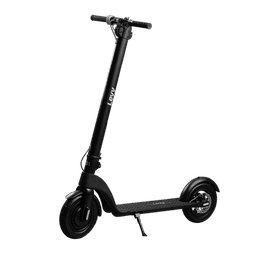
Most popular consumer electric scooters (Xiaomi, Segway Ninebot, Gotrax, Levy, Bird, Lime rental scooters) fall into this low-speed category and require no driver's license to operate in Illinois.
High-Speed Electric Scooters: License Required
High-speed electric scooters require a valid driver's license with motorcycle endorsement.
High-speed scooter characteristics requiring license:
- Speed capability: Motor can propel scooter over 10 mph on flat surface
- Weight: Exceeds 100 pounds (some performance models)
- Motor power: Previously defined as over 1.5 brake horsepower (BHP) or capable of exceeding 30 mph under older regulations
- Required license: Valid Class L (moped) or Class M (motorcycle) driver's license
- Registration: Must be registered with Illinois Secretary of State
- Insurance: Liability insurance required
- Age requirement: Must be old enough to obtain Class L/M license (typically 16+ with restrictions, 18+ for full license)
High-performance models like Dualtron, Kaabo Wolf, NAMI Burn-E, and other scooters capable of 20-60+ mph speeds fall into this category and are legally classified as motor-driven cycles requiring full licensing, registration, and insurance in Illinois.
New Illinois Electric Scooter Law (2024)
Governor Pritzker signed Public Act 103-0899 (SB 1960) into law on August 9, 2024, establishing Illinois's first comprehensive statewide electric scooter regulations.
Background and Purpose
Before 2024, Illinois had no statewide e-scooter framework, creating confusion and inconsistent local regulations.
What the 2024 law accomplished:
- First statewide definition: Created legal definition of "low-speed electric scooter" in Illinois Vehicle Code
- Clarified license exemption: Explicitly stated low-speed scooters do not require driver's licenses
- Set age minimum: Established 18 years as minimum age for operating low-speed scooters statewide
- Defined operational boundaries: Specified where scooters can and cannot be ridden (roads under 35 mph speed limit)
- Municipal authority: Preserved local government authority to impose additional restrictions beyond state minimums
- Safety standards: Set baseline safety requirements applicable across Illinois
Key Provisions of the 2024 Law
Critical requirements under Public Act 103-0899:
- Age restriction: No person under 18 years of age may operate a low-speed electric scooter on Illinois public roads
- Speed limit compliance: Low-speed scooters prohibited on roads with posted speed limits exceeding 35 mph (includes most highways and expressways)
- Weight and speed caps: Device must weigh under 100 lbs and be incapable of exceeding 10 mph to qualify as low-speed scooter
- Traffic law compliance: Operators must follow all applicable traffic laws, signals, and signs
- Local control: Municipalities retain authority to create additional regulations, including prohibiting scooters entirely on certain roads or in certain areas
Age Requirements for Electric Scooters in Illinois
Illinois law mandates riders must be at least 18 years old to operate low-speed electric scooters on public roads.
Statewide Age Requirement: 18 Years Old
The 2024 Illinois law sets 18 as the minimum age for low-speed e-scooter operation.
Age requirement details:
- Statewide minimum: 18 years of age for low-speed scooter operators
- No license needed: Unlike motorized vehicles requiring licenses at 16, scooter age is 18 even without license requirement
- Enforcement: Police can stop and cite riders appearing under 18
- Private property exception: Age restrictions apply to public roads; private property may have different rules set by property owners
Local Age Variations and Parental Consent
Some Illinois municipalities have enacted different age requirements or parental consent provisions.
Local variations:
- Chicago: 18 years old for rental scooters, or 16 years old with consent of parent or legal guardian (for shared scooter services)
- Suburban variations: Several Chicago-area suburbs have adopted e-bike and e-scooter ordinances requiring riders to be 16+ (rather than 18+), sometimes with parental consent requirements for minors
- Higher restrictions: Some municipalities prohibit scooter use entirely or impose stricter age requirements (21+ in certain parks or zones)
Always check local city or village ordinances, as municipalities can impose more restrictive (but not less restrictive) requirements than state law.
Registration and Insurance Requirements
Registration and insurance requirements depend on whether your scooter is classified as low-speed or high-speed.
Low-Speed Scooters: No Registration or Insurance Required
Low-speed electric scooters under 100 lbs and 10 mph do not require registration or insurance in Illinois.
Exemptions for low-speed scooters:
- No vehicle registration: Not required to register with Illinois Secretary of State
- No license plates: No plate display requirement
- No mandatory insurance: State law does not mandate liability insurance for low-speed scooters
- Optional insurance: Riders may choose to obtain personal liability coverage through homeowner's or renter's insurance policies (recommended for high-value scooters)
High-Speed Scooters: Registration and Insurance Required
High-speed electric scooters classified as motor-driven cycles require full registration and insurance.
High-speed scooter requirements:
- Vehicle registration: Must register with Illinois Secretary of State, obtain registration certificate and sticker
- Registration fee: Standard motor-driven cycle registration fees apply (typically $18 for 2-year registration)
- License plate: Must display valid Illinois license plate (moped/motorcycle plate)
- Liability insurance: Must carry minimum liability insurance coverage as required for motor-driven cycles in Illinois:
- $25,000 bodily injury per person
- $50,000 bodily injury per accident
- $20,000 property damage per accident
- Proof of insurance: Must carry proof of insurance while operating scooter, provide to law enforcement upon request
Failure to register or insure high-speed scooters results in traffic citations, fines, and potential impoundment of the scooter.
Where You Can Ride Electric Scooters in Illinois
Illinois law restricts where electric scooters can operate to ensure rider and public safety.
Allowed Riding Locations
Low-speed electric scooters may be operated in these areas:
- Roads with 35 mph or lower speed limits: Most city streets, residential areas, and local roads qualify
- Bike lanes: Preferred riding location when available, scooters should use bike lanes where present
- Shared roadways: May share road with motor vehicle traffic on streets under 35 mph (ride as far right as practical)
- Bike paths and trails: Generally allowed on multi-use paths unless specifically prohibited by local ordinance or posted signage
Prohibited Riding Locations
Electric scooters are prohibited in these areas under Illinois and local laws:
- Highways and expressways: Any road with speed limit exceeding 35 mph (includes interstates, US highways, state routes with high speed limits)
- Sidewalks: Prohibited in most Illinois cities and towns, particularly in downtown/commercial areas and high-pedestrian zones
- Chicago-specific prohibitions:
- Lakefront Trail (pedestrian and bicycle path along Lake Michigan)
- The 606 (elevated Bloomingdale Trail on Chicago's northwest side)
- Chicago Riverwalk (pedestrian walkway along Chicago River)
- All Chicago sidewalks
- City parks (except on designated bike paths within parks)
- Beaches
- Private property: Prohibited on private property without owner permission (parking lots, shopping centers, apartment complexes unless authorized)
Rules of the Road for E-Scooter Riders
E-scooter operators must follow the same traffic laws as bicycles and motor vehicles.
Key riding rules:
- Obey traffic signals and signs: Stop at red lights and stop signs, yield appropriately
- Ride with traffic flow: Travel in same direction as motor vehicle traffic, never against traffic
- Use hand signals: Signal turns and stops using standard bicycle hand signals
- Stay right: Ride as far to the right side of road as safely practical, move left only to pass or turn
- Single file: Ride single file when riding with multiple scooters, never side-by-side on roadways
- Lights required at night: Must have front white light and rear red reflector/light when riding between sunset and sunrise (Illinois bicycle equipment law applies to scooters)
- No impaired riding: Operating e-scooter while intoxicated or under influence of drugs is illegal and subject to DUI penalties
Chicago-Specific Regulations
Chicago, as Illinois's largest city, has implemented comprehensive electric scooter regulations that go beyond state minimums.
Chicago License Requirements
Chicago does not require a driver's license to operate electric scooters.
Chicago scooter licensing:
- No license needed: Riders do not need driver's license for personal or rental e-scooters
- Age requirement: Must be 18 years old, or 16 years old with parental or legal guardian consent (for shared rental scooters)
- Rental verification: Shared scooter companies (Bird, Lime, Spin, etc.) verify age through app registration process
Speed Limits in Chicago
Chicago caps electric scooter speeds at 15 mph citywide.
Chicago speed regulations:
- Maximum speed: 15 mph for all electric scooters (both personal and shared rentals)
- Shared scooter governors: Rental scooters electronically limited to 15 mph through GPS-based speed governors
- Slow zones: Some areas (parks, high-pedestrian zones) may have lower speed limits enforced through geofencing technology
Helmet Requirements in Chicago
Chicago requires helmets for shared rental scooter riders.
Helmet regulations:
- Rental scooters: Mandatory helmet use when riding shared/rental e-scooters in Chicago
- Personal scooters: Helmet not legally required for personal scooter owners, but strongly recommended
- Enforcement: Rental companies include helmet requirement in user agreements; violation can result in account suspension
- Availability: Some rental programs partner with retailers to offer discounted or free helmets to users
Operating Hours for Shared Scooters
Chicago limits shared scooter rental availability to specific hours.
Operating hours:
- Rental availability: 5 AM to midnight daily
- Automatic shutoff: Rental scooters automatically disable at midnight, requiring riders to end trips
- Personal scooters: No time restrictions on privately-owned scooters (can be ridden 24/7 with proper lighting)
Parking and Docking Rules
Chicago regulates where shared scooters can be parked to prevent sidewalk obstruction.
Parking requirements:
- Upright parking: Scooters must be parked upright, not lying on ground
- Clear pathway: Must leave at least 6 feet of clear pedestrian pathway on sidewalks
- No-park zones: Cannot park in building entrances, bus stops, wheelchair ramps, or other designated no-park zones
- Impoundment: Improperly parked scooters may be impounded by city, with retrieval fees charged to rental company
Regulations in Other Illinois Cities
Many Illinois municipalities have adopted their own electric scooter ordinances with varying requirements.
Naperville
Naperville allows electric scooters with specific restrictions.
Naperville regulations:
- Age requirement: Riders must be 16 or older to ride Class 3 e-bikes and high-speed scooters
- Road restrictions: Scooters allowed only on certain roads and paths, prohibited on highways and some busy downtown streets
- Sidewalk prohibition: E-scooters prohibited on public sidewalks throughout Naperville
- License: Some Naperville ordinances have required valid driver's license for operating e-bikes/e-scooters on streets (check current local ordinances)
Evanston
Evanston has participated in shared scooter pilot programs with specific rules.
Evanston scooter rules:
- Shared scooter programs: City has authorized pilot programs with companies like Lime and Bird
- Parking requirements: Strict parking rules to prevent sidewalk clutter, designated parking zones in some areas
- Speed limits: 15 mph citywide for shared scooters
- Operating hours: Typically 5 AM to 10 PM for shared scooters
Springfield
Springfield regulations follow state law with some local variations.
Springfield scooter information:
- State law applies: Springfield generally follows Illinois state regulations (18+ age, no license for low-speed, 35 mph road limit)
- Local ordinances: Check Springfield city code for specific local requirements regarding sidewalk use and parking
- Shared scooters: Limited shared scooter presence compared to Chicago; personal scooter use more common
Other Chicago-Area Suburbs
Chicago suburbs have adopted varying approaches to e-scooter regulation.
Common suburban regulations:
- Age requirements: Many suburbs require 16+ rather than state's 18+ minimum
- License requirements: Some suburbs require valid driver's license despite state exemption for low-speed scooters
- Complete prohibitions: Some municipalities have banned e-scooters entirely on public roads and paths
- Helmet requirements: Several suburbs mandate helmet use for all riders under 18 or all riders regardless of age
Always verify current local ordinances before riding in suburban municipalities, as regulations change frequently.
Helmet and Safety Equipment Requirements
While Illinois state law does not mandate helmets for adult e-scooter riders, many localities require them and safety experts universally recommend helmet use.
State-Level Helmet Requirements
No statewide helmet mandate exists for electric scooter riders in Illinois.
State helmet law:
- No adult requirement: Illinois does not require helmets for adults riding e-scooters
- Local authority: Municipalities can impose helmet requirements through local ordinance
- Rental agreements: Shared scooter companies may require helmets in user agreements (Chicago rental scooters require helmets)
Local Helmet Requirements
Several Illinois cities require helmets for certain riders or situations.
Local helmet mandates:
- Chicago rental scooters: Mandatory for all shared/rental scooter users
- Minors: Some municipalities require helmets for riders under 18
- High-speed scooters: Some jurisdictions require helmets for scooters exceeding certain speeds
Other Safety Equipment
Illinois law requires certain safety equipment for nighttime riding.
Required safety equipment:
- Front light: White light visible from at least 500 feet when riding from sunset to sunrise
- Rear reflector or light: Red reflector or red light visible from at least 600 feet when riding at night
- Reflective material: Reflective clothing or scooter markings recommended for visibility
Recommended safety equipment:
- Helmet: Even when not required, helmets reduce head injury risk by 70%+
- Knee and elbow pads: Protect against abrasions and impact injuries in falls
- Gloves: Protect hands and improve grip in various weather conditions
- High-visibility clothing: Bright colors or reflective vests increase visibility to motorists
- Bell or horn: Alert pedestrians and other road users to your presence
Penalties and Fines for Violations
Violating electric scooter laws in Illinois can result in citations, fines, and other penalties.
Common Violations and Fines
Typical e-scooter violations and associated penalties:
- Riding without required license (high-speed scooters): $75-$150 fine, potential court appearance
- Underage operation (under 18): $50-$100 fine, parental notification, potential confiscation
- Riding on prohibited roads (highways over 35 mph): $75-$200 fine
- Sidewalk riding in prohibited areas: $25-$100 fine (varies by municipality)
- No lights at night: $50-$75 fine
- Operating while intoxicated: DUI charges (same as motor vehicle DUI), potential license suspension, fines up to $2,500, jail time
- Unregistered high-speed scooter: $100-$500 fine
- No insurance (high-speed scooters): $500-$1,000 fine, vehicle impoundment
Law Enforcement Practices
Police enforcement of e-scooter regulations varies by jurisdiction.
Enforcement approaches:
- Education first: Many departments issue warnings for first-time minor violations
- High-traffic areas: Increased enforcement in downtown areas, tourist districts, and high-pedestrian zones
- Complaint-driven: Enforcement often triggered by pedestrian complaints about sidewalk riding or unsafe operation
- Rental scooter focus: Cities with shared scooter programs often focus enforcement on rental users
Choosing a Scooter That Doesn't Require a License
To avoid licensing requirements, choose electric scooters meeting Illinois's low-speed specifications.
Specifications for License-Exempt Scooters
Look for scooters with these characteristics to avoid license requirements:
- Maximum speed: 10 mph or less (electronically limited)
- Weight: Under 100 pounds total weight (including battery)
- Motor power: Typically 250-500 watts for compliance (avoid 1000W+ motors that enable higher speeds)
- Speed limiter: Built-in electronic speed governor preventing speeds over 10 mph
Recommended License-Free Scooter Models
Popular electric scooters that comply with Illinois low-speed requirements:
- Xiaomi Mi Electric Scooter: 15.5 mph max (can be software-limited to 10 mph), 27 lbs, popular entry-level model
- Gotrax GXL V2: 15.5 mph max (requires speed limiting for compliance), 26.4 lbs, affordable option
- Segway Ninebot ES2: 15.5 mph max (software-limitable), 27.5 lbs, reliable brand
- Levy Electric Scooter: 18 mph max (requires limiting), modular battery design
- Razor E Prime Air: 15 mph max, lightweight folding design
Important note: Many consumer scooters have factory speeds of 15-20 mph, exceeding Illinois's 10 mph low-speed limit. To remain license-exempt, these scooters must be electronically limited to 10 mph maximum through software settings or speed limiting devices. Alternatively, riders can voluntarily limit speed through throttle control, though scooters capable of exceeding 10 mph may technically fall into the high-speed category requiring licensing.
High-Speed Models Requiring Licensing
Avoid these types of scooters unless you have Class L/M license, registration, and insurance:
- Dualtron models: Capable of 40-60+ mph, 80-100+ lbs, 3000-6000W motors
- Kaabo Wolf Warrior: 50+ mph, 101 lbs, dual motors
- NAMI Burn-E: 60 mph, 106 lbs, high-performance suspension
- Weped models: 40-50 mph, racing-oriented designs
- Zero 10X and similar: 40 mph, 77 lbs, off-road capable
These high-performance scooters legally require motorcycle licensing, registration, insurance, and may require license plates in Illinois.
Illinois vs. Other States
Illinois electric scooter laws are moderately restrictive compared to other states.
States More Restrictive Than Illinois
States with stricter scooter regulations:
- New York: E-scooters were illegal statewide until 2020; now legal but with strict local variations and license requirements in some areas
- Massachusetts: Requires motorized scooters to be registered and riders to have driver's licenses for most models
- Delaware: Requires registration and licensing for electric scooters exceeding certain power thresholds
States More Permissive Than Illinois
States with more lenient scooter laws:
- California: Allows scooters up to 15 mph without license (higher than Illinois's 10 mph), minimum age 16 (vs. Illinois's 18)
- Texas: No license required for scooters under 30 mph in many jurisdictions, age 16+ in most areas
- Florida: No license required for scooters under 20 mph, age 16+ minimum
- Arizona: Treats e-scooters as bicycles, no license required regardless of speed
States With Similar Requirements
States with comparable regulations to Illinois:
- Michigan: Similar low-speed classification (under 100 lbs, limited speed), no license required
- Ohio: No license for low-speed scooters, similar road restrictions
- Pennsylvania: Low-speed scooters exempt from licensing, similar operational rules
Frequently Asked Questions
Common questions about electric scooters and licensing in Illinois:
Can a 16-year-old ride an electric scooter in Illinois?
No, Illinois state law requires riders to be at least 18 years old to operate low-speed electric scooters on public roads. However, some municipalities (particularly in Chicago for rental scooters) allow 16-year-olds to ride with parental or legal guardian consent. High-speed scooters requiring Class L/M licenses can potentially be operated by 16-year-olds who obtain the appropriate motorcycle license with restrictions.
Do I need a license to rent a scooter in Chicago?
No, you do not need a driver's license to rent and ride shared electric scooters in Chicago. You must be at least 18 years old (or 16 with parental consent), agree to wear a helmet, and follow all Chicago scooter regulations including the 15 mph speed limit and prohibited riding areas.
Can I ride my electric scooter on the sidewalk in Illinois?
No, most Illinois cities prohibit electric scooters on sidewalks, especially in downtown and commercial areas. Chicago explicitly prohibits sidewalk riding citywide. Always check local ordinances, but general rule is scooters belong on roads (under 35 mph), bike lanes, or designated paths—not sidewalks.
Can I ride my scooter on highways in Illinois?
No, Illinois law prohibits low-speed electric scooters on roads with speed limits exceeding 35 mph. This includes most highways, expressways, interstates, and high-speed state routes. Violation can result in fines and safety hazards.
What if I modify my scooter to go faster than 10 mph?
Modifying a scooter to exceed 10 mph reclassifies it as a high-speed scooter, requiring Class L or M driver's license, vehicle registration, and liability insurance. Operating a modified high-speed scooter without proper licensing and registration is illegal and can result in significant fines and penalties.
Do these laws apply on private property?
Illinois scooter laws primarily apply to public roads, paths, and rights-of-way. Private property owners can set their own rules (parking lots, apartment complexes, shopping centers). However, DUI laws and general safety regulations may still apply even on private property.
Do I legally need to wear a helmet in Illinois?
Illinois state law does not require helmets for adult e-scooter riders, but Chicago requires helmets for all rental scooter users, and some municipalities require helmets for minors or all riders. Even where not required, helmets are strongly recommended to prevent serious head injuries.
Can I get a DUI on an electric scooter?
Yes, you can be charged with DUI for operating an electric scooter while intoxicated in Illinois. E-scooters are considered vehicles under Illinois DUI law, and operating one while under the influence of alcohol or drugs carries the same penalties as motor vehicle DUI, including fines up to $2,500, jail time, and license suspension.
Future of Electric Scooter Legislation in Illinois
Electric scooter regulation in Illinois continues to evolve as usage patterns, technology, and safety data develop.
Potential Future Changes
Possible legislative developments:
- Speed limit adjustments: State may increase low-speed threshold from 10 mph to 15 mph to align with national standards and most consumer scooter capabilities
- Age requirement changes: Potential reduction of minimum age from 18 to 16 to match neighboring states and increase youth mobility options
- Statewide helmet mandates: Growing safety concerns may lead to mandatory helmet requirements for all riders or riders under certain ages
- Enhanced infrastructure: Investment in dedicated scooter lanes, parking areas, and charging stations
- Insurance requirements: Potential expansion of insurance requirements to low-speed scooters as usage increases
- Registration systems: Some municipalities may implement registration or permit systems even for low-speed scooters to track usage and improve safety
Advocacy and Stakeholders
Organizations influencing Illinois scooter policy:
- Ride Illinois: Bicycle and micromobility advocacy organization promoting safe scooter infrastructure and reasonable regulations
- Shared scooter companies: Bird, Lime, Spin, and others lobby for favorable regulations allowing expanded service
- Municipal governments: Chicago and other cities advocate for local control over scooter regulations
- Safety organizations: Groups promoting helmet use and rider education programs
Conclusion
In Illinois, you do not need a driver's license to operate a low-speed electric scooter defined as weighing under 100 pounds with maximum speed of 10 mph or less, but you must be at least 18 years old under the 2024 state law (Public Act 103-0899, effective August 9, 2024). High-speed electric scooters exceeding 10 mph or 100 pounds require a valid Class L or Class M driver's license (motorcycle/moped endorsement), vehicle registration with the Illinois Secretary of State, and liability insurance coverage meeting state minimums ($25,000/$50,000/$20,000).
Illinois's 2024 electric scooter legislation established the first comprehensive statewide framework for e-scooter regulation, setting clear definitions, age requirements, operational boundaries, and safety standards while preserving municipal authority to impose additional local restrictions. Low-speed scooters may operate on roads with speed limits of 35 mph or lower (never highways or expressways), must use bike lanes where available, and are prohibited from sidewalk riding in most jurisdictions. Chicago enforces additional regulations for the state's largest scooter market: 15 mph speed caps, mandatory helmet requirements for rental scooters, prohibition from Lakefront Trail/The 606/Riverwalk/sidewalks, and 5 AM-midnight operating hours for shared scooters.
Understanding license requirements (none for low-speed under 10 mph with 18+ age; Class L/M license for high-speed over 10 mph), registration and insurance obligations (only high-speed models require registration/insurance), where you can legally ride (bike lanes and roads under 35 mph preferred, never sidewalks or highways), city-specific regulations (Chicago, Naperville, Evanston, and other municipalities have varying local ordinances), and safety equipment requirements (lights mandatory at night, helmets required for Chicago rentals, strongly recommended for all riders) ensures legal compliance while riding electric scooters in Illinois. Violations can result in fines ranging from $25-$100 for minor infractions (sidewalk riding, no lights) to $500-$1,000+ for serious violations (operating high-speed scooter without registration/insurance), with DUI charges carrying the same penalties as motor vehicle DUI (up to $2,500 fines, jail time, license suspension).
When purchasing an electric scooter in Illinois, choose models weighing under 100 lbs with maximum speeds of 10 mph or less to avoid licensing requirements, or be prepared to obtain Class L/M motorcycle endorsement, register the vehicle, and maintain liability insurance for higher-performance models. As electric scooter technology advances and usage patterns evolve, Illinois regulations may change to adjust speed thresholds, age requirements, helmet mandates, and infrastructure development—stay informed about state and local law updates to ensure continued legal compliance and safe riding practices throughout the Prairie State.