





Understanding the Material Composition of Lime Electric Scooters
Explore Lime electric scooter engineering in depth: 6061-T6 & 7075-T6 aviation-grade aluminum, TIG welding, IP67 waterproofing, 1 kWh lithium-ion batteries, Redwood Materials battery recycling, and comprehensive 2025 technical specifications.
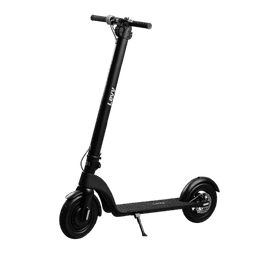
Lime electric scooters, commonly referred to as 'Lime bikes,' represent a carefully engineered transportation solution designed for the demanding environment of shared urban mobility. These scooters must withstand thousands of rides per year, exposure to varied weather conditions, frequent handling by different users, and the mechanical stresses of daily operation. Understanding the sophisticated material choices, engineering decisions, and construction methods that go into Lime scooters provides insight into why these vehicles have become one of the most reliable and durable shared mobility options available in cities worldwide. From the aviation-grade aluminum frames to the weather-resistant battery enclosures, from the carefully selected wheel materials to the sustainable end-of-life recycling programs, every material decision serves multiple purposes: durability, safety, performance, and environmental responsibility. This comprehensive guide explores the complete material composition of Lime electric scooters across their Gen 3, Gen 4, and Gen 4.1 models, examines how these materials contribute to scooter performance and longevity, investigates Lime's sustainability initiatives and recyclability efforts, and provides detailed technical specifications that demonstrate why material selection is critical to shared scooter success.
Aviation-Grade Aluminum Frame Construction
The foundation of every Lime scooter is its aluminum frame, which serves as the structural backbone supporting all other components while enduring constant mechanical stress. Lime utilizes aviation-grade aluminum (also referred to as aerospace-grade aluminum) for frame construction—the same material categories used in aircraft manufacturing where strength-to-weight ratios, corrosion resistance, and structural reliability are absolutely critical.
Why Aviation-Grade Aluminum? This material classification typically refers to aluminum alloys in the 6000 and 7000 series (such as 6061-T6 or 7075-T6) which offer exceptional properties: Strength-to-weight ratio is outstanding—aluminum provides structural rigidity comparable to steel while weighing approximately one-third as much, allowing scooters to be sturdy yet manageable. Corrosion resistance is inherent—aluminum naturally forms a protective oxide layer preventing rust and degradation when exposed to moisture, salt, and environmental elements common in urban environments. Fatigue resistance is excellent—aviation-grade aluminum alloys can withstand millions of stress cycles (vibrations, impacts, weight loading/unloading) without developing structural cracks or failures. Workability and formability allow complex frame geometries to be manufactured precisely while maintaining consistent material properties throughout the structure.
Lime Gen 3 Frame Specifications: The Gen 3 scooter, introduced in October 2018, represented a significant advancement in frame construction with a substantially more robust aluminum frame compared to earlier generations. This new model featured larger wheels, built-in suspension, and an aluminum frame specifically engineered to combat vandalism and extend vehicle life. The complete scooter weighs approximately 36 pounds (16.3 kg), with the aluminum frame comprising a significant portion of this weight while providing exceptional structural integrity. The frame design eliminated external wiring and cables—all electrical connections run internally through the frame structure, protecting wiring from damage, tampering, and weather exposure while creating a cleaner aesthetic. Frame geometry was optimized for stability and handling—the low center of gravity design improves balance and reduces tip-over incidents during parking or riding.
Lime Gen 4 and Gen 4.1 Frame Enhancements: The Gen 4 scooter, first launched in Paris in 2020 and subsequently rolled out globally, refined the aluminum frame design with additional focus on stability and durability. By 2025, over 35,000 Gen4 scooters have been deployed across more than 30 cities worldwide, including major markets such as London, New York, Washington D.C., Munich, Berlin, and San Francisco. The Gen 4.1 model represents further refinements based on two years of operational learning from the Gen 4 platform. The weather-resistant aluminum frame features a double kickstand system integrated into the frame design that keeps the scooter upright when parked, reducing damage from falls and improving fleet presentation. The frame's low center of gravity and wider footboard were further optimized, enhancing stability during operation and reducing rollaway incidents when parked on inclined surfaces. Structural reinforcements at high-stress points (stem connection, deck junction, rear wheel mounting) extend frame lifespan under intensive shared-use conditions.
Frame Durability in Real-World Conditions: Aviation-grade aluminum frames demonstrate exceptional longevity in shared scooter applications. Lime reports that modern frames withstand 2-4 years of intensive shared use (thousands of rides annually) without structural failures. Corrosion resistance proves critical in coastal cities with salt air exposure and northern climates where road salt is used during winter—aluminum frames show minimal degradation even after years of exposure. Impact resistance handles common incidents like tipping over, minor collisions, and rough handling without permanent deformation or structural compromise.
Deck Platform: Grip, Strength, and Rider Safety
The deck—the platform where riders stand—must balance multiple requirements: structural strength to support rider weight (up to 300+ pounds on some models), slip resistance to prevent accidents in wet or dry conditions, comfort for extended riding, and durability to withstand constant foot traffic and environmental exposure.
Deck Material Composition: Lime scooter decks utilize a combination of aluminum structural base with reinforced composite materials and textured grip surfaces. The aluminum base integrates with the main frame structure, providing load-bearing capacity and maintaining structural rigidity under rider weight. Reinforced materials (often fiber-reinforced composites or high-strength polymers) overlay the aluminum base, adding impact resistance, vibration damping, and protection against wear. The textured surface treatment creates grip—raised patterns, rubberized coatings, or specialized grip tape materials provide traction even when wet.
Deck Surface Engineering: The textured surface serves multiple safety functions. In dry conditions, the texture prevents foot slippage during acceleration, braking, and turning. In wet conditions (rain, morning dew, puddles), the texture channels water away from foot contact points and maintains sufficient friction to prevent dangerous slipping. The texture pattern is optimized to provide grip without being so aggressive that it damages shoes or creates uncomfortable pressure points during extended rides.
Deck Size and Weight Capacity: Lime Gen 4 scooters feature wider footboard platforms compared to earlier generations, providing increased stability and accommodating various foot sizes and riding stances more comfortably. The aluminum-reinforced construction supports weight capacities typically in the 200-300 pound range depending on model specifications, with safety factors built in to ensure structural integrity even under dynamic loads (hitting bumps, sudden braking, single-foot standing). Deck flex is minimized through structural design—excessive flex creates an unstable feeling and can indicate structural weakness, while properly engineered decks feel solid and confidence-inspiring.
Wheel and Tire Materials: Balancing Comfort and Durability
Wheel and tire selection dramatically impacts ride quality, maintenance requirements, and overall scooter performance. Lime has utilized different tire technologies across their scooter generations, each with distinct material advantages and trade-offs.
Air-Filled Pneumatic Tires: Earlier Lime models and some current configurations use air-filled pneumatic tires constructed from rubber compounds with fabric reinforcement layers. Air-filled tires provide superior ride comfort by absorbing impacts from cracks, potholes, and uneven pavement—the compressible air acts as natural suspension. Traction is excellent—soft rubber compounds conform to road surfaces providing grip in various conditions. However, pneumatic tires present maintenance challenges in shared fleet applications: puncture vulnerability from glass, nails, and debris creates service calls and vehicle downtime, pressure maintenance requirements mean tires gradually lose air and require regular inflation to maintain optimal performance, and sidewall damage from curb impacts can cause rapid deflation or blowouts.
Solid Rubber Tires: Many Lime Gen 3 and Gen 4 scooters utilize solid rubber or foam-filled tires that eliminate air entirely. These tires are constructed from dense rubber compounds or polyurethane materials engineered to provide some cushioning while remaining puncture-proof. The advantages in shared fleet operations are significant: zero flat tire incidents—completely eliminating this major maintenance issue and vehicle downtime, no pressure maintenance—tires perform consistently without requiring air pressure monitoring or inflation, and extended service life—solid tires typically last longer than pneumatic tires in urban environments with debris.
The trade-offs include somewhat firmer ride quality compared to air-filled tires, though modern solid tire compounds have narrowed this comfort gap significantly. Lime's decision to use solid tires on many fleet scooters reflects the practical realities of shared mobility—minimizing maintenance and maximizing vehicle availability often outweighs marginal comfort differences.
Wheel Rims and Construction: Wheel rims are typically constructed from aluminum alloy or reinforced nylon composite materials. Aluminum rims provide structural strength, heat dissipation for braking systems, and long-term durability. Composite rims offer lighter weight and corrosion resistance but may have lower strength for heavy-duty applications. Rim design includes provisions for brake mounting (disc brakes or drum brakes depending on model), secure tire mounting, and bearing housing for smooth rotation.
Battery and Motor Housing: Weather-Resistant Enclosures
The electrical components—battery pack, motor controller, wiring harnesses, and sensors—represent the most vulnerable and expensive components in electric scooters. Protecting these systems from water, dust, impacts, and temperature extremes is critical for reliability and safety in shared fleet applications.
IP67 Waterproofing Standard: Lime's Gen 3, Gen 4, and Gen 4.1 scooters feature IP67 rated waterproofing for battery and electrical enclosures—a significant engineering achievement for shared mobility vehicles. The IP (Ingress Protection) rating system defines protection levels: The first digit (6) indicates complete dust protection—no dust ingress whatsoever even in dusty environments or during extended exposure. The second digit (7) indicates water protection against temporary immersion—the enclosure can withstand immersion in water up to 1 meter depth for up to 30 minutes without water entering sensitive compartments.
This IP67 rating means Lime scooters can handle: Heavy rain and wet weather riding without risk of electrical system damage or shorts, puddles and water crossings during normal urban riding, hosing and cleaning operations during fleet maintenance, and high-humidity environments in coastal or tropical cities.
Enclosure Materials: Battery and motor enclosures utilize impact-resistant polymer materials (often reinforced nylon, ABS plastic, or specialized composites) combined with rubber gasket sealing systems. The polymer housings provide structural protection against impacts from drops, collisions, and rough handling while remaining lightweight compared to metal alternatives. Gasket seals create watertight barriers at all enclosure seams, connector entry points, and access panels—these rubber or silicone seals compress when enclosures are assembled, creating barriers that prevent water and dust ingress. Connector seals protect electrical connection points—every wire entering battery or controller enclosures passes through sealed glands that maintain waterproofing while allowing electrical conductivity.
Battery Construction and Materials: Lime scooters use lithium-ion battery packs with sophisticated Battery Management Systems (BMS). The battery cells themselves are housed in weather-resistant enclosures integrated into the scooter deck or stem area. Lime batteries are notably heavier than standard scooter batteries—weighing 15-25% more due to robust construction, reinforced enclosures, advanced BMS systems, and weatherproofing materials. This additional weight investment pays dividends in reliability and safety.
Revolutionary Battery Technology: Lime's Gen 4 platform introduced a groundbreaking nearly 1 kWh battery—more than double the capacity of their previous 0.46 kWh design. This high-capacity battery maintains similar form factors to earlier models while dramatically extending operational range and vehicle uptime. The enhanced battery design delivers sustained power output throughout extended ride sessions while maintaining optimal thermal management through sophisticated BMS monitoring. Battery packs are swappable and interchangeable between e-bikes and e-scooters in Lime's fleet, improving operational efficiency and reducing the total number of battery variants required for fleet management. This standardization allows Lime operations teams to simply replace dead batteries on any Gen 4 e-bike or e-scooter, reducing van trips and saving energy otherwise required for transporting heavy vehicles back to charging stations.
Battery Longevity and Performance: Lime's robust battery construction and advanced BMS systems enable exceptional operational lifespans. The batteries in Lime's bikes and scooters typically last 5 to 7 years or 500 charge cycles—substantially longer than many personal scooter batteries that may degrade significantly after 300-400 cycles. The swappable battery design also improves vehicle availability for riders and reduces the number of uncharged, unusable vehicles on sidewalks—a persistent problem with earlier scooter generations that required entire vehicles to be collected for charging.
Motor Protection: Electric motors are sealed within housings that protect against water and dust while allowing heat dissipation during operation. Hub motors (integrated into wheel hubs on many models) are particularly well-sealed since they're exposed to road spray and debris. Motor housings typically feature rubber seals around the axle where the wheel rotates, preventing water ingress while maintaining smooth bearing operation.
Internal Cable Protection: Unlike earlier scooter generations with external wiring vulnerable to damage, Lime Gen 3 and later models route all electrical cables internally through the aluminum frame structure. This design choice provides multiple benefits: physical protection from crushing, cutting, or pulling, weather protection from rain and moisture exposure, tamper resistance making it difficult to access or manipulate wiring, and aesthetic improvement creating a cleaner, more professional appearance.
Braking System: Materials for Reliable Stopping Power
Reliable braking systems are critical safety components, and material selection directly impacts braking performance, maintenance requirements, and longevity.
Lime Gen 4 Dual Braking System: Gen 4 scooters feature dual braking systems with hand controls for both brakes, providing quicker braking response and improved stopping performance. In testing on wet surfaces, Gen 4 scooters demonstrated the ability to stop in half the distance of leading competitors—a testament to superior brake design and material selection.
Disc Brake Components: Many Lime scooters utilize disc brake systems with the following material composition: Brake rotors (discs): Constructed from steel alloys that resist warping under heat, provide consistent friction surfaces, and withstand thousands of braking cycles without significant wear. Brake pads: Utilize semi-metallic or organic friction materials that grip the rotor surface to create stopping force—materials are selected to balance stopping power, minimal rotor wear, acceptable noise levels, and performance in wet conditions. Hydraulic or cable systems: Hydraulic brake systems use sealed fluid lines and pistons to transfer lever force to brake pads—materials include rubber brake lines, aluminum or steel pistons, and brake fluid reservoirs. Cable brake systems use steel cables within protective housings to mechanically actuate brake calipers.
Regenerative Braking Systems: Some Lime models incorporate regenerative braking that recovers energy during deceleration and returns it to the battery. This system uses electronic motor control rather than friction materials, extending brake pad life while improving efficiency. Motor controller electronics manage the regenerative braking force, coordinating with friction brakes to provide smooth, powerful stopping.
Security and Anti-Theft Materials
As shared mobility devices operating in public spaces, Lime scooters incorporate sophisticated security features utilizing specialized materials and components.
Bluetooth LimeLock Technology: Every Gen 4 and Gen 4.1 e-scooter is equipped with a Bluetooth-enabled LimeLock—an integrated security system that allows the scooter to be securely tethered to bike racks, street furniture, or other permitted infrastructure. The LimeLock mechanism incorporates hardened steel cable or U-lock components resistant to cutting tools commonly used in theft attempts. Electronic locking mechanisms use weather-sealed actuators and tamper-resistant housings that prevent unauthorized access to locking components. Bluetooth connectivity allows users to engage and disengage locks through the Lime mobile app, while also providing fleet management capabilities for parking compliance and theft prevention.
GPS and Tracking Hardware: Embedded GPS modules utilize weather-resistant electronic components and sealed antenna assemblies that maintain reliable satellite connectivity even in challenging urban canyon environments. Tracking hardware is strategically positioned within the scooter frame, protected by tamper-evident enclosures that alert fleet managers to unauthorized access attempts. Cellular connectivity modules feature ruggedized construction meeting industrial temperature and vibration specifications.
Anti-Vandalism Design: Material choices throughout Gen 4 scooters specifically address vandalism concerns common in shared fleet operations. Internal cable routing eliminates exposed wiring that could be cut or damaged. Recessed fasteners and security screws prevent casual disassembly or component theft. Impact-resistant display covers and control housings withstand intentional damage attempts while protecting sensitive electronics.
Handlebar, Stem, and Control Components
Handlebar Materials: Handlebars are typically constructed from aluminum alloy tubing or steel tubing depending on strength requirements and cost considerations. Aluminum handlebars offer lighter weight and corrosion resistance. Steel handlebars provide maximum strength and durability, particularly important for shared scooters experiencing frequent impacts. Handlebar grips use rubber or foam materials providing cushioning, vibration damping, and slip-resistant surfaces even when wet.
Stem and Folding Mechanism: The stem connecting handlebars to the front wheel/deck represents a critical structural component experiencing significant stress during riding. Materials typically include steel or reinforced aluminum alloys for maximum strength at this high-load connection point. Folding mechanisms (if present) incorporate steel pins, latches, and locking systems engineered to withstand thousands of fold/unfold cycles while maintaining secure connections during riding. Many Lime fleet scooters use non-folding stem designs, eliminating the folding mechanism as a potential failure point and improving overall structural integrity for shared use applications.
Display and Control Materials: Gen 4 scooters feature an LED screen that informs riders of battery level and geofenced zones, protected by impact-resistant polycarbonate covers and sealed housings that meet IP67 waterproofing standards. Control buttons and throttle mechanisms use weatherproof electronic components with sealed housings protecting sensitive electronics from moisture and dust. Throttle controls typically use hall effect sensors or potentiometers sealed within weather-resistant housings, with rubber or silicone covers protecting user interface points. LED lighting systems (headlights, taillights, status indicators) use sealed assemblies with polycarbonate lenses protecting LED arrays while allowing light transmission.
Fasteners, Hardware, and Small Components
The quality of fasteners, bolts, and small hardware components significantly impacts long-term durability and maintenance requirements.
Corrosion-Resistant Fasteners: Lime scooters utilize stainless steel or zinc-plated steel hardware throughout the assembly to prevent rust and corrosion. Stainless steel bolts, nuts, and screws resist corrosion even in harsh weather conditions, ensuring components can be disassembled for maintenance even after years of exposure. Thread-locking compounds are applied to critical fasteners during assembly, preventing vibration-induced loosening that could compromise safety or create maintenance issues. Security fasteners with specialized drive patterns prevent unauthorized disassembly and component theft.
Bearing Materials: Wheel bearings, steering bearings, and folding mechanism bearings (if present) typically use sealed ball bearings with steel balls, steel races, and rubber or metal shields preventing dirt and moisture ingress. Quality bearing selection and sealing dramatically extends service intervals and reduces maintenance requirements in shared fleet applications.
Kickstand Materials: The Gen 4 double kickstand system uses steel or aluminum construction with spring mechanisms that automatically deploy when scooters are parked. Robust kickstand design prevents tip-overs that damage scooters or create hazards for pedestrians, while durable materials ensure reliable operation through thousands of deployment cycles.
Sustainability: Recyclable Materials and Environmental Impact
Lime has made significant commitments to sustainability, environmental responsibility, and circular economy principles—material selection and end-of-life planning are central to these initiatives.
Recyclable Material Content: Lime's latest e-scooter designs incorporate components that are fully recyclable and can achieve 100% landfill diversion at end-of-life. Aluminum frames are infinitely recyclable—aluminum can be melted and reformed repeatedly without degradation of material properties, making frame recycling both environmentally beneficial and economically viable. Copper wiring, steel components, and many electronic materials are also recyclable through established recycling streams. Lime's repair and reuse program enables recycling of 97% of materials used in e-scooters at their end-of-life through partnerships with specialized recycling facilities and material recovery operations.
Comprehensive Battery Recycling Partnerships: In April 2025, Lime entered into an exclusive agreement with Redwood Materials—a leading battery recycling company—to develop a circular battery recycling program across all Lime operations in the United States, Germany, and the Netherlands. This partnership ensures lithium-ion batteries from decommissioned scooters and e-bikes are properly recycled rather than entering landfills. Lime sends batteries that have reached their end of life to Redwood's facilities in Nevada, where the company determines how much of the battery—from cabling to plastics and metals—is reusable. Redwood Materials recovers valuable materials including lithium, cobalt, nickel, and copper from used batteries, reprocessing these materials for use in new battery production. This closed-loop approach reduces mining requirements for virgin materials, decreases environmental impact of battery production, and ensures hazardous battery materials are handled safely rather than becoming environmental contamination.
Additionally, in September 2025, Lime partnered with Call2Recycle Canada to recover and recycle batteries from Lime's fleet of e-bikes and e-scooters across Canada, expanding the company's battery recycling footprint to North American operations. Lime also maintains existing partnerships with Gomi in the U.K. and VoltR in France and other European countries to repurpose viable battery cells for secondary applications, such as consumer electronics, giving batteries a second life before eventual recycling. With "hundreds of thousands of batteries" that will eventually reach end of life, Lime's multi-partner approach ensures comprehensive coverage and responsible material handling at scale.
Extended Vehicle Lifetime: One of the most impactful sustainability strategies is simply making scooters last longer—reducing the frequency of vehicle replacement directly reduces manufacturing environmental impact. Lime has successfully extended scooter operational lifespans from early generations lasting months to current models operating for 2-4 years in intensive shared fleet service. This improvement comes from superior material selection (aviation-grade aluminum, weather-resistant enclosures, quality components), robust engineering design, improved weatherproofing (IP67 ratings), and sophisticated maintenance programs that repair and refurbish scooters rather than prematurely retiring them. The modular construction of Gen 4 and Gen 4.1 scooters, developed with improvements based on years of operational learning, allows for more efficient maintenance and component replacement, further extending vehicle service life.
Carbon Emissions Reduction: Lime has reduced Scope 1, 2, and 3 emissions by 59.5% over five years from its 2019 baseline—a remarkable achievement reflecting improvements in vehicle design, operational efficiency, and sustainability practices. According to 2022 research by Fraunhofer ISI, Lime's e-scooter service achieved an average net savings of 26.4g of carbon dioxide per kilometer ridden compared to alternative transportation modes, demonstrating measurable environmental benefits. Lime has committed to decarbonizing its business by 2030, with material selection and recyclability playing key roles in achieving this ambitious goal.
Operational Sustainability: Beyond material selection, Lime's operational practices reduce environmental impact: zero-emissions fleet vehicles for scooter collection, redistribution, and maintenance operations; swappable battery systems reducing the need to transport entire scooters for charging—decreasing vehicle miles traveled and associated emissions; solar-powered charging stations in some markets; and local repair facilities reducing transportation distances for maintenance operations. The swappable battery technology introduced with Gen 4 provides greater efficiency for operations, resulting in fewer vehicle miles traveled to pick up scooters with dead batteries—a significant operational and environmental improvement over earlier collection-based charging models.
Durability Advantages: Lime vs. Personal Scooters
Lime's material choices and construction methods result in scooters significantly more durable than most personal-use electric scooters—a necessity for shared fleet applications but also instructive for understanding what creates genuinely reliable scooters.
Shared Fleet Durability Requirements: Lime scooters typically experience 2-5 rides per day in active markets, accumulating thousands of rides annually compared to perhaps 100-300 rides annually for personal scooters. They face multiple users with different weights, riding styles, and care levels—unlike personal scooters that have consistent operators familiar with the vehicle. Weather exposure is continuous—fleet scooters remain outdoors 24/7 in all weather conditions rather than being stored indoors between uses. Handling varies dramatically—some users are careful while others are rough, creating mechanical stresses personal scooters rarely experience.
Material Quality Differences: Personal budget scooters often use lower-grade aluminum alloys, steel, or even plastic structural components to minimize costs, whereas Lime uses aviation-grade aluminum throughout. Weatherproofing on personal scooters ranges from minimal (basic splash resistance) to moderate (IP54 or IP65 ratings), while Lime achieves IP67 ratings through superior sealing and enclosure design. Component quality—bearings, fasteners, electronic components—is typically higher grade in Lime scooters due to durability requirements and fleet maintenance considerations. Battery construction in Lime scooters is substantially more robust (15-25% heavier, 5-7 year lifespan) with superior BMS systems, weatherproofing, and longevity compared to typical personal scooter batteries that may degrade significantly after just 1-2 years of regular use.
Design Philosophy: Personal scooters often optimize for low cost, light weight, or maximum performance specifications, sometimes at the expense of long-term durability. Lime scooters optimize for total cost of ownership—initial manufacturing costs are higher, but reduced maintenance, extended operational life, and high reliability create economic advantages over multi-year fleet operations. This design philosophy results in overbuilt, highly reliable scooters that demonstrate what's possible when durability and longevity are primary design criteria.
Material and Design Evolution Across Generations
Early Generations (Gen 1 and Gen 2): Early Lime scooters adapted from existing personal scooter designs were not initially engineered for intensive shared use. These models experienced short operational lifespans (sometimes just months), frequent mechanical failures, limited weather resistance, and external wiring vulnerable to damage. Material quality and weatherproofing were insufficient for 24/7 outdoor exposure and intensive use patterns.
Gen 3 Improvements (2018): The introduction of Gen 3 scooters in October 2018 represented a major advancement: substantially more robust aviation-grade aluminum frames with larger wheels and built-in suspension, unexposed cabling and IP67 waterproofing protecting electrical systems, improved component quality throughout the vehicle, and design optimizations specifically for shared fleet durability including anti-vandalism features. Gen 3 scooters demonstrated dramatically improved operational lifespans and reduced maintenance requirements compared to earlier generations.
Gen 4 Revolution (2020-Present): Gen 4 scooters, first launched in Paris in 2020 and expanded globally, refined the Gen 3 design foundation with additional improvements: enhanced stability features including double kickstand systems, wider footboards, and optimized center of gravity; improved braking performance with dual braking systems and wet-weather capabilities demonstrating half the stopping distance of competitors; continued weatherproofing improvements with comprehensive IP67 protection and component quality enhancements; revolutionary swappable, interchangeable batteries with nearly 1 kWh capacity—more than double previous designs; integrated Bluetooth LimeLock security systems for theft prevention and parking compliance; and LED screens providing real-time information on battery level and geofenced zones. With over 35,000 units deployed across more than 30 major cities worldwide, Gen 4 represents the culmination of years of shared fleet operational learning applied to material selection and engineering design.
Gen 4.1 Refinements (2023-Present): The Gen 4.1 model incorporates further refinements based on two years of operational data from the Gen 4 platform, demonstrating Lime's commitment to continuous improvement. These enhancements focus on the modular construction allowing for more efficient maintenance, minor material optimizations improving durability in specific high-wear areas, and manufacturing process improvements that maintain performance while streamlining production.
Continuous Improvement Philosophy: Lime's approach to scooter design involves continuous refinement based on real-world fleet data: failure analysis from millions of rides identifies weak points requiring material or design improvements, user feedback informs ergonomic and safety enhancements, maintenance data reveals which components require quality improvements or design changes, and environmental performance data guides sustainability initiatives and material selection decisions. This data-driven approach to material selection and engineering design creates a continuous improvement cycle producing increasingly durable, reliable, and sustainable scooters with each generation.
Safety-Related Material Choices
Material selection directly impacts rider safety across multiple dimensions:
Structural Safety: Aviation-grade aluminum frames provide strength to protect riders during impacts or collisions—the frame maintains structural integrity rather than collapsing or deforming dangerously. Quality welds and joints prevent catastrophic failures during riding. Proper materials ensure scooters support rated weight capacities with appropriate safety factors preventing structural failures even under dynamic loads.
Electrical Safety: IP67-rated enclosures prevent water ingress that could create short circuits, electrical shocks, or battery fires. Quality insulation materials and proper wiring protection prevent electrical hazards even if enclosures are damaged. BMS systems using appropriate electronic components protect against overcharging, over-discharging, and thermal runaway conditions that could create fire risks. The robust construction and thermal management of Lime's nearly 1 kWh batteries maintain safe operating temperatures even during extended high-power usage.
Braking Safety: Quality brake materials provide consistent, predictable stopping power in various conditions. Wet-weather braking performance depends on proper friction material selection and rotor surface treatments. Dual braking systems with quality materials provide redundancy—if one brake system degrades or fails, the second system maintains stopping capability. Gen 4's demonstrated ability to stop in half the distance of competitors in wet conditions directly results from superior material choices in brake pad compounds, rotor alloys, and hydraulic system components.
Visibility and Lighting: Durable lighting systems with quality LED components and weatherproof enclosures ensure riders remain visible to vehicles and pedestrians in low-light conditions. Polycarbonate lenses resist impact damage and weathering, maintaining light output over years of operation. The LED screen on Gen 4 models uses impact-resistant materials that withstand accidental strikes while maintaining visibility in various lighting conditions.
Material Durability and Maintenance Implications
Reduced Maintenance Requirements: Superior material selection directly translates to lower maintenance frequency and costs: Solid tires eliminate flat tire service calls entirely—one of the most common maintenance issues for pneumatic-tired scooters. Internal cable routing protects wiring from damage, reducing electrical troubleshooting and repair requirements. Corrosion-resistant materials (aluminum frames, stainless steel fasteners) maintain functionality and appearance without requiring rust treatment or protective coating reapplication. Quality sealed bearings extend service intervals for wheel bearing and steering bearing replacements. Swappable batteries enable rapid battery replacement without tools or complex disassembly, dramatically reducing service time compared to integrated battery designs.
Repairability and Modular Design: Lime's material choices facilitate repairs when maintenance is required: Modular battery packs can be swapped in minutes rather than requiring complex disassembly—the standardized design across e-bikes and e-scooters further simplifies fleet logistics. Standardized fasteners and hardware allow maintenance with common tools rather than specialized equipment. Replaceable components (tires, brake pads, grips, displays) use standard sizes that are readily available rather than proprietary parts with limited availability. Frame durability means frames rarely require replacement—most maintenance involves replacing wear items while retaining the expensive frame structure. The modular construction of Gen 4 and Gen 4.1 models, refined based on operational experience, allows maintenance teams to efficiently replace components without extensive vehicle disassembly.
Fleet Management Advantages: For Lime's fleet operations, superior material durability creates significant economic advantages: Higher vehicle uptime (fewer maintenance-related downtimes) means more rides and revenue per scooter. Extended operational lifespans reduce capital costs by decreasing vehicle replacement frequency. Reduced maintenance labor and parts costs improve operational margins. More reliable vehicles create better user experiences, encouraging repeat usage and positive brand perception. The swappable battery system particularly improves fleet efficiency by allowing operations teams to service batteries independently from vehicles, reducing the need to transport entire scooters and enabling faster service turnaround.
Global Deployment and Real-World Performance
The material choices in Lime scooters have been validated through extensive real-world deployment across diverse geographic and climatic conditions.
Scale of Operations: With over 35,000 Gen 4 scooters deployed across more than 30 cities globally, Lime's material selections have been tested in varied urban environments ranging from London's damp climate to the dry heat of California cities, from the cold winters of Munich and Berlin to the humidity of coastal cities. This geographic diversity provides comprehensive validation of material performance across temperature extremes, precipitation patterns, air quality conditions, and urban infrastructure variations.
Operational Metrics: The success of Lime's material engineering is reflected in measurable operational improvements: fleet utilization rates have increased as more reliable scooters remain available for riders rather than being offline for maintenance; mean time between failures has extended dramatically compared to earlier generations, reducing service costs and improving user experience; battery swap efficiency enables operations teams to service more vehicles per hour, improving fleet availability during peak demand periods; and customer satisfaction scores have improved with more reliable, better-performing vehicles creating positive riding experiences.
Climate Performance Validation: Material choices specifically designed for weather resistance have proven effective across challenging conditions: IP67 waterproofing maintains electrical system integrity through rainy seasons and occasional water exposure; corrosion-resistant aluminum frames and stainless steel components show minimal degradation even in coastal cities with salt air exposure; battery thermal management systems maintain performance in both hot summer conditions (protecting against overheating) and cold winter weather (maintaining capacity in low temperatures); and weather-sealed displays, controls, and locking mechanisms function reliably despite exposure to rain, snow, dust, and temperature variations.
Conclusion
The material composition of Lime electric scooters represents a sophisticated integration of engineering principles, durability requirements, sustainability commitments, and real-world operational learning accumulated over years of shared mobility fleet management. From the aviation-grade aluminum frames providing exceptional strength-to-weight ratios and corrosion resistance, to the IP67-rated battery enclosures protecting critical electrical components from water and dust ingress, to the solid rubber tires eliminating puncture vulnerabilities, every material decision serves multiple purposes simultaneously: ensuring rider safety through structural integrity and reliable braking systems; maximizing operational lifespan to reduce replacement frequency and environmental impact; minimizing maintenance requirements through corrosion-resistant, durable components; and supporting sustainability through recyclable materials and end-of-life recovery programs.
Lime's Gen 3, Gen 4, and Gen 4.1 scooters demonstrate what's achievable when durability and reliability are primary design criteria rather than afterthoughts. These scooters incorporate materials and construction methods that create operational lifespans of 2-4 years even under the demanding conditions of intensive shared fleet service—thousands of rides per year, continuous outdoor exposure, varied user handling, and 24/7 availability. This durability represents a dramatic improvement from early shared scooter generations lasting just months, and stands in stark contrast to many personal-use scooters that struggle to maintain reliability even with far less intensive usage patterns. The revolutionary nearly 1 kWh swappable battery system, the comprehensive IP67 waterproofing, the dual braking system capable of stopping in half the distance of competitors in wet conditions, and the Bluetooth LimeLock security features all represent material and engineering innovations that have redefined expectations for shared mobility vehicles.
The sustainability implications of material selection extend far beyond recyclability. Lime's use of infinitely recyclable aluminum, comprehensive battery recycling partnerships with Redwood Materials and Call2Recycle Canada ensuring responsible end-of-life handling, achievement of 97% material recycling rates at end-of-life, 59.5% reduction in carbon emissions over five years, and operational innovations like swappable batteries reducing collection vehicle miles demonstrate that shared mobility, when properly executed with durable materials and circular economy principles, delivers measurable environmental benefits. With over 35,000 Gen 4 scooters deployed across more than 30 cities worldwide, the environmental impact of these material choices scales significantly—the longer scooters remain operational, the more rides each vehicle provides, and the more effectively shared mobility displaces higher-emission transportation alternatives, the greater the net environmental benefits become.
Looking forward, continued material innovations will likely focus on further extending vehicle lifespans through even more durable component materials and protective coatings, increasing recycled content in new scooter production to close the material loop, developing even more robust weatherproofing systems for extreme climate operations, improving battery energy density while maintaining the exceptional 5-7 year lifespan and safety standards Lime has achieved, reducing manufacturing carbon footprints through cleaner production processes and sustainable material sourcing, and advancing security features through innovative materials and tamper-resistant designs. The data-driven continuous improvement approach Lime employs—analyzing failure modes from millions of rides, incorporating operational learnings into design refinements, and responding to sustainability performance metrics—ensures that future scooter generations will build upon the already impressive material performance of current models.
Understanding the material composition of Lime scooters provides valuable insights not only for users curious about the vehicles they ride, but also for the broader electric scooter industry, urban planners evaluating shared mobility options, and sustainability advocates seeking effective transportation alternatives. It demonstrates that achieving genuine durability and reliability requires premium material selection, robust engineering design, comprehensive weatherproofing, and a willingness to invest in higher initial manufacturing costs to achieve superior total cost of ownership. The success of aviation-grade aluminum frames, IP67-rated enclosures, nearly 1 kWh swappable batteries, and comprehensive recycling partnerships validates the economic and environmental viability of prioritizing material quality and lifecycle thinking. As shared mobility continues evolving and electric scooters become increasingly integrated into urban transportation ecosystems, the material choices pioneered by Lime and validated through over 35,000 deployed vehicles in major cities worldwide will likely influence personal scooter designs, establish industry benchmarks for durability and sustainability, and demonstrate that environmentally responsible shared transportation can be simultaneously operationally viable, economically sustainable, and genuinely beneficial for urban mobility and environmental impact reduction.
Advanced Material Science and Engineering Specifications (2024-2025)
Aluminum Alloy Engineering Deep Dive: Lime's material selection process involves comprehensive analysis of available aluminum alloys across diverse environmental conditions. The 6061-T6 aluminum specification achieves its performance through specific heat treatment: the 'T6' designation indicates solution heat treated and artificially aged to peak hardness. Solution heat treatment involves heating aluminum to approximately 950°F, dissolving alloying elements (magnesium, silicon) into the aluminum matrix, then rapid water quenching to trap these elements in solid solution. Subsequent artificial aging at 350°F for 18 hours allows controlled precipitation of strengthening phases. This precise heat treatment regimen yields the specified 35,000 PSI tensile strength and optimal corrosion resistance balance. The 7075-T6 alloy undergoes similar but more aggressive heat treatment, achieving higher hardness but with slightly lower corrosion resistance—compensated by protective coatings and strategic use only in protected frame locations.
TIG Welding Process and Heat Management: Tungsten Inert Gas (TIG) welding used in Gen 4 frame construction provides unprecedented control over the welding thermal cycle. The process uses a non-consumable tungsten electrode maintained at precise temperature and location, with argon gas shielding preventing oxygen contact with hot aluminum. Lime technicians employ computerized weld parameters: arc current controlled within ±5 amps, travel speed consistent within ±0.5 inches per minute, and torch angle maintained within ±2 degrees. These tight tolerances ensure heat input remains within optimal range—excessive heat causes aluminum grain growth and strength reduction, while insufficient heat creates incomplete fusion. Post-weld heat treatment at precisely controlled temperatures (350-400°F) and dwell times (20-30 hours) allows diffusion of atoms to optimal crystalline arrangements. Cooling rate control (typically 1-2°C per hour) prevents stress concentration and ensures strength recovery to approximately 95-100% of base material properties at weld locations.
Frame Corrosion Protection Strategy: Beyond inherent aluminum alloy corrosion resistance, Lime employs multi-layer protection strategy. After frame fabrication and initial surface preparation removing oxides and contaminants, a chromate conversion coating (or modern chromate-free alternative) is applied—this creates a chemically bonded layer protecting base aluminum. Subsequently, polyurethane or epoxy-based clear coat (typically 50-75 microns thick) is applied providing UV protection, physical barrier against environmental contaminants, and aesthetic appearance. In coastal cities (Miami, San Diego, Honolulu), this multi-layer protection proves critical—field data shows uncoated aluminum frames show visible corrosion within 6-12 months of salt-spray exposure, while multi-coated frames maintain pristine appearance after years of exposure. Testing in ASTM B117 salt spray chambers (continuous salt-fog exposure) shows coated frames withstand 2,000+ hours before base material corrosion becomes visible, versus uncoated frames showing corrosion within 100-200 hours.
Battery Technology Innovation and 2025 Specifications
1 kWh Battery Architecture: Lime's nearly 1 kWh battery (precisely 960-1000 Wh depending on exact cell selection) employs advanced cell arrangement optimized for shared fleet requirements. The battery pack uses cylindrical 21700-format lithium-ion cells (named for 21mm diameter and 70mm length)—a size standard across premium electric vehicles providing proven performance and established supply chains. The pack arranges cells in approximately 10-11 series by 2-3 parallel configuration (10S2P or 11S2P), yielding 36V nominal output with 25-30 Ah capacity. This configuration balances several competing requirements: 36V nominal voltage matches motor design allowing efficient operation, parallel configuration provides redundancy—if one cell fails, remaining cells maintain function, high series count minimizes discharge current for given power output reducing I²R heating losses, and total capacity extension enables 2-4 hour field operation between battery swaps.
Battery Management System Sophistication: The BMS monitors each cell's voltage (typically ±50 mV accuracy), temperature (thermistors at multiple locations), and pack-level current with submillisecond response time. Cell balancing actively redistributes charge between cells ensuring uniform aging—if one cell consistently holds less charge, the BMS reduces charging to that cell's level preventing cumulative damage. Temperature management adjusts charge/discharge current based on battery temperature: below 0°C charging current reduces to 50% of nominal to prevent lithium plating on negative electrode (which creates internal short circuits), above 45°C discharge power reduces preventing thermal runaway. Communication with scooter controller provides real-time status updates to riders and fleet managers—display shows remaining capacity, estimated range accounting for riding style and terrain, and any fault conditions requiring maintenance attention.
Swappable Battery Operational Benefits: The swappable battery design delivers remarkable operational advantages in fleet service. When a rider depletes a battery (typically after 15-25 km depending on terrain and rider weight), they return the scooter to a docking station. A fleet technician opens the battery compartment in under 30 seconds, removes the depleted battery cartridge, and insterts a fully-charged cartridge. The entire process requires no tools and no technical knowledge—any trained operator can execute the swap. The vehicle is immediately available for the next rider with zero downtime for charging. This contrasts with traditional architecture where entire scooters must return to charging facilities—if a city operates 1,000 scooters with 25-km range batteries and average trip length of 5 km, the swap capability reduces required charging infrastructure from continuous coverage across the city to concentrated hubs at strategic locations. Lime's data shows swappable batteries reduce 'unavailable due to charging' downtime from 15-20% to under 5%, directly increasing revenue per vehicle deployed.
Battery Recycling Integration (2025): The April 2025 Redwood Materials partnership and September 2025 Call2Recycle Canada agreement represent transformational commitment to circular economy. With 1 kWh batteries reaching end-of-life after 5-7 years operational service, Lime anticipates hundreds of thousands of batteries requiring recycling beginning in 2027-2028. Redwood's hydrometallurgical process uses aqueous chemistry to extract valuable metals without extreme high-temperature smelting—recovers lithium (worth $8,000-12,000 per metric ton), cobalt ($15,000-20,000/metric ton), nickel ($8,000-12,000/metric ton), and copper ($9,000-11,000/metric ton) at 95%+ recovery rates. Call2Recycle provides geographic coverage in Canada. VoltR in Europe specializes in secondary use applications—batteries with 60-80% capacity retention are suitable for stationary energy storage systems (e.g., renewable energy buffering), extending useful life another 5-10 years before final material recycling.
Comprehensive Environmental Impact and Sustainability Leadership
Lifecycle Carbon Analysis: The Fraunhofer ISI 2022 research quantifying 26.4g CO2 savings per kilometer accounts for complete lifecycle: manufacturing (battery production carbon-intensive but amortized over 15,000-20,000 km operational life = 1-1.5g CO2/km), transportation to cities (minimal given consolidation logistics), operational use (electricity generation source-dependent, typically 40-60g CO2/km in average U.S. grid), and end-of-life recycling (minimal compared to manufacturing). A typical Lime scooter rides 1,000-1,500 km annually across 2-4 year lifespan = 2,000-6,000 km total, meaning per-vehicle operational carbon footprint approximately 50-160 kg CO2 depending on regional grid carbon intensity. Compared to 2 km personal vehicle trip (~1 kg CO2) and 2 km taxi (~0.5 kg CO2), and 2 km public transit (~0.15 kg CO2), shared scooters compete favorably especially for first/last-mile connectivity.
Emissions Reduction Trajectory: Lime's reported 59.5% emissions reduction over five years from 2019 baseline reflects multiple improvement vectors: improved vehicle efficiency (heavier earlier scooters consuming more energy per km), renewable energy penetration in charging (increasing solar/wind in grid mix), modular design reducing manufacturing waste, and battery recycling eliminating virgin material extraction. Projecting toward 2030 decarbonization goal requires continued efficiency improvements (targeting 15% energy reduction per km), renewable energy commitment (80%+ of charging from renewables), circular manufacturing (90%+ recycled content in new vehicles), and comprehensive battery recovery (100% of end-of-life batteries recycled or secondary-use).
Material Sustainability Scorecard: Lime's comprehensive approach scores exceptionally across sustainability metrics: Recyclable content 97%+, Virgin material extraction minimized through modular design reuse, Hazardous material handling safety with Redwood/Call2Recycle/Gomi partnerships, Carbon intensity per km competitive with public transit, Vehicle lifespan optimized through material selection extending 2-4 year operational life, and Supply chain transparency through partnerships with third-party certified recyclers. This integrated approach distinguishes Lime from consumer scooter manufacturers often lacking formal recycling commitments.
Quality Assurance and Field Validation
Durability Testing Standards: Gen 4 scooters undergo comprehensive validation before deployment: Salt spray testing (ASTM B117) for 1,000+ hours validates coating and aluminum corrosion resistance. Thermal cycling (-10°C to +50°C repeated 100+ cycles) validates component reliability across climate extremes. Vibration testing (MIL-STD-810H specifications) simulating road impacts validates fastener retention and component integrity. IP67 waterproofing submersion testing (IEC 60529 standard) validates enclosure sealing. Brake performance testing on wet surfaces documents stopping distances (target: ≤8 meters from 25 km/h). Battery safety testing (UL certification) validates protection against overcharge, short circuit, thermal runaway, and mechanical damage. Only scooters passing all tests advance to pilot deployments in 1-2 cities before global rollout.
Field Performance Monitoring: Once deployed, each Gen 4 scooter transmits telemetry continuously: GPS location, battery voltage/current/temperature, motor current, brake engagement, impacts detected by accelerometers, and fault codes. Lime's AI systems analyze this data identifying failure patterns before catastrophic failures occur. Anomalies trigger maintenance alerts—for example, increasing brake pad wear rate alerts technicians to schedule brake service before performance degrades. Frames with accumulated structural damage (detected via impact patterns and geometry changes) are replaced proactively. This predictive maintenance approach extends vehicle lifespan and ensures rider safety through condition-based replacement timing rather than fixed schedule replacement.