
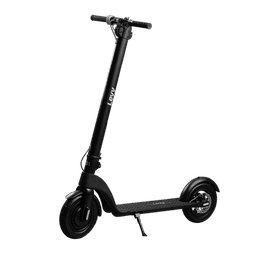





Electric scooter comparison
Compare the Okai Neon and the Fluid Freeride Horizon
Review the specs, pricing, and rider-focused details for the Okai Neon versus the Fluid Freeride Horizon. Every matchup is sourced from Levy's internal database so you can make a confident choice.
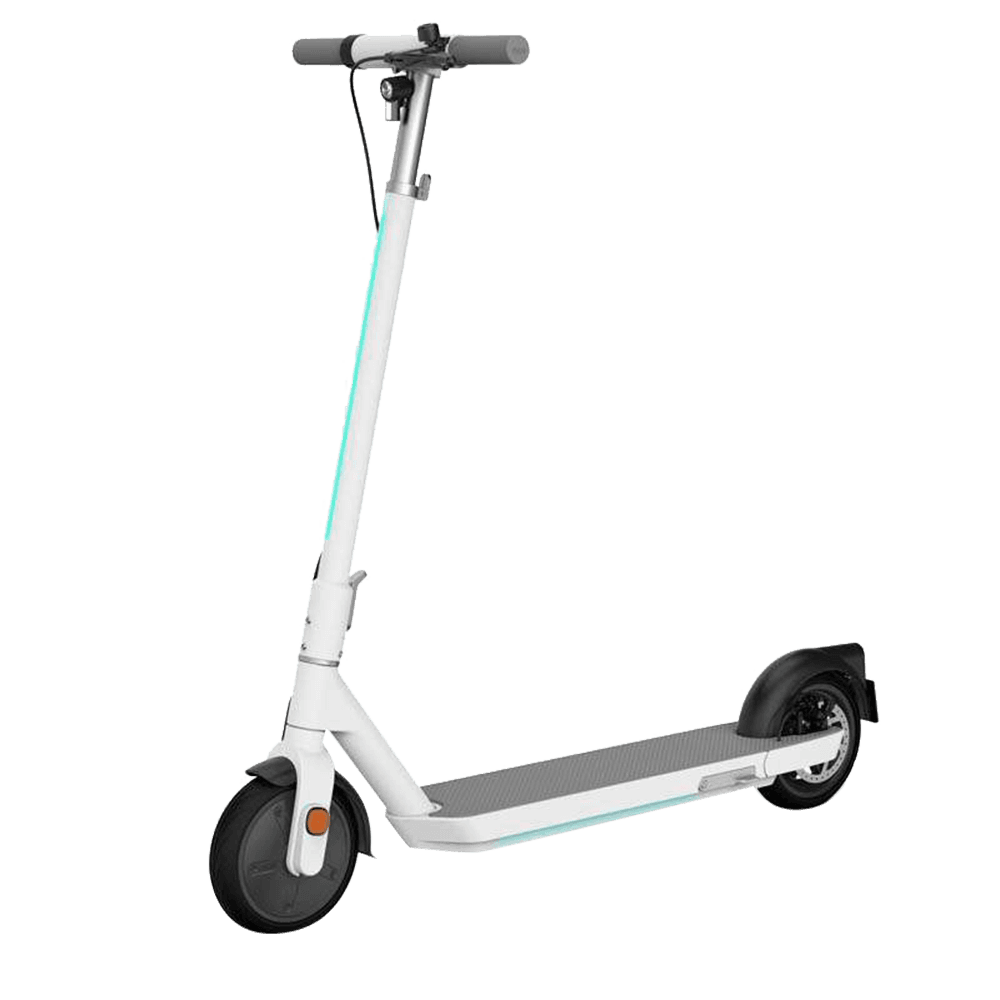
Scooter A
Okai Neon
Range 13.8 mi • Top speed 16 mph
$699
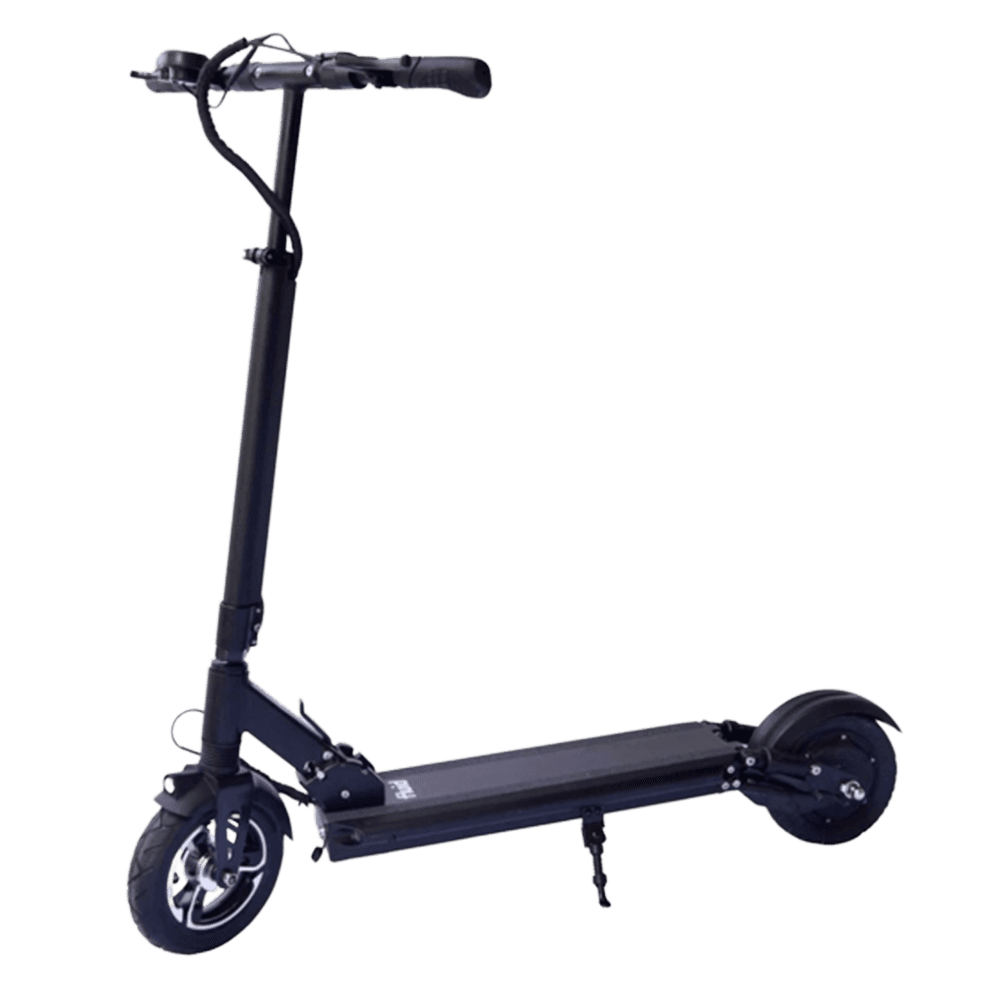
Scooter B
Fluid Freeride Horizon
Range 15.4 mi • Top speed 24.3 mph
$719
Specification breakdown
| Spec | Okai Neon | Fluid Freeride Horizon |
|---|---|---|
| Range (mi) | 13.8 mi | 15.4 mi |
| Top speed (mph) | 16 mph | 24.3 mph |
| Weight (lbs) | 38.8 lbs | 43.6 lbs |
| Motor power (W) | 250 W | 500 W |
| Battery capacity (Wh) | 324 Wh | 480 Wh |
| Brakes | Disc | Drum |
| Tires | Mixed | Mixed |
| Waterproof rating | IPX5 | None |
| Suspension | Spring | Dual Spring |
| Price (USD) | $699 | $719 |
Okai Neon vs Fluid Freeride Horizon: An In-Depth Electric Scooter Comparison
As more people opt for eco-friendly transportation, the demand for electric scooters continues to grow. Two models that stand out for their superior performance are the Okai Neon and the Fluid Freeride Horizon. Though they share some traits, such as boasting long battery lives and impressive top speeds, they differ significantly in several key areas.
For starters, the Okai Neon with its industry-grade components has a sleek, futuristic design and a unique LED light display, enhancing visibility at night. It features a powerful 600W motor, delivering a top speed of 25 mph, with a 20-30 mile range per charge. It’s designed for heavy use scenarios with its sturdy construction and large, solid tires resistant to punctures.
In contrast, the Fluid Freeride Horizon takes on a more traditional scooter design. It also possesses a 500W motor with a top speed of 25mph, but the range exceeds the Okai Neon, going up to 20-35 miles. The Freeride Horizon comes with additional features like suspension and larger pneumatic tires for better comfort and adaptability to terrains.
Another significant difference lies in their weight and portability. The Okai Neon, built more robustly, comes in at 50 lbs, putting it on the heavier side. On the other hand, the Fluid Freeride Horizon is definitely lighter, weighting only 40lbs, offering better portability.
In terms of price, the Okai Neon is slightly more expensive, attributed to its LED light feature and heavy-duty design. Yet, the Fluid Freeride Horizon, with its extended range and added comfort features, delivers great value for its lower price point, making it ideal for budget-conscious consumers.
In conclusion, the choice between the Okai Neon and the Fluid Freeride Horizon depends on one's specific requirements, whether that be design, ride comfort, portability, range or price.
Keep researching with Levy
Browse thousands more matchups or reach out to our team for personalized scooter advice.