





Exploring UK's Electric Scooter Laws: What e-Scooters are Legal?
Navigate the UK's electric scooter laws and find out which e-scooters are street-legal. Learn about the legal requirements for electric scooters and stay up-to-date on the latest regulations for safe, responsible riding.
With the rising popularity of electric scooters worldwide, it's critical to understand the current legal status of these devices in the United Kingdom. While the government has introduced some measures to accommodate electric scooters, there remain specific regulations that you must adhere to. In this article, we'll help you navigate the legal landscape and find out which e-scooters are street-legal in the UK.
The UK's Electric Scooter Laws
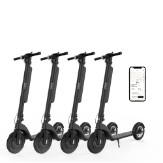
Until 2020, electric scooters were only allowed on private land with the landowner's permission. However, the UK government has since launched rental e-scooter trials, which allow users to legally rent electric scooters However, the UK government has since launched rental e-scooter trials, which allow users to legally rent electric scooters in specified trial areas. Note that privately owned e-scooters are still not allowed on public roads, pavements, or cycle lanes.
However, if you're considering buying an e-scooter, it's critical to understand the current UK laws:
- Privately owned e-scooters cannot be used on public roads, pavements or cycle lanes.
- E-scooters must meet certain requirements to be classified as Personal Light Electric Vehicles (PLEVs). This includes a maximum motor power output of 500W, a maximum speed of 15.5mph, front and rear lights, and other safety features.
- You must possess a valid driver's license to ride a rented e-scooter, and it must only be used within approved trial areas.
Which Electric Scooters are Legal in the UK?
Given the restrictions on privately owned e-scooters, it's crucial to choose one that adheres to UK's legal requirements for rental scooters. Look for electric scooters that feature:
- A maximum motor power output of 500W
- A maximum speed of 15.5mph
- Front and rear lights for visibility
- An audible warning device to alert pedestrians
- Distinctive markings or identification numbers for easy identification
While it's currently unclear when the restrictions on privately owned e-scooters will change, staying informed about the legal requirements can help ensure you're prepared for any updates in legislation. It's also essential to note that the trials may result in new laws, so factor in potential future changes when deciding on purchasing an electric scooter.
In conclusion, electric scooters that adhere to the UK's regulations for rental scooters In conclusion, electric scooters that adhere to the UK's regulations for rental scooters are generally considered legal, but the use of privately-owned e-scooters is still restricted to private land. Stay up-to-date with the latest electric scooter laws Stay up-to-date with the latest electric scooter laws Stay up-to-date with the latest electric scooter laws Stay up-to-date with the latest electric scooter laws Stay up-to-date with the latest electric scooter laws Stay up-to-date with the latest electric scooter laws to make sure your e-scooter choice remains compliant and to help you ride safely and responsibly.