
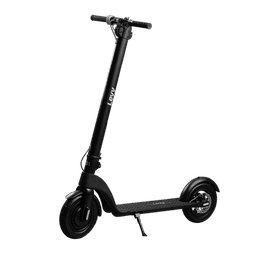





Speed and Performance of the SunL 500W Electric Scooter
The SunL 500W electric scooter reaches 20-28 mph with 15-20 mile range. Compare specs, real-world performance, battery life, and better alternatives in the 500W category.
The SunL 500W electric scooter delivers speeds of 20-28 mph (32-45 km/h) with a range of 15-20 miles per charge, making it an economical option for urban commuting and short-distance travel. Powered by a 500-watt motor and 24-volt lead-acid battery system (dual 12V 12Ah batteries), this budget-friendly scooter reaches its performance peak on flat terrain with lighter riders, while heavier loads and uphill climbs reduce speed and range. The 500W motor category represents a sweet spot in electric scooter performance—delivering sufficient power for adult riders (typical speeds 20-25 mph) while maintaining affordability, with most quality 500W scooters priced under $1,000. Performance factors include rider weight (heavier riders experience 3-5 mph speed reduction), terrain type (uphill grades significantly impact speed and drain batteries faster), tire pressure (proper inflation maximizes efficiency), battery health (capacity degrades 20-30% after 1-2 years), and maintenance practices. The SunL 500W requires 6-8 hours charging time and uses voltage-specific fuses (24V models use 40-amp fuses). Understanding these specifications, real-world performance limitations, comparison with competing 500W models (EMOVE Touring, Apollo City, Fluid Mosquito offer superior range/speed), and maintenance requirements ensures riders maximize their scooter's capabilities for daily urban transportation needs.
Speed Capabilities and Performance Range
The SunL 500W electric scooter's speed performance varies significantly based on operating conditions and rider characteristics.
Maximum Speed Specifications
Top speed range: 20-28 miles per hour (32-45 kilometers per hour).
The SunL 500W sits within the typical performance envelope for 500-watt electric scooters, which generally achieve speeds between 15-30 mph depending on configuration and conditions. This speed category makes the scooter suitable for urban environments where average travel speeds range 15-25 mph.
Speed performance breakdown:
- Optimal conditions (20-28 mph): Lightweight riders (under 150 lbs), flat terrain, fully charged battery, properly inflated tires, no headwind
- Average conditions (18-23 mph): Medium-weight riders (150-200 lbs), mixed terrain with minor inclines, battery at 50-100% charge
- Challenging conditions (12-18 mph): Heavy riders (over 200 lbs), significant hills or rough terrain, battery below 50% charge, underinflated tires
- Severe conditions (under 12 mph): Maximum weight capacity, steep inclines (over 15 degrees), depleted battery (under 20% charge)
Factors Affecting Top Speed
Multiple variables influence the SunL 500W's real-world speed performance:
Rider weight impact:
- Light riders (100-150 lbs): Can reach the higher end of the speed range (25-28 mph on flat ground), experience minimal performance degradation on inclines
- Average riders (150-200 lbs): Achieve typical speed range (20-23 mph), moderate performance reduction on hills
- Heavy riders (200-250 lbs): Experience 3-5 mph reduction in top speed, significant slowdown on any incline, increased battery drain
- Maximum capacity riders (250+ lbs): May only reach 15-18 mph on flat ground, struggle with any incline, dramatically reduced range
Terrain and environmental factors:
- Flat, smooth pavement: Maximum speed achievable, optimal battery efficiency
- Minor inclines (3-8 degrees): 2-5 mph speed reduction, moderate battery consumption increase
- Moderate hills (8-15 degrees): 5-10 mph speed reduction, amperage spikes significantly (requires full motor power), rapid battery drain
- Steep inclines (over 15 degrees): May require dismounting and walking, motor may struggle or overheat, excessive battery consumption
- Rough surfaces: Cracked pavement, gravel, or grass reduce speed by 3-7 mph, increase mechanical stress on components
Battery condition and charge level:
- Full charge (90-100%): Maximum speed and power output available
- Moderate charge (50-90%): Normal performance maintained
- Low charge (20-50%): Noticeable speed reduction of 2-5 mph, diminished hill-climbing capability
- Critical charge (under 20%): Significant performance degradation, may only reach 50-70% of normal top speed
- Battery age factor: Lead-acid batteries lose 20-30% capacity after 1-2 years of regular use, reducing both speed and range
Tire pressure and maintenance:
- Properly inflated tires: Maximize speed and efficiency, proper contact with riding surface
- Underinflated tires: Increase rolling resistance, reduce top speed by 2-4 mph, accelerate battery drain by 10-15%
- Overinflated tires: Harsh ride quality, reduced traction (especially in wet conditions), minimal speed benefit
- Worn tires: Decreased traction and braking performance, slight speed reduction
Motor Power and Electrical System
The 500-watt motor configuration provides the SunL scooter with its performance characteristics.
500W Motor Performance Profile
The 500W category represents an optimal balance for adult urban commuting:
- Power output: 500 watts nominal (may deliver 600-700W peak power during acceleration or hill climbing)
- Voltage system: Typically 24-volt configuration (some models use 36V or 48V systems for enhanced performance)
- Motor efficiency: Varies by manufacturer and design; quality motors convert 75-85% of electrical energy to mechanical motion
- Sweet spot positioning: 500W provides sufficient power for average adults (20-25 mph speeds) while maintaining affordability under $1,000 for quality models
Comparing wattage categories:
- 250W scooters: Maximum speeds 12-18 mph, suitable for lightweight riders and flat terrain only, struggle with any incline
- 500W scooters (SunL category): Maximum speeds 20-28 mph, handle moderate inclines, accommodate average adult riders, best price-to-performance ratio
- 800-1000W scooters: Maximum speeds 25-35 mph, excellent hill-climbing capability, higher price point ($1,200-2,500)
- 1500W+ scooters: Maximum speeds 35-50+ mph, powerful acceleration, designed for enthusiasts, premium pricing ($2,000-5,000+)
Electrical System Components
The SunL 500W uses a lead-acid battery configuration common in budget electric scooters:
Battery specifications:
- Battery type: Lead-acid (sealed AGM - Absorbed Glass Mat)
- Configuration: Dual 12-volt batteries (12V 12Ah each) connected in series for 24-volt system
- Total capacity: 24 volts at 12 amp-hours (288 watt-hours of stored energy)
- Weight: Lead-acid batteries add approximately 15-20 lbs to scooter weight
- Lifespan: 300-500 charge cycles typical (1-2 years with regular use), capacity degrades 20-30% over lifetime
Lead-acid vs. lithium-ion comparison:
- Lead-acid advantages: Lower initial cost ($50-100 for replacement set vs. $200-400 for lithium), established technology, readily available replacements
- Lead-acid disadvantages: Heavier weight (15-20 lbs vs. 5-8 lbs for lithium equivalent), shorter lifespan (1-2 years vs. 3-5 years), longer charging times (6-8 hours vs. 3-4 hours), more performance degradation as battery drains
- Why SunL uses lead-acid: Reduces manufacturing cost, keeps retail price competitive in budget scooter category
Fuse protection system:
- 24-volt 500W scooters: Use 40-amp fuses to protect electrical system
- 36-volt 500W scooters: Use 30-amp fuses (higher voltage requires lower amperage for same wattage)
- 48-volt 500W scooters: Use 20-amp fuses
- Fuse function: Protects motor and controller from overcurrent situations (especially during steep hill climbs when amperage spikes), prevents electrical fires or component damage
Charging Requirements and Times
The SunL 500W requires extended charging periods typical of lead-acid battery systems:
- Charging time: 6-8 hours for full charge from depleted state
- Charger specifications: Standard wall outlet (110-120V AC), automatic shutoff when charging completes
- Partial charging: Can top off battery with shorter charge sessions, though full cycle charges recommended for battery longevity
- Charging frequency: Charge after each ride or when battery reaches 30-50% capacity (lead-acid batteries prefer not being deeply discharged)
- Overnight charging: Common practice—plug in evening, ready for morning commute
- Battery maintenance: Avoid storing with depleted battery (can cause sulfation and permanent capacity loss), charge every 2-3 months during extended non-use periods
Range and Distance Capabilities
The SunL 500W provides 15-20 miles of range per charge under typical operating conditions.
Expected Range by Conditions
Actual range varies dramatically based on riding conditions and habits:
Maximum range scenarios (approaching 20 miles):
- Lightweight rider (under 150 lbs) on predominantly flat terrain
- Moderate speeds (15-18 mph average) rather than maximum speed
- Minimal stopping and starting (constant speed most efficient)
- Optimal tire pressure and well-maintained scooter
- Mild weather (excessive heat or cold reduce battery performance)
- New or recently replaced batteries operating at full capacity
Average range scenarios (15-17 miles):
- Average-weight rider (150-200 lbs) on mixed terrain
- Typical riding speeds (18-23 mph)
- Urban environment with occasional stops for traffic/intersections
- Moderate battery age (6 months to 1 year old)
- Standard maintenance practices
Reduced range scenarios (10-15 miles):
- Heavier riders (200+ lbs) or carrying cargo/backpack
- Hilly terrain requiring frequent full-throttle hill climbing
- Aggressive riding style (frequent acceleration and maximum speed)
- Stop-and-go urban traffic patterns
- Aging batteries (over 1 year old) with degraded capacity
- Cold weather conditions (below 40°F reduces battery efficiency by 20-30%)
Minimum range scenarios (under 10 miles):
- Maximum weight loads approaching capacity limits
- Predominantly uphill routes or very rough terrain
- Extreme weather (freezing temperatures or excessive heat over 95°F)
- Old batteries near end of life (1.5-2+ years old)
- Mechanical issues (brake drag, bearing problems, underinflated tires)
Range Comparison: 500W Category
The SunL 500W's 15-20 mile range positions it at the lower end of the 500W scooter category:
Competing 500W models with superior range:
- EMOVE Touring: 32 miles per charge (lithium-ion battery), top speed 25 mph, easily climbs 15-degree inclines, $1,199
- Apollo City: 30 miles per charge, top speed 27 mph, 4.5-hour charging time, $1,199
- Fluid Horizon: 23 miles per charge, top speed 23 mph, 48V lithium-ion battery, handles 10% inclines, $899
- Fluid Mosquito: Peak 700W power output, 25-27 mph top speed, extended range with lithium battery, $799
- Hover-1 Alpha: 12 miles range, 18 mph top speed, budget option at $379
Range advantage factors for competing models: All higher-performing competitors use lithium-ion batteries instead of lead-acid, providing 50-100% more range, lighter weight, faster charging (3-4 hours vs. 6-8 hours), and longer battery lifespan (3-5 years vs. 1-2 years). The SunL's lead-acid configuration limits range compared to lithium-equipped competitors.
Maximizing Range Performance
Riders can optimize the SunL 500W's range through careful practices:
- Ride at moderate speeds: Riding at 15-18 mph extends range by 20-30% compared to maximum speed operation
- Minimize weight: Remove unnecessary cargo; every 20 lbs of additional weight reduces range by approximately 1-2 miles
- Plan flat routes: Route selection avoiding hills preserves range significantly (each steep hill climb consumes battery equivalent to 0.5-1 mile of flat riding)
- Maintain tire pressure: Check weekly; proper inflation reduces rolling resistance and extends range by 10-15%
- Smooth acceleration: Gradual throttle application rather than jackrabbit starts conserves battery power
- Use pedal-assist if available: Some models allow rider to kick-push to assist motor on hills or conserve battery
- Regular maintenance: Keep chain/belt lubricated, brakes properly adjusted (dragging brakes waste energy), bearings clean and greased
- Battery care: Charge regularly (don't fully deplete), store in moderate temperatures (avoid extreme heat/cold), replace when capacity drops below 70% of original
Comparison with Other 500W Scooters
The SunL 500W competes in a crowded market segment with numerous alternatives offering varied features and performance.
SunL 500W Market Position
Budget-focused entry-level positioning with trade-offs:
SunL advantages:
- Low acquisition cost: Typically priced $300-500, among the most affordable 500W scooters
- Simple design: Fewer complex components mean less that can malfunction
- Adequate performance: 20-28 mph speed sufficient for local errands and short commutes
- Replacement parts availability: Common lead-acid batteries widely available at battery retailers
SunL disadvantages and concerns:
- Build quality issues: User reports indicate inconsistent manufacturing quality, with complaints describing "incredibly poorly these things are made"
- Customer support problems: Multiple users report difficulty obtaining parts and unresponsive service departments, described as "the WORST company when it comes to scooters"
- Limited range: 15-20 miles significantly trails competitors offering 25-32 miles per charge
- Heavier weight: Lead-acid batteries add 10-15 lbs compared to lithium competitors
- Longer charging: 6-8 hours vs. 3-4 hours for lithium-equipped scooters
- Shorter battery lifespan: Batteries require replacement every 1-2 years ($50-100 cost) vs. 3-5 years for lithium
Recommended Alternative 500W Models
Superior options in the 500W category (tested and reviewed):
Premium 500W options ($800-1,200):
- EMOVE Touring ($1,199):
- Range: 32 miles (best in class)
- Top speed: 25 mph
- Hill capability: Easily climbs 15-degree inclines
- Battery: Lithium-ion with 3-4 hour charge time
- Build quality: Premium construction, reliable customer support
- Best for: Longer commutes, riders prioritizing range and reliability
- Apollo City ($1,199):
- Range: 30 miles per charge
- Top speed: 27 mph (fastest in 500W category)
- Charging: 4.5 hours to full charge
- Features: Quality suspension, excellent build quality, strong brand support
- Best for: Riders wanting maximum speed with excellent range
Mid-tier 500W options ($700-900):
- Fluid Horizon ($899):
- Range: 23 miles per charge
- Top speed: 23 mph
- Battery: 48V lithium-ion system
- Hill capability: Handles 10% inclines comfortably
- Best for: Budget-conscious riders wanting lithium advantages without premium pricing
- Fluid Mosquito ($799):
- Peak power: 700W output (500W nominal)
- Top speed: 25-27 mph
- Performance: Strong acceleration and hill-climbing
- Best for: Performance-focused riders on a budget
- Dualtron Mini:
- Top speed: 45 km/h (28 mph)
- Braking: Front and rear drum brakes (superior stopping power)
- Build: Durable construction from established manufacturer
- Best for: Riders prioritizing safety features and build quality
Budget 500W option ($300-400):
- Hover-1 Alpha ($379):
- Range: 12 miles per charge
- Top speed: 18 mph
- Value proposition: True bargain with 500W motor at lowest price point
- Trade-offs: Reduced range and speed compared to premium models
- Best for: Casual riders with very short commutes, tight budgets
Value Assessment and Recommendations
When to consider the SunL 500W:
- Extremely limited budget: Cannot afford $700-1,200 for superior alternatives
- Very short commutes: Daily travel under 5 miles (well within 15-20 mile range even with degradation)
- Flat urban environment: No significant hills to climb
- Low usage frequency: Occasional use (few times per week) rather than daily commuting
- Backup/secondary scooter: Not relying on it as primary transportation method
When to avoid the SunL 500W:
- Daily commuting reliance: Build quality concerns and support issues make it unreliable for transportation dependence
- Longer distances: Routes over 10 miles (limited range becomes problematic, especially as battery ages)
- Hilly terrain: Lead-acid battery struggles with repeated incline climbing
- Long-term cost consideration: Battery replacements every 1-2 years ($50-100 each time) add to total cost of ownership; spending $300-400 more initially for lithium competitor saves money over 3-5 years
- Performance expectations: Riders wanting reliable, consistent performance should invest in better-reviewed alternatives
Best overall value recommendation: The Fluid Horizon ($899) or Fluid Mosquito ($799) offer the optimal balance of price, performance, and reliability—providing lithium-ion advantages, better range, faster charging, and superior build quality for only $300-400 more than SunL pricing while avoiding the quality and support concerns reported with SunL products.
Real-World Performance Factors
Understanding how theoretical specifications translate to actual daily use helps set realistic expectations.
Urban Commuting Performance
The SunL 500W performs adequately for short urban trips with specific limitations:
Typical urban commute scenarios:
- Short errands (2-5 miles round trip): Well-suited; even with battery degradation, range remains sufficient, minimal charging between uses needed
- Medium commutes (6-12 miles round trip): Workable but requires daily charging, leaves minimal range buffer for unexpected detours or errands, performance adequate on mostly flat routes
- Long commutes (over 12 miles round trip): Not recommended; insufficient range margin, battery degradation over time will make distance impossible, rider anxiety about running out of charge mid-route
Urban environment considerations:
- Stop-and-go traffic: Frequent acceleration from stops drains battery faster than constant-speed riding (reduces effective range by 10-20%)
- Intersection delays: Time spent waiting at lights doesn't consume battery but extends total trip time
- Bike lane access: 20-28 mph speed appropriate for bike lanes; too fast for sidewalks, too slow for most vehicle traffic lanes
- Weather exposure: No weather protection; rain, snow, or extreme temperatures make riding uncomfortable or unsafe
- Storage and charging: Requires access to electrical outlet at destination; difficult to charge at work unless employer provides outlet access
Terrain and Grade Capability
Hill-climbing performance represents a significant limitation for the SunL 500W:
Grade performance breakdown:
- Flat terrain (0-2% grade): Maximum performance achievable, full speed range accessible, minimal battery drain
- Gentle slopes (3-5% grade): Slight speed reduction (2-3 mph), noticeable but manageable battery consumption increase
- Moderate hills (6-10% grade): Significant speed reduction (5-8 mph), amperage spikes substantially, heavy battery drain (equivalent to 2-3x flat ground consumption), extended climbing causes motor heating
- Steep hills (11-15% grade): Severe speed reduction to 10-12 mph or less, maximum motor power required, may struggle with heavier riders, extreme battery consumption, risk of motor overheating on extended climbs
- Very steep hills (over 15% grade): May be impossible to climb depending on rider weight, requires dismounting and walking, attempting climb risks motor damage or blowing fuses
Geographic suitability:
- Ideal locations: Flat Midwest cities (Chicago, Indianapolis), coastal flat areas (beach communities), planned suburban developments with minimal elevation changes
- Challenging locations: San Francisco (steep grades), Seattle (hilly terrain), Pittsburgh (elevation changes), any mountainous or hilly regions
- Workaround strategy: In hilly cities, plan routes using valley roads, accept longer distances to avoid steep climbs, or supplement with kick-pushing on hills
Weather and Seasonal Performance
Temperature and weather significantly impact the SunL 500W's battery performance:
Temperature effects on lead-acid batteries:
- Optimal temperature (60-80°F): Maximum battery capacity and performance
- Warm weather (80-95°F): Normal performance maintained, but avoid storing in direct sunlight or enclosed hot vehicles (heat accelerates battery degradation)
- Hot weather (over 95°F): Slight capacity reduction (5-10%), accelerated self-discharge when parked, long-term heat exposure shortens battery lifespan
- Cool weather (40-60°F): Moderate capacity reduction (10-15%), slower chemical reactions in battery reduce available power
- Cold weather (32-40°F): Significant capacity loss (20-30%), reduced range and power output, slower acceleration
- Freezing weather (below 32°F): Severe capacity reduction (30-40%), battery may provide only 10-12 miles instead of 15-20 miles, reduced top speed, charging should occur indoors at room temperature
Precipitation considerations:
- Light rain: Generally rideable if scooter has basic water resistance, but reduced tire traction and visibility concerns
- Heavy rain: Not recommended; electrical components may lack adequate water protection, dramatically reduced traction increases accident risk
- Standing water: Avoid riding through puddles or flooded areas (water ingress can damage motor, controller, or batteries)
- Snow and ice: Unsafe and impractical; minimal tire tread provides no traction on slippery surfaces
Maintenance Requirements and Longevity
Proper maintenance extends the SunL 500W's operational lifespan and maintains performance levels.
Regular Maintenance Schedule
Recommended maintenance tasks to preserve performance:
Weekly maintenance:
- Tire pressure check: Verify proper inflation (check owner's manual for PSI specification), add air if needed
- Visual inspection: Check for loose bolts, damaged wires, tire wear, brake function
- Cleaning: Wipe down after rides in dusty or muddy conditions, remove debris from wheels and motor
- Battery charging: Charge after each use or when capacity drops below 50%
Monthly maintenance:
- Brake adjustment: Ensure brakes engage properly without dragging when released
- Bolt tightening: Check and tighten handlebar, stem, and wheel mounting bolts (vibration causes gradual loosening)
- Chain/belt inspection: If chain-driven, check tension and lubrication; belt-drive systems require less maintenance
- Bearing check: Spin wheels freely to detect grinding sounds indicating bearing wear
Seasonal maintenance:
- Battery assessment: Test range to identify capacity degradation; plan replacement when capacity drops 30% from original
- Tire replacement: Replace when tread depth becomes minimal or sidewalls show cracking
- Electrical connections: Inspect wiring for fraying, corrosion on connections, proper seating of connectors
- Storage preparation: If storing for winter/extended period, charge battery to 70-80%, store in temperature-controlled space, charge every 2-3 months
Battery Replacement and Costs
The SunL 500W's lead-acid batteries require periodic replacement:
Battery lifespan expectations:
- Typical lifespan: 300-500 charge cycles, translating to 1-2 years with regular use
- Capacity degradation pattern: First 6 months maintain 90-100% capacity, months 6-12 gradual decline to 80-90%, months 12-18 further decline to 70-80%, after 18-24 months capacity often below 70% (replacement recommended)
- Signs replacement needed: Range reduced to under 12 miles, noticeable loss of power/speed, battery takes longer to charge, battery drains quickly even when not in use
Replacement costs and process:
- Battery cost: $50-100 for dual 12V 12Ah sealed lead-acid battery set
- Labor: DIY replacement relatively simple (disconnect old batteries, connect new ones following polarity markings), or pay shop $20-40 for installation
- Where to buy: Battery retailers, online suppliers (Amazon, eBay, specialist battery stores), or direct from Monster Scooter Parts and similar suppliers
- Upgrade consideration: Aftermarket lithium-ion conversion kits available ($200-400) offer longer lifespan and better performance but require compatible controller
Total cost of ownership consideration:
- Initial scooter cost: $300-500
- Battery replacements over 5 years: $150-300 (3 replacement cycles)
- Other maintenance (tires, brake pads): $100-150
- Total 5-year cost: $550-950
- Compare to $899 Fluid Horizon with lithium battery lasting 5 years with minimal replacements: $899 + $100-150 maintenance = $1,000-1,050 total—only $50-100 more over 5 years while providing superior performance throughout
Common Issues and Troubleshooting
Typical problems reported with SunL 500W scooters:
- Reduced speed/power: Usually indicates battery degradation, check battery voltage (should read 24V+ when fully charged); if below 22V, batteries need replacement
- Scooter won't start: Check fuse (40-amp for 24V system), verify battery connections tight and corrosion-free, ensure charger functioning properly
- Short range: Battery capacity loss most common cause; also check tire pressure (low pressure increases resistance), verify brakes not dragging
- Motor cutting out on hills: Amperage spike blowing fuse, or battery voltage dropping too low under load; may need higher capacity batteries or avoid steep grades
- Brake squealing: Brake pads may need adjustment, cleaning, or replacement
- Rattling sounds: Loose bolts common culprit; systematically tighten all fasteners
Parts availability concerns: User reports indicate SunL customer support is limited and parts can be difficult to obtain directly from manufacturer. Generic replacement parts (batteries, tires, brake components) widely available from third-party suppliers like Monster Scooter Parts, ElectricScooterParts.com, and Battery Sharks, mitigating manufacturer support deficiencies.
Safety Considerations and Riding Tips
Safe operation requires understanding the SunL 500W's limitations and following proper riding practices.
Speed and Control Safety
The 20-28 mph speed range requires appropriate safety measures:
- Helmet requirement: Essential at these speeds; impact at 20+ mph causes serious injury; full-face or high-quality bicycle helmet recommended (CPSC or ASTM certified)
- Protective gear: Gloves protect hands in falls, elbow/knee pads recommended for beginners or aggressive riders, closed-toe shoes essential (avoid sandals/flip-flops)
- Visibility: Front headlight and rear taillight necessary for dawn/dusk/night riding (many scooters lack adequate lighting), reflective vest or clothing increases visibility to vehicles
- Speed awareness: 20-28 mph too fast for crowded sidewalks (pedestrian conflicts), appropriate for bike lanes, too slow for most vehicle traffic lanes (except 25 mph zones), match speed to environment and traffic conditions
- Stopping distance: At 25 mph, stopping distance 30-40 feet on dry pavement; maintain following distance accordingly, avoid sudden braking (can lock wheels and cause skid/crash)
Legal Requirements and Restrictions
Electric scooter regulations vary by location:
- Speed limits: Many jurisdictions limit electric scooters to 15-20 mph; SunL 500W capable of exceeding limits in some areas
- Where you can ride: Regulations vary—some areas allow bike lanes only, others permit sidewalks (with speed restrictions), some prohibit scooters entirely in certain zones
- Age restrictions: Minimum age requirements common (16-18 years old in many jurisdictions)
- Licensing: Some states classify scooters over certain speeds as motor vehicles requiring registration/license
- Insurance: Generally not required for personal scooters under 30 mph, but check local laws
- DUI laws: Operating electric scooter while intoxicated can result in DUI charges in most jurisdictions
Always research local regulations before purchasing and riding electric scooters to ensure compliance.
Riding Techniques for Safety and Efficiency
Proper riding technique maximizes safety and extends range:
- Starting technique: Begin with one foot on deck, kick once or twice to gain momentum, then engage throttle (easier on motor than starting from complete stop)
- Acceleration: Smooth, gradual throttle application rather than sudden full throttle (conserves battery, maintains control, reduces mechanical stress)
- Cornering: Reduce speed before turns, lean body (not just handlebars) into turn, avoid sharp turns at high speed (can cause wheels to slip or scooter to tip)
- Braking: Apply both front and rear brakes gradually and simultaneously (front brake only can pitch rider forward, rear only increases stopping distance)
- Obstacle navigation: Approach cracks, potholes, and curbs at 90-degree angle when possible, slow speed before impact, stand slightly and flex knees to absorb shock
- Surface awareness: Avoid wet painted surfaces, metal plates, and wet leaves (extremely slippery), reduce speed on gravel or loose surfaces, never ride through standing water
Conclusion and Final Assessment
The SunL 500W electric scooter delivers budget-friendly performance with significant trade-offs in build quality, range, and long-term value.
Performance summary: The scooter achieves speeds of 20-28 mph and range of 15-20 miles per charge using a 500-watt motor and 24-volt lead-acid battery system. These specifications place it squarely in the entry-level category of 500W scooters, adequate for short urban trips (under 10 miles round trip) on predominantly flat terrain with lighter riders. Heavier riders, hilly routes, cold weather, and battery aging all significantly reduce both speed and range performance.
Competitive position: The SunL 500W's primary advantage is low initial cost ($300-500), making it one of the most affordable 500W options. However, this comes with documented quality concerns—user reviews describe poor manufacturing quality and inadequate customer support. Competing models like the Fluid Horizon ($899), Fluid Mosquito ($799), EMOVE Touring ($1,199), and Apollo City ($1,199) offer superior range (23-32 miles), faster charging (3-4 hours), longer battery life (3-5 years), and better build quality for $300-800 more. When considering total cost of ownership including battery replacements every 1-2 years ($50-100 each), the price advantage diminishes over a 3-5 year ownership period.
Best use cases: The SunL 500W makes sense for riders with extremely limited budgets who need occasional transportation for very short distances (under 5 miles) in flat urban environments. It can serve as a backup scooter or experimental first scooter for those testing whether electric scooter commuting suits their lifestyle before investing in higher-quality equipment.
When to choose alternatives: Daily commuters, riders covering over 10 miles regularly, those in hilly locations, and anyone relying on their scooter as primary transportation should invest in better-reviewed alternatives with lithium-ion batteries, superior range, established manufacturer support, and proven reliability. The Fluid Horizon or Fluid Mosquito represent the best value proposition—offering lithium advantages and reliable performance for only $300-400 more than SunL pricing.
Performance optimization: SunL 500W owners can maximize their scooter's capabilities through proper maintenance (weekly tire pressure checks, timely battery replacement when capacity drops 30%), efficient riding techniques (moderate speeds, smooth acceleration, route planning to avoid hills), and realistic expectations about range limitations. Understanding that the 15-20 mile range represents optimal conditions—and expecting 12-15 miles in real-world use—prevents disappointment and running out of charge mid-journey.
Final verdict: The SunL 500W electric scooter provides functional entry-level performance for a very specific use case: short, flat, occasional trips by budget-conscious riders. The 500W motor category itself represents an excellent balance of performance and affordability, but the SunL model sits at the compromised end of that category. Riders who can afford $700-900 will find dramatically better value, performance, reliability, and long-term satisfaction with competing lithium-equipped alternatives that justify their higher initial investment through superior specifications, longer lifespan, and lower total cost of ownership.