





Starting Your G-Start Electric Scooter: A Step-by-Step Guide
Learn how to start your G-Start electric scooter safely with this comprehensive step-by-step guide. Includes specifications (150W motor, 24V battery, 8-12 km/h), charging tips, safety checks, maintenance, and troubleshooting.
Electric scooters have become increasingly popular in recent years, offering a fun and eco-friendly alternative mode of transportation for riders of all ages. The G-Start Electric Scooter is an excellent option for those who want a reliable, efficient, and safe ride, particularly for younger riders and beginners. This comprehensive guide provides detailed step-by-step instructions on how to safely start your G-Start Electric Scooter, along with essential specifications, maintenance tips, and safety considerations to maximize your riding experience.
Understanding Your G-Start Electric Scooter
Before starting your G-Start Electric Scooter, it's important to familiarize yourself with the key specifications and features of this model. Understanding your scooter's capabilities helps you ride safely and maintain it properly.
G-Start Specifications Overview
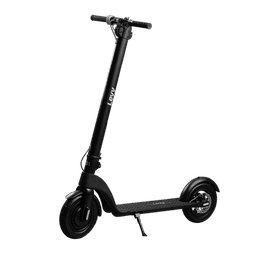
The G-Start Electric Scooter is engineered as a beginner-friendly electric scooter designed primarily for children and young riders, featuring a focus on safety and ease of use. Here are the key specifications:
- Motor Power: 150-watt high-efficiency motor with low resistance, providing reliable propulsion for safe, controlled acceleration
- Battery System: 24V, 3.6Ah lithium-ion battery (86.4Wh capacity), offering dependable power and consistent performance
- Speed Range: Maximum speed of 8-12 km/h (5-7.5 mph), engineered for safety-conscious riding
- Range: Approximately 7-8 kilometers (4.3-5 miles) per charge, sufficient for short trips and commutes
- Weight Capacity: Maximum rider weight of 50 kg (110 lbs), properly rated for its intended audience
- Frame Material: Lightweight aluminum construction (approximately 6.2 kg total weight), making it portable and easy to handle
- Brake System: Dual brake system featuring electronic foot brake plus mechanical brake for redundant safety
- Handlebar Height: Adjustable handlebars accommodating different heights and growth stages
Step 1: Charge the Battery Properly
Before you can start your G-Start Electric Scooter, ensure that the battery is fully charged. Proper charging is essential for safety, performance, and battery longevity.
Charging Process:
- Connect the charger: Plug the charger into a standard power outlet first (120V in the US, 230V in Europe)
- Attach to scooter: Connect the charging cable to the charging port located on the scooter's body, typically near the rear wheel or on the lower frame
- Monitor charging status: A red light on the charger indicates active charging, while a green light signifies the battery is fully charged
- Charging duration: The G-Start battery typically takes 3-5 hours to fully charge from a completely depleted state
- Unplug safely: Once charging is complete (green light), disconnect the charger from the scooter first, then unplug from the wall outlet
Battery Care Best Practices:
- Charge after each use: Lithium-ion batteries prefer regular top-ups to deep discharges. Charge your scooter after each riding session
- Temperature optimization: Charge in temperatures between 50-77°F (10-25°C). Avoid charging in extreme heat or cold, as this can reduce battery lifespan by up to 15%
- Charge location: Always charge indoors in a climate-controlled space, never in direct sunlight or hot environments
- Storage charge level: If storing your scooter for extended periods (over a month), maintain the battery at approximately 40-50% charge for optimal battery health
- Avoid overcharging: Modern scooters have built-in battery management systems to prevent overcharging, but it's best practice to unplug immediately once fully charged
Step 2: Locate the Keyhole
The G-Start Electric Scooter features a secure key ignition system to start the scooter and prevent unauthorized use. This is an important anti-theft feature.
Finding the keyhole:
- Primary location: Most commonly found on the handlebar stem or control area, within easy reach of the rider
- Alternative location: May also be positioned on the scooter's body near the motor or battery housing
- Key identification: The keyhole will be a small, circular opening designed to accept the provided metal key
Step 3: Insert and Turn the Key
With the keyhole located, you're ready to power on your scooter.
Ignition process:
- Insert the key: Gently insert the provided key fully into the keyhole
- Turn clockwise: Turn the key to the right (clockwise direction). Avoid forcing the key; it should turn smoothly
- Visual confirmation: The display panel lights should illuminate, and you may hear a subtle activation sound
- Secure the key: For safety, keep the key in the ignition while riding. Turn it back counterclockwise to power off the scooter after your ride
Step 4: Check and Understand Safety Features
Before riding, familiarize yourself with the scooter's safety features and ensure they're functioning properly. This is a critical pre-ride safety check.
Gravity Sensor Technology:
- What it does: The G-Start includes an intelligent gravity sensor that automatically stops the scooter if the rider steps off the deck
- Safety benefit: Prevents the scooter from rolling away unattended or causing accidents if a rider falls off
- Testing: You'll feel this engage naturally as you place both feet on the deck to begin riding
Brake System Testing:
- Electronic brake: Squeeze the right brake lever (typically located on the right handlebar) while standing on the deck. The rear motor should apply electromagnetic braking, and you should feel immediate resistance
- Mechanical brake: Engage the left brake lever. The mechanical brake system provides redundant stopping power
- Lock test: When brakes are fully engaged, the wheels should remain completely locked and unable to move
- Responsiveness: Both brakes should engage smoothly without grinding or unusual noises
Horn and Audible Signals:
- Test the horn: Press the horn button (typically on the left handlebar) to confirm it produces a clear, audible sound
- Riding usage: Use the horn to alert pedestrians and other users when approaching in shared spaces
Overall Scooter Condition:
- Visual inspection: Check for any visible damage, loose bolts, or wear on the frame and deck
- Handlebar stability: Ensure handlebars are secure and don't rotate or move excessively
- Foot deck: Confirm the deck has adequate textured grip and isn't slippery
- Wheel alignment: Both wheels should spin freely with no dragging or grinding sounds
Step 5: Adjust the Acceleration Mode (Optional)
G-Start Electric Scooters feature different acceleration modes to accommodate different rider preferences, experience levels, and riding conditions.
Mode Selection:
- Access the mode selector: Use the mode button on the digital display panel located on the handlebar
- Mode indicators: Modes are typically displayed as either L/M/H (Low/Medium/High) or 1/2/3 (Numbered levels)
- Mode description: Each mode adjusts the throttle responsiveness and acceleration curve
Understanding Each Mode:
- Low (L) or Mode 1: Provides gradual, gentle acceleration perfect for beginners, learning riders, or crowded areas. Throttle response is smooth and predictable, allowing better control and balance
- Medium (M) or Mode 2: Balanced acceleration suitable for experienced riders in normal conditions. Offers moderate responsiveness for efficient commuting
- High (H) or Mode 3: Rapid acceleration for experienced riders in open spaces. Provides quicker response but requires better balance and control
Mode Selection Tips:
- First rides: Always start in Low mode while you develop muscle memory and balance
- Safety consideration: Beginners and children should use Low mode as the default
- Terrain adjustment: Use Low mode on slopes or crowded areas; higher modes on flat, open surfaces
- Switching modes: You can change acceleration modes while riding by pressing the mode button, though it's safest to select your mode before starting
Step 6: Kick-Start the Scooter
Now that you've completed all pre-ride checks and selected your acceleration mode, you're ready to begin riding. The G-Start uses a kick-start system combined with throttle acceleration.
Starting procedure:
- Position yourself: Stand on the deck with your feet shoulder-width apart, with one foot on the deck and one foot remaining on the ground
- Push off the ground: Using your non-deck foot, push off the ground to gain initial momentum (3-5 meters is typical)
- Engage the throttle: Once moving, gently squeeze or press the throttle trigger on the right handlebar. Begin slowly to allow the motor to engage smoothly
- Motor activation: The 150-watt motor will activate, providing 86.4Wh of power from the lithium battery to propel the scooter forward
- Gradual acceleration: The scooter will accelerate smoothly according to your selected mode. Don't twist the throttle fully immediately; build speed gradually
Initial Acceleration Tips:
- Smooth throttle control: Gradual throttle engagement prevents jerking and helps maintain balance
- Weight distribution: Keep your weight centered on the deck as you accelerate
- Head and body position: Look forward, not down; maintain an upright posture for better balance and visibility
- Arm positioning: Keep your arms slightly bent to absorb small bumps and maintain control
Step 7: Ride and Enjoy With Safety in Mind
With your scooter now in motion and your confidence building, it's time to fully enjoy your ride while practicing essential safety habits.
Safe Riding Techniques:
- Maintain balanced stance: Keep both feet on the deck unless actively braking or stopping
- Smooth braking: To stop, engage both brakes gradually and equally. Avoid sudden, hard braking that could cause loss of balance
- Throttle release: You can also slow down by simply releasing the throttle and allowing the motor to coast to a stop
- Speed awareness: Remember your G-Start's maximum speed of 8-12 km/h; adjust your route and throttle for safe operation
- Terrain awareness: Avoid steep hills, gravel, water, and obstacles. Your scooter is designed for smooth, paved surfaces
Essential Safety Equipment:
- Helmet: Always wear an appropriately fitted safety helmet. This is the single most important safety item and can prevent serious head injuries
- Protective padding: Wrist guards, elbow pads, and knee pads provide protection during falls, especially for younger riders
- Visibility gear: Wear bright colors, reflective vests, or LED lights if riding during dawn, dusk, or evening hours
- Appropriate footwear: Wear closed-toe shoes with good grip and ankle support
Riding Etiquette and Legal Considerations:
- Check local laws: The G-Start is designed for private use in many jurisdictions. Before riding, verify your local regulations regarding electric scooter use
- Surface restrictions: Many areas prohibit electric scooter use on public roads and sidewalks. Use designated paths, parks, or private property
- Pedestrian awareness: If riding near pedestrians, use your horn and maintain a safe distance
- No stunt riding: The G-Start is not designed to withstand tricks, stunts, or jumps. Ride for transportation purposes only
- Designated areas: Ride in parks, driveways, and private spaces designed for scooter use
Maintenance and Care Tips
Regular maintenance extends your G-Start's lifespan and ensures reliable, safe operation. Proper care protects your investment and maintains peak performance.
Regular Maintenance Checklist:
- Monthly inspection: Check all bolts and fasteners for looseness, especially where the handlebar connects to the frame and where the motor attaches
- Wheel condition: Inspect wheels for flat spots, cracks, or embedded debris. Clean wheels regularly with a damp cloth
- Brake testing: Test both brakes monthly to ensure they engage smoothly and provide adequate stopping power
- Handlebar security: Ensure handlebars don't rotate or flex excessively. Tighten all handlebar bolts if needed
- Battery terminal cleaning: Periodically check the charging port for corrosion. Use a dry cloth to clean any discoloration
- Frame inspection: Look for cracks or damage in the aluminum frame, especially after falls or impacts
Environmental Care:
- Weather protection: Store your scooter indoors to protect from rain, snow, and extreme temperatures. Extended exposure to moisture can damage electronics
- Dry after wet conditions: If you must ride in damp conditions, dry the scooter thoroughly afterward
- UV protection: Avoid prolonged sun exposure when not in use, as ultraviolet rays can degrade plastics and paint over time
- Temperature storage: Store in temperatures between 50-85°F (10-29°C). Extreme cold can reduce battery capacity temporarily
Common Issues and Troubleshooting
Understanding common problems helps you maintain your scooter and identify when professional service is needed.
Won't Power On:
- Check battery charge: Ensure the battery is fully charged (green light on charger). Charge for full 3-5 hours if depleted
- Verify key insertion: Confirm the key is fully inserted and turned completely clockwise
- Inspect charger: Test if the charger outputs power (should show red or green indicator light)
Reduced Range or Power:
- Battery condition: Check if battery is fully charged. Lithium batteries have reduced capacity in cold temperatures
- Rider weight: Confirm you're within the 50 kg (110 lb) weight limit. Exceeding this reduces range and performance
- Battery age: Lithium-ion batteries typically provide 1000 charge cycles. After 2-3 years of use, you may notice decreased range
Brakes Feel Soft or Unresponsive:
- Debris removal: Clean around brake sensors; dirt or debris can affect electronic brake response
- Brake cable tension: Check mechanical brake cable for proper tension (should have minimal slack)
- Professional service: If brakes remain unresponsive after cleaning, seek professional service before riding
Wheel Makes Grinding or Squeaking Sounds:
- Bearing inspection: Wheels may have dirty bearings. Check if wheels spin freely when lifted
- Debris removal: Remove any gravel, hair, or debris caught in the wheel area
- Lubrication: If wheels are stiff, professional bearing lubrication may be needed
Performance Optimization for Your G-Start
Maximize the performance and longevity of your G-Start by following these optimization practices.
Charging Strategy:
- Optimal charge range: Charge after each use rather than waiting for complete depletion. This extends overall battery lifespan by approximately 30%
- Avoid deep discharge: Don't regularly drain the battery completely to 0%. Instead, charge when the battery reaches 10-20%
- Regular charging: Lithium-ion batteries prefer frequent, moderate charging over infrequent, deep charges
Riding Techniques for Extended Range:
- Smooth acceleration: Gradual throttle engagement uses less battery energy than rapid acceleration
- Consistent speed: Maintaining steady speed consumes less power than frequent acceleration/deceleration
- Avoid full throttle: Using 70-80% throttle on shorter trips extends your range, especially in Medium mode
- Ride in low mode: Low mode provides more efficient motor operation and extends range compared to High mode
- Terrain selection: Flat surfaces extend range significantly. Avoid slopes and rough terrain that increase motor effort
Conclusion
Starting and operating your G-Start Electric Scooter is straightforward when you follow these comprehensive guidelines. Your G-Start features a robust 150-watt motor, reliable 24V/3.6Ah lithium battery, and intelligent safety systems designed to provide an enjoyable riding experience while prioritizing your safety.
Key safety and operational reminders:
- Always charge before riding: Full batteries ensure consistent performance and range of 7-8 kilometers
- Inspect before each ride: Brakes, wheels, and handlebars should be secure and functional
- Safety gear is mandatory: Helmets and protective padding reduce injury risk significantly
- Start in low acceleration mode: Especially for new riders, building confidence and control is paramount
- Follow legal regulations: Use your scooter only where permitted by local laws (typically private property and designated parks)
- Maintain regularly: Monthly inspections catch problems early and extend scooter lifespan
- Practice battery care: Charge in moderate temperatures and avoid overcharging for maximum battery longevity
With proper setup, safety practices, and maintenance, your G-Start Electric Scooter provides years of reliable, fun transportation. Whether you're a beginner learning to ride or an experienced user perfecting your technique, following these guidelines ensures safe, enjoyable operation. Remember that responsible riding practices and regular maintenance are the foundations of a positive scooter experience. Enjoy your rides responsibly and safely!