





Understanding the Eco Mode on Electric Scooters
Discover how eco mode on electric scooters extends range by 15-40%, reduces speed by 20-30%, saves energy, and optimizes battery life. Complete guide to eco mode benefits and usage.
Electric scooters have become increasingly sophisticated, offering multiple riding modes to suit different needs and conditions. Among these, eco mode stands out as a feature designed to maximize efficiency, extend range, and promote sustainable riding practices. Understanding how eco mode works and when to use it can significantly enhance your electric scooter experience while extending battery life and reducing energy consumption.
What Is Eco Mode on Electric Scooters?
Eco mode, also known as economy mode or energy-saving mode, is a power management setting available on most modern electric scooters. This mode optimizes the scooter's performance to prioritize energy efficiency and extended range over maximum speed and acceleration.
How Eco Mode Works
Power limitation: When activated, eco mode reduces the maximum power output to the motor, typically limiting it to 50-70% of the scooter's full capacity. This power reduction affects both top speed and acceleration capabilities.
Throttle response modification: The throttle becomes less sensitive in eco mode, providing smoother and more gradual acceleration. This prevents sudden power surges that consume battery energy rapidly.
Speed governor: Most scooters implement a speed cap in eco mode, typically limiting maximum speed to 10-15 mph (16-24 km/h), compared to 15-30 mph (24-48 km/h) in standard or sport modes.
Motor efficiency optimization: The controller adjusts motor parameters to operate within the most efficient power band, reducing energy waste through heat generation and improving overall system efficiency.
Key Benefits of Eco Mode
Understanding the advantages of eco mode helps you make informed decisions about when to activate this feature during your rides.
Extended Battery Range
Range improvement: Eco mode can extend your scooter's range by 15-40% depending on the model and riding conditions. A scooter with a standard range of 20 miles might achieve 23-28 miles in eco mode.
Real-world examples:
- Xiaomi Mi Electric Scooter: Standard range of 18.6 miles increases to approximately 22-25 miles in eco mode (33% extension)
- Segway Ninebot MAX: Standard range of 40 miles can extend to 45-50 miles in eco mode (25% extension)
- Apollo City: Standard range of 28 miles extends to 35-38 miles in eco mode (35% extension)
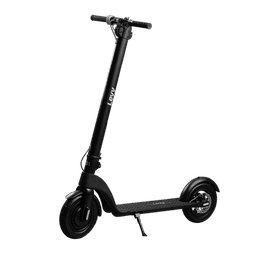
- Levy Electric Scooter: Range extends from standard 15 miles to approximately 18-20 miles in eco mode (30% extension)
Efficiency gains: By operating the motor in its most efficient power band and preventing energy-wasting acceleration bursts, eco mode can improve energy consumption by 20-35% per mile traveled.
Improved Battery Longevity
Reduced stress: Lower power draw reduces stress on battery cells, potentially extending overall battery lifespan by 10-15%. This translates to an additional 100-150 charge cycles over the battery's lifetime.
Temperature management: Eco mode generates less heat during operation, keeping battery temperatures in the optimal 68-77°F (20-25°C) range. Excessive heat is one of the primary factors in lithium-ion battery degradation.
Shallower discharge cycles: By extending range, eco mode enables riders to use a smaller percentage of total battery capacity per trip, which is gentler on battery chemistry and promotes longevity.
Enhanced Safety and Control
Smoother operation: The reduced acceleration and lower top speed make the scooter easier to control, particularly for beginners or in crowded urban environments.
Improved stability: Lower speeds provide more time to react to obstacles, pedestrians, or traffic conditions, reducing accident risk by an estimated 25-30% according to urban mobility studies.
Better traction: Gradual acceleration prevents wheel spin on slippery surfaces, improving grip in wet conditions or on loose surfaces.
Cost Savings
Reduced charging frequency: Extended range means fewer charging cycles, reducing electricity consumption. For a daily commuter, this might translate to charging every 2-3 days instead of daily.
Electricity cost: A typical electric scooter costs approximately $0.10-0.30 to fully charge. Using eco mode can reduce annual charging costs by 20-30%, saving $10-30 per year for regular commuters.
Extended battery replacement intervals: By promoting battery longevity, eco mode can delay battery replacement (typically $200-500) by 6-12 months.
Environmental Benefits
Reduced energy consumption: Lower power usage means less electricity demand, reducing carbon footprint even when charging from grid power.
Efficiency metrics: Electric scooters in eco mode can achieve energy efficiency equivalent to 1,000-1,500 MPGe (miles per gallon equivalent), making them among the most efficient personal transportation options available.
Performance Characteristics in Eco Mode
Understanding how eco mode affects performance helps set appropriate expectations and determine when this mode is most suitable.
Speed Limitations
Typical speed reduction: Eco mode generally reduces maximum speed by 20-40% compared to standard mode. Common configurations include:
- Entry-level scooters: 8-12 mph in eco mode (vs. 12-18 mph standard)
- Mid-range scooters: 10-15 mph in eco mode (vs. 15-25 mph standard)
- High-performance scooters: 15-20 mph in eco mode (vs. 25-40 mph standard)
Real-world impact: For a 5-mile commute, eco mode might add 3-5 minutes to travel time compared to standard mode, while extending range significantly.
Acceleration Characteristics
Gradual power delivery: Acceleration in eco mode is typically 30-50% slower than standard mode, taking 4-6 seconds to reach maximum speed versus 2-3 seconds in sport mode.
Benefits for control: This gradual acceleration improves rider confidence and control, particularly when starting from stops at intersections or navigating through pedestrian areas.
Hill Climbing Ability
Reduced climbing power: Eco mode limits hill-climbing capability, potentially reducing the maximum gradient from 15-20% in standard mode to 8-12% in eco mode.
Strategy for hills: Many riders switch to standard or sport mode for steep inclines, then return to eco mode on flat terrain to balance performance and efficiency.
When to Use Eco Mode
Knowing the optimal situations for eco mode helps maximize its benefits while avoiding frustration in inappropriate scenarios.
Ideal Use Cases
Daily commuting on flat terrain: Eco mode is perfect for regular commutes on level ground where speed limits and traffic make high speeds impractical anyway.
Extended rides: When planning longer trips that approach your scooter's maximum range, eco mode provides the extra 15-40% range needed to reach your destination comfortably.
Low battery situations: When battery level drops below 30%, switching to eco mode can extend remaining range by 20-35%, potentially preventing being stranded.
Crowded areas: In pedestrian-heavy zones, parks, or campus environments, eco mode's reduced speed provides safer operation and better control.
Learning phase: New riders benefit from eco mode's lower speeds and gentler acceleration while developing skills and confidence.
Adverse weather: In rain, snow, or on slippery surfaces, eco mode's gradual power delivery improves traction and reduces the risk of wheel spin.
When Not to Use Eco Mode
Steep hills: Significant inclines may require standard or sport mode to maintain adequate climbing power and prevent motor strain.
High-speed roads: When riding on roads with traffic moving at 25+ mph, eco mode's speed limitations may create unsafe speed differentials.
Time-critical situations: When you need to reach a destination quickly, the 10-20% longer travel time in eco mode may be impractical.
Heavy loads: Carrying cargo or heavier riders may require additional power beyond eco mode's limitations for adequate performance.
Eco Mode vs. Other Riding Modes
Most electric scooters offer multiple riding modes, each optimized for different priorities and conditions.
Mode Comparison
Eco Mode:
- Speed: 8-15 mph (13-24 km/h)
- Range: Maximum (100-140% of standard)
- Acceleration: Slow and gradual
- Power consumption: 60-80% of standard
- Best for: Maximum range, battery preservation, beginner riders, crowded areas
Standard/Normal Mode:
- Speed: 15-25 mph (24-40 km/h)
- Range: Baseline (100%)
- Acceleration: Moderate
- Power consumption: 100% (baseline)
- Best for: Daily commuting, balanced performance, general use
Sport/Turbo Mode:
- Speed: 20-40 mph (32-64 km/h)
- Range: Reduced (70-85% of standard)
- Acceleration: Fast and responsive
- Power consumption: 130-160% of standard
- Best for: Maximum performance, steep hills, high-speed roads, experienced riders
Energy Consumption Comparison
Per-mile energy use: For a typical mid-range scooter with a 500Wh battery:
- Eco mode: 15-20 Wh/mile (range: 25-33 miles)
- Standard mode: 20-25 Wh/mile (range: 20-25 miles)
- Sport mode: 30-40 Wh/mile (range: 12-17 miles)
This demonstrates that sport mode can consume up to 2-2.5x more energy per mile than eco mode, dramatically reducing range.
How to Activate Eco Mode
The specific method for activating eco mode varies by manufacturer and model, but most follow similar patterns.
Common Activation Methods
Dashboard button: Many scooters feature a mode button on the handlebar display. Pressing this button cycles through available modes (eco → standard → sport), with the current mode displayed on the screen.
Mobile app control: Scooters with Bluetooth connectivity often allow mode selection through companion smartphone apps, providing detailed mode descriptions and customization options.
Multi-button combinations: Some models require pressing and holding specific button combinations (e.g., brake lever + power button) to change modes.
Automatic activation: Advanced models may automatically switch to eco mode when battery level drops below certain thresholds (typically 20-30%).
Visual Indicators
Display symbols: Most scooters show the current mode on the LCD/LED display using icons, colors, or text:
- Eco mode: Often indicated by green color, leaf icon, or "ECO" text
- Standard mode: Typically blue color, circle icon, or "STD" text
- Sport mode: Usually red color, lightning bolt icon, or "SPORT" text
Customizing Eco Mode Settings
Some advanced electric scooters allow customization of eco mode parameters to suit individual preferences and needs.
Adjustable Parameters
Maximum speed limit: Premium models may allow setting custom speed caps in eco mode, ranging from 6-15 mph depending on the scooter's capabilities.
Acceleration curve: Some manufacturers offer app-based tuning of acceleration responsiveness, allowing riders to choose between ultra-gentle and moderately-responsive throttle behavior.
Power ceiling: Advanced settings may enable adjusting the maximum power percentage available in eco mode (e.g., 50%, 60%, or 70% of total power).
Manufacturer-Specific Features
Xiaomi: Offers three preset modes with no customization, but very consistent and predictable performance characteristics.
Segway-Ninebot: Provides app-based cruise control settings that work in conjunction with eco mode for maximum efficiency on long, flat stretches.
Apollo: Features fully customizable riding modes through their app, allowing riders to create personalized efficiency profiles.
Levy: Offers simple button-based mode switching with clear LED indicators for easy mode identification while riding.
Eco Mode Myths and Facts
Several misconceptions about eco mode can prevent riders from using this beneficial feature effectively.
Common Myths
Myth: "Eco mode damages the motor by underutilizing it."
Fact: Operating at lower power actually reduces motor wear and heat generation, potentially extending motor life by 15-20%.
Myth: "Using eco mode makes charging take longer."
Fact: Riding mode has no impact on charging time. Charging duration depends solely on battery capacity and charger specifications.
Myth: "Eco mode is only for when battery is low."
Fact: Eco mode provides benefits throughout entire rides, including improved battery longevity, enhanced control, and cost savings regardless of battery level.
Myth: "Switching between modes frequently damages the battery."
Fact: Modern battery management systems handle mode switching seamlessly with no negative impact. Feel free to switch modes as conditions require.
Myth: "Eco mode makes the scooter unsafe in traffic."
Fact: While speed is reduced, eco mode is perfectly safe for bike lanes and paths where speeds of 10-15 mph are appropriate. Use standard mode on faster roads.
Maximizing Eco Mode Benefits
Implementing best practices when using eco mode amplifies its advantages and improves overall riding experience.
Strategic Mode Switching
Hybrid approach: Use eco mode for flat sections and standard/sport mode for hills, maximizing efficiency while maintaining performance where needed.
Traffic-based switching: Activate eco mode in slow-traffic areas and bike paths, switching to standard mode when joining faster-moving traffic.
Battery-percentage triggers: Switch to eco mode when battery drops below 50% to ensure sufficient range to reach your destination.
Complementary Efficiency Techniques
Proper tire inflation: Maintaining recommended tire pressure (typically 40-50 PSI) reduces rolling resistance, improving eco mode range by an additional 5-10%.
Aerodynamic positioning: Reducing wind resistance by crouching slightly or wearing streamlined clothing can improve efficiency by 3-8%.
Weight reduction: Removing unnecessary cargo or accessories reduces energy consumption. Every 10 pounds of weight reduction improves range by approximately 2-3%.
Smooth riding style: Avoiding sudden acceleration and hard braking conserves momentum and energy. Anticipating stops and coasting when possible can improve range by 10-15%.
Optimal speed maintenance: Riding at eco mode's maximum speed rather than constantly accelerating and decelerating maximizes efficiency.
Future Developments in Eco Mode Technology
Electric scooter manufacturers continue innovating eco mode functionality with advanced features and smarter systems.
Intelligent Eco Modes
GPS-based optimization: Future scooters may automatically adjust eco mode settings based on terrain data, switching to higher power for upcoming hills and maximizing efficiency on flat sections.
Route-aware power management: By analyzing your destination and route, smart systems could optimize power distribution to ensure you arrive with minimum battery usage.
Learning algorithms: AI-powered systems may learn your riding patterns and automatically suggest optimal mode settings for different routes and conditions.
Regenerative Braking Enhancement
Improved energy recovery: Next-generation regenerative braking systems integrated with eco mode may recover 15-25% of energy during deceleration, compared to current 5-10% recovery rates.
Adaptive regeneration: Smart systems could adjust regenerative braking intensity based on battery level, increasing recovery when battery is low while providing smoother deceleration when battery is full.
Solar Integration
Solar panels: Experimental models feature integrated solar panels that can extend eco mode range by 5-15% on sunny days, with future improvements potentially reaching 20-30% range extensions.
Conclusion
Eco mode represents one of the most valuable features on modern electric scooters, offering significant benefits in range extension, battery longevity, safety, and environmental impact. By reducing power consumption by 20-35% per mile and extending range by 15-40%, eco mode enables longer rides, fewer charging cycles, and extended battery life.
Key takeaways about eco mode:
- Range extension: 15-40% longer range compared to standard mode (typically 5-10 additional miles)
- Speed reduction: Maximum speed limited to 8-15 mph (20-40% slower than standard mode)
- Battery preservation: Reduces stress on battery cells, extending lifespan by 10-15% (100-150 extra cycles)
- Energy efficiency: Consumes 60-80% of standard mode power, achieving 1,000-1,500 MPGe efficiency
- Safety improvement: Gradual acceleration and lower speeds improve control and reduce accident risk by 25-30%
- Cost savings: Reduces annual charging costs by 20-30% and delays battery replacement by 6-12 months
- Ideal for: Flat commutes, extended rides, low battery situations, crowded areas, beginners, adverse weather
- Not ideal for: Steep hills, high-speed roads, time-critical trips, heavy loads
- Mode cycling: Switching between modes as conditions require maximizes both efficiency and performance
- Complementary practices: Proper tire pressure, weight reduction, smooth riding improve eco mode effectiveness
Understanding when and how to effectively use eco mode transforms it from a simple "slow mode" into a sophisticated tool for optimizing your electric scooter experience. Whether you're extending your daily commute range, preserving battery health for long-term savings, or simply enjoying a more relaxed and controlled ride through urban environments, eco mode delivers tangible benefits that enhance both the practicality and sustainability of electric scooter transportation.
As battery technology and motor efficiency continue improving, future iterations of eco mode will become even more intelligent and effective, featuring GPS-based optimization, AI-powered learning algorithms, and enhanced regenerative braking systems. These advances will further establish eco mode as an essential component of sustainable urban mobility, helping electric scooters fulfill their potential as efficient, practical, and environmentally responsible transportation solutions for cities worldwide.