





Unlocking the Mechanism: How Do Lime Bikes Ensure Security?
Lime scooters/bikes use multi-layered security: built-in smart locks with physical locking pins, GPS tracking across 18.8B IoT devices (2024), patent-pending geofencing (90% faster detection, 30% more accurate), Gen 4 LimeLock cable system, real-time monitoring, Bluetooth/QR unlocking, photo verification. Complete security technology guide 2025.
With the rising popularity of electric scooters and bike-sharing services—with the global IoT device market reaching 18.8 billion connected devices by end of 2024 (13% increase from 2023)—potential riders often wonder how their rentals stay secure when not in use. Lime, as a leading company in the micromobility sector with operations in 200+ cities across 30 countries, employs an innovative multi-layered security system combining smart locking technology, GPS tracking, IoT connectivity, patent-pending geofencing, and real-time monitoring to protect their fleet of electric scooters and bikes from theft, vandalism, and unauthorized use. This comprehensive security infrastructure ensures that Lime vehicles remain safe while parked, deters theft (with 129% surge in private e-scooter theft but minimal Lime fleet losses due to tracking technology), enables compliance with municipal parking regulations, and provides riders with peace of mind knowing their rental is protected by enterprise-grade security systems that detect tampering, unauthorized movement, and parking violations within seconds.
Built-In Smart Lock System: Physical Security Foundation
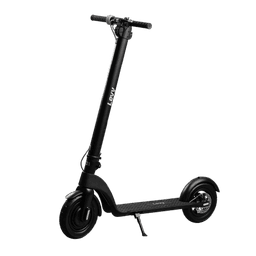
Lime's electric scooters and bikes are outfitted with built-in smart locks, which are integral parts of their design and represent the first line of defense against theft and unauthorized use. When a rider ends their trip through the Lime app, the locking mechanism is engaged automatically—a process that is straightforward yet highly effective at preventing vehicle movement. The system uses a physical locking pin that activates electronically and secures the bike's or scooter's rear wheel, rendering it completely immobile and protected against theft or unauthorized use until the next authorized rider unlocks it through the app.
How the smart lock works:
- App-controlled activation: When rider taps "End Ride" in Lime app, command sent via cellular network (4G/LTE) to vehicle's onboard computer
- Electronic engagement: Motorized locking pin extends into rear wheel mechanism, physically blocking wheel rotation
- Immediate immobilization: Vehicle becomes inoperable within 2-3 seconds of trip end, preventing rolling or riding
- Tamper detection: Sensors monitor lock status—any attempted forced removal triggers immediate alerts to operations team
- Battery backup: Lock remains engaged even if main battery depletes, ensuring security during low-power states
- Dual verification: Unlocking requires both app authentication (user account verification) and proximity confirmation (Bluetooth signal)
This integrated smart lock design eliminates the need for riders to carry separate locks or chains, streamlining the rental experience while maintaining robust physical security that prevents casual theft attempts and unauthorized joyrides.
Gen 4 LimeLock: Cable Lock Innovation
Lime's Gen 4 scooters (rolled out 2021-2023 across major North American cities) introduced the groundbreaking LimeLock system—a Bluetooth-enabled cable lock that allows riders to securely tether scooters to bike racks or other permitted infrastructure, addressing municipal concerns about sidewalk clutter and improving parking compliance.
LimeLock cable lock features:
- Integrated storage: Retractable cable lock housed within scooter frame (no separate lock to carry or lose)
- Bluetooth control: Cable releases via Bluetooth command from Lime app during ride end process
- Parking enforcement: Many cities (including Washington DC as of October 2021) require riders to physically lock scooters to bike racks—LimeLock enables compliance
- Cable specifications: Durable steel cable (approximately 3-4 feet length) resistant to cutting with standard tools
- Tethering requirement: App prompts riders to wrap cable around bike rack or approved parking infrastructure before allowing ride completion
- Photo verification: Riders must submit photo of properly locked/parked scooter—AI analyzes parking compliance before finalizing trip
- Penalty system: Improper locking results in warnings, fines ($5-$25 typical), or account suspension for repeat violations
Gen 4 design improvements for security:
- Double kickstand: Wide, stable kickstand prevents tipping (reduces vandalism from fallen scooters)
- Low center of gravity: Weighted battery placement keeps scooter upright when parked (less attractive target for vandals)
- Swappable batteries: Interchangeable battery design allows Lime operations team to service vehicles without moving entire scooter (reduces theft during maintenance)
- Reinforced construction: Aluminum frame with anti-tamper hardware (proprietary screws require specialized tools to remove components)
The LimeLock system represents Lime's response to regulatory requirements and demonstrates how shared mobility operators balance user convenience with municipal parking compliance—a critical factor in maintaining city partnerships and operating permits.
GPS Tracking and Real-Time IoT Monitoring
The high-tech security approach doesn't stop with physical locks—every Lime bike and scooter is GPS-tracked and constantly connected to the Lime IoT network, meaning the location of each vehicle is monitored in real-time 24/7, adding multiple layers of digital security that complement physical locking systems. This real-time connectivity provides Lime with unprecedented visibility into fleet operations, enables rapid response to security threats, and generates valuable data for optimizing vehicle distribution and identifying theft patterns.
GPS tracking capabilities:
- Continuous location updates: GPS module transmits coordinates every 30-60 seconds during active rides, every 5-15 minutes when parked
- Precision accuracy: Modern GPS chips accurate to within 10-15 feet (3-5 meters) under good satellite visibility
- Indoor/urban tracking: Cellular triangulation supplements GPS in areas with poor satellite reception (parking garages, urban canyons)
- Motion detection: Accelerometers detect movement—if scooter moves without authorized unlock, system triggers theft alert
- Battery monitoring: Real-time battery percentage tracking enables operations team to identify vehicles needing charging before they become stranded
- Ride history logging: Complete trip records (start location, route, end location, duration, rider ID) stored for security audits
IoT connectivity infrastructure:
- 4G/LTE cellular: Each vehicle contains SIM card for cellular data connection (enables real-time communication with Lime servers)
- Cloud-based monitoring: Vehicle data streams to Lime's cloud platform for analysis, alerting, and fleet management
- IoT device scale: Lime's fleet part of broader IoT ecosystem with 18.8 billion connected devices worldwide as of end 2024
- Network redundancy: Multiple cellular carriers ensure connectivity even in areas with single-carrier dead zones
- Data encryption: All vehicle-to-server communications encrypted (prevents hackers from intercepting location data or sending unauthorized unlock commands)
Real-time security monitoring and alerts:
Should a Lime bike or scooter be tampered with or moved without a proper checkout through the app, the system automatically alerts the operations team, ensuring a swift response to any potential security threats. The monitoring system analyzes multiple data streams simultaneously to distinguish between legitimate use, accidental bumps, and actual theft attempts.
Alert triggers and response protocols:
- Unauthorized movement: If locked scooter moves more than 50 feet without app unlock → immediate alert to local operations team (typical response time: 15-45 minutes in urban areas)
- Prolonged offline status: Vehicle not reporting location for 2+ hours → flagged for potential GPS tampering or battery removal
- Geofence violations: Scooter exits operational service area → notifications sent to last rider, potential fees applied if rider responsible
- Physical tampering: Vibration sensors detect drilling, cutting, or forceful lock manipulation → alert escalated to security team and local law enforcement if necessary
- Coordinated theft patterns: AI analyzes fleet data to identify suspicious patterns (multiple vehicles disappearing from same area, accounts with unusual rental patterns)
This comprehensive GPS-IoT tracking infrastructure makes Lime scooters and bikes extremely difficult to steal successfully—even if physical locks defeated, vehicle's location remains visible to Lime, enabling recovery through law enforcement coordination or direct retrieval by operations teams.
Patent-Pending Geofencing Technology: Market-Leading Zone Detection
Lime introduced patent-pending geofenced zone detection technology that is market-leading across all scooter providers, implementing geofence zone commands up to 90% faster and 30% more accurately than previous generation models—a breakthrough that enhances both security and regulatory compliance. This advanced geofencing system rapidly informs riders of safety information, parking restrictions, speed limits, and no-ride zones based on their current geographical location, while simultaneously preventing unauthorized use in prohibited areas.
How Lime's geofencing works:
- Onboard zone mapping: Each scooter contains pre-loaded geofence map of local operational area (parking zones, speed zones, no-ride zones)
- Real-time position checking: GPS coordinates compared against zone boundaries every 1-2 seconds during active rides
- Instant zone detection: 90% faster detection means vehicle responds within 1-2 seconds of crossing geofence boundary (vs. 10-20 seconds in older systems)
- Improved accuracy: 30% better accuracy reduces false positives (vehicle incorrectly detecting zone entry/exit due to GPS drift)
- Multi-layer zones: Different geofence types overlay same geographic area (speed limit + parking restriction + no-ride zone can all apply simultaneously)
Security applications of geofencing:
- Service area boundaries: Scooters automatically slow and eventually stop if ridden beyond operational boundaries (prevents theft via riding scooter out of service area)
- Restricted zone enforcement: No-ride zones (airports, private property, government facilities) cause scooter to gradually reduce speed to 0 mph upon entry
- Parking zone compliance: App prevents ride completion unless scooter parked in designated green zones (reduces impound risk, maintains city partnerships)
- Theft deterrent: Thieves cannot ride stolen scooters outside service area—vehicle becomes inoperable, location continuously tracked
- Vandalism reduction: Limiting scooter access to well-monitored urban areas reduces risk of vehicles being dumped in rivers, abandoned in remote locations
Regulatory compliance benefits:
- Dynamic speed limits: Geofences automatically reduce max speed in pedestrian zones (15 mph → 8 mph), school zones (15 mph → 5 mph), or high-traffic areas
- Time-based restrictions: Geofences activate/deactivate based on time of day (e.g., no-ride zones in business districts active 6am-10am weekdays)
- Rapid deployment: Lime can implement new geofence zones within hours in response to city requests (special events, emergency closures, construction)
- Audit trails: Complete logs of geofence violations help Lime demonstrate compliance to regulators, identify problem riders
Lime's geofencing technology sets industry standards for shared mobility security and represents significant advancement over earlier systems that relied solely on post-ride location checks—real-time enforcement during rides dramatically improves compliance and security outcomes.
Bluetooth and QR-Code Unlocking: Secure Access Control
Lime scooters utilize dual-method authentication combining Bluetooth proximity verification and QR-code scanning technology to ensure only authorized app users can unlock vehicles, preventing unauthorized access and creating audit trails linking specific riders to specific vehicles.
Unlocking process and security layers:
- Account authentication: User must be logged into verified Lime account (email/phone confirmed, payment method on file, no outstanding violations)
- QR code scanning: Rider scans unique QR code on vehicle handlebars—each scooter has distinct identifier preventing app-based spoofing
- Bluetooth confirmation: App verifies rider's phone in physical proximity to scooter via Bluetooth signal (prevents remote unlocking of scooters user cannot physically access)
- Age verification: Account creation requires birthdate confirmation—riders under 18 blocked from unlocking in most jurisdictions
- Ride initiation: Once authentication complete, unlock command sent to scooter's IoT module, physical lock disengages, throttle becomes active
- Photo documentation: At ride end, riders submit photo showing proper parking—AI analyzes compliance before allowing account to unlock another scooter
Security advantages of dual-method unlocking:
- Prevents account sharing: Proximity requirement stops users from remotely unlocking scooters for others (reduces fraudulent free rides)
- Deters theft: Even if someone physically steals scooter, cannot unlock throttle without authenticated app access
- Creates accountability: Every unlock tied to specific user account—vandalism, theft, or violations traceable to individual rider
- Enables bans: Users violating terms (improper parking, reckless riding, tampering) can be permanently blocked from unlocking any Lime vehicle
- Fraud prevention: QR code uniqueness prevents scammers from creating fake "unlockable" scooters to collect unlock fees
Tamper Detection and Vehicle Recovery Systems
Lime's security infrastructure includes sophisticated sensors and protocols for detecting tampering attempts, coordinating with law enforcement for recovery of stolen vehicles, and analyzing theft patterns to improve fleet protection.
Tamper detection technologies:
- Vibration sensors: Detect unusual vibrations characteristic of cutting, drilling, or forceful lock removal—triggers immediate alert
- Accelerometer monitoring: Measures tipping, dropping, or violent movement while locked—distinguishes between wind/bumps vs. theft attempts
- GPS jamming detection: Identifies when GPS signal suddenly lost but cellular connection maintained (indicates possible GPS jammer use by thieves)
- Component removal sensors: Detects removal of key components (battery, display, handlebars)—alerts operations team to vandalism
- Lock status monitoring: Electronic lock continuously reports status—unexpected status changes (locked → unlocked without app command) trigger alerts
Vehicle recovery protocols:
- Operations team dispatch: Lime's local operations team (Juicers, fleet managers) dispatched to last known location within 15-60 minutes
- Law enforcement coordination: For confirmed thefts, Lime provides GPS coordinates, ride history, and last rider information to police
- Remote disabling: Stolen scooters can be remotely disabled (throttle locked out) making them unusable even if physically transported
- Recovery network: Lime maintains relationships with impound lots, property managers who contact company when abandoned scooters found
- Auction monitoring: Lime monitors government surplus auctions where impounded scooters sometimes sold—company can reclaim legitimately owned vehicles
Anti-theft statistics and effectiveness:
While private e-scooter theft surged 129% according to ABC Los Angeles reports, Lime's tracked fleet experiences minimal theft losses due to comprehensive security systems. Stolen scooters are privately-owned rather than from shared market operators like Bird or Lime—the GPS tracking makes Lime vehicles unattractive theft targets since location remains visible to company even after theft, enabling recovery and prosecution.
User Experience: Seamless Security Integration
For users, the peace of mind comes with the knowledge that starting and ending a ride is all at their fingertips while robust security operates invisibly in the background. Through the Lime app, a rider can easily locate a nearby bike or scooter, unlock it by scanning the QR code or entering the vehicle's ID, and securely lock the vehicle at the end of their journey by following the in-app instructions—all while benefiting from enterprise-grade security systems protecting both the rider and the vehicle.
Step-by-step secure ride process:
- Vehicle location: App displays nearby available scooters/bikes on real-time map (GPS updates every 30-60 seconds)
- Reservation option: Can reserve vehicle for 10-15 minutes (prevents others from unlocking while you walk to it)
- Unlocking: Scan QR code or enter vehicle ID → app verifies account → Bluetooth confirms proximity → unlock command sent → physical lock disengages (total process: 5-10 seconds)
- Pre-ride safety check: App prompts rider to verify brakes, lights, tires functional (liability protection for Lime, safety for rider)
- Riding: GPS tracks route, geofencing enforces speed/zone restrictions, battery level monitored continuously
- Ending ride: Tap "End Ride" → app checks GPS location (must be in allowed parking zone) → take photo of parked scooter → AI verifies proper parking → lock engages → trip receipt generated
- Post-ride accountability: If photo shows improper parking (blocking sidewalk, not using bike rack where required), rider receives warning/fine
Security features from rider perspective:
- Transparent tracking: Riders aware their route tracked (disclosed in terms of service)—creates accountability, deters misuse
- Damage reporting: In-app feature lets riders report vandalism, maintenance issues—helps Lime identify problem areas, maintain fleet
- Account security: Two-factor authentication options, password requirements, payment tokenization protect user accounts from hijacking
- Ride receipts: Detailed trip records (start/end time, location, distance, cost) provide documentation if disputes arise
- Customer support: In-app chat and phone support help riders resolve issues (scooter won't unlock, incorrect charges, safety concerns)
This seamless integration of user-friendly technology and robust safety measures makes Lime bikes and scooters a top choice for eco-conscious urban transportation—riders enjoy convenience of dockless mobility without compromising security or accountability.
Municipal Partnerships and Regulatory Compliance
As cities continue to embrace green transportation, the security of shared electric scooters and bikes remains a priority for both operators and regulators. Lime's dedication to smart, safe locking systems illustrates the importance of combining convenience with security—a practice that is essential in advancing the popularity and reliability of micromobility solutions while maintaining positive relationships with city governments.
City partnership requirements Lime's security addresses:
- Parking enforcement: Cities like Washington DC require physical locking to infrastructure—Lime's Gen 4 LimeLock enables compliance
- Sidewalk clutter reduction: Geofencing and required parking zones prevent scooters from blocking pedestrian access
- Data sharing: Many cities require operators share anonymized trip data for transportation planning—Lime's GPS tracking enables compliance
- Fleet size limits: Cities cap number of scooters per operator—GPS tracking ensures Lime doesn't exceed permitted fleet sizes
- Rapid retrieval: Cities require operators retrieve improperly parked vehicles within 1-2 hours—real-time monitoring enables fast response
- Safety zones: Cities designate no-ride zones (historic districts, waterfronts)—geofencing enforces restrictions
- Equity requirements: Some cities require minimum service levels in underserved neighborhoods—GPS data proves compliance
Benefits of security systems for cities:
- Reduced impounds: Better parking compliance means fewer city resources spent impounding/storing scooters
- Safety improvements: Speed-limiting geofences in pedestrian areas reduce collision risk
- Vandalism deterrence: Tracked, monitored scooters less likely to be vandalized or dumped in rivers/lakes
- Accountability: When incidents occur (property damage, injuries), GPS data and rider IDs enable investigation
- Planning data: Aggregated trip data helps cities understand transportation patterns, plan infrastructure improvements
Future Security Innovations and Industry Trends
The shared mobility security landscape continues evolving as technology advances and new threats emerge—Lime and competitors investing in next-generation security features for 2025 and beyond.
Emerging security technologies:
- AI-powered theft prediction: Machine learning analyzes patterns to predict high-theft areas/times, enabling proactive fleet redistribution
- 5G connectivity: Next-gen cellular networks enable sub-second response times for geofence commands, theft alerts (GPS-IoT 2025 trend)
- Computer vision parking: Advanced AI analyzes parking photos to verify proper orientation, distance from buildings, accessibility compliance
- Biometric authentication: Potential future integration of fingerprint or facial recognition for unlocking (reduces account sharing fraud)
- Blockchain trip records: Immutable distributed ledger for ride history could prevent post-trip disputes, enhance accountability
- Swarm intelligence: Scooters communicate with nearby vehicles to detect coordinated theft attempts, unusual fleet-wide patterns
- Battery tracking: Individual battery serial numbers tracked separately from scooters—prevents black market resale of stolen components
Industry-wide security improvements expected 2025-2027:
- Standardized geofencing protocols: Industry collaboration on universal geofence standards (enables better cross-operator enforcement)
- Enhanced law enforcement integration: Direct API access for police to track stolen vehicles in real-time (with warrant/subpoena)
- Insurance integrations: Ride-based micro-insurance covering theft, liability automatically included in rental price
- Sustainability-security crossover: Theft-deterrent designs that also improve vehicle longevity, reduce environmental impact
Conclusion: Comprehensive Security for Shared Mobility
Lime's multi-layered security infrastructure—combining built-in smart locks with physical locking pins, GPS tracking across the 18.8 billion-device IoT ecosystem, patent-pending geofencing technology (90% faster zone detection, 30% more accurate), Gen 4 LimeLock cable systems, Bluetooth/QR-code authentication, real-time tamper monitoring, and photo verification—represents the industry's most comprehensive approach to protecting shared electric scooters and bikes in 2024-2025. This integrated security strategy addresses multiple threat vectors simultaneously: physical locks prevent casual theft, GPS tracking enables recovery of stolen vehicles, geofencing enforces regulatory compliance, real-time monitoring detects tampering within seconds, and authentication systems create accountability by linking rides to verified user accounts.
The effectiveness of Lime's security systems is demonstrated by the stark contrast between private e-scooter theft (which surged 129% according to recent reports) and Lime's fleet losses (which remain minimal despite operating hundreds of thousands of vehicles globally)—the GPS tracking and remote disabling capabilities make Lime scooters unattractive targets for thieves who recognize that stolen vehicles remain trackable and non-functional even after theft. For riders, Lime's security operates transparently in the background, providing enterprise-grade protection without complicating the user experience—unlocking takes 5-10 seconds via QR scan, riding is seamless with automatic geofence enforcement, and locking at trip end requires only a compliant parking photo, all while comprehensive security systems protect both vehicle and rider.
Looking forward, shared mobility security will continue advancing through AI-powered theft prediction, 5G-enabled instant response systems, computer vision parking verification, and enhanced law enforcement integration—innovations that will make Lime and competing services even more secure, sustainable, and compliant with evolving municipal regulations. As cities worldwide embrace micromobility as essential transportation infrastructure (with 200+ cities currently hosting Lime operations across 30 countries), the security technologies pioneered by Lime set industry standards that balance user convenience, regulatory compliance, theft prevention, and operational efficiency—proving that shared electric scooters and bikes can be both accessible and secure when supported by sophisticated IoT, GPS, and geofencing infrastructure.