





Unveiling the Best Electric Scooters of 2015: A Ride into the Past
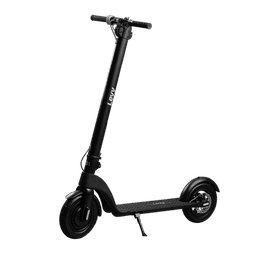
Take a ride back to 2015 and explore the electric scooters that paved the way for the future of urban commuting, including the groundbreaking Levy Electric Scooter.
Looking back at electric scooters from nearly a decade ago reveals how dramatically the technology has evolved. The models that defined transportation in 2015 represented significant achievements for their time, yet comparing them to modern scooters highlights the remarkable progress in battery technology, motor efficiency, build quality, and features. Understanding this evolution helps appreciate both how far electric mobility has come and what innovations truly matter for riders today.
The State of Electric Scooters in 2015
Technology Landscape
Electric scooters in 2015 occupied a very different technological position than today's models:
- Lithium-ion batteries were still relatively new to consumer scooters
- Range typically maxed out around 10-15 miles per charge
- Top speeds rarely exceeded 15 mph for consumer models
- Build quality varied dramatically between manufacturers
- Smart features and app connectivity were virtually nonexistent
- Folding mechanisms were often bulky and unreliable
Market Characteristics
The electric scooter market in 2015 looked vastly different:
- Limited manufacturer selection
- Higher prices relative to performance
- Niche product for early adopters rather than mainstream transportation
- Minimal regulatory framework
- Few dedicated retailers or service networks
Notable Electric Scooters of 2015
Inokim Quick 2
The Inokim Quick 2 was revered for its superior build quality and reliable performance, representing the premium tier of scooters available in 2015:
Specifications
- Motor: 350W brushless
- Top speed: 15 mph
- Range: Approximately 12-15 miles
- Weight: Around 30 lbs
- Folding design with quick-release mechanism
- Front and rear suspension
What Made It Stand Out
- Exceptional build quality for the era
- Reliable performance and durability
- Comfortable ride with dual suspension
- Premium price reflected superior components
- Popular among serious commuters
Razor E300 Electric Scooter
The Razor E300 Electric Scooter stood out for being accessible and user-friendly, making electric scooters available to budget-conscious riders:
Specifications
- Motor: 250W chain-driven
- Top speed: 15 mph
- Runtime: 40 minutes continuous use
- Weight capacity: 220 lbs
- Large deck and frame
- Pneumatic front tire
What Made It Popular
- Affordable entry point into electric scooters
- Established brand with retail presence
- Simple, reliable operation
- Adequate performance for casual riding
- Wide availability
Other Notable Models
E-TWOW S2
- Lightweight portable design (22 lbs)
- Pioneer in ultra-portable scooters
- Compact folding for easy carrying
- Popular with urban commuters with multi-modal transportation
EcoReco M5
- Innovative handlebar-integrated battery
- Removable battery for convenient charging
- Forward-thinking modular design
- Premium pricing but unique features
Battery Technology in 2015
The Lithium-Ion Revolution
Lithium-ion batteries were invented in 1991 and could store the most energy per kilogram with faster charging times. The 2010s marked a turning point for electric scooters thanks to lithium-ion batteries, which allowed e-scooters to become lighter, faster, and more efficient with improved range and reduced charging times.
Limitations of Era
Despite lithium-ion adoption, 2015 batteries faced constraints:
- Lower energy density than modern cells
- Longer charging times (4-8 hours typical)
- Limited cycle life (300-500 charges common)
- Non-removable batteries in most models
- Higher costs per watt-hour
- Less sophisticated battery management systems
Comparing 2015 to Modern Scooters
Battery and Range Improvements
Modern electric scooters feature batteries that offer longer life spans and quicker charging times, owing to advancements in lithium-ion technology:
- Range: Modern scooters routinely achieve 25-40+ miles vs. 10-15 miles in 2015
- Charging speed: Fast charging now common, reducing wait times significantly
- Battery life: Current cells last 800-1000+ cycles vs. 300-500
- Removable batteries: Innovations like swappable battery systems enable instant range extension
Performance Evolution
- Motor power: 500-1000W common now vs. 250-350W in 2015
- Top speeds: 20-30 mph achievable vs. 15 mph maximum
- Hill climbing: Dramatically improved torque and power
- Weight capacity: Better frames support heavier riders
Safety Features
Today's electric scooters come equipped with superior safety features including advanced braking systems, better tire traction, and enhanced lighting for nighttime visibility:
- Braking systems: Dual disc brakes now standard vs. single rear brake in 2015
- Lighting: Integrated front and rear lights with turn signals vs. basic or no lights
- Tires: Larger pneumatic or honeycomb tires vs. smaller solid tires
- Suspension: Front and rear suspension common vs. rare in 2015
Build Quality and Design
- Materials: Aircraft-grade aluminum and advanced alloys vs. basic steel
- Folding mechanisms: Refined, reliable systems vs. clunky early designs
- Water resistance: IP ratings (IP54-IP67) now specified vs. minimal protection
- Weight reduction: Stronger yet lighter construction
Smart Features
Modern scooters include technology unimaginable in 2015:
- Smartphone app connectivity for diagnostics and settings
- GPS tracking and anti-theft features
- Customizable riding modes and regenerative braking
- Digital displays showing speed, battery, range
- Firmware updates improving performance
What 2015 Got Right
Foundational Innovations
Several concepts pioneered in 2015 remain relevant:
- Folding portability: Core design philosophy established
- Brushless motors: Already standard for efficiency
- Lithium-ion batteries: Foundation for all future improvements
- Hub motor placement: Rear wheel drive configuration perfected
Quality Over Gimmicks
The best 2015 scooters prioritized solid fundamentals:
- Reliable mechanical construction
- Durable components designed for longevity
- Focus on core performance rather than unnecessary features
- Repairable designs with available spare parts
Lessons from 2015 Electric Scooters
What Worked
- Simple, reliable mechanical designs
- Focus on commuter practicality
- Portable folding configurations
- Established brands building reputation through quality
What Didn't Work
- Non-removable batteries limiting utility
- Insufficient range for serious commuting
- Weak lighting creating safety concerns
- Single brake systems with inadequate stopping power
- Limited after-sales support networks
Modern Innovations Solving 2015 Problems
Battery Revolution
While 2015 scooters had fixed batteries requiring wall outlet access, modern manufacturers recognized this limitation. Companies like Levy Electric pioneered swappable battery systems that transform electric scooter utility—carry a spare battery and instantly double your range without waiting hours for recharging. This innovation directly addresses one of 2015's most significant constraints.
Safety Advancements
- Dual braking systems now standard
- Integrated lighting improving visibility
- Better tires with improved wet-weather traction
- Suspension systems for safer rough-road handling
Build Quality Improvements
- Refined folding mechanisms that actually last
- Water-resistant construction with IP ratings
- Stronger frames supporting higher speeds safely
- Better quality control across the industry
The Evolution Continues
From 2015 to Now
The real revolution began around 2009 due to advancements in lithium-ion battery technology, allowing scooters to be charged at home. By 2015, electric scooters were transitioning from niche hobbyist devices to practical transportation alternatives. Today, they represent mature technology with mainstream acceptance.
Future Developments
The pace of innovation continues accelerating:
- Solid-state batteries promising even greater energy density
- Artificial intelligence optimizing performance and efficiency
- Advanced materials reducing weight while increasing strength
- Improved manufacturing driving costs down
- Expanded infrastructure supporting electric mobility
Appreciating Progress
Examining electric scooters from 2015 reveals how dramatically the technology has advanced in less than a decade. The models that seemed impressive then—with their 15 mph top speeds, 12-mile ranges, and basic features—now appear primitive compared to modern scooters offering double the speed, triple the range, superior safety, and smart connectivity.
Yet those 2015 scooters played crucial roles establishing the market, proving viability of electric micro-mobility, and identifying design directions that would define the industry. The Inokim Quick 2's emphasis on build quality and the EcoReco M5's removable battery concept foreshadowed innovations that manufacturers would refine and perfect in subsequent years.
Today's riders benefit from the experimentation, failures, and successes of that earlier generation of scooters. Modern electric scooters represent the culmination of years of iterative improvements—each solving problems identified in previous generations, each pushing performance boundaries further, each making electric transportation more practical for everyday riders.
Understanding this evolution helps riders appreciate not just where we are, but how rapidly electric mobility technology continues advancing toward even more capable, efficient, and practical personal transportation solutions.