01 / THE ROUTE
Start with your round trip
Count both directions, plus the errands you regularly add. A four-mile ride to work is eight miles before a detour or lunch trip. Compare that total with the listed range, then leave room for your own conditions instead of planning to use the last mile of a battery every day.
Use the scooter range calculator to explore your route. If your week combines cycling lanes, transit and walking, plan each connection before choosing a model.
02 / THE RIDER
Rider and cargo weight
Compare the model's maximum load with your weight plus the bag and gear you carry. Load capacity is different from the scooter's own carrying weight. Light and Plus have a published maximum load of 275 lbs; Max is rated to 375 lbs. Check the load and dimension rows together before deciding.
Think about your standing space and handlebar position too. If you can visit a Levy location, ask about seeing a model in person before ordering.
03 / THE CONNECTIONS
Folding is only part of portability
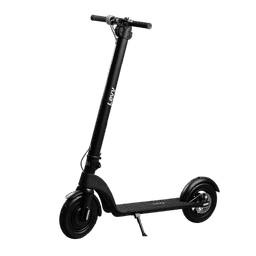
Count every lift: your front steps, station stairs, the office entrance and a car trunk. Compare Light at 27 lbs, Plus at 30 lbs and Max at 36 lbs with something you already carry. Measure your storage space against the model's folded dimensions rather than assuming any folding scooter will fit.
For a train-and-scooter commute, the subway commute guide walks through carrying, station access and planning the connection.
04 / THE RECHARGE
Decide where the battery will charge
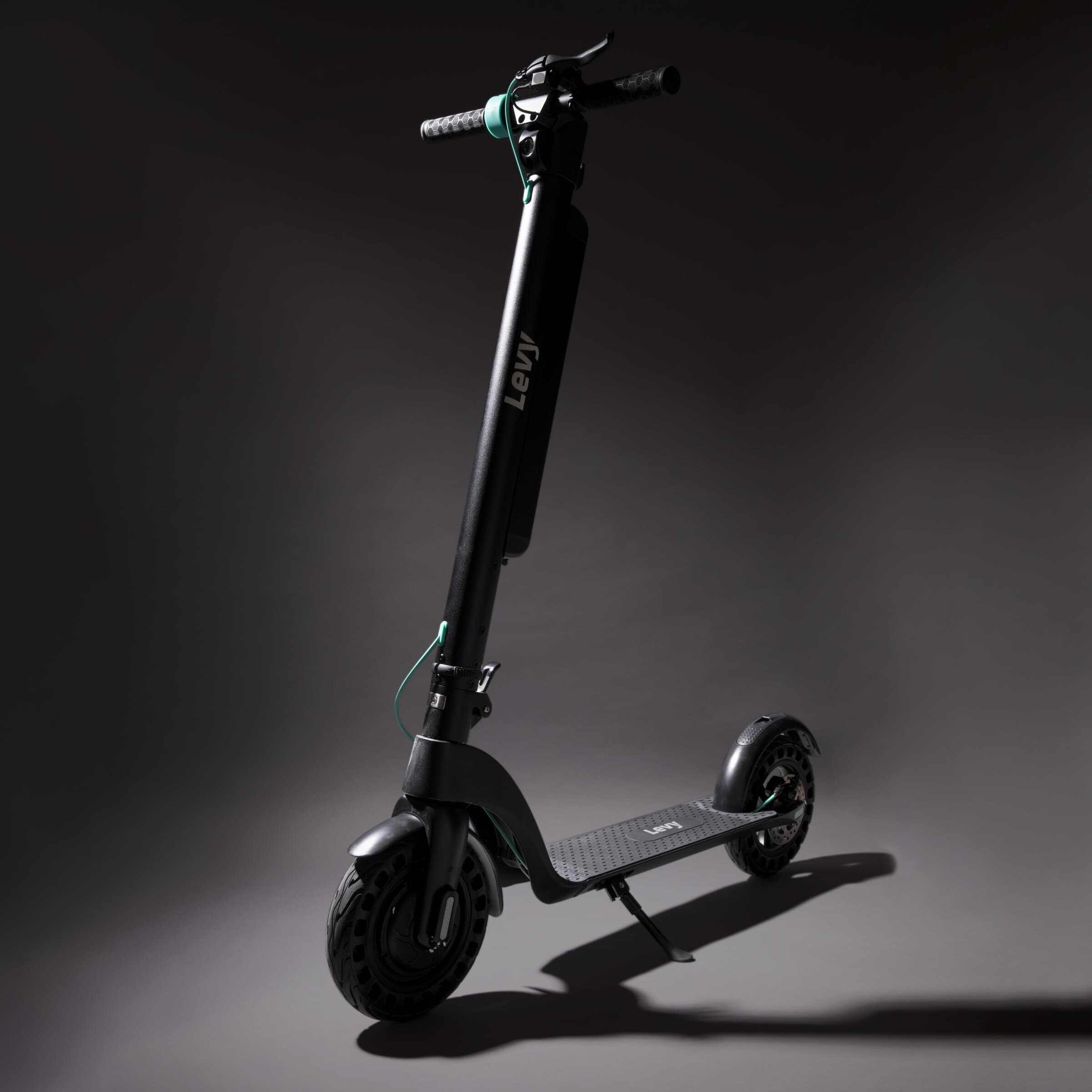
Levy removable packs let you bring the battery to an outlet while the scooter stays parked. Light and Plus use one stem pack; Max uses two removable packs. Map out where you will park, where charging is permitted and how long the scooter sits between trips.
Read about Levy swappable batteries and use the ownership-cost guide to plan charging and replacement-part costs alongside the scooter.