





Unveiling the Costs: What Businesses Shell Out to Charge Fleet Scooters
Discover the intricacies of charging costs for electric scooter fleets and learn how businesses manage and optimize this key operational expense for better efficiency and profitability.
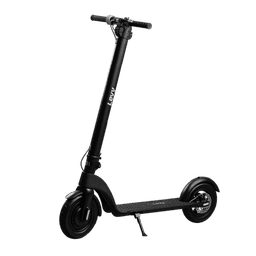
The silent hum of electric scooters has become a familiar symphony in cityscapes around the world. As scooters proliferate, businesses and startups have taken keen interest in understanding the operational costs, particularly what it takes to keep these modern chariots juiced up and ready to roll.
The Financials of Powering Up: A Deep Dive into Charging Costs
Charging electric scooters is a critical operational expense for companies running fleets. The cost can vary based on several factors including local electricity rates, the size of the scooter fleet, and the efficiency of the scooters. On average, to fully charge an electric scooter, it costs between $0.20 and $0.50 depending on the capacity of the scooter's battery and the cost of electricity in the area.
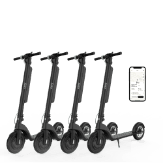
For a company with a mid-sized fleet, let's say 1,000 scooters, a full charge per scooter could therefore cost approximately $200 to $500. Typically, a scooter will need to be charged every day it is in use, which makes the daily cost for charging a fleet quite significant over time.
Strategic Charging: Maximizing Efficiency, Minimizing Expense
Businesses are always seeking ways to streamline costs. For those in the electric scooter domain, smart charging strategies are a game changer. This might include charging scooters This might include charging scooters This might include charging scooters This might include charging scooters during off-peak hours to benefit from lower electricity rates, or investing in high-efficiency chargers that trim charging time and energy use.
The Role of Independent Contractors in the Charging Equation
Many companies have adopted a model where independent contractors, often referred to as 'juicers', take on the task of charging the scooters. In such cases, the company pays the juicer a per-scooter fee, usually ranging from $3 to $7, depending on how depleted the scooter battery is and the time of day it's picked up for charging. This fee includes not just the cost of electricity, but also compensates the juicer for their time and effort.
Conclusion: A Balancing Act
Charging a fleet of electric scooters entails balancing operational costs with efficiency. For businesses, the key to profitability in the e-scooter industry lies in monitoring and optimizing charging expenses while ensuring a fully charged, readily available fleet for customers. As electric utility rates and technology evolve, so too will the strategies for maintaining a cost-effective charge.