





What NYC May Do Next: The September 30 E-Scooter Hearing
NYC has begun enforcing existing high-speed device limits, and the City Council will review additional e-bike and e-scooter proposals on September 30, 2026.
What NYC May Do Next on E-Bikes and E-Scooters
Status: pre-hearing analysis. The measures discussed below are proposals and are not current law. Last reviewed August 6, 2026.
New York City’s August 5 action against 42 online retailers is only one part of a much larger micromobility policy debate.
The cease-and-desist orders enforce existing limits against illegal high-speed e-bikes, stand-up scooters and unregistered mopeds. Separately, the New York City Council has announced a comprehensive e-bike and e-scooter safety hearing for September 30, 2026.
The hearing could shape the next round of legislation, enforcement, consumer protection, delivery-platform regulation and street design. It is important, however, to separate what is already law from what is merely under consideration.
What is already in effect
- A qualifying stand-up e-scooter must be under 100 pounds and capable of no more than 20 mph.
- E-scooter riders may not exceed 15 mph on city streets.
- E-scooters may use bicycle lanes and certain vehicle lanes but not sidewalks.
- Powered mobility devices sold, leased or rented in NYC must meet UL 2272 through an accredited laboratory; storage batteries must meet UL 2271.
- Online product listings must display the required certification information and battery-safety link.
- Mopeds require a VIN, registration, plate and appropriate driver’s license.
On August 5, the City announced that 42 online retailers had received cease-and-desist orders covering sales to all 175 NYC ZIP codes. Continued prohibited sales may result in civil penalties of up to $2,000 per sale, and illegal devices found operating on city streets may be impounded. Read the full crackdown explainer for details.
What will the September 30 hearing examine?
The Council says the hearing will include testimony from city agencies, transportation and public-safety experts, advocates, workers and members of the public. It will examine existing enforcement as well as more than a dozen potential legislative approaches. The Council’s announcement also cites more than 500 e-bike collisions in 2026 to date. Selected bills from the initial list:
Delivery-service licensing. Introduction 950 would require services that arrange deliveries in the city to obtain a business license from the Department of Consumer and Worker Protection, giving the City stronger oversight and enforcement tools over companies that profit from delivery activity.
A possible ban on sales and rentals of Class 3 e-bikes. Introduction 244 would prohibit the sale and rental of Class 3 electric-assist bicycles and establish civil penalties of up to $2,000. Class 3 e-bikes are currently defined as capable of up to 25 mph, although NYC riders remain subject to the city’s 15 mph operating limit.
A street-safety task force. Introduction 124 would create a task force to study safer street design and infrastructure for pedestrians, motorists, cyclists and e-bike operators.
Delivery-platform data reporting. Introduction 78 would require third-party apps to submit information related to delivery workers and trips, so the City can understand how routing, timing and platform expectations affect behavior and safety.
Expanded commercial-vehicle safety rules. Introduction 110 would expand commercial bicycle safety requirements to additional devices used for delivery, including e-bikes, mopeds and motorcycles.
More detailed enforcement reporting. Introduction 787 would require public reporting on targeted traffic-enforcement locations, reasons, violations issued and safety outcomes.
Moped registration verification. Introduction 389 would require third-party food-delivery services to verify that mopeds used by workers are properly registered.
Additional education and leaving-the-scene measures. The initial list also includes a proposal for moped-operation materials and a resolution calling for increased penalties related to leaving a crash scene on an e-scooter or e-bike.
What additional ideas has the Council mentioned?
The Council’s August 4 announcement says further bills may include additional insurance requirements for third-party delivery applications, trade-in incentives for unsafe devices, stronger consumer protections, expanded enforcement and infrastructure changes intended to slow high-speed riding.
The details will matter. A trade-in program, for example, requires eligibility rules, funding, ownership verification, battery handling and a safe disposal process. Insurance requirements could affect platforms, riders or both depending on the final bill.
What is not law yet?
A press release announcing a hearing is not legislation. A bill introduction is not passage. Passage is not always immediate effectiveness.
Before describing any proposal as a legal requirement, check:
- Whether a final bill was formally introduced.
- Whether the bill was amended.
- Whether the Council passed it.
- Whether the Mayor signed it or allowed it to become law.
- The law’s actual effective date.
- Any agency rules required for implementation.
This distinction is especially important for retailers and content publishers. A headline that says “NYC bans Class 3 e-bikes” would be inaccurate before the proposal actually becomes law.
What should riders do now?
Riders do not need to wait for the hearing to make safer choices. They can verify their device’s real maximum capability, weight, category, electrical-system certification, battery certification, laboratory mark, charger and registration requirements today — our eight-point checklist covers each step. They should follow the current 15 mph operating limit, stay off sidewalks and use the correct lanes.
Owners of high-speed products should not assume that a product is lawful merely because it was easy to order online.
What should retailers do now?
Retailers should audit every model and variation offered into New York City: maximum capability and weight, motor rating, vehicle category, UL 2272 or UL 2849 evidence for the device, UL 2271 evidence for each battery, accredited-laboratory marks, online product-page disclosures, required battery-safety links, VIN and registration issues for mopeds, and geographic shipping restrictions for products that cannot lawfully be sold into NYC.
What does this mean for responsible commuter scooters?
The policy debate is increasingly distinguishing legal, lightweight micromobility from heavy, high-speed devices marketed under misleading category names.
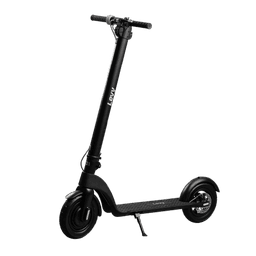
The Levy Light is currently published at up to 18 mph and 27 pounds. The Levy Plus is published at up to 20 mph and 31 pounds. Based on those published specifications, both are at or below NYC’s basic e-scooter speed and weight thresholds, carry UL 2272 certification, and use removable UL 2271-certified batteries.
View Levy’s New York purchase, rental and subscription options
The timeline to watch
- August 5, 2026: The City announced cease-and-desist orders to 42 online retailers.
- September 30, 2026: The City Council plans its comprehensive safety hearing.
- After the hearing: Bills may be amended, advanced, combined, delayed or rejected.
- After passage: Agencies may still need to issue implementation rules, guidance and effective dates.
Levy will update this article when the Council holds the hearing and when any proposal becomes binding law.
More NYC scooter guides from Levy
- Electric Scooter Laws in NYC: The Complete 2026 Guide
- How to Tell Whether an Electric Scooter Is Legal to Buy and Ride in NYC
- NYC E-Scooter Crackdown: What the 20 MPH Rule Means
- NYC Scooter Speed Limit: 20 MPH vs. 15 MPH
- Levy Light vs. Levy Plus for NYC Commuting
- UL 2272 vs. UL 2271: NYC Electric Scooter Certification Guide
Official sources
- New York City Council: August 4, 2026 e-bike and e-scooter safety review announcement
- NYC Mayor’s Office: August 5, 2026 cease-and-desist announcement
- NYC DOT: Electric Bicycles & More (riding rules and vehicle categories)
Pre-hearing article. General information only; not legal advice. Last reviewed August 6, 2026.